
 English
  Polski
  Deutsch
  Nederlands
  Svenska
  Norsk
Norsk  Dansk
Dansk  Français
  Italiano
  Español
  Português
  Slovenčina
  Suomi
Suomi  Gaeilge
 Thuja Hedges Are Browning Nationwide and Most People Miss the Main Cause
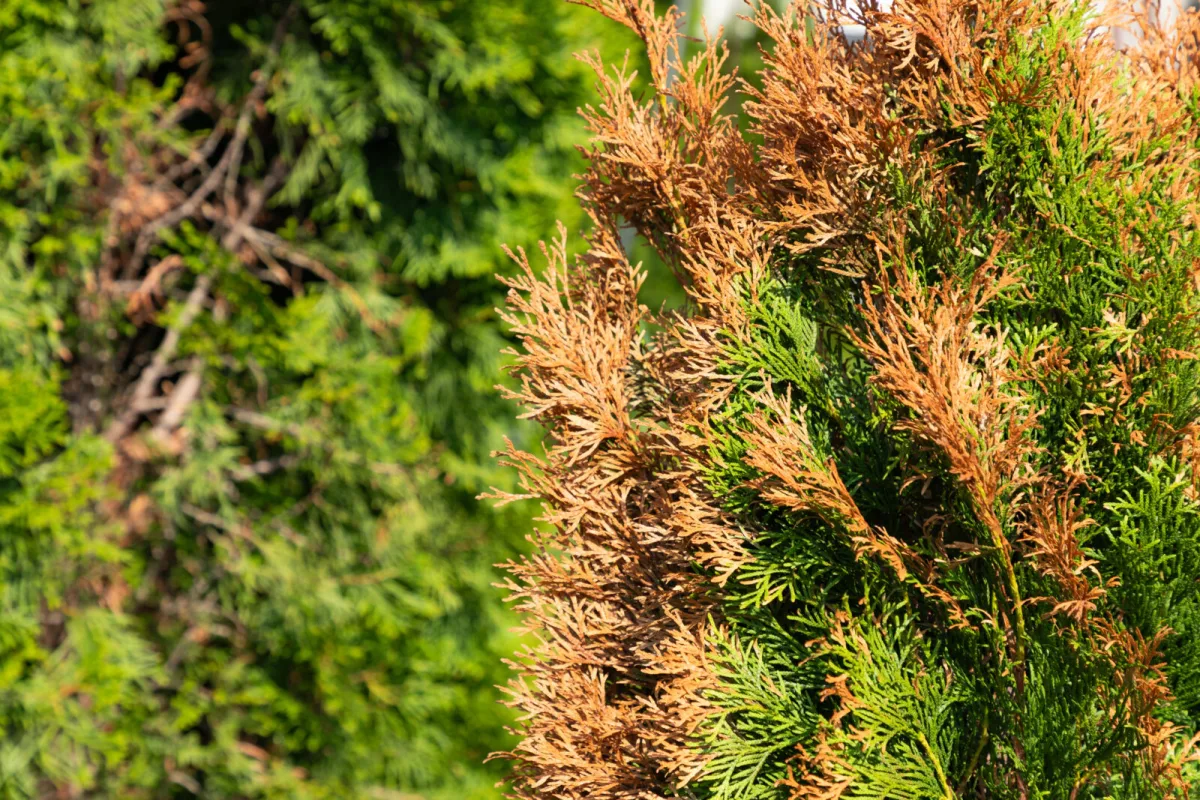
Thuja has been the most common choice for hedges for many years because it quickly forms a continuous green wall and looks neatly clipped. In recent seasons, though, the same pattern has been repeating in many gardens: the planting starts to thin out, branch tips dry back, and whole sections of the hedge gradually turn brown. The reason is usually not one single disease, but a combination of stress from lack of water, an unsuitable site, and winter desiccation.
So when you’re choosing a new hedge, it pays to look less at catalogue photos and more at the reality of your own garden. What matters most is the soil, how much sun the spot gets, exposure to wind, and how much time you’re willing to invest in long-term care. The right species can save you years of repairs, replanting and disappointment.
What’s behind browning and dieback in thuja
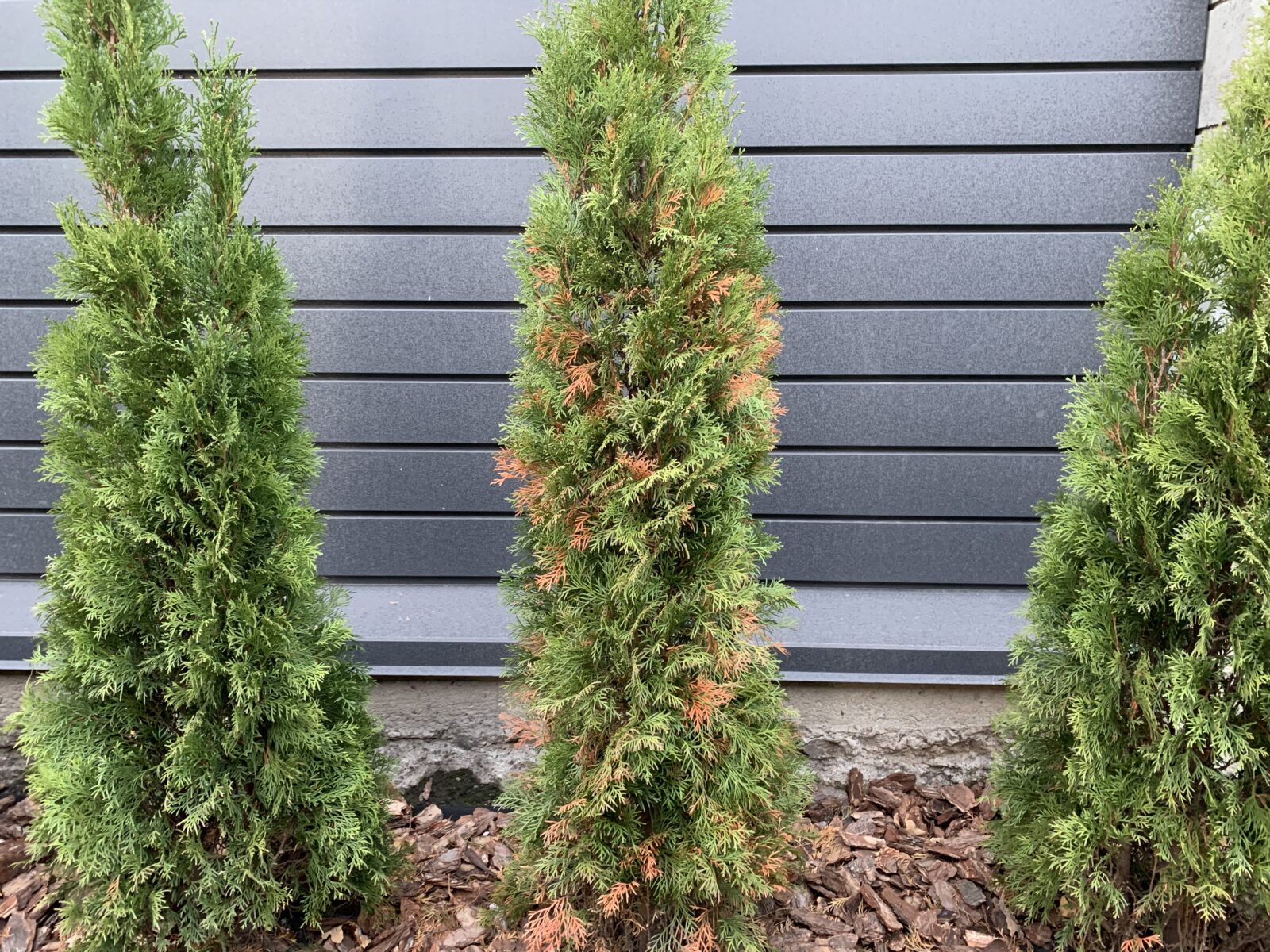
The most common cause is prolonged drought, especially in light soils that dry out quickly. If there’s no mulch around the plants and watering is irregular, thuja loses vigour and readily responds by browning. Another typical issue comes in winter. The foliage still loses water even on cold days, but the roots can’t replace it from frozen ground. In sunny, windy locations this effect is even stronger, which is why dry, rusty-coloured patches often show up after winter.
Once plants are weakened, problems they’d normally cope with become much more likely to appear. Sometimes it’s poor drainage and root suffocation, other times pests or fungal diseases. The result looks similar: loss of colour, dieback of shoot tips and the gradual decline of sections of the hedge.
How to identify the specific problem and what to do about it
Browning after planting is often simply lack of water
If thuja or a similar arborvitae starts browning soon after planting, the most likely cause is insufficient watering. Newly planted shrubs don’t yet have roots spread into the surrounding soil, so they need water more often than established plantings. Regular watering and keeping the soil evenly moist, but not waterlogged, helps.
Yellowing can be linked to nutrition as well as winter
A yellowish cast can sometimes be a sign of nutrient deficiency, especially if the plant stays pale after establishment and doesn’t grow with its usual strength. In that case, a slow-release fertiliser formulated for conifers may help. It’s also worth knowing that in harsh winters, some cultivars can temporarily lose their deep green colour, particularly in exposed positions. In spring, the colour usually improves.
When the soil stays wet, root rot is a risk
A common mistake is planting into heavy clay soil or in places where water stands for a long time after rain. Waterlogging limits oxygen to the roots and can trigger fungal dieback of the root system. The plant then declines even though it seems to have plenty of water. In this situation, simply adding more water won’t help and will only make things worse. The key is to improve drainage or choose a different spot and a more resilient shrub.
Pests and diseases mainly take hold on weakened plants
On thuja you may see caterpillars that damage the foliage, sap-sucking pests with scale on the twigs, or a black sooty mould that develops on the sweet secretions left by insects. Prompt removal of affected parts and targeted treatment with a suitable product can help. More serious are canker-like diebacks of branches that spread as shoots die back. Once the main stem is affected, removing the entire plant is often the safest choice to protect nearby plantings.
Evergreen alternatives that can handle drought and clipping
If you want to keep a narrow, year-round green hedge, there are several shrubs and conifers that tend to be more resilient in practice. Columnar Rocky Mountain juniper works well, for example the cultivar Blue Arrow, which forms a compact shape and doesn’t take up much space. English yew is another excellent option. It grows densely, tolerates clipping extremely well, and copes with partial shade, so it suits places where thuja would struggle.
Holly is also used for hedging; it’s decorative and, in the right conditions, forms a firm, opaque wall. Cherry laurel is often mentioned too for its glossy leaves, but it’s important to factor in that it can suffer in colder sites, and its requirements vary by cultivar and local microclimate.
Deciduous hedges are practical yet elegant
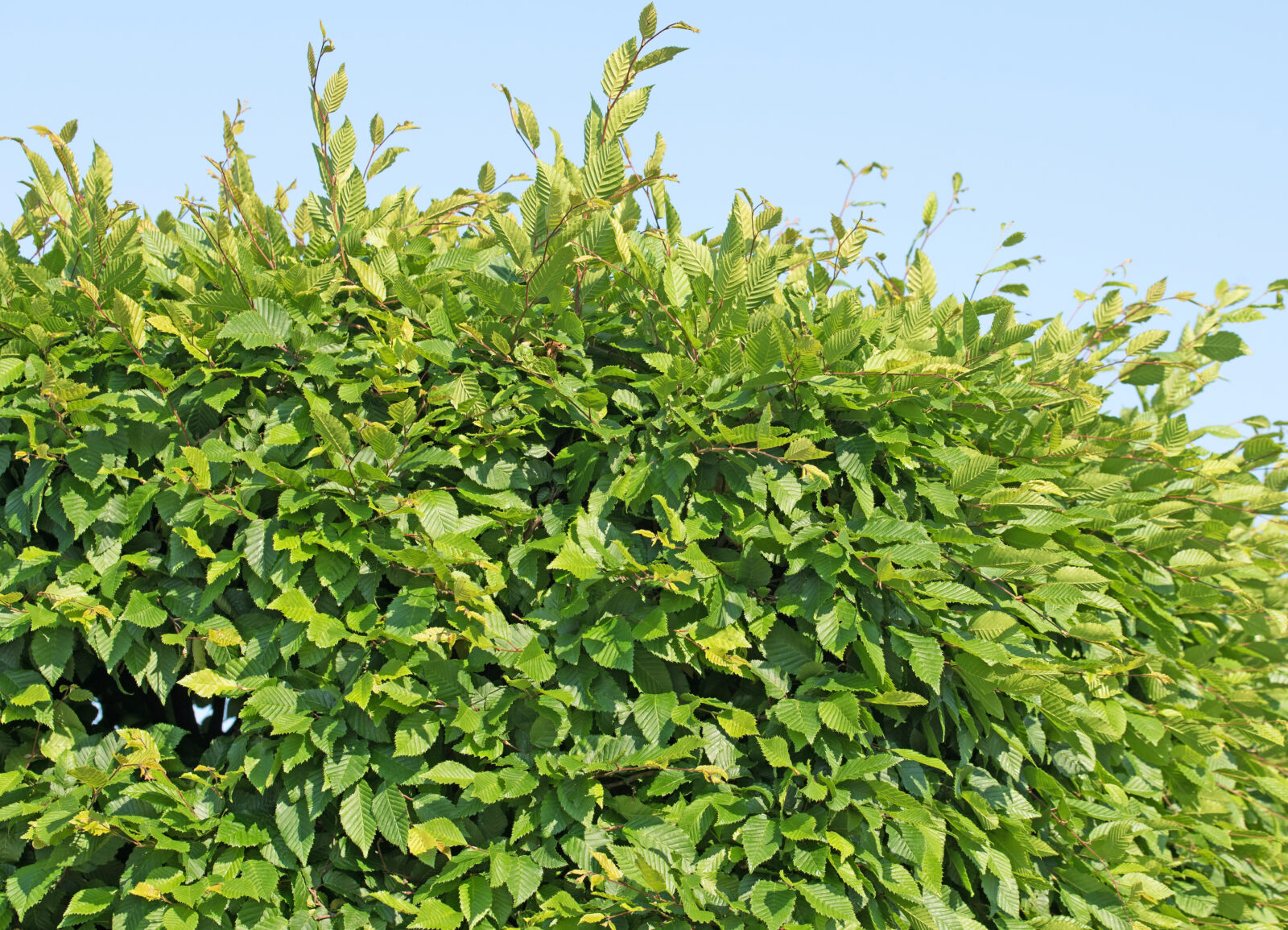
If you don’t mind the hedge not being fully green in winter, an even wider range of options opens up. Common hornbeam is very popular. It thickens quickly, takes shaping well, and often holds onto its dry leaves until spring, so even out of season it still offers some screening. European beech has a similar effect, with an especially elegant look and the ability to create very refined, formal living walls.
For a lower-maintenance solution, privet is often chosen. In milder winters it may stay partly in leaf, it responds well after pruning, and it can quickly fill gaps. In practice it provides solid privacy without the frequent crises many thuja plantings are experiencing today.
A mixed hedge as insurance against problems
A single-species hedge looks uniform, but it has one drawback. When extreme drought, a new disease, or a pest arrives, the entire run can be hit at once. A mixed planting of two to three species reduces the risk of widespread damage and often looks more natural. A practical example is combining hornbeam with a few columnar junipers, which add structure and an evergreen element in winter without the planting losing its privacy.
How to choose a hedge that will last for decades
Before you decide to replace thuja, consider light levels, wind, and above all the nature of your soil. In dry, sandy ground, water management will be crucial; in heavy soil, resistance to waterlogging matters more. Think about maintenance too. Some species need regular clipping for a crisp shape, while others hold a pleasing outline naturally and only need attention occasionally.
A well-chosen hedge can create a barrier just as dense as thuja, but it’s often more stable, more resilient, and looks more natural. If you stop relying on habit and match your choice to the conditions in your garden, you’ll gain privacy for many years with far fewer worries.
Source: Baumbad, My Perfect Plants, Pestrazahrada.cz

A lover of nature, gardens, and everything that moves, blooms, or grows. He literally grows everything, from herbs to rare species, and he enjoys caring for animals just as much. In his work, he connects modern technology with tried-and-tested grandmotherly methods and is happy when both paths lead to the same goal.
Related articles
An Orchid That Only Grows but Won’t Bloom Has Three Common Causes You’ll Never Fix with Fertiliser
If your orchid looks healthy but refuses to bloom for months, the cause is usually not a lack of fertiliser. Light, watering habits, and temperature patterns are far more often to blame.
Winter is crucial for raised beds and most people skip the pest prevention step
Your raised beds don’t go dormant just because winter arrives. A few quick, well-timed tasks now will protect the soil, discourage pests, and set you up for a smoother, more productive spring.
When to Mow the Lawn for the Last Time Before Winter
There’s no universal date for the season’s final mow—your lawn and the weather will tell you. Time it just ahead of hard frost and leave the grass slightly higher to help it overwinter healthier and bounce back faster in spring.
Comments (0)
Be the first to comment.