
 English
  Polski
  Deutsch
  Nederlands
  Svenska
  Norsk
Norsk  Dansk
Dansk  Français
  Italiano
  Español
  Português
  Slovenčina
  Suomi
Suomi  Gaeilge
 Early Leaf Drop Isn’t the End of the Season but a Tree’s Defence Response
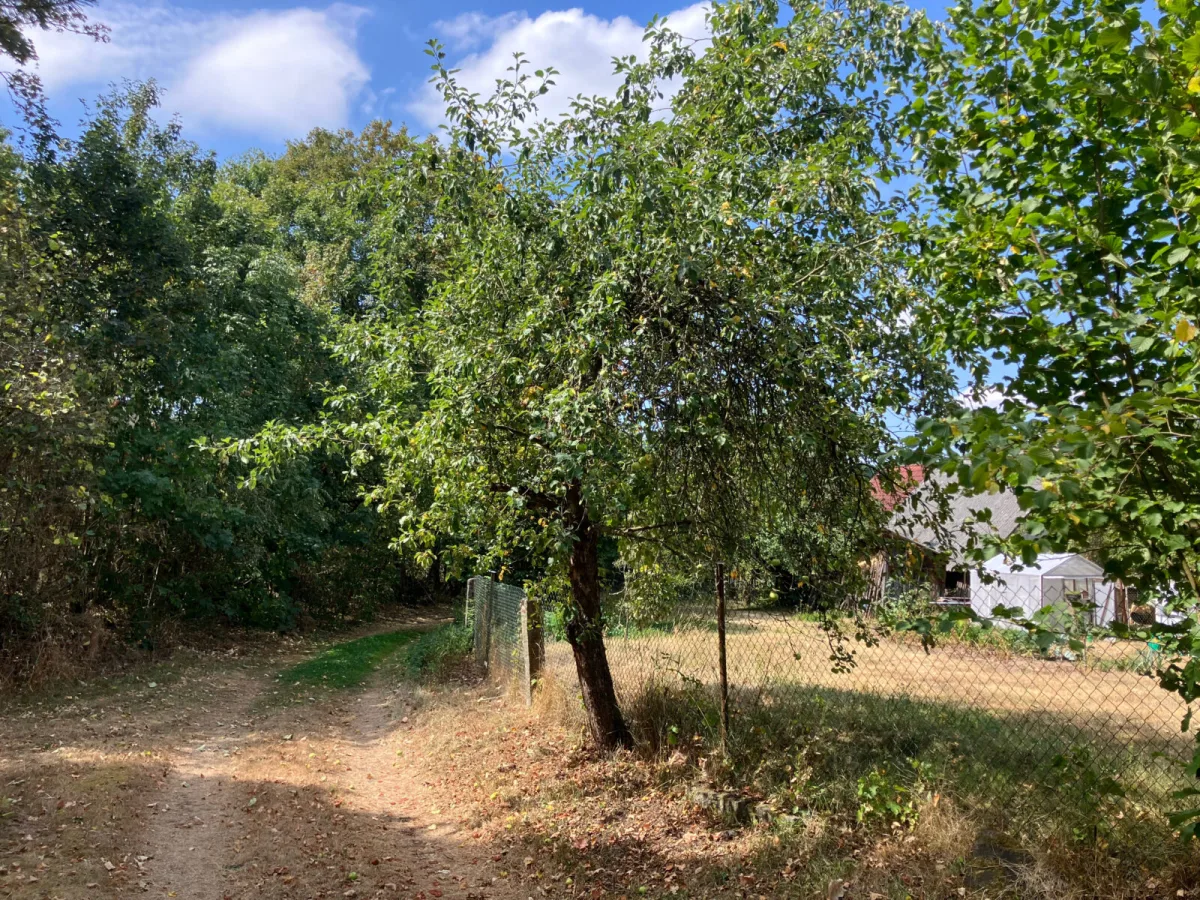
Prolonged heat and a lack of rainfall don’t just threaten garden beds, they can hit fruit trees particularly hard. The risk affects newly planted trees as well as older specimens with large crowns. When a tree doesn’t have enough water available, it overheats, the roots lose the ability to take up moisture, and the whole plant goes into stress. A weakened tree then succumbs much more easily to diseases and pests, and may carry the consequences into the next season as slower growth and poorer fruiting.
In summer, trees give us shade and cooling, but it’s also the time when they need us to return some of that care. The key is to catch warning signs early and respond before there is permanent damage to tissues or the root system.
How to tell a tree is suffering from a lack of water
Most often, the problem shows up on the leaves. They may wilt even when the sun is no longer scorching, the edges turn brown, leaves curl, and sometimes yellowing appears. Premature leaf drop is also typical; people confuse it with the natural end of the season, but in summer it’s often a defensive response to drought. The soil around the trunk is another clue: it’s often hard, cracked, and dry to the touch. If the root ball is dry as well, the tree is calling for urgent help.
Watering as the essential rescue after drought
Water is the most important measure in summer, but it needs to be done correctly. Young trees in roughly the first three years after planting still have a weaker root network and therefore need a more regular routine. If there’s no rain, it’s a good idea to supply water several times a week at about 10 to 15 litres per watering. With older trees, a deeper soak once a week during the worst dry spell is usually enough; the aim is to get water down to the roots, not just dampen the surface.
The best time to water is early morning or evening, when less water evaporates and the tree can use it more effectively. Very frequent, shallow sprinkling does the opposite: it encourages roots to stay near the surface, and those then overheat in a heatwave and dry out even faster.
Mulch holds moisture but must not touch the trunk
An excellent helper is organic mulch, for example bark, compost, or wood chips. A layer about 5 to 10 cm deep reduces evaporation, slows weed growth, and also protects the root zone from overheating. This makes watering more efficient and keeps the soil evenly moist for longer.
Never pile mulch right up against the trunk. Leave a clear ring around the trunk, otherwise you risk the bark staying too damp and then rotting.
Properly applied mulch also helps prevent temperature swings, which can be extreme in summer, especially when the soil is bare and dark.
Summer pruning and gentle recovery without unnecessary stress
A tree weakened by drought mainly needs calm and support, not a harsh intervention. Even so, it can be useful to remove dead, broken, or clearly damaged branches that unnecessarily burden the tree and can become an entry point for infections. Summer pruning should be restrained, guided by improving health rather than radically reshaping the crown.
Fertilising should be approached just as carefully. Too strong a dose could trigger growth at a time when the tree is trying to survive, exhausting it further. If you do fertilise, do so lightly and thoughtfully, ideally after watering so the roots aren’t damaged.
Pest and disease prevention during drought
Drought reduces a tree’s natural defences, so problems that it would normally cope with on its own appear more often. It’s worth checking leaves, trunk, and thicker branches regularly for unusual spots, oozing sap, cracks, webbing, insect galleries, or sudden dieback in parts of the canopy. The sooner the cause is identified, the smaller the intervention usually needs to be.
It’s also important to watch whether things improve after adjusting watering and mulching. If the tree continues to decline quickly, the issue may be deeper, such as root damage or an emerging disease.
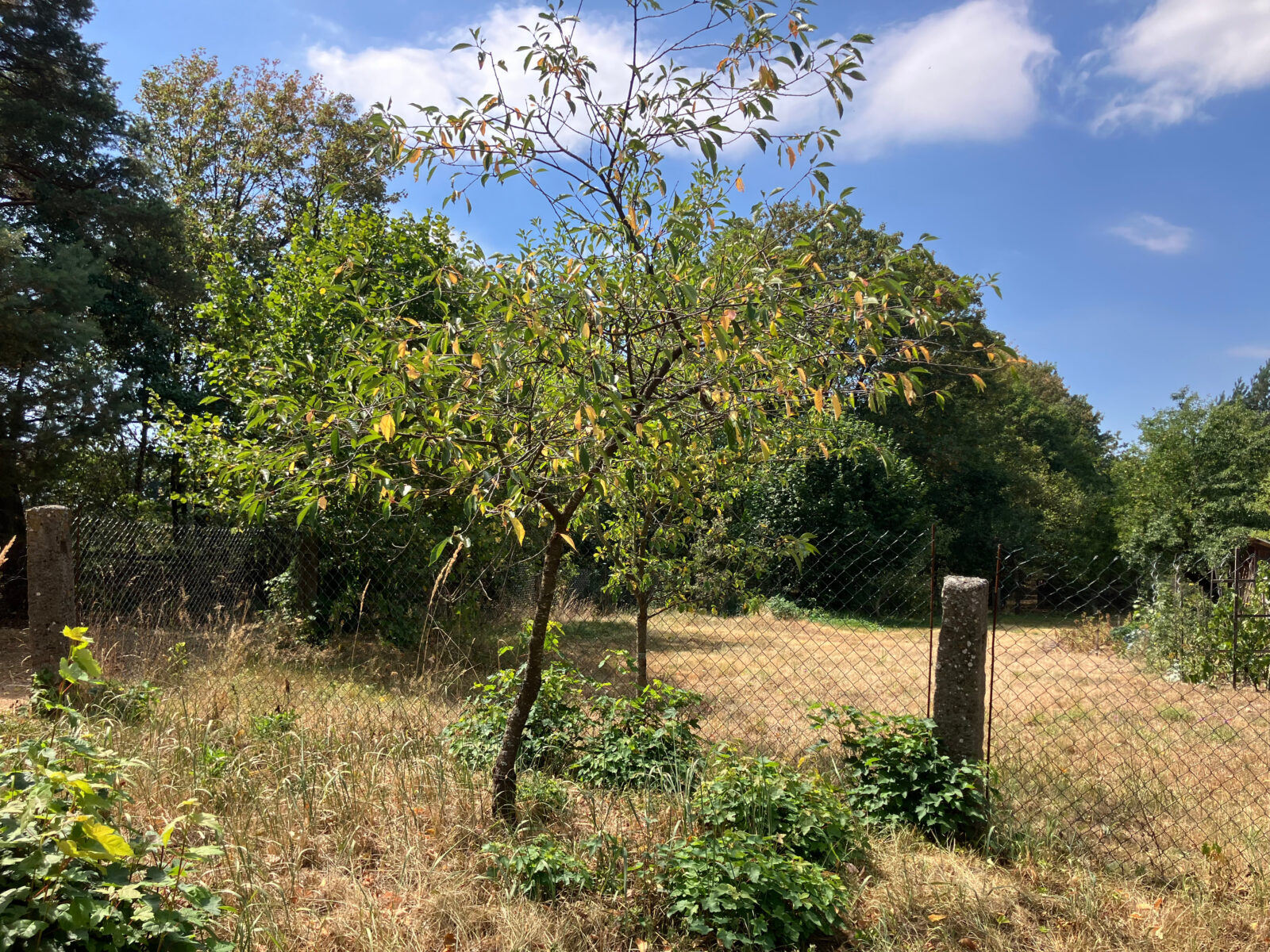
Planting in summer is possible, but only with smart protection
Fruit trees can be planted even in summer, but extra care is essential. After planting, regular watering must follow, the soil should be protected with mulch, and temporary shading is often needed so leaves and the trunk don’t suffer from direct sun scorch. A practical solution can be simple slow watering, where a container with holes in the bottom is placed at the base of the young tree and water is released gradually into the root zone. This provides moisture more evenly and with less loss to evaporation.
When it’s better to call an arborist
If you’re not sure whether the tree is simply too dry or whether a disease or pest has joined in, a consultation with a professional is worthwhile. An arborist can assess vitality, estimate the extent of damage, and suggest a course of action that won’t burden the tree unnecessarily. With valuable, older fruit trees, timely expert help can make the difference between gradual recovery and an irreversible loss.
The most important thing is not to underestimate the first signals. When you combine correct watering, mulching, gentle summer pruning, and regular health checks, fruit trees have a high chance of coming through a hot summer stronger and ready for the next season.
Source: Pestrazahrada.cz

A lover of nature, gardens, and everything that moves, blooms, or grows. He literally grows everything, from herbs to rare species, and he enjoys caring for animals just as much. In his work, he connects modern technology with tried-and-tested grandmotherly methods and is happy when both paths lead to the same goal.
Related articles
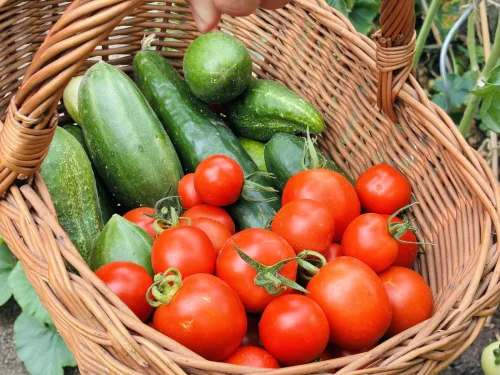
The More Often You Harvest, the Longer Plants Keep Cropping
With fruiting vegetables, frequent picking keeps plants flowering and producing for longer. A few crops, such as aubergines, are tastiest when harvested slightly earlier rather than fully mature.
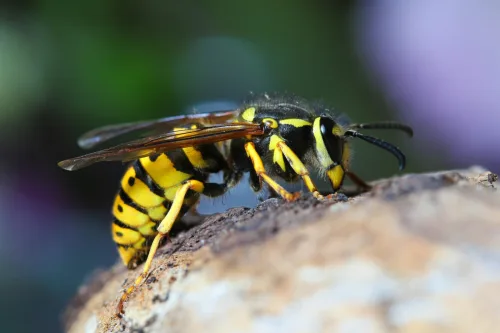
Wasps Aren’t Just a Barbecue Menace They Can Ruin Your Garden Woodwork Too
Weathering isn’t always the main culprit behind damaged outdoor timber. Wasps can scrape fibres from boards and beams surprisingly fast, leaving grooves that soak up water and accelerate decay.
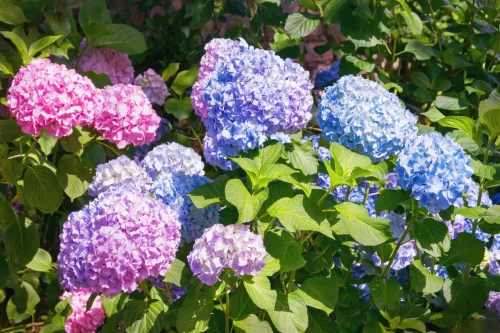
Why hydrangeas wilt in summer even when watered and how to save them fast
Hydrangeas can look limp in hot weather even if you’ve been watering faithfully. The key is to check what’s happening in the root zone, then adjust watering, shade and mulching so the plant can actually use the moisture available.
Comments (0)
Be the first to comment.