
 English
  Polski
  Deutsch
  Nederlands
  Svenska
  Norsk
Norsk  Dansk
Dansk  Français
  Italiano
  Español
  Português
  Slovenčina
  Suomi
Suomi  Gaeilge
 Canadian blueberries struggle in ordinary soil and there is a more practical alternative
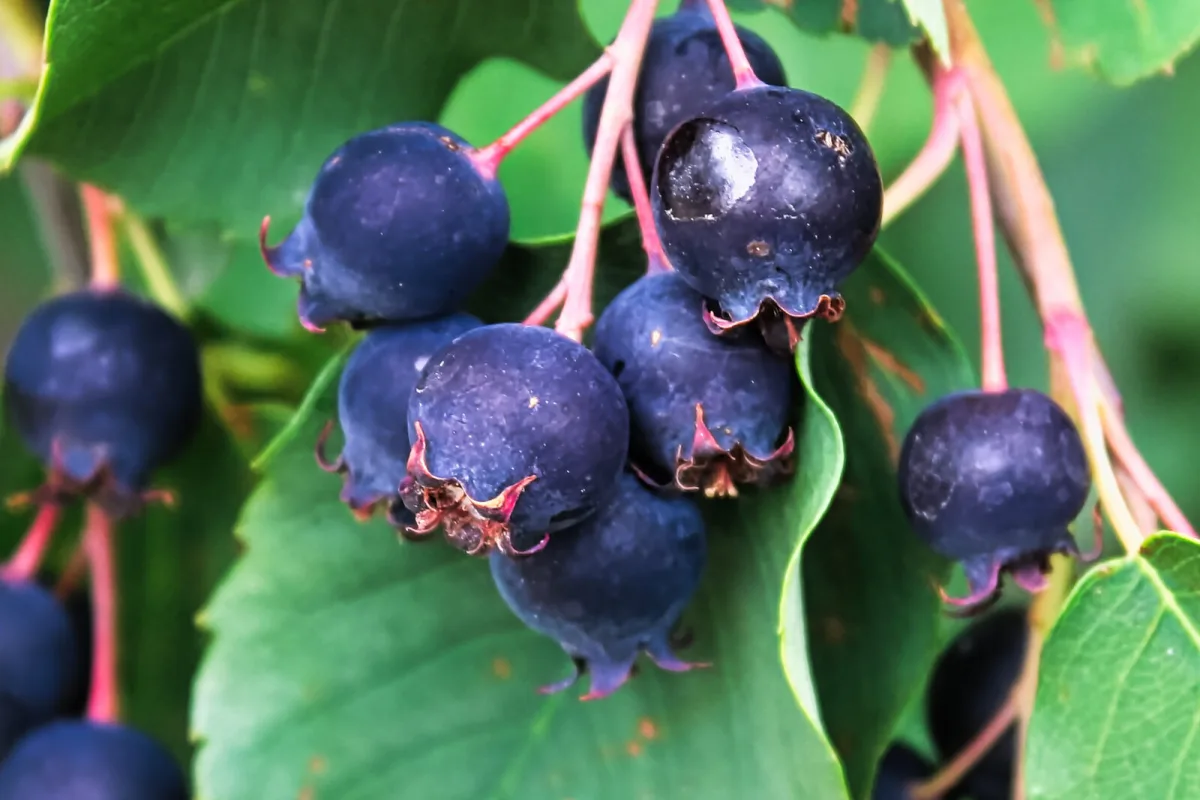
Soft fruit is most often associated with currants, raspberries or gooseberries. According to fruit grower Ľudovít Vašš, though, it’s a much broader group of plants that can also include less traditional species such as passionflower, Russian olive, fruiting hawthorns and other unusual shrubs and climbers. This diversity is a real advantage, but it’s also true that berries and similar crops tend to demand more consistent care than fruit trees.
A shared feature of most soft fruit is a shallow root system. That raises their requirements for both moisture and nutrients in the soil. At the same time, many species crop mainly on young wood, often on one-year shoots. If you want a quality harvest, you need to keep shrubs rejuvenated with regular pruning so they maintain plenty of young, fruitful canes.
Less common species and what will cope in our conditions
With passionflower, many people picture tropical passion fruit, yet there are species that can be grown in the warmest sites. In good conditions, some passionflowers can overwinter from the roots and sometimes even keep their top growth long enough to set fruit. You do have to count on them being cold-sensitive plants, and without a truly suitable position, growing them isn’t really worth it.
New cultivars, the return of forgotten flavours and today’s best-sellers
In traditional berry crops, more cultivars have become readily available in recent years because sellers import them from across Europe. Gardeners are now coming across colours and types that weren’t common before, such as pink currants. Often it’s not a modern breakthrough, but rather older selections or chance seedlings that have simply made their way back into the trade.
Gooseberries, Vašš says, are paying the price mainly because they’re disappearing from kitchens and gardens. Yet they’re a traditional fruit that deserves a comeback. With today’s cultivars, resistance to American gooseberry mildew has improved markedly, a disease that used to wipe out gooseberries completely. Rhubarb is also slipping out of everyday growing in a similar way, even though it isn’t a fruit in the strict sense.
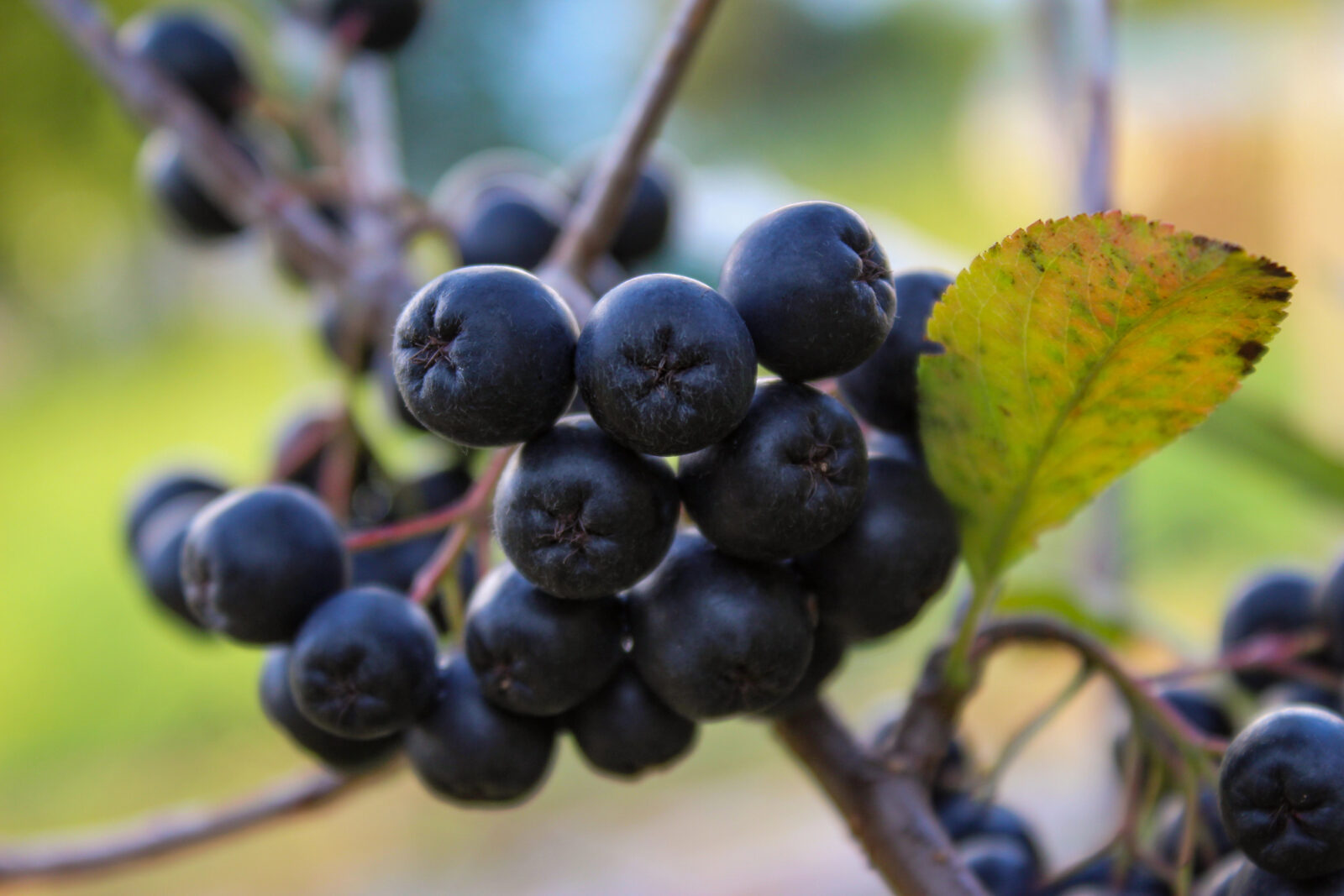
Among the top-selling plants of recent years is sea buckthorn, boosted by products marketed for immune support. There’s plenty of talk about antioxidants and vitamin E, so people buy sea buckthorn for teas, juices and dried berries. Aronia has also moved into the spotlight, with emphasis on its high levels of vitamins, minerals and other nutritionally valued compounds.
Pruning as the key to crops in aronia, sea buckthorn and serviceberry
For some shrubs, pruning is essential. If aronia, sea buckthorn or serviceberry are left untouched, they quickly start fruiting only around the outside. The centre of the bush becomes bare within a few years because fruiting wood won’t form where light can’t reach. The outcome is simple: the crop is harder to pick and smaller overall. With serviceberry and aronia, fruiting is also often linked to one-year shoots, so rejuvenation pruning helps keep the shrub productive.
Don’t underestimate pollination, even with supposedly self-fertile species
Gardeners like to rely on self-fertility, but practice shows that more cultivars often mean more fruit. Serviceberry will set fruit on its own, yet planting several cultivars usually leads to a heavier harvest. Honeyberry (haskap) is typically self-sterile and you need compatible pairings. Currants also tend to crop better when more than one plant is growing nearby. Even with mini kiwi, where self-fertile forms exist, it’s often confirmed that mixed pollination lifts yields.
Harvest from May right through winter, sometimes even into February
A major advantage of soft fruit is that you can build a harvest across a long season. You can start as early as May with honeyberry (haskap), and newer cultivars from Poland, the Baltics or America are often excellent in flavour. June follows with serviceberry, then the classics like currants and other species join in.
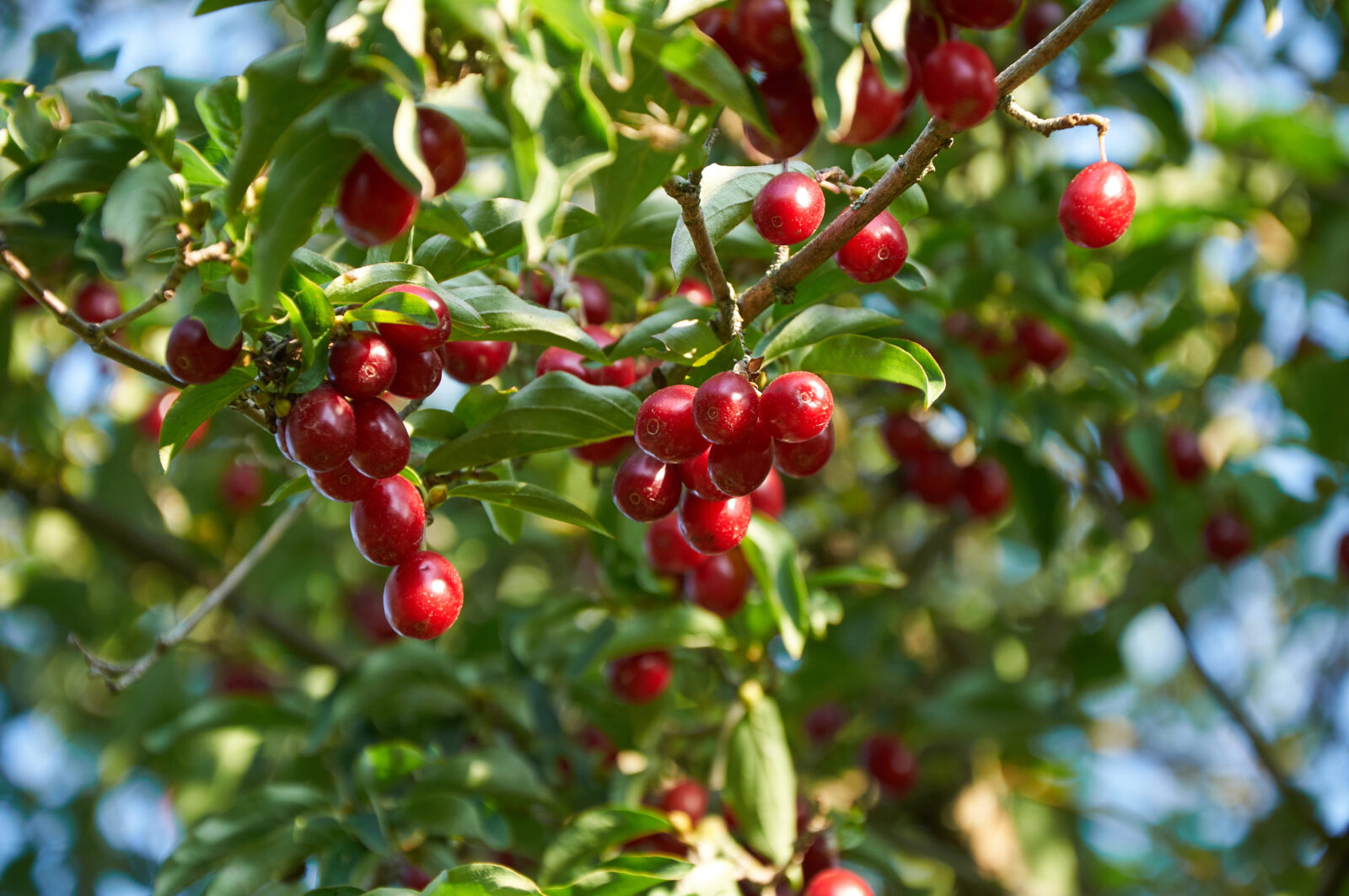
Autumn belongs to cornelian cherry, Russian olive and many other shrubs. The true end of the season can shift into winter, when fruits of fruiting hawthorns or some rowans hang on, and after a frost they can even taste better. In certain Actinidia species, fruits can remain on the vine for a very long time, and with the right mix of plants and a well-chosen site, you can have home-grown soft fruit for roughly ten months of the year.
What determines sweetness and why an “easy-care” approach isn’t enough
Breeding today focuses not only on resistance to frost, diseases and pests, but also on flavour. In more tart crops such as sea buckthorn or honeyberry, sweeter types are being selected intentionally. But sweetness isn’t determined by genetics alone. Water, sun and nutrients play a huge role, because shallow roots quickly suffer in drought and in poor soil.
Vašš points out that people often grow soft fruit too frugally, without regular feeding, pruning and soil care. Soft fruit shouldn’t be planted in competition with the roots of large woody plants, and it does best in soil rich in organic matter. For good flavour and proper ripening, you need plenty of leaf area, which isn’t possible without pruning and sensible fertilising.
Serviceberry shows the difference clearly. When it grows in a neglected lawn, the fruit can be dry and bland. If it has enough moisture and trace elements while ripening, the flavour shifts much closer to blueberries. Compost tea or fermented nettle feed can help, as can hoeing and mulching. With good cultivars, the improvement in taste is immediate.
Cornelian cherry as the exception that tolerates low-maintenance growing
Among the species mentioned, cornelian cherry stands out. Unlike most soft fruit, it’s exceptionally tough and can cope with more extensive, low-input care. It can also crop heavily on older wood, so it’s handled differently from raspberries or currants. For the garden, it’s worth choosing large-fruited grafted cultivars, while for the wider landscape, meadows or pasture, seedlings are more suitable because they grow very large and live to a great age.
Soil without grass and without herbicides
With raspberries, currants, gooseberries or jostaberries, it’s important that shrubs aren’t left for years growing in tall grass. Shallow roots gradually weaken under competition and the bush ages faster. Instead of chemicals, you can prepare the area by covering it with cardboard and layers of organic material such as straw, hay, manure or wood chips. This smothers the sward, the material breaks down, and the soil improves. With persistent grasses such as couch grass, total darkness helps, even with two layers of cardboard.
Edible hedges and the species that belong in them
In naturalistic gardens, interest in edible hedges is growing. The choice depends on whether the hedge is mainly for protection or more for harvest and ornamental value. For dense, hard-to-pass plantings, some very thorny species are used. For more open, natural-looking hedges, fruiting hawthorns, cornelian cherry or hazel are a good fit, as they grow quickly, are long-lived and take renovation pruning well.
From an aesthetic point of view, pairing serviceberry with aronia can be striking, because both flower in spring and colour up strongly in autumn. Kiwi on a support can also work as a dense green screen. By contrast, fruit trees such as apple, pear, plum or apricot don’t suit hedges, because they’re hard to shape and, grown this way, tend to have more health problems.
Shade, partial shade and drought: what copes best
Hazel suits partial shade, and blackcurrant has some tolerance too. Cornelian cherry will survive in poorer light, but crops weakly or not at all. Other species usually require full sun; otherwise the fruit tends to be more acidic and lower in quality. An interesting exception is elder, which manages partial shade and can even grow under a large walnut tree.
For drier conditions, Russian olive, hazel and cornelian cherry perform well; once established, cornelian cherry can grow even on stony, limestone sites. Blackberries generally cope with drought better than raspberries, although even for them, water is important for flavour.
Highbush blueberries versus serviceberry: a practical choice for the garden
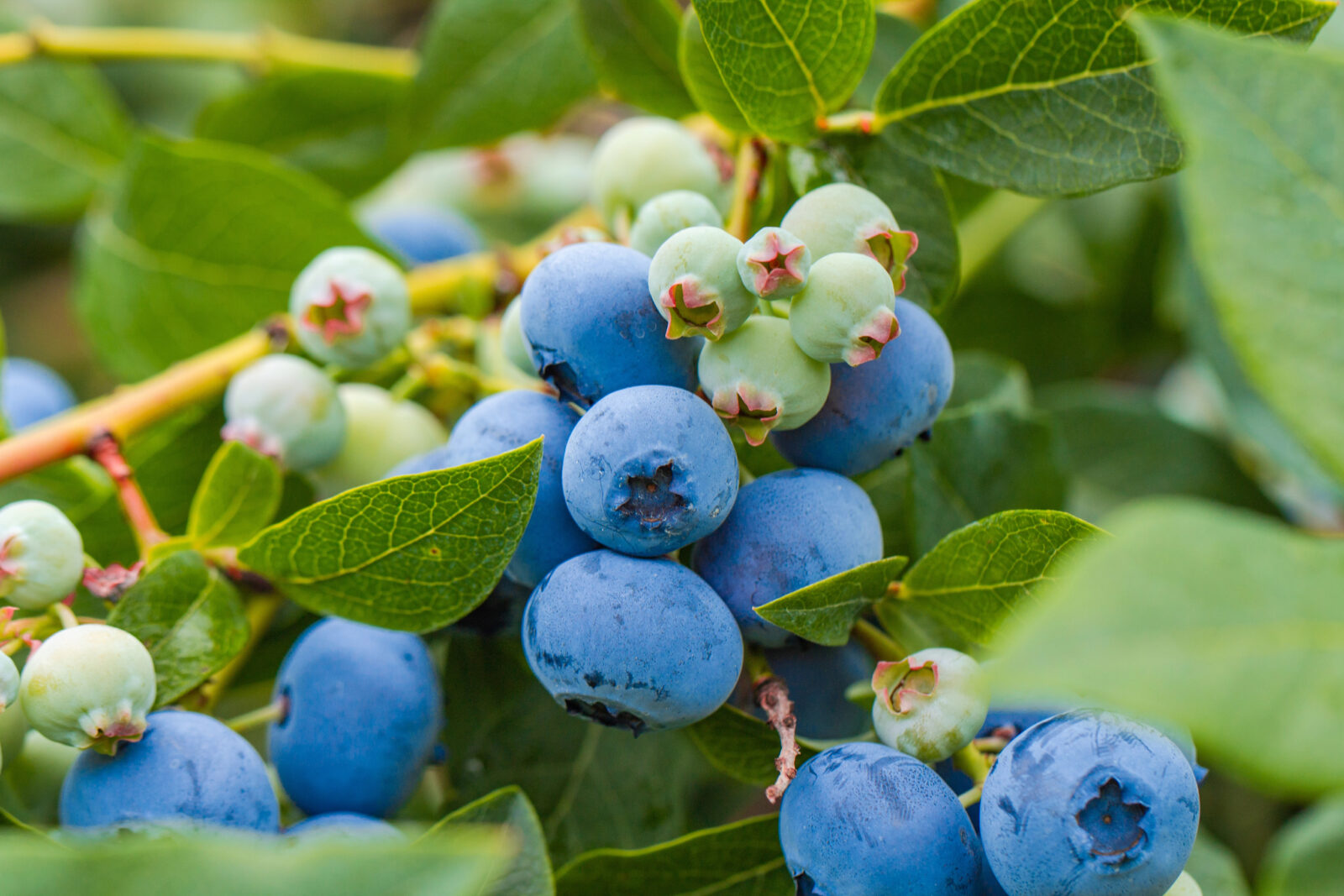
Highbush blueberries are delicious, but their weak point is their need for an acidic growing medium. In ordinary soil they often struggle, because a higher calcium content blocks the uptake of certain nutrients and the plants decline. That’s why container growing is recommended, ideally with regular irrigation. If you sink containers into the ground, it’s best to keep them with their base intact so the roots don’t grow out into the surrounding soil.
Serviceberry is more practical in this respect, because it can be grown directly in the ground and, with a good cultivar and attentive care, it can offer a flavour that comes very close to blueberries. That’s the clear message of the whole discussion: soft fruit can be extraordinarily rewarding, but only when we give it regular water, nutrition, light and pruning.
Source: Záhrada, Recepář, Gardening Know How, Pestrazahrada.cz

A lover of nature, gardens, and everything that moves, blooms, or grows. He literally grows everything, from herbs to rare species, and he enjoys caring for animals just as much. In his work, he connects modern technology with tried-and-tested grandmotherly methods and is happy when both paths lead to the same goal.
Related articles
Drought tolerant fruit trees for Czech gardens that handle heat and winter frosts
Warmer summers and longer dry spells are changing what can be grown in Czech gardens. With the right variety and a sunny, sheltered spot, olives, pomegranates and figs can cope with heat, drought and even winter cold.
Thuja hedges are on the way out gardeners are choosing a shrub that shrugs off frost and drought and never looks dull
Thuja may be a long-standing classic, but today’s hedges are increasingly built from more varied shrubs that look better through the seasons. One standout choice is ninebark, prized for its toughness, colour and easy care.
Autumn planted grapevines bud earlier the most common mistake happens before they even go in the ground
Planting grapevines in November can give them a head start in spring, as roots can still establish in warm soil. Success depends mainly on proper planting depth and reliable winter protection.
Comments (0)
Be the first to comment.