
 English
  Polski
  Deutsch
  Nederlands
  Svenska
  Norsk
Norsk  Dansk
Dansk  Français
  Italiano
  Español
  Português
  Slovenčina
  Suomi
Suomi  Gaeilge
 How to Keep Your Pool Sparkling Clean Without Unnecessary Effort or Stress
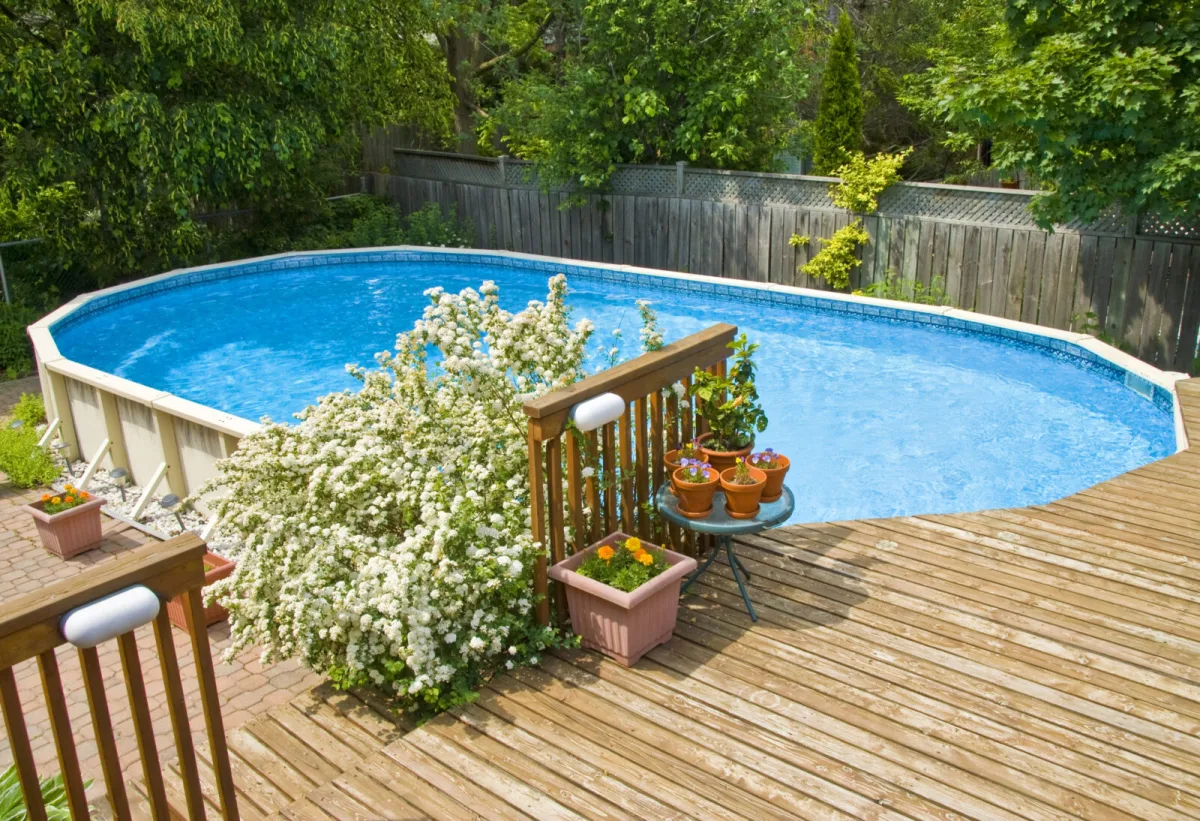
Keeping your pool crystal clear and pleasant to look at doesn’t have to be complicated. The most common mistake is trying to fix everything at once, or—at the other extreme—putting maintenance off until the problem shows up in full. In reality, it’s enough to stick to a few repeatable steps that take just a few minutes a day and a bit of time once a week. The reward is water without haze, safe swimming, and fewer malfunctions that would otherwise cost money unnecessarily.
The core of good care rests on five things. Each day, skim debris from the surface; regularly vacuum the floor and brush the walls; keep an eye on the water chemistry; maintain the filter; and run the filtration long enough for the water to circulate continuously. If you don’t cut corners on these steps, your pool will look great even on days when guests or the whole family are swimming.
Five pillars of cleanliness that decide the result
At first glance the water may look fine, but cloudiness, bacteria or algae often start quietly. That’s why it’s important to think not only about visible cleaning, but also chemical balance and properly functioning filtration. It’s the combination of mechanical cleaning and correct water parameters that keeps a pool clean over the long term.
The best maintenance is the kind you do little and often. A few minutes a day usually saves hours of fixes later.
Skimming the surface is the quickest win
The fastest way to improve a pool immediately is with a surface skimmer net. Leaves, insects and small debris are best removed every day before they sink to the bottom. Once the mess gets waterlogged and sinks, cleaning becomes unnecessarily harder and the filter takes a bigger load. Focus especially on corners and areas near trees, where debris collects most often.
An important part of the system is also the skimmer basket. When it’s overfilled, it reduces flow and the pump has to work harder, which can affect the lifespan of the system. Emptying the basket once or twice a week is usually enough under normal use; during heavier leaf fall, do it more often.
Vacuuming the floor removes heavy particles that won’t disappear on their own
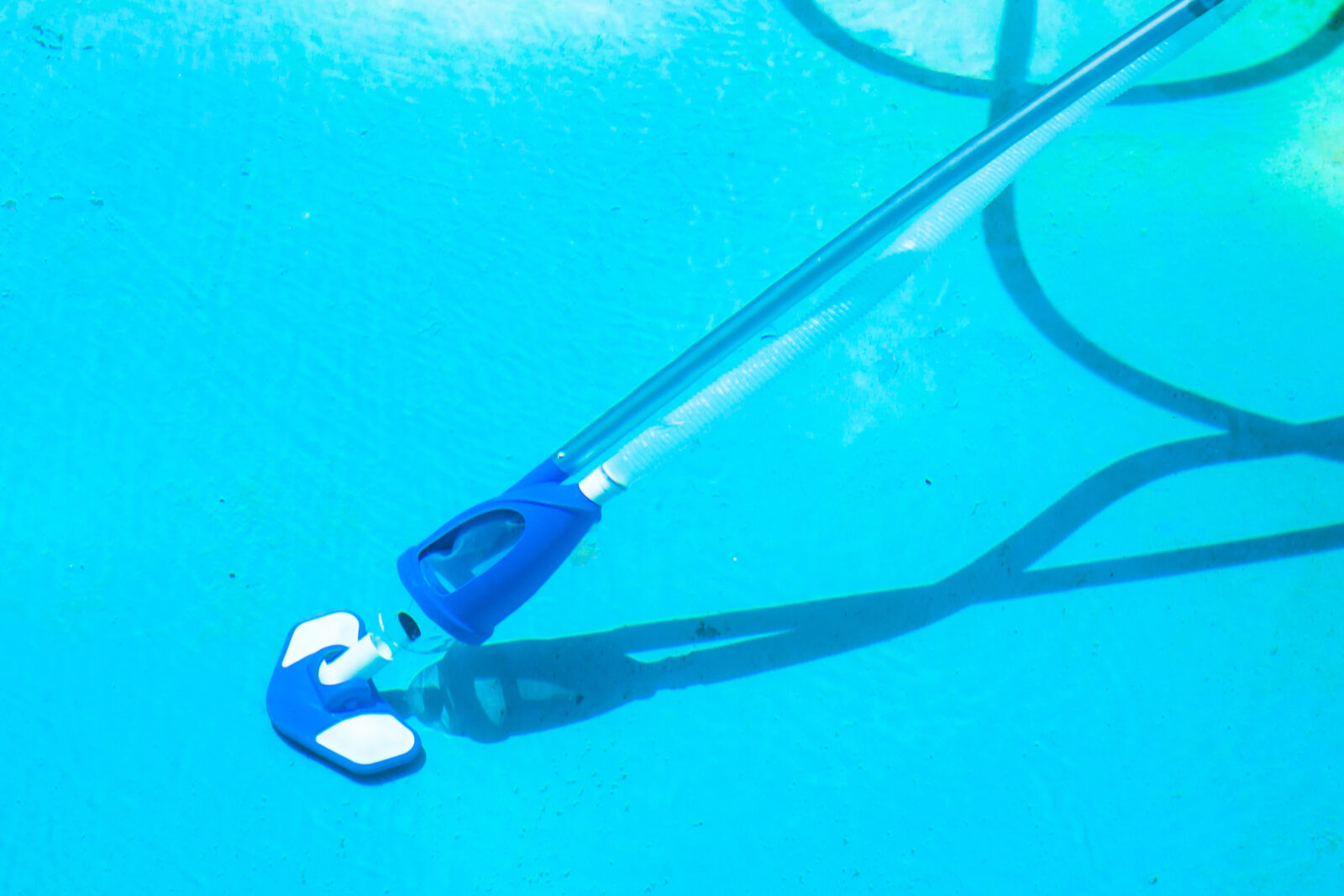
The pool floor collects dust, sand and heavier debris that gets into the water from wind or surrounding surfaces. Vacuuming once or twice a week helps keep the water clear and prevents dirt from being stirred back up into the water column when people swim. A manual vacuum gives full control over where you go, while automatic or robotic models save time.
With manual vacuuming, the key is not to connect the hose full of air. Fully submerge the hose, let the bubbles purge out, and only then connect it so an air pocket doesn’t form, which can harm the pump. If the pool is exceptionally dirty, it can sometimes be worth setting the system to waste so the heaviest buildup isn’t sent through the filter and doesn’t clog it. It’s better to move the vacuum head slowly in overlapping passes; otherwise you’ll just stir up dust that will settle again.
Brushing tackles the spots where algae and film like to cling
Brushing walls and details is often underestimated, but algae and a greasy film take hold fastest on surfaces that aren’t scrubbed. The risk areas are spots with poorer circulation, where water stands still or moves weakly. Regular scrubbing also helps disinfectant work more effectively, because grime isn’t sticking to the surface.
Pay attention to corners, areas around the ladder, steps, and the waterline. If you want the whole area to look tidy, it also makes sense to wipe down loungers, chairs and the table by the pool. Dust from furniture and the patio easily finds its way back into the water.
Balanced chemistry is the foundation of safe swimming
Chemistry sounds complicated, but in practice it’s mainly about consistency. It’s sensible to test the water two to three times a week, and with heavy use even daily. Watch pH and sanitizer level above all, because these values determine comfort for skin and whether microorganisms will multiply in your pool.
Total alkalinity matters too. A commonly recommended practical range is 80 to 120 ppm. If your pH swings significantly, it pays to check alkalinity more often, for example once a week. Test strips are fine for a quick check, but if you measure something suspicious or you’re dealing with cloudy water, a drop test kit is more reliable.
Add chemicals gradually, don’t overdo the doses, and recheck values after a few hours. If the result doesn’t make sense, repeat the test—measurement error is possible. Safety is non-negotiable: store products out of reach of children and pets, in a cool, dry place, and never mix different products together.
Filtration and the pump are the engine that keeps water moving
The filtration system is, in practice, the pool’s main cleaning device. To prevent the water from stagnating, it’s recommended to run the pump for roughly 8 to 12 hours a day. If you have variable-speed settings, a longer run at lower power is often better than short, intense intervals. Better circulation means more even distribution of chemicals and less chance of dead spots forming.
Each filter type needs different care. Cartridge filters are usually rinsed and cleaned roughly every 2 to 6 weeks, with the cartridge replaced after a few years depending on condition. Sand filters are typically backwashed every 4 to 6 weeks or when the pressure clearly rises, and the sand is replaced after a longer period of use. With diatomaceous earth filters, more frequent cleaning is needed to maintain performance.
Follow the pressure gauge. Rising pressure usually means the filter is loaded up and needs maintenance. On the other hand, an unexpected drop may point to a leak or a pump issue—something best addressed immediately while it’s still small.
A weekly and daily routine that saves time and money
What works best is a plan you repeat. Once a week, set aside about two to three hours for complete maintenance. Typically this includes checking and adjusting chemistry, cleaning the skimmer basket, brushing the walls and ladder, vacuuming the floor, checking the water level and topping up products based on your readings. If you keep up with this regularly, the pool will only rarely reach a state that requires heavy intervention.
The daily part is short. Just skim leaves and insects from the surface, take a quick look at the water level and whether circulation seems normal, and keep the area around the pool clean so dirt from the patio doesn’t return to the water. Small repairs are worth doing right away, because minor leaks, cracked baskets or poorly sealing lids can turn into an expensive problem over time.
A pool people love coming back to
If you want your pool to look its best, stick to a simple principle. Each day, quickly remove debris; once a week, thoroughly clean the floor and walls; keep values balanced as you go; and give filtration enough time to do its job. Clean the filter on schedule, and as soon as small faults appear, deal with them without delay.
Clean water, a tidy surrounding area and a sense of safety are things people notice immediately. When you care for the pool consistently, the reward is not only a better look, but also less stress and a lower risk that mid-season you’ll be surprised by haze, algae or a filtration failure.
Source: Swimply, Intex Support, Pestrazahrada.cz
Related articles

A Simple Trick for a Bigger Pepper Harvest and Faster Ripening
Regular watering and feeding aren’t always enough for a heavy pepper crop. Pinching out the growing tips redirects the plant’s energy into branching, flowering, and ripening fruit faster.

Fireflies are disappearing from the landscape, learn how to create a safe garden home
Warm summer nights are even more magical when fireflies start flashing at dusk—but their numbers are falling. With a few simple changes to mowing, planting, lighting and chemical use, your garden can become a safe refuge again.

Time to Protect Your Crop, Codling Moth Is Flying Again and Laying Eggs
Wormy apples in summer don’t have to be a given. As the second generation of codling moth takes flight, timely monitoring and well-timed treatment can protect a large share of the crop without spraying unnecessarily.
Comments (0)
Be the first to comment.