
 English
  Polski
  Deutsch
  Nederlands
  Svenska
  Norsk
Norsk  Dansk
Dansk  Français
  Italiano
  Español
  Português
  Slovenčina
  Suomi
Suomi  Gaeilge
 Gardeners Cut Back Peppers in Midsummer and Harvest Them Until Autumn
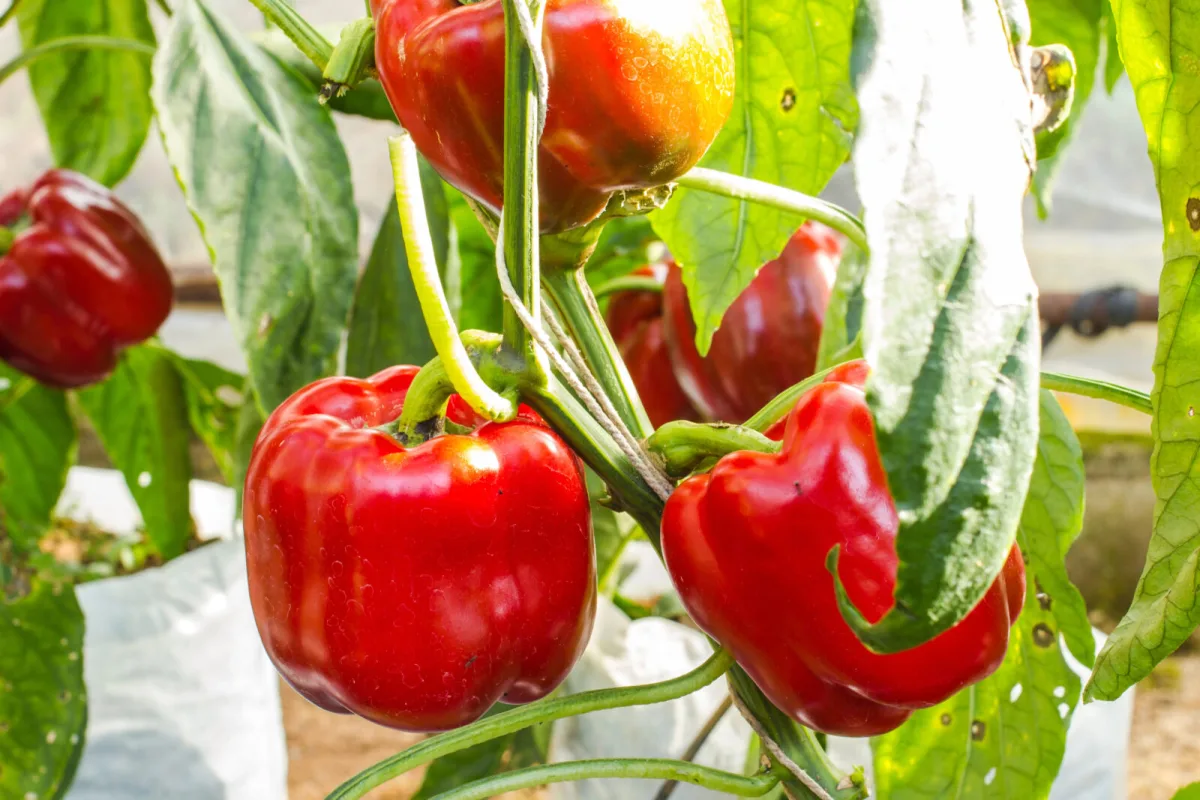
In the greenhouse, a strange thing sometimes happens: peppers have nicely green leaves and look full of life, but there are few flowers and the fruits either don’t form or stay small. Growers often feel at a loss, because at first glance nothing suggests a serious problem. There can be several causes at once. Typically it’s a combination of too much daytime heat with a big temperature swing at night, fluctuating humidity, irregular watering, exhausted growing media, or overall plant stress after the first flush of fruit.
At that point, the question is whether to give the peppers a boost. Some gardeners reach for the pruners, because they’re familiar with a similar intervention on tomatoes. With peppers, though, it’s a debated topic—this is a plant that doesn’t always respond the same way to radical cutting.
What experts usually recommend
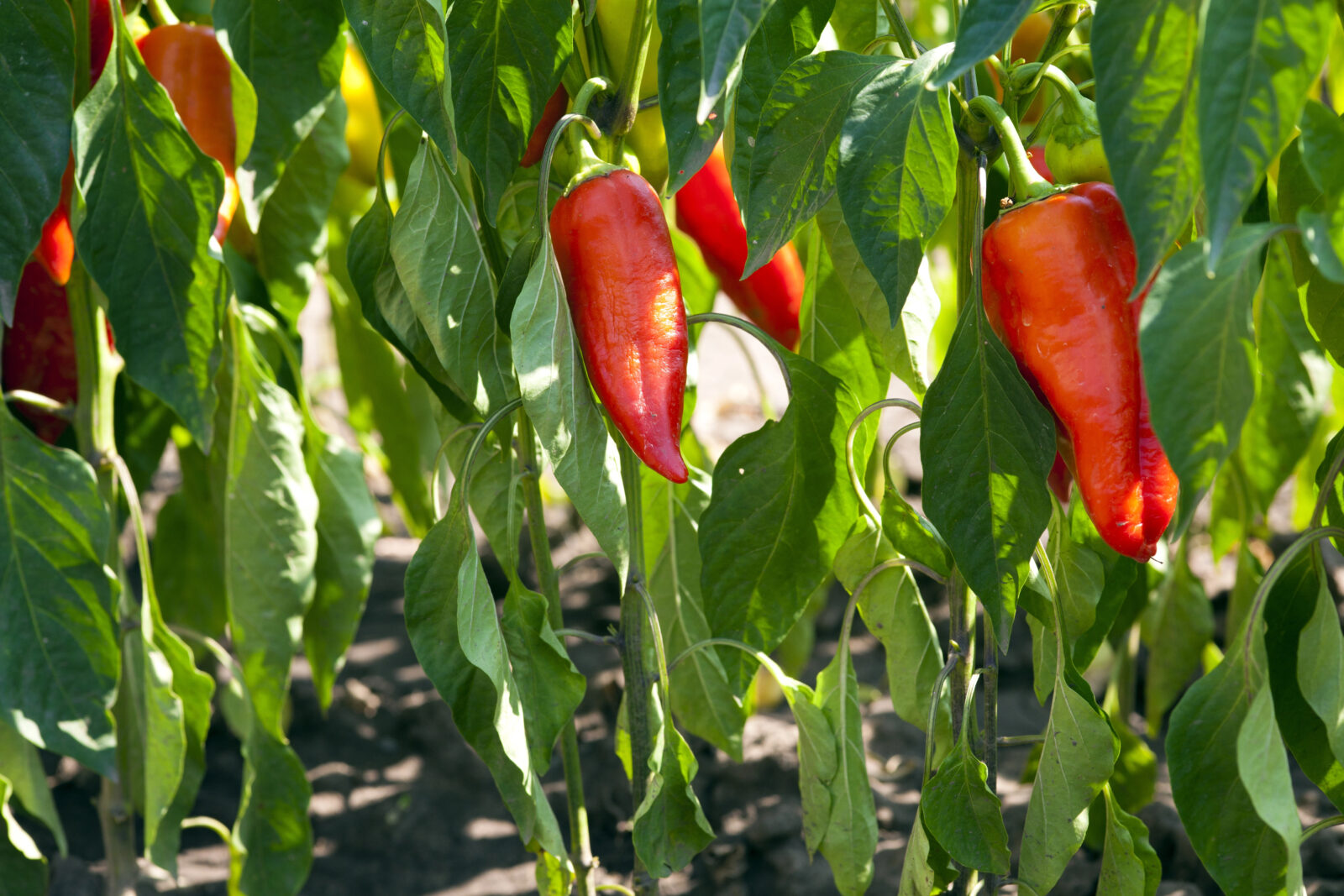
Growing advice generally says that peppers aren’t normally trained and pruned the way fruit trees or some other vegetables are. When growth stalls and yields drop, experts usually look for the problem in the growing conditions. It often helps to improve ventilation and shading, even out watering so the roots aren’t alternating between drought and waterlogging, and top up nutrients according to the plant’s current growth stage.
A sensible step can also be to remove only obviously damaged, weak, or diseased parts, so the plant doesn’t waste energy on shoots that won’t produce quality fruit anyway. By contrast, cutting the entire plant right back isn’t usually considered standard practice.
Grower Marie’s experience goes against the grain
Grower Marie, however, has been doing the exact opposite for years. When, in midsummer, peppers in her greenhouse stop setting fruit and the plants seem to stall, she takes her shears and cuts the plant back to roughly above the first fork. She leaves only the lower part of the stem and a few healthy leaves so the plant still has enough to keep functioning. Right after the cut, the pepper looks pitiful, and many people would feel it’s finished.
Marie says that this kind of rejuvenation is exactly what makes the pepper push strong new shoots. Those then have time to flower again and, under greenhouse conditions, produce a crop right through autumn. In her view, it makes most sense where the season runs longer than outdoors and peppers can fruit until the first harder frosts.
Why a rejuvenation cut can sometimes work
The principle is fairly simple: by removing old, tired shoots, you change how the plant allocates its energy. If, after pruning, the pepper has enough light, warmth, water, and nutrients, it can channel its strength into producing new side shoots. And it’s on these that flowers can appear again, followed by fruit. In practice, it’s said that new shoots can start sprouting from the remaining part within about a week.
However, it’s not a magic trick that works in all circumstances. If the plant has been suffering long-term from poor watering routines, has damaged roots, is battling disease, or the greenhouse is extremely hot with very dry air, pruning alone won’t solve the problem. It can even exhaust a weakened pepper further.
An important warning and when not to try it
It’s only fair to stress that this approach comes from one grower’s experience and isn’t a generally accepted expert method. Results can vary depending on the variety, the plant’s age and condition, the timing of the cut, and how stable you can keep the greenhouse environment. With some peppers, rejuvenation can bring a second wave of fruiting; with others, the response may not come at all or will be weak.
The safest way to view a more radical cut-back is as an experiment—one that can help only when the plant has a real chance to regrow quickly and has ideal conditions for recovery.
If you want to give it a go, it makes sense to start with just one or two plants. You’ll get a direct comparison with peppers you leave untouched, and you’ll quickly see whether the rejuvenated plants really develop into new fruiting shoots. Only then does it make sense to decide whether to use a similar approach on the rest of the planting.
Source: The Spruce, Zahrádkár, Pestrazahrada.cz

A lover of nature, gardens, and everything that moves, blooms, or grows. He literally grows everything, from herbs to rare species, and he enjoys caring for animals just as much. In his work, he connects modern technology with tried-and-tested grandmotherly methods and is happy when both paths lead to the same goal.
Related articles
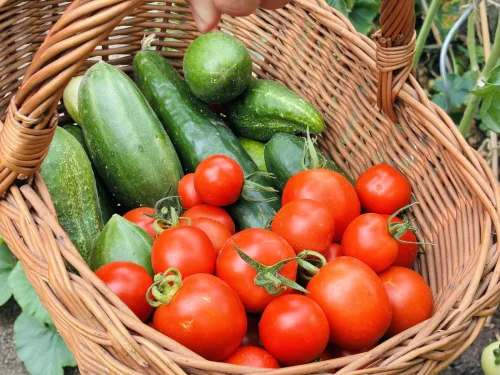
The More Often You Harvest, the Longer Plants Keep Cropping
With fruiting vegetables, frequent picking keeps plants flowering and producing for longer. A few crops, such as aubergines, are tastiest when harvested slightly earlier rather than fully mature.
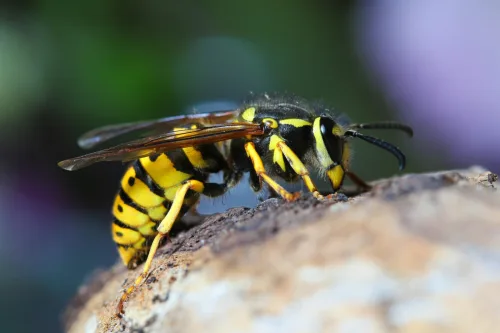
Wasps Aren’t Just a Barbecue Menace They Can Ruin Your Garden Woodwork Too
Weathering isn’t always the main culprit behind damaged outdoor timber. Wasps can scrape fibres from boards and beams surprisingly fast, leaving grooves that soak up water and accelerate decay.
Why hydrangeas wilt in summer even when watered and how to save them fast
Hydrangeas can look limp in hot weather even if you’ve been watering faithfully. The key is to check what’s happening in the root zone, then adjust watering, shade and mulching so the plant can actually use the moisture available.
Comments (0)
Be the first to comment.