
 English
  Polski
  Deutsch
  Nederlands
  Svenska
  Norsk
Norsk  Dansk
Dansk  Français
  Italiano
  Español
  Português
  Slovenčina
  Suomi
Suomi  Gaeilge
 Homemade Spray for Radishes, Lettuce and Kale Against a Sneaky Pest
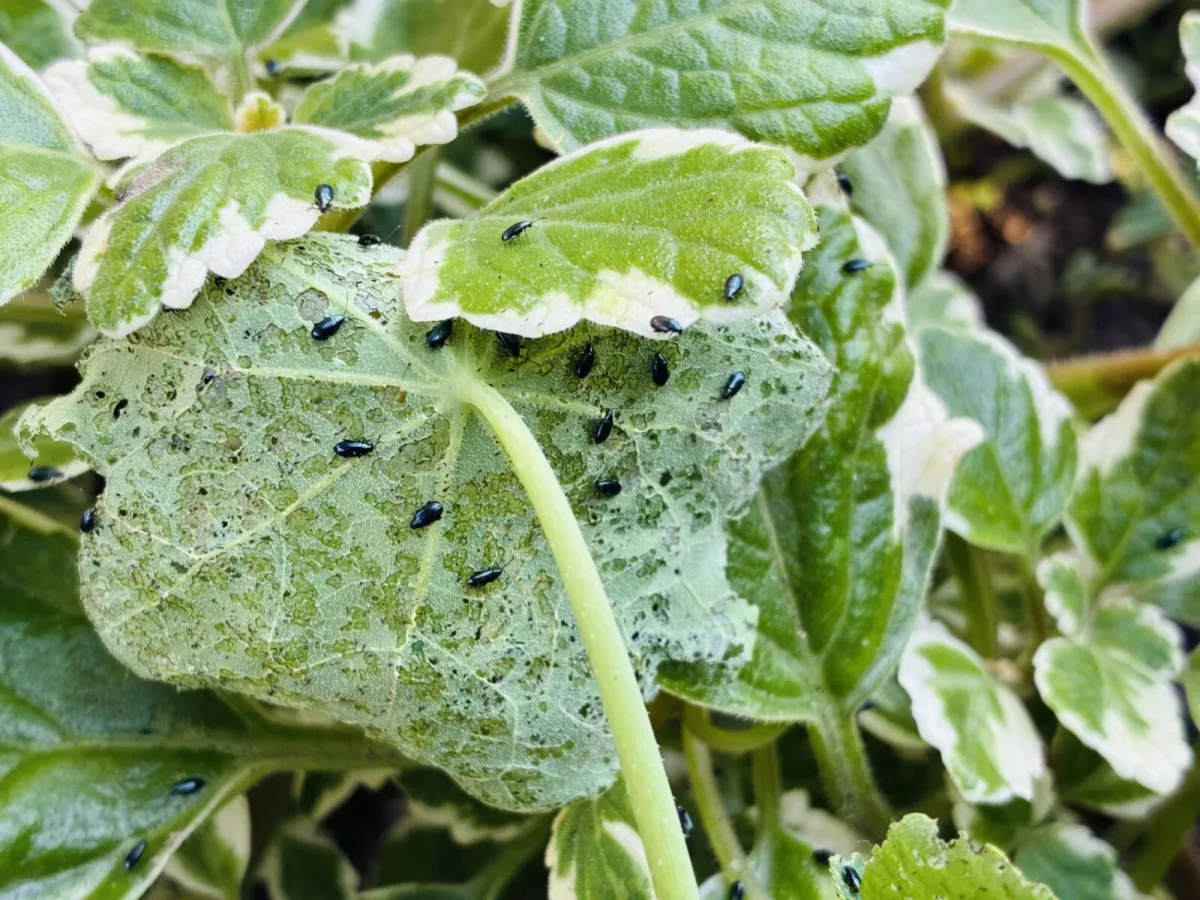
Tiny holes in the leaves of radishes, kale or lettuce are often not caused by slugs or hail, but by flea beetles. These are miniature beetles that can spring away in an instant and disappear, so it’s easy to miss them in the crop. Even so, they can do serious damage in a short time, especially when they go after young seedlings. The biggest risk is on warm, dry days, when flea beetles are most active and aggressively seek out fresh, tender leaves.
The damage isn’t just cosmetic. Chewing away the leaf surface weakens plants, slows growth and reduces photosynthesis. In very young plants, the damage can be so severe that seedlings never recover and die. On top of that, females set up the next generation by laying eggs in the soil near host plants, and the larvae then feed on the roots.
What flea beetles look like and which crops they attack most often
A flea beetle is a small beetle about 1.5 to 3 millimetres long. It’s often dark, sometimes with a metallic sheen, and depending on the species it may have stripes or spots. The hallmark is its flea-like jumping, which helps it escape when disturbed. In practice, that means the pest may be present, but you might not spot it right away when checking the bed.
Most commonly, they target brassicas. This includes radishes, cabbage, kale, broccoli, various types of mustard greens and, for example, horseradish. In some cases they may also show up on lettuces, spinach, balcony planters and, depending on the species, on larger-scale crops such as oilseed rape or cereals.
Signs of infestation that help you identify flea beetles
The damage is quite characteristic. Small round holes appear in the leaves, sometimes with slightly yellow edges. The leaf can look as if it’s been peppered with a needle. Older, larger leaves can sometimes cope, but on seedlings with only a few small leaves, even a modest number of holes can mean severe weakening and stalled growth.
In worse cases, the tiny holes gradually enlarge and merge, leaves yellow, dry out and the plant declines. If the infestation is heavy and hits at the wrong time, flea beetles can wipe out an entire planting in just a few days. That’s why it pays to monitor beds especially in spring and during prolonged dry spells.
Flea beetle species commonly found here
Several flea beetle species occur in gardens and fields. From a grower’s point of view, the key thing to know is that most have a similar lifestyle and cause similar damage, but they differ in preferred host plants and the period of peak activity.
Black flea beetle
It’s among the most common pests of brassicas. It’s glossy black, very small, and often appears on radishes, cabbage and kale. Adults chew holes in the leaves that enlarge over time; leaves may yellow and die prematurely. It lays eggs in the soil and the larvae feed on roots, which further weakens plants overall.
Black-legged flea beetle
It looks similar to the black flea beetle, but differs in body details and darker legs. It’s more often reported in heavier soils with higher moisture. It mainly damages young plants, and the leaf damage is very similar: intense, fine shot-holing.
Cereal flea beetle
This species is more closely associated with cereals and grasses, so it’s more common in fields than in vegetable beds. It tends to be lighter in colour with fine stripes on the wing cases. It mainly damages young leaves, where small holes form, which slows growth and can reduce yield in field crops.
Cabbage flea beetle and field flea beetle
The cabbage flea beetle often appears on cabbage, kale and broccoli. At first it makes tiny holes in leaves that can join into larger openings. The field flea beetle is common in the wider landscape and in fields, prefers sunny, drier sites, and attacks brassica crops and sometimes other plant groups.
Rape flea beetle
It’s best known as a pest of oilseed rape, often causing damage in autumn on young overwintering crops. You can recognise it by its larger size and a golden sheen on the head. Even if you don’t grow oilseed rape, this species can appear on related brassica plants.
What really works against flea beetles
Success usually doesn’t come from one step alone, but from a combination of prevention, quick response and suitable barriers or sprays. Flea beetles are small, fast and start feeding early, so it’s wise to plan protection from sowing and planting.
Prevention that reduces the risk of infestation
Crop rotation makes a big difference. If radishes and other brassicas are grown repeatedly in the same spot, pests can persist there much more easily. It also helps to keep the bed in good condition: hoe regularly, feed sensibly and don’t let the soil dry out for long periods. Flea beetles tend to like dry conditions, so even, regular watering can noticeably reduce pressure.
Mulching can also be useful, as it limits easy access for beetles to the soil and helps stabilise moisture. In practice it’s a simple step that also benefits soil life.
Physical protection with horticultural fleece
One of the most reliable methods is to cover the bed with white horticultural fleece immediately after sowing or planting. The fleece helps maintain a better microclimate and, above all, creates a barrier the beetles can’t cross to reach young leaves. It’s important to weigh down the edges well so pests can’t get underneath, and to water the bed thoroughly after setting up the cover.
Targeted products and sprays for heavy infestations
If numbers are high and plants are at risk, you may not manage without a spray. In practice, insecticides for leaf-chewing pests are used, for example products based on acetamiprid or pyrethroids. When applying, you must follow the label, observe harvest intervals and act promptly, because with small seedlings even a short delay can be decisive.
Tip: Treatment is most effective when you see fresh new holes and flea beetles are active. In infested beds, it makes sense to combine spraying with temporary covering to reduce further influx.
Gentler and eco-friendly protection methods
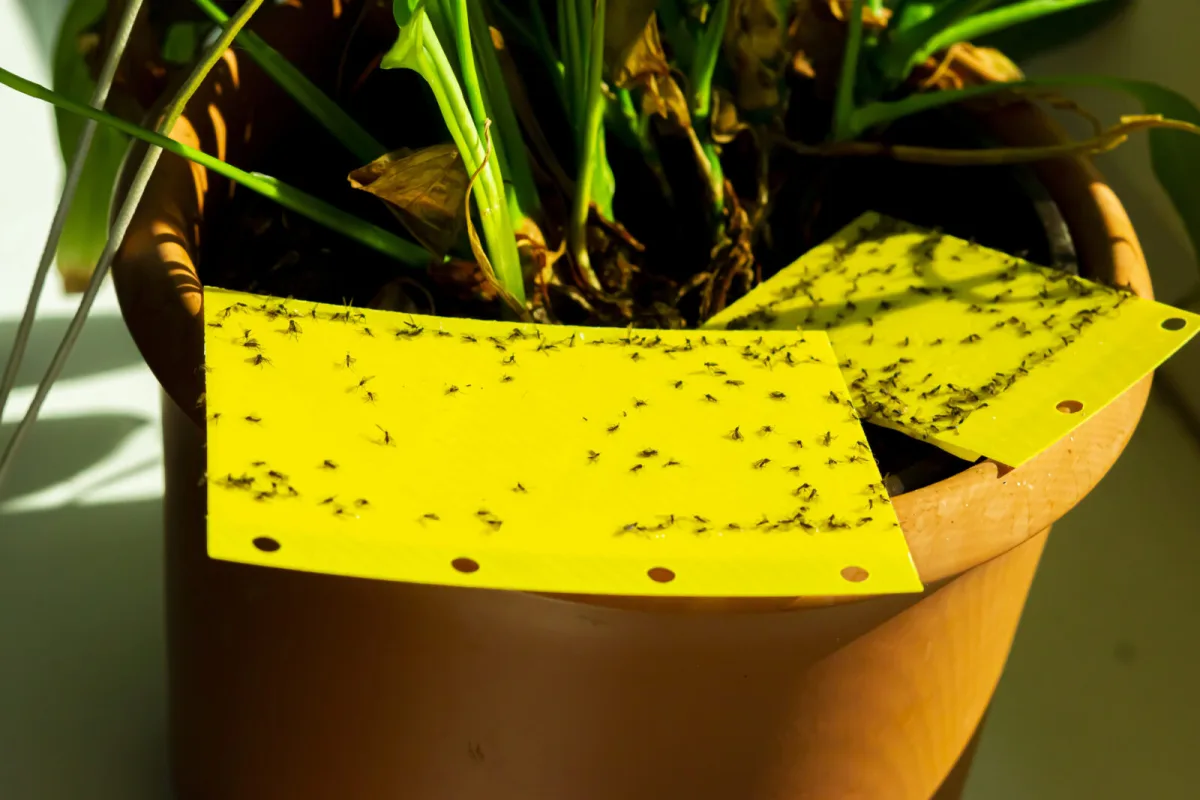
For growers who want to limit chemicals, there are more natural options as well. Neem oil products are commonly used; they act as a repellent and can affect some developmental stages of the pest. Yellow sticky cards or traps are a good addition. Flea beetles are attracted to strong yellow, they get stuck on the adhesive, and these tools reduce the number of adults nearby.
It’s also worth supporting the pests’ natural enemies. Beneficial insects need shelter and undisturbed areas, so insect hotels and a more diverse garden can help. Some aromatic plants are unattractive to flea beetles; dill is often mentioned and can be a useful companion in vegetable beds.
Homemade sprays to try at the start of the season
Homemade sprays are best at the first signs of damage or as a supplement to physical protection. Keep in mind their effect is usually not as strong as targeted products, so regular reapplication is crucial, especially after rain, when the active substances wash off leaves easily.
A nettle steep can be made by soaking fresh nettles in water and leaving them to infuse for several days, then straining and applying to the leaves. A garlic-and-onion infusion is made by crushing garlic and onion in water, then steeping and filtering. You can also use an infusion from rhubarb leaves: pour hot water over the leaves and leave to stand for at least a day, then strain the liquid and use it to treat the crop.
A quick strategy to save young radishes
If you want to minimise losses, a straightforward approach works best. Check leaves regularly right after emergence, keep the bed evenly moist, and as soon as beetles threaten, cover the sowing with horticultural fleece. At the first significant damage, consider adding sticky traps and, depending on the situation, a targeted treatment with a suitable product. Acting quickly is essential with flea beetles, because they do the most harm precisely when plants are most vulnerable.
Source: hubeni-skudcu, Potapnicek , Pestrazahrada.cz
Related articles
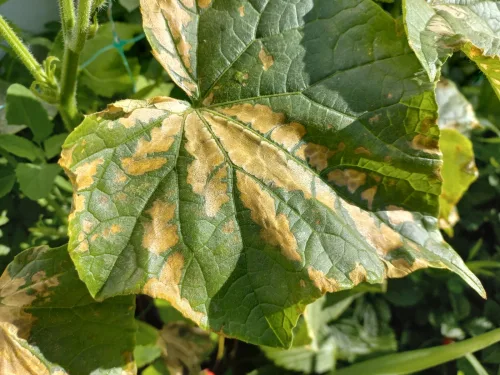
Yellowing cucumber leaves have a clear cause and with the right response plants recover quickly
Cucumber leaves turn pale and yellow when the plant is under stress—most often from watering mistakes, nutrient imbalance, or sudden temperature swings. Spot the pattern early and you can restore growth and protect your harvest fast.
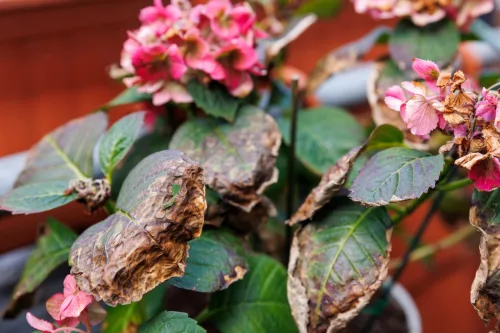
How to Get Browning Hydrangeas Back on Track Without Chemicals
Brown leaf edges or spots on hydrangeas usually point to a simple mismatch in light, watering, or airflow rather than a lost cause. Learn how to read the symptoms and restore your shrub quickly with gentle, practical fixes.
Turn Ground Cinnamon Into a Secret Weapon for Stronger, Tougher Plants
Ground cinnamon isn’t just for baking—it can help protect houseplants and garden plants from mould and fungal issues, support cuttings, and even act as quick first aid for minor wounds. Used lightly, it’s an affordable, gentle, natural add-on to good growing practice.
Comments (0)
Be the first to comment.