
 English
  Polski
  Deutsch
  Nederlands
  Svenska
  Norsk
Norsk  Dansk
Dansk  Français
  Italiano
  Español
  Português
  Slovenčina
  Suomi
Suomi  Gaeilge
 Blue Hydrangeas Aren’t a Fluke They’re the Result of Long Term Care
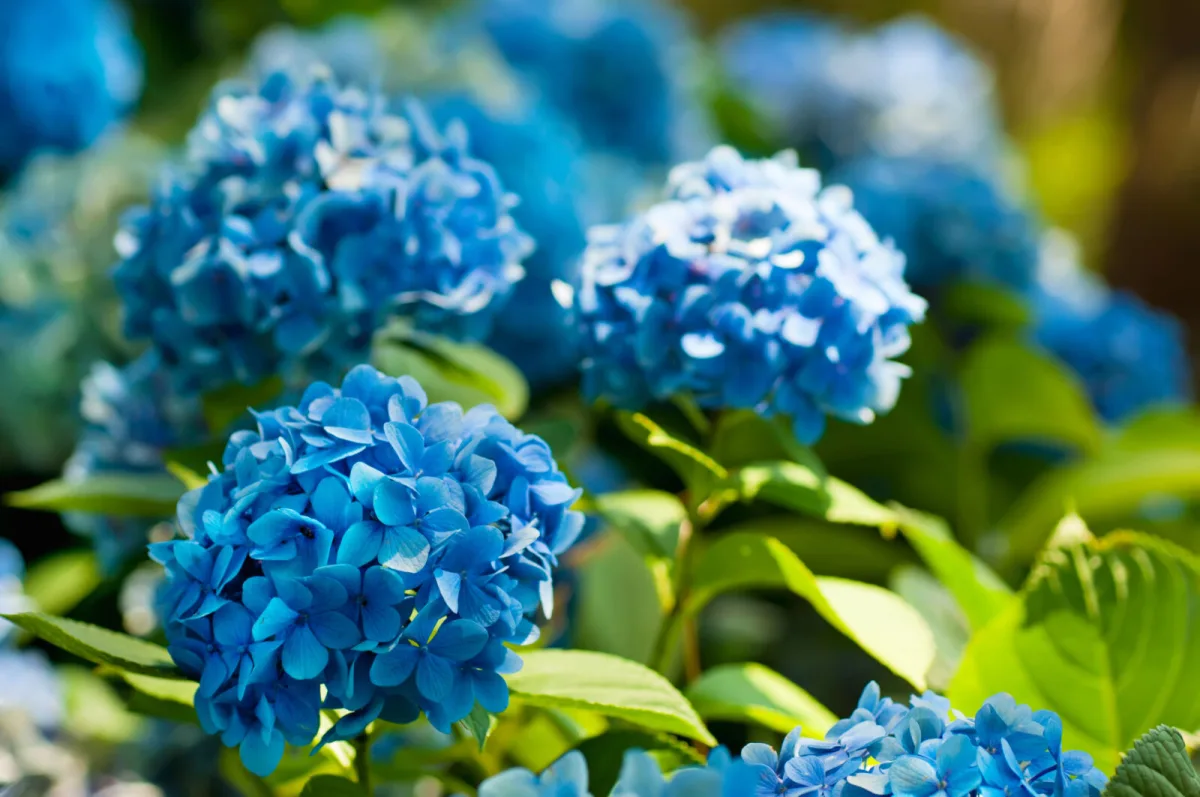
Hydrangeas are among the most popular ornamental shrubs because they can produce generous flower heads and look wonderfully showy in one spot. But many growers wrestle with one question: how to make them bloom blue instead of pink. The good news is that with certain types it’s possible—you just have to start with the basics. The plant needs to be in good shape, with no signs of stress, and grown in conditions that suit it. Only then does it make sense to adjust things so the flower colour truly changes.
Where hydrangeas came from and why they’re so popular
Hydrangeas originate in Asia, especially Japan, where they were grown long ago in gardens designed for ornamental impact. They gradually reached Europe via China and quickly gained popularity thanks to their striking blooms, which can be mophead-round or flatter lacecap forms and often look lavish. This ability to shift flower colour depending on conditions is one of the reasons people are so fascinated by them.
What determines whether the flowers will be pink, white, or blue
Flower colour is largely determined by the soil reaction—its pH. In acidic conditions, hydrangeas tend towards blue tones; in more alkaline soil, they readily shift pink. In more neutral soils, pale to whitish shades are common. If your care changes over time—for example, you start adding different materials to the soil or watering with water that gradually pushes the soil in another direction—the flower colour can subtly change even without you intending it.
The old sock trick that can help bring out blue
One simple way to help hydrangeas develop bluer flowers is to use an infusion made from fertiliser intended for acid-loving plants, typically rhododendrons. The practical reason is straightforward: this type of fertiliser supplies nutrients while also helping keep the soil more acidic, which is crucial for blue colouring.
You’ll need an old sock to pour the fertiliser into. Tie the sock securely and leave it to soak overnight in a container of water so the useful compounds leach into the water. In the morning, water the hydrangea with this infusion, ideally right at the root zone. The effect usually isn’t immediate, so it’s a good idea to repeat the process after a few days and watch how the plant responds. The change is linked to gradually acidifying the soil, which the hydrangea can answer by shifting flower colour towards blue.
What to watch out for so the blue colour doesn’t disappear
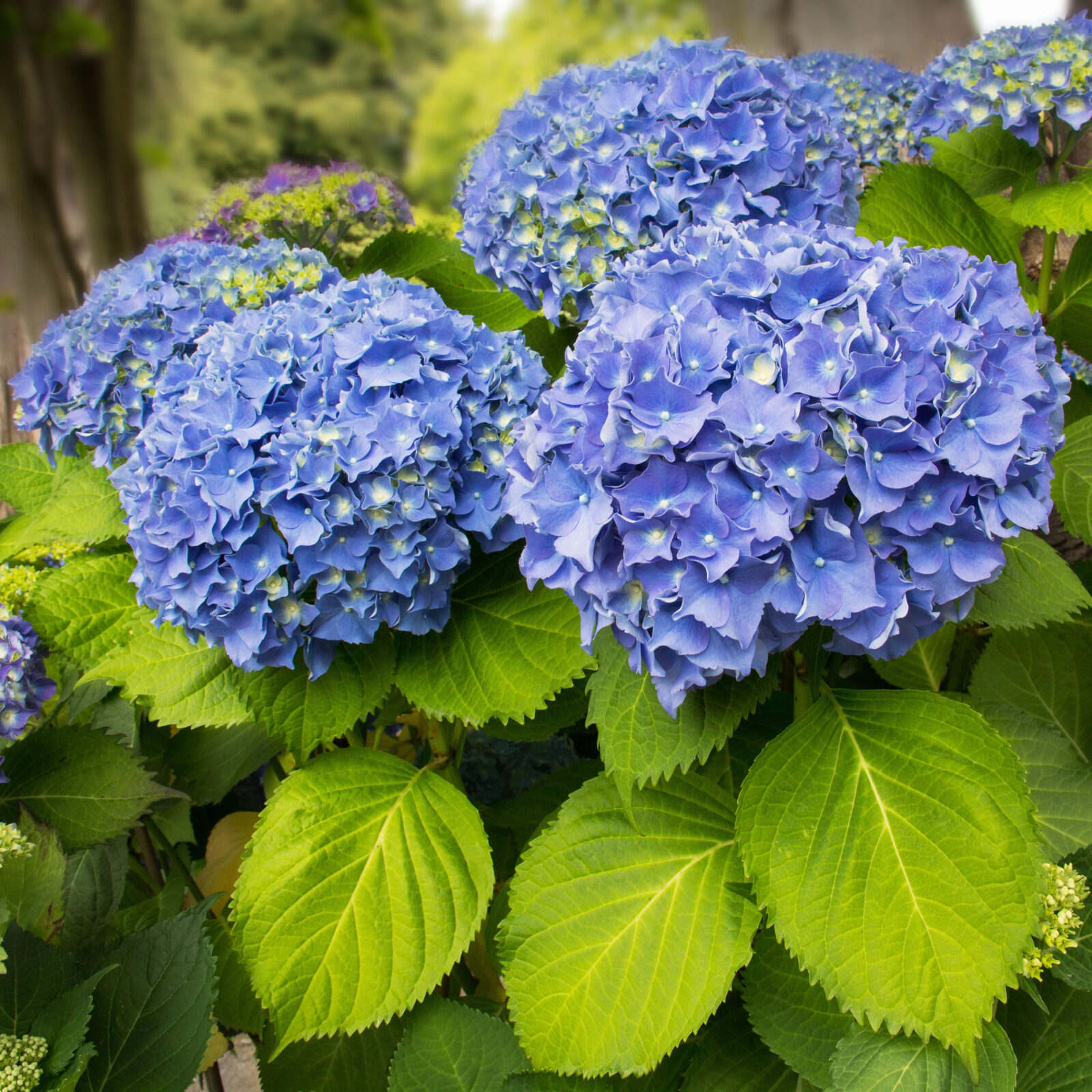
If you manage to achieve bluer flowering, it’s wise to avoid steps that push the soil towards more alkaline values. A common issue is regular feeding with compost, which often shifts soil reaction in the opposite direction from what you need. Frequent watering with tap water can have a similar effect, especially if your local water is hard. The result is a gradual pH change and the flowers drifting back into pink shades.
How to keep blue hydrangeas long term
If you want to stop hydrangeas reverting to pink unnecessarily, it pays to work with the soil continuously rather than as a one-off. Mixing in leaf mould can help—both from deciduous and coniferous trees—because as it breaks down it supports the conditions you’re aiming for. It’s also practical to continue occasional watering with the sock-made infusion if it suits you and the plant responds well.
Another option is regular applications of alum, which is used in horticulture specifically to encourage blue colouring in hydrangeas. Some growers also use coffee grounds because they can mildly acidify the soil. The key is to proceed gently, avoid overdoing the amounts, and always watch whether the plant stays healthy and grows well. Stable flower colour is the result of long-term, balanced conditions—not a single quick fix.
Source: Epic Gardening, Merkur, Gardening Know How, Pestrazahrada.cz

A lover of nature, gardens, and everything that moves, blooms, or grows. He literally grows everything, from herbs to rare species, and he enjoys caring for animals just as much. In his work, he connects modern technology with tried-and-tested grandmotherly methods and is happy when both paths lead to the same goal.
Related articles
Why the Tree That Feeds a Family for Generations Is Disappearing from Czech Gardens
The English walnut used to be a staple of larger gardens and farmyards, valued for its nutritious nuts and many practical uses. With the right site and variety, it remains one of the most rewarding long-lived trees you can plant.

How to Get Rid of Mice and Rats in the House, Loft and Garden Effectively
Mice and rats don’t leave quietly—scratching sounds, droppings and gnaw marks are clear warnings. A lasting solution comes down to three steps: block entry points, remove food sources, then use traps or professional control.
Two Mistakes When Harvesting Onions Can Cut Your Supply by Months
With good growing and the right handling, onions can turn into a near year-round pantry staple. These simple harvest and curing steps determine whether they keep for weeks or for months.
Comments (0)
Be the first to comment.