
 English
  Polski
  Deutsch
  Nederlands
  Svenska
  Norsk
Norsk  Dansk
Dansk  Français
  Italiano
  Español
  Português
  Slovenčina
  Suomi
Suomi  Gaeilge
 Bean Flowers Dropping in Hot Weather What to Do to Restore a Heavy Pod Set
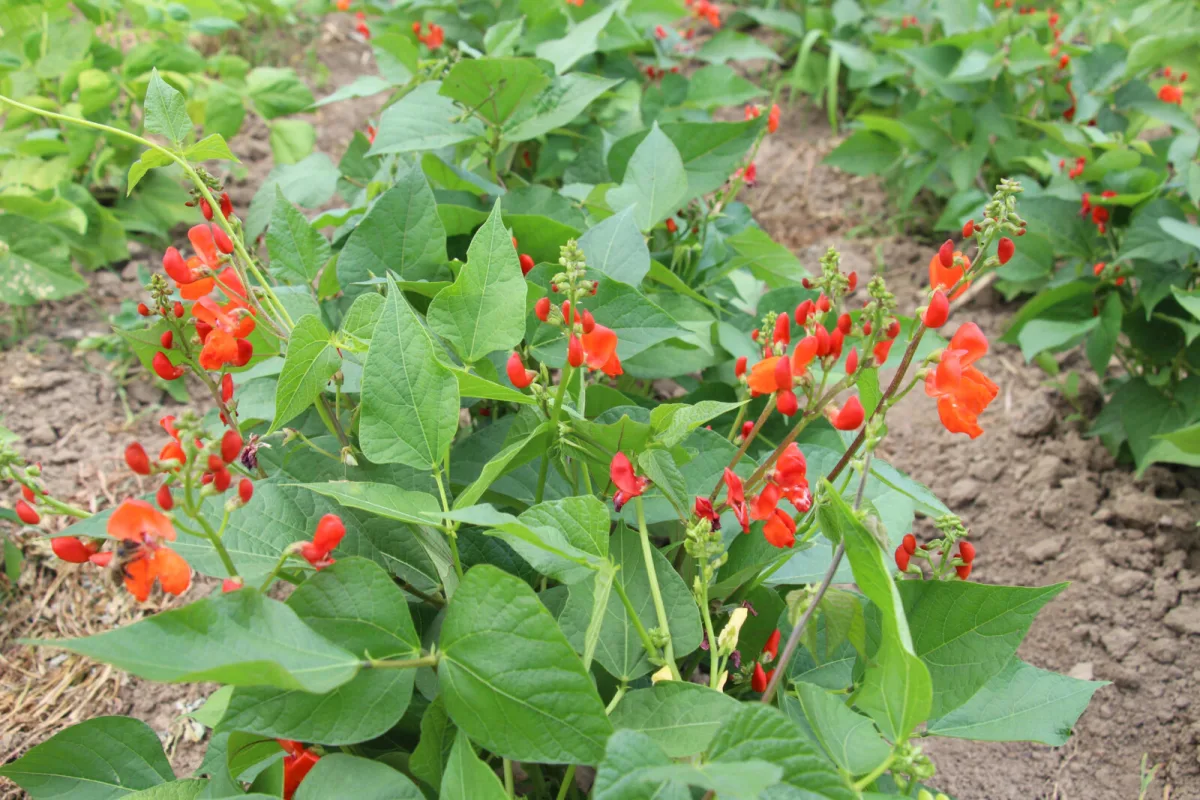
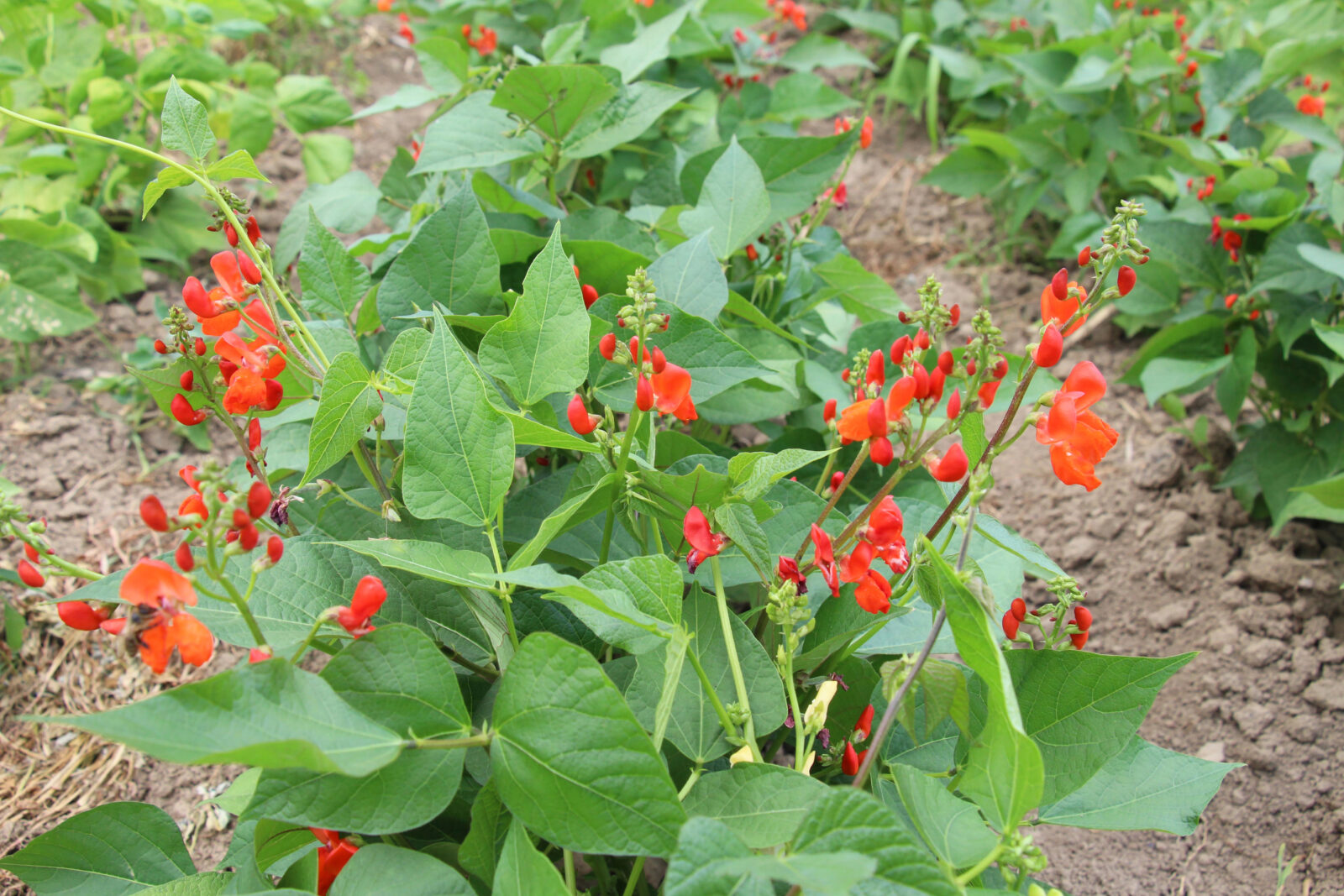
The situation is frustrating for gardeners: beans flower profusely, but no pods form under the leaves and more and more blossoms end up on the ground. In most cases it’s neither disease nor insect damage. It’s the plant’s response to heat stress. Common bean is especially sensitive to the combination of high temperatures and lack of moisture. As soon as it’s pushed out of its comfort zone, it starts conserving water and energy and sheds flowers instead. The important point is that this often isn’t the definitive end of the harvest. After a cooldown and with more consistent watering, beans can get going again and start setting pods.
Night-time temperatures above 20 °C matter more than midday heat
Many people watch the afternoon highs, but with beans the bigger issue is often warm nights. When temperatures after dark don’t drop much below about 20 °C for an extended period, pollen can be damaged before the flower even develops normally. Beans are also mostly self-pollinating, with fertilisation happening inside the bud. If the pollen is non-viable at that stage, neither pollinators nor attempts at hand pollination will help.
The biggest losses occur when hot days, muggy nights and dry soil hit at the same time. The plant then not only stops forming new pods, it may also abort tiny pods that have only just set. From the plant’s perspective it’s logical: a poorly developing pod would consume water and nutrients with no guarantee it will produce seeds. The priority is survival and waiting for a better spell.
It’s becoming an increasingly common issue in Czech gardens
Tropical weather is no longer a rare episode once every few years. In lowland areas, in cities, and in spots surrounded by walls, paving or concrete, heat lingers through the night. Those are exactly the gardens where beans struggle most in August, because the plants don’t get the night-time relief they need for successful pollination.
What’s truly lost and what can still be recovered
Flower drop usually means you’ve mainly lost the flush of bloom that coincided with the worst heat. The same goes for small pods that started to form but were shed in hot, dry conditions. However, if the plants are otherwise healthy, they often still have enough vigour to produce more flowers. Once nights cool to roughly below 20 °C and daytime highs fall somewhere under 30 to 32 °C, the chances of new fertilisation rise sharply.
In practice, that often means a delayed and lighter harvest rather than none at all. In late summer and early autumn, beans can start producing again if they have enough moisture and aren’t pushed into further stress.
Watering, mulch and short-term shade as a rescue plan
Heat alone is a problem, but drought turns it into a crisis. With enough water, the plant cools itself through evaporation and the leaves don’t overheat as quickly. When moisture is lacking, stomata close, tissue temperature rises and flowers become even more fragile. The foundation is therefore even watering that wets the soil to a depth of about 15 to 20 cm. It’s best to water in the morning, ideally by 9 a.m., because evening watering can encourage fungal diseases.
On light sandy soils you’ll usually need to water more often in smaller amounts; on heavier loams, less often but more thoroughly. The key is to avoid frequent surface sprinkling, which only moistens the top centimetres and leads to shallow rooting. A mulch layer about 5 to 8 cm thick also helps, for example straw, grass clippings or wood chips. It lowers soil temperature, slows evaporation and evens out moisture swings.
On extreme days, when temperatures climb well above 35 °C, short-term relief can also come from temporary shading with a light shade cloth. This shouldn’t be permanent shade, but an emergency measure for a few days until the heatwave passes.
What to avoid so flowering doesn’t get even worse
A common mistake is to feed with nitrogen in an attempt to spur the plants on. In hot weather, though, excess nitrogen encourages lush leafy growth and delays flowering and pod set. During stress it’s better to focus on water, steady conditions and calm growth than on trying to force a quick catch-up in green growth.
Late sowing and choosing more heat-tolerant varieties for future years
If it’s early August and a bed is free, in warmer areas you can sometimes still squeeze in a quick-growing bush bean. But you need to factor in that it typically takes about 45 to 60 days to harvest, so you’re right on the edge of late September into October. In cooler areas, or where early frosts arrive soon, it’s a significant risk. Pole beans usually have a longer growing season, so in Czech conditions they’re only rarely suitable for August sowings.
For next season, it pays to look for cultivars with genuinely proven tolerance to high temperatures. Heat tolerance isn’t just a marketing phrase; in some varieties it’s tested and in practice means a more reliable pod set during tropical nights. While pole beans often crop for longer and can be more resilient to stress, what really matters is the specific variety and the conditions in your particular garden.
Tomatoes and peppers often have a similar issue
Dropping flowers in hot weather isn’t limited to beans. Tomatoes and peppers react in much the same way, with high temperatures disrupting pollination and fruit formation. In tomatoes it shows up as empty flower trusses; in peppers as missing or misshapen fruits. The remedy is very similar: adequate water, mulch, reduced stress and patience until cooler nights return.
Beans aren’t a lost cause, they just need steadier conditions
Plants that are shedding flowers now often still have a chance to produce another flush of pods. Even watering, protecting the soil with mulch and the natural cooling that brings night-time temperatures back below the stress threshold will all help. If you don’t get in their way with unnecessary interventions and you give them time, a large proportion of plants can recover and at least part of the crop will return.
Source: Savvy Gardening, Ideal Home, Pestrazahrada.cz

A lover of nature, gardens, and everything that moves, blooms, or grows. He literally grows everything, from herbs to rare species, and he enjoys caring for animals just as much. In his work, he connects modern technology with tried-and-tested grandmotherly methods and is happy when both paths lead to the same goal.
Related articles
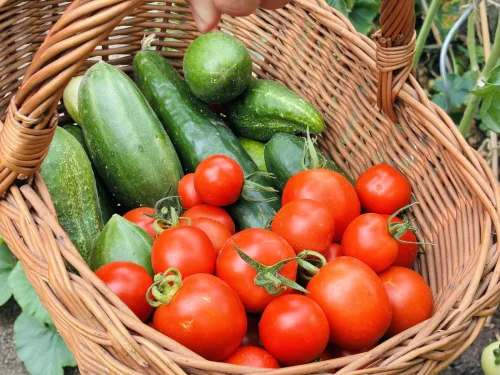
The More Often You Harvest, the Longer Plants Keep Cropping
With fruiting vegetables, frequent picking keeps plants flowering and producing for longer. A few crops, such as aubergines, are tastiest when harvested slightly earlier rather than fully mature.
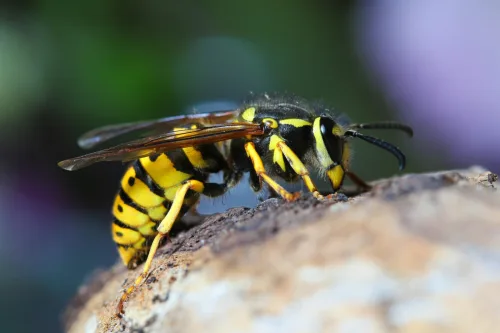
Wasps Aren’t Just a Barbecue Menace They Can Ruin Your Garden Woodwork Too
Weathering isn’t always the main culprit behind damaged outdoor timber. Wasps can scrape fibres from boards and beams surprisingly fast, leaving grooves that soak up water and accelerate decay.
Why hydrangeas wilt in summer even when watered and how to save them fast
Hydrangeas can look limp in hot weather even if you’ve been watering faithfully. The key is to check what’s happening in the root zone, then adjust watering, shade and mulching so the plant can actually use the moisture available.
Comments (0)
Be the first to comment.