
 English
  Polski
  Deutsch
  Nederlands
  Svenska
  Norsk
Norsk  Dansk
Dansk  Français
  Italiano
  Español
  Português
  Slovenčina
  Suomi
Suomi  Gaeilge
 A Brown Lawn Doesn’t Mean a Dead Lawn and Watering Is Often Unnecessary
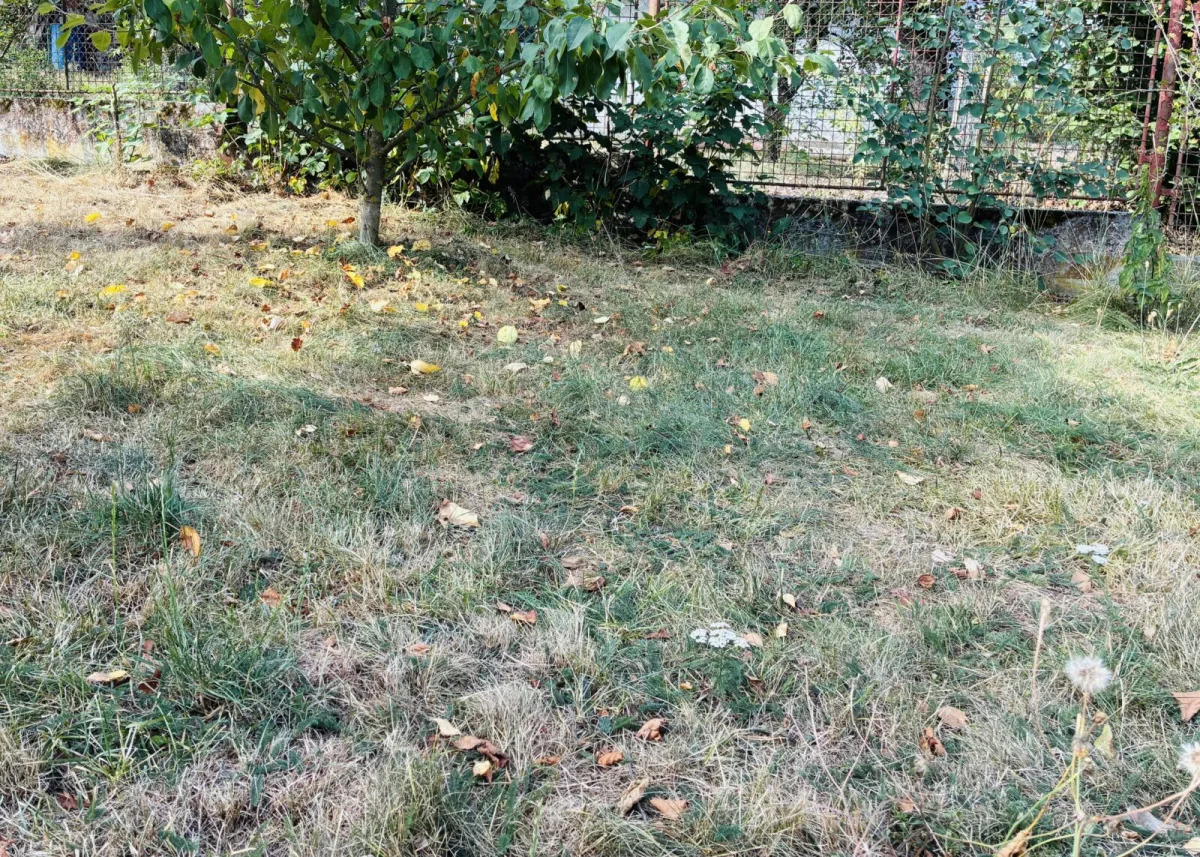
During hot summer weeks without rain, a lawn often turns brown and almost stops growing. It can look like a serious problem, but in most cases it’s a natural protective response. The above-ground part of the blades may dry back, while the roots of an older, well-established lawn usually remain alive. Once regular rainfall returns, the grass typically shoots again and gradually greens up.
Resilience, however, is strongly influenced by the type of lawn. Closely mown ornamental lawns made up of fine grasses tend to be more sensitive to drought. Typical family lawns with a higher proportion of fescues usually have a more robust root system and cope better with weather swings.
A brown lawn in summer often doesn’t mean a dead lawn. In many cases it recovers after rain without any intervention.
What to do during drought
Adjust mowing to the conditions
As soon as the soil starts to dry out, grass growth slows. At that point it makes sense to mow less often and raise the cutting height. Longer blades shade the soil surface better, reduce evaporation, and indirectly encourage deeper rooting. By contrast, cutting too low in hot weather weakens the grass and increases the risk of damage.
If growth stops completely, it’s better to pause mowing for a while. You avoid stressing the lawn unnecessarily and it can wait out the return of moisture more easily.
Leaving clippings as a protective layer
In dry weather it often pays to leave fine clippings on the lawn. They act as a light mulch that helps retain moisture near the surface and also returns some nutrients to the soil. The key is that the clippings are short and spread evenly; otherwise they can smother the grass and create damaged patches.
Water only in exceptional situations
With an established lawn, watering usually isn’t worthwhile even when it’s completely dry and brown. After the first decent rains it typically regenerates on its own, without wasting drinking-quality water. Water is only worth using when it’s genuinely necessary, most commonly for a newly seeded lawn or freshly laid turf that hasn’t rooted deeply enough yet.
If you do have to water, prioritise rainwater collected in barrels, or non-potable water where it’s safe and appropriate. This approach is more considerate and also helps reduce mains water use.
How to restore a lawn after drought
The best time for repairs usually comes in autumn after a dry summer. The soil is still warm, but the heat is no longer intense, so grass germinates and roots more reliably. Thin areas are worth overseeding, ideally with a mix intended for drier conditions. Where damage is severe, you may need a local turf patch repair or to replace sections of the lawn.
After drought, it sometimes happens that moss or weeds establish more quickly once rain returns, especially if the lawn was already weakened beforehand. It isn’t always a disaster, because some mixed-in plants can keep an area greener even in tough periods. But if you want to bring the lawn back to its original condition, it’s sensible to plan any intervention carefully.
In autumn after drought, it’s best to avoid harsh chemicals. It’s better to leave fertiliser applications or selective weedkillers until spring, when both the grass and unwanted plants are actively growing and the treatment is usually more effective and safer for the lawn.
Prevention and preparing for future droughts
The most drought-tolerant lawn is one that’s been in good condition for a long time. That means a dense sward, regular care, and above all roots that can grow deep. Ongoing aeration and removing thatch help, because thatch can block water and air from reaching the roots. When the soil has a better structure, it manages moisture more effectively and the lawn bounces back faster after stress.
In early summer, it can be helpful to switch to a gentler mowing regime and mulch more often with fine clippings. If you’re considering a new mower, it makes sense to choose a model that mulches well so the fragments are as fine as possible and don’t sit in clumps.
Let the grass grow and consider a more natural look
It’s worth thinking about whether the lawn really needs to be kept short all the time. Longer grass tends to be more resilient, handles moisture better, and can be more stable during heatwaves. At the same time, meadow flowers and bulb plants may appear, increasing diversity and often being well adapted to dry conditions.
A practical approach is to reduce mowing for a period in spring. When the grass is allowed to grow for several weeks, it strengthens the roots and also lets plants flower that are beneficial for pollinators. You can then start mowing again as needed, or leave part of the area taller until later in summer, which can improve resilience during drought.
Possible lawn alternatives in the driest spots
If some parts of the garden regularly overheat and the lawn struggles there, it may be sensible to consider alternatives. Permeable paving, a gravel area, a bed planted with drought-tolerant species, or groundcover plants can all work well. In these places you often end up with a more stable, lower-maintenance solution than repeatedly overseeding grass.
Establishing a new lawn with drought in mind
If you want to establish a new lawn, the key is for it to have time to strengthen before summer. Sowing often works best around late September, when the soil is still warm for quick germination and there’s enough time to form a usable root system before winter. Spring sowing is possible, but it needs to be done early and you have to allow for the fact that young grass will need regular watering in summer.
Laying turf is usually suitable from autumn through winter up to March, as long as the soil isn’t waterlogged or frozen. Turf already has formed roots which, given sufficient moisture, quickly knit into the base and start growing deeper—crucial for surviving summer drought.
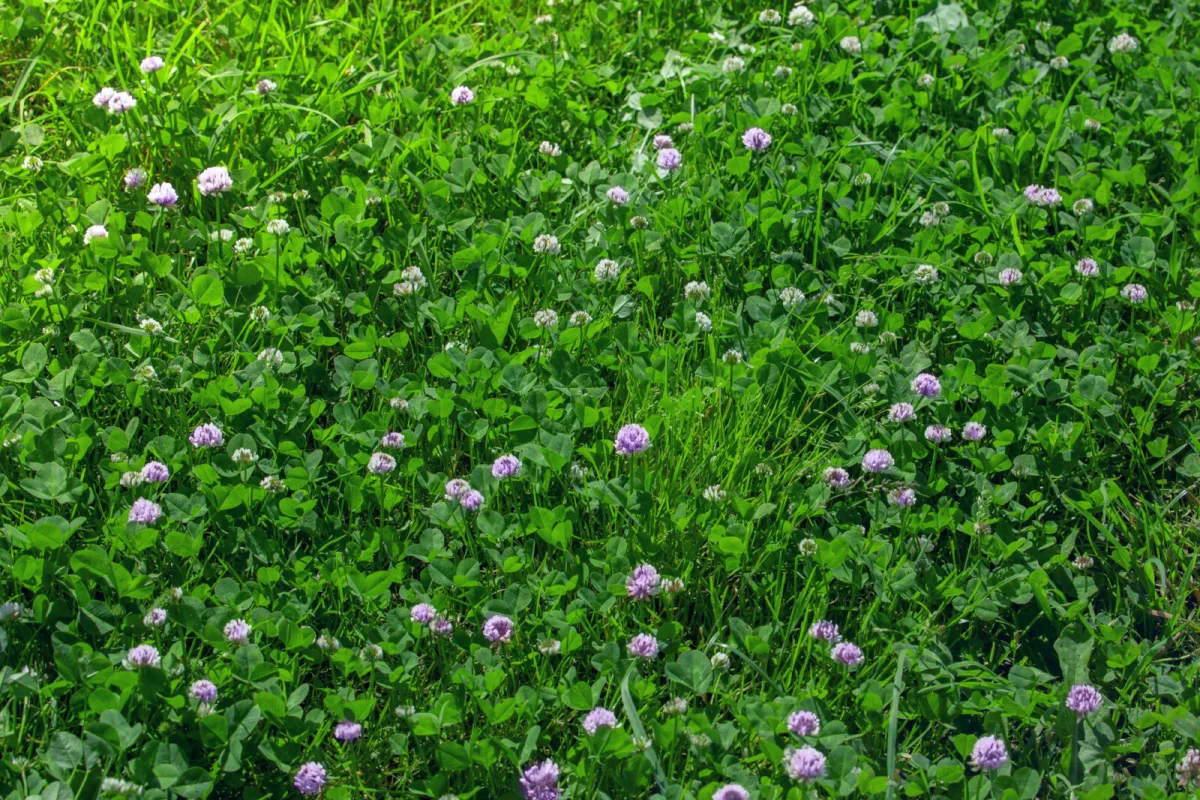
The choice of mix also matters a great deal. For drier conditions, choose seed or turf with a higher proportion of tougher grasses, typically fescues. Sometimes additions are used in mixes too, such as small-leaved, compact clovers that can improve resilience and stability of the sward. With these options, you may need to seek out specialist suppliers.
Before sowing or laying turf, careful soil preparation is well worth it. Working in organic matter, such as well-rotted compost, improves structure, increases moisture-holding capacity, and creates an environment where roots can penetrate deeper more easily.
When drought damages the lawn more than usual
If the lawn doesn’t recover after rain returns, it’s likely the problem was in the underlying soil. Compacted, poor, or badly draining soil leads to shallow rooting, and then grass fails quickly in drought. An autumn renovation in this situation is a chance not only to overseed or lay new turf, but above all to significantly improve the soil by adding a larger amount of organic matter. That way, the new sward will be more resilient and will cope more easily with dry spells in future seasons.
Source: Rhs, Grounds Guys , Pestrazahrada.cz
Related articles

An Orchid That Only Grows but Won’t Bloom Has Three Common Causes You’ll Never Fix with Fertiliser
If your orchid looks healthy but refuses to bloom for months, the cause is usually not a lack of fertiliser. Light, watering habits, and temperature patterns are far more often to blame.
Winter is crucial for raised beds and most people skip the pest prevention step
Your raised beds don’t go dormant just because winter arrives. A few quick, well-timed tasks now will protect the soil, discourage pests, and set you up for a smoother, more productive spring.
When to Mow the Lawn for the Last Time Before Winter
There’s no universal date for the season’s final mow—your lawn and the weather will tell you. Time it just ahead of hard frost and leave the grass slightly higher to help it overwinter healthier and bounce back faster in spring.
Comments (0)
Be the first to comment.