
 English
  Polski
  Deutsch
  Nederlands
  Svenska
  Norsk
Norsk  Dansk
Dansk  Français
  Italiano
  Español
  Português
  Slovenčina
  Suomi
Suomi  Gaeilge
 Three simple steps can save balcony tomatoes even in midsummer heat
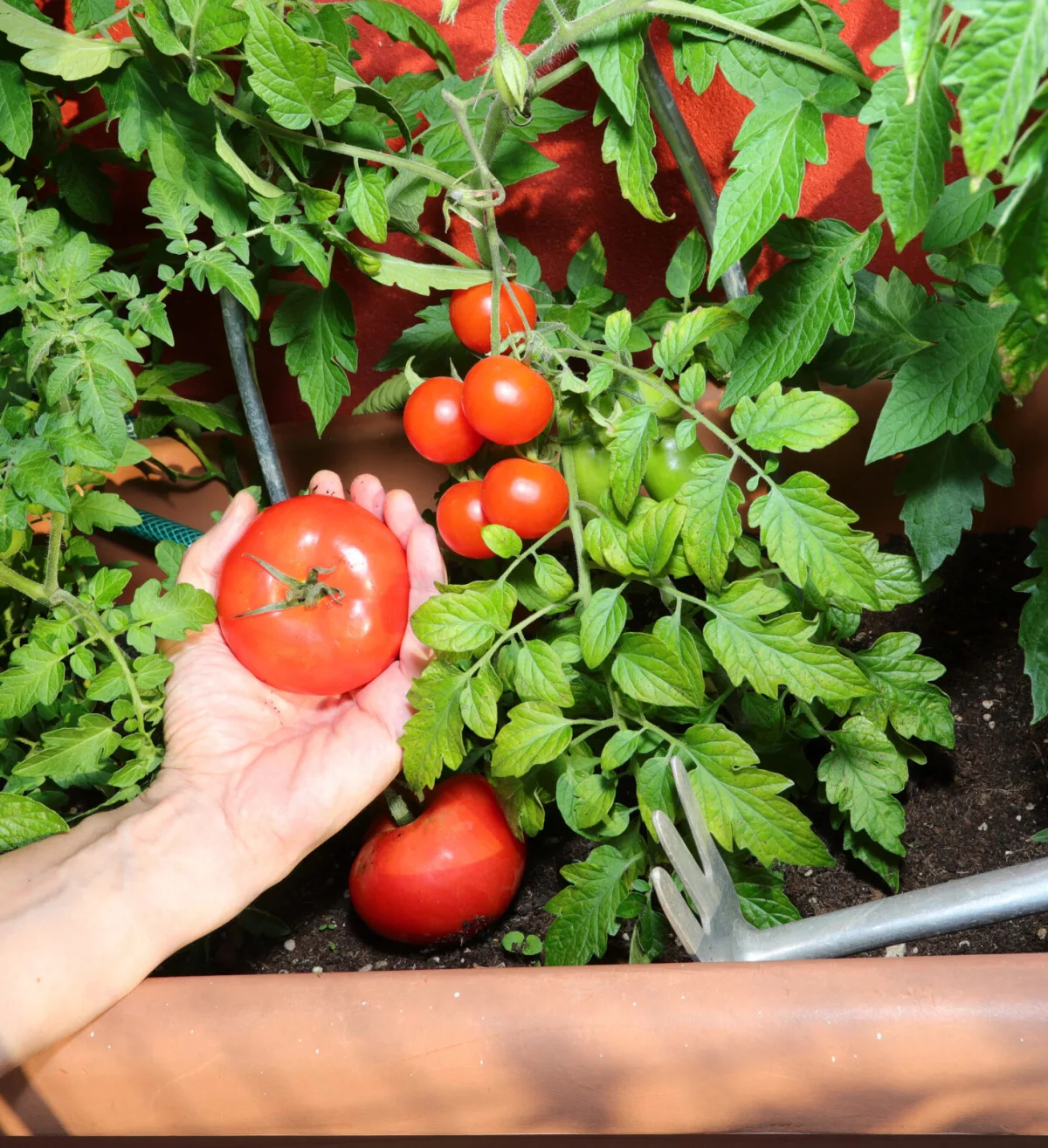
Tomatoes aren’t overly fussy vegetables, and one big advantage is that they don’t need an in-ground bed. They do very well in portable containers on a balcony or terrace, or in a window box on the sill. Even so, it can happen that they’re not thriving this year, the plants are struggling and there are few fruits. Most often it’s no mystery at all, just a combination of an unsuitable variety, a pot that’s too small, poor compost, or watering that isn’t dialled in. Once you put those things right, tomatoes can pick up quickly during the season and reward you with a decent harvest.
Bush and cordon tomatoes have different needs
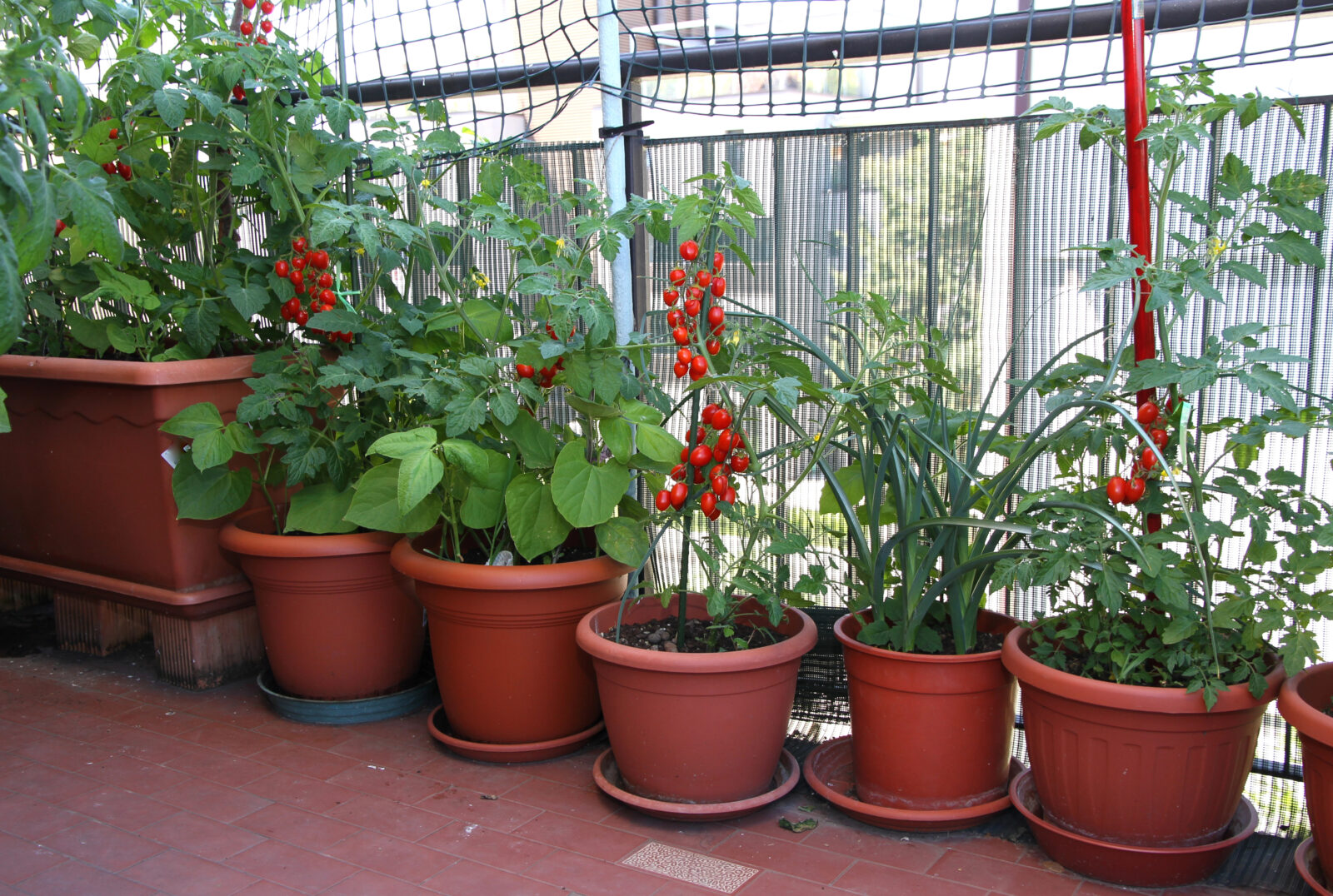
The first step is to be clear about what type of tomato you’re growing. Bush tomatoes are usually more compact, less demanding on space and very willing to grow in containers. In practice, a standard plant pot that comfortably fits the young plant is often enough, roughly around 20 cm in diameter. That’s why bush varieties are so often grown in window boxes, balcony planters or even hanging baskets, where they save space.
Cordon tomatoes, on the other hand, need significantly more root room. If they’re in a shallow container, they soon hit their limit, the plant feeds itself less well, dries out faster and crops poorly. For cordon varieties, plan on a genuinely deep pot, ideally at least 30 cm. A deeper container is the safer choice because the root system has room to grow and the plant copes better with weather swings and watering fluctuations.
Rich compost and feeding decide the outcome
In a container, a tomato can’t pull nutrients from the surrounding soil as it would in a bed, so the quality of the compost and regular feeding are crucial for success. You need a growing medium that’s nutritious and holds onto nutrients for the long term, but doesn’t become waterlogged. Traditionally, excellent results come from well-rotted farmyard manure, because it gives the compost strength and supports lush growth and good fruit set.
If you don’t have manure available, you can tackle it more simply. Finely chopped grass mixed into the compost can help. As it breaks down, it warms up and gradually releases nutrients, supporting healthy growth in much the same way as classic organic feeding. The key is to make sure the plant has something to draw on through the season, because in containers the nutrient reserve is used up much faster than in the ground.
Correct watering without blight and split fruit
Tomatoes need plenty of moisture, but they hate waterlogging and erratic watering. If you give too much water, you risk fruit splitting and ruining the crop. If, on the other hand, you regularly let the compost dry out completely, the plant becomes stressed and fruits may stay small or develop poorly. The best approach is consistency and a sensible amount adjusted to temperature and container size.
Just as important as volume is watering technique. Don’t pour water over the leaves, because wet foliage that dries slowly encourages fungal diseases, especially when temperatures drop. Water directly at the roots and, if you can, aim for the morning. The plant then manages water better and leaves dry more quickly during the day, reducing disease risk.
A bucket or sturdy bag as a low-cost growing container
You don’t need expensive containers to grow cordon tomatoes. Many growers do well with an ordinary bucket, or even a strong plastic bag that will hold compost without tearing. For a bag, a volume of around 30 litres works well. The crucial thing is to make several holes so the compost inside doesn’t sweat and start to mould. It’s not only about drainage, but mainly about allowing the growing medium to breathe.
With a bucket, holes are important primarily for draining excess water. You can also grow in a smaller bucket, say around 10 litres, but you need to factor in that such a container dries out faster. That means more frequent watering and more careful topping up of nutrients. Still, if you regularly give the plant what it needs, a tomato can grow and crop even in a smaller volume without major problems.
What to do if your containers aren’t doing well this year
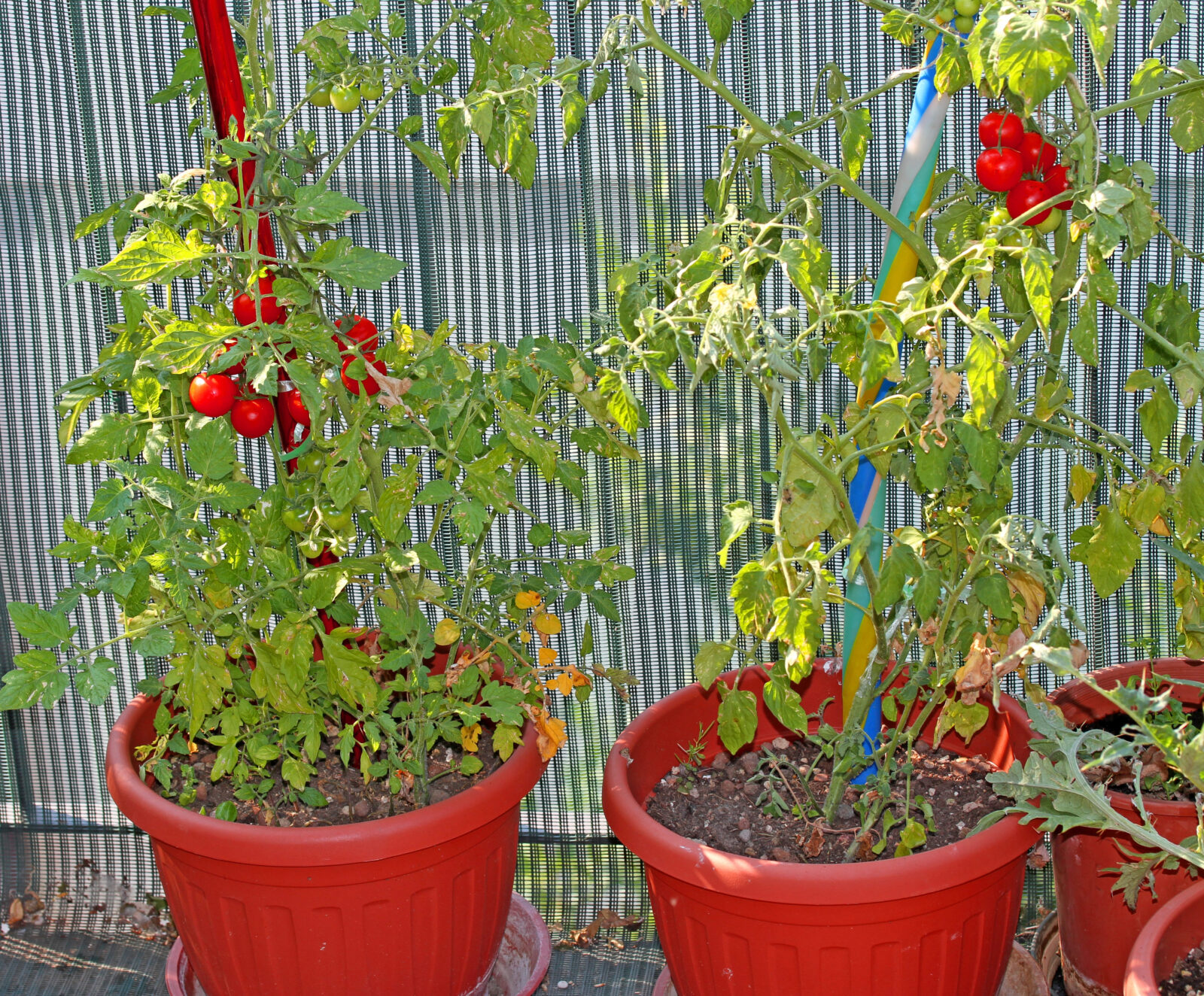
If your tomatoes have stalled, first check they have a deep enough container for the type you’re growing. Then check whether the compost is exhausted and poor, and add an organic component or a suitable fertiliser as needed. Finally, adjust watering so it’s regular but not excessive, and always directed at the roots, not the leaves. These three steps are usually the quickest way to help plants recover and start setting more tasty, juicy fruits.
Source: Gardening Know How, Gardenia, GrowVeg, Pestrazahrada.cz

A lover of nature, gardens, and everything that moves, blooms, or grows. He literally grows everything, from herbs to rare species, and he enjoys caring for animals just as much. In his work, he connects modern technology with tried-and-tested grandmotherly methods and is happy when both paths lead to the same goal.
Related articles
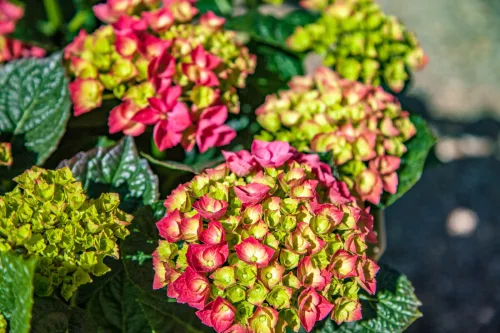
Don’t Prune Hydrangeas in October
Tidying the garden in autumn is tempting, but October pruning can cost your hydrangeas next year’s flowers. Only two light interventions make sense this time of year; everything else is best left until the right season.
A Pineapple Top Will Root in Two Weeks, but Success Depends on the Step Most People Skip
Don’t throw away the leafy crown when you cut a pineapple. With the right prep, light, warmth and careful watering, you can root it and grow a houseplant that may eventually fruit.
Overwintering Geraniums in a Box Ensures Stronger Growth and More Abundant Spring Bloom
Many people throw balcony geraniums away after the season, even though they can overwinter very well. Stored correctly in a box in cool, dark, dry conditions, they’ll come back stronger and flower generously in spring.
Comments (0)
Be the first to comment.