
 English
  Polski
  Deutsch
  Nederlands
  Svenska
  Norsk
Norsk  Dansk
Dansk  Français
  Italiano
  Español
  Português
  Slovenčina
  Suomi
Suomi  Gaeilge
 Hardworking Drought-Tolerant Perennials for a Beautiful Garden Without Daily Watering
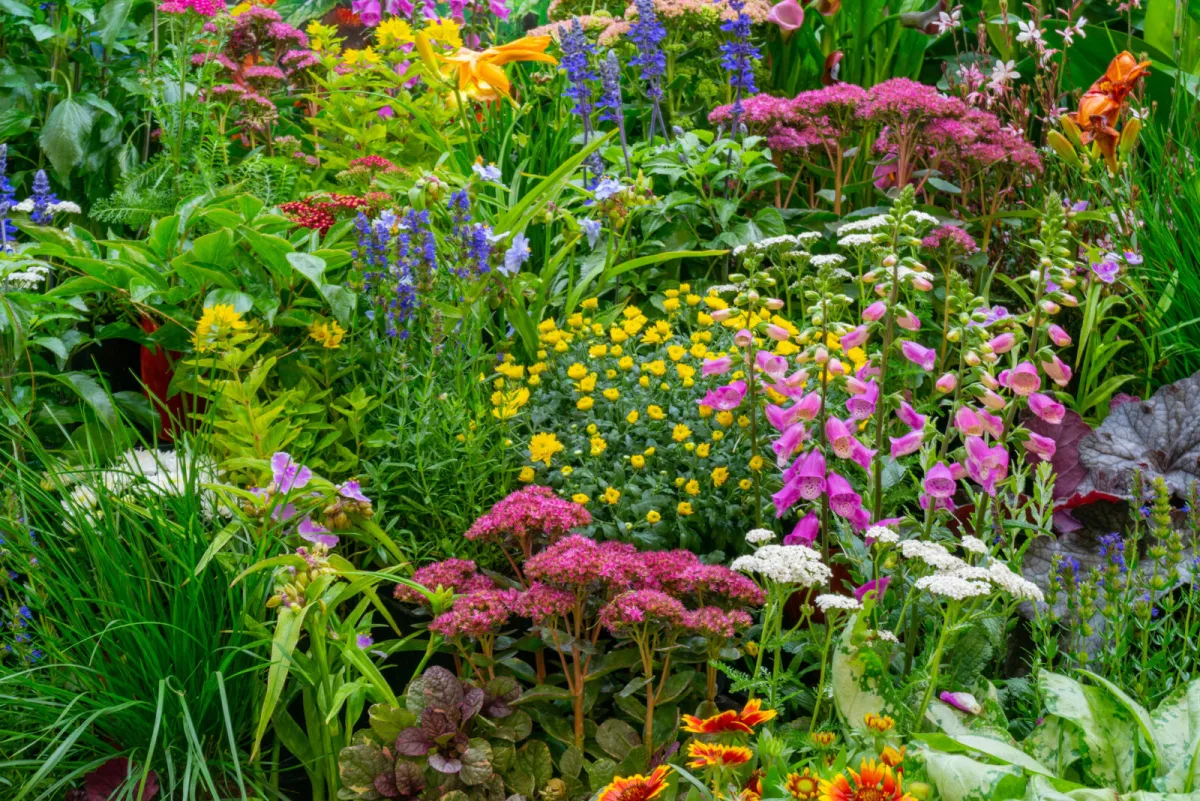
Perennials are among the most popular plants for everyday gardens because they wake up again after winter and you don’t need to replant them every year. Anyone who doesn’t want to spend summer constantly watering will also appreciate species that tolerate drought and can cope even when it doesn’t rain very often. Drought-tolerant perennials are especially useful in warmer regions, for sunny borders, around new-builds with drier soil, and in gardens where irrigation isn’t a given.
With many of them, a simple rule applies: in the first weeks or months after planting they need regular watering to root in well. Once the root system develops, water use drops significantly and plants often manage on rainfall alone. Site choice also matters: plenty of sun and soil that doesn’t hold water for too long.
Purple coneflower, a reliable classic for sun
Purple coneflower is a North American perennial in the daisy family that stands out in the garden for its strong colour while needing very little fuss. The straight species is particularly dependable, although many bred cultivars are drought-tolerant too. It performs best in full sun, ideally with at least six hours of light a day.
It likes neutral, free-draining soil, but in drier conditions it can also cope with heavier clay as long as it isn’t sitting in water. After planting, water more often to help it establish; later, watering about once a week is usually enough. Once mature, it typically manages without extra water, except during prolonged drought.
Yarrow for an airy border and long flowering
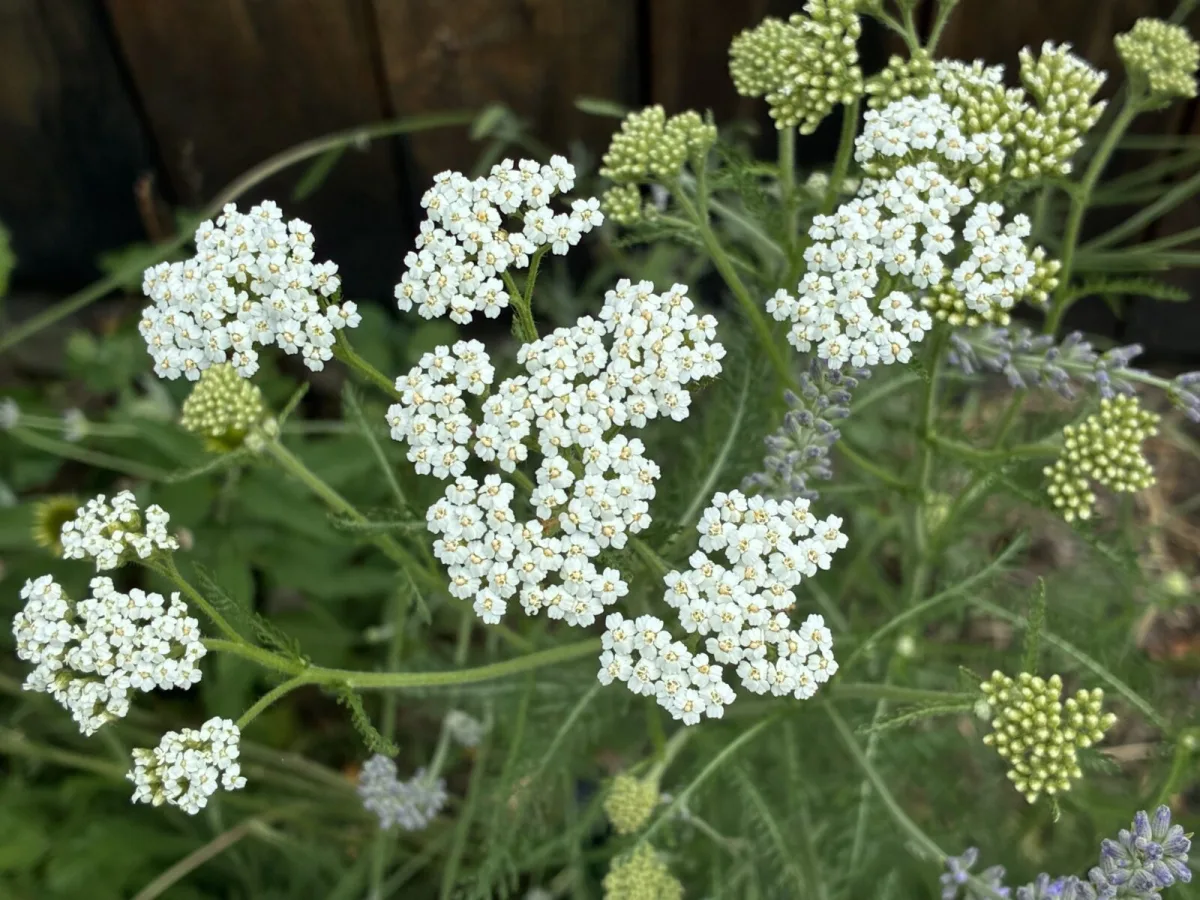
Yarrow is an exceptionally tough, fast-growing perennial with finely textured foliage and flat-topped clusters of small flowers in a range of colours. It adds a light, airy structure and a natural meadow feel to planting. It’s also known for flowering for a long time and can gradually fill a larger area as it spreads.
It needs full sun and does best in lighter, sandy, well-drained soil. It spreads via underground rhizomes, so in some borders it can become a little too vigorous. If you want to keep it in check, remove spent flower heads promptly before they set seed.
With yarrow, it’s worth remembering it can be toxic to pets, so choose its position with dogs and cats in mind.
Liatris, or blazing star, with an unusual flower
Blazing star is a great choice for anyone who wants to add an original flower shape to a border. It produces elongated spikes of small purple blooms that look like a soft bottlebrush. In autumn the flower spikes often take on bronze tones, so the plant remains decorative even after the main season.
It suits slightly acidic, free-draining soil and a sunny position. In the first year after planting, it’s best to give it a more regular supply of water so the roots can strengthen. Drip irrigation is practical, as water is delivered straight into the root zone. Once established, its drought tolerance improves noticeably.
Black-eyed Susan for a natural look and height
At first glance, black-eyed Susan resembles a daisy, but botanically it belongs to the daisy family just like coneflower. It’s a native meadow plant that works well in naturalistic plantings and in borders where you want a sunny yellow accent with a dark centre.
It typically reaches full size only after some time, but after the first year it’s usually far more drought-tolerant. In good conditions it can grow to around 1 m tall. An ideal spot is sunny with soil that stays slightly moist yet drains well. In the first season it benefits from regular watering, roughly the equivalent of 2.5 cm of water per week, then it’s generally undemanding.
Russian sage as a filler and edging plant for hot conditions
Russian sage is excellent for the front edge of borders and as a light, airy filler between bolder perennials. It has silvery green leaves and flowers in lavender-blue shades that look delicate, yet are very effective when planted in larger drifts. It’s valued for coping with hot, dry summers while staying attractive.
It does best in well-drained, rather alkaline soil. Surprisingly, it can also handle clay sites and tolerates a wider pH range, as long as the soil isn’t permanently waterlogged. Thanks to this adaptability, it suits places where other perennials struggle in summer.
Stonecrop, a beautiful succulent for pollinators
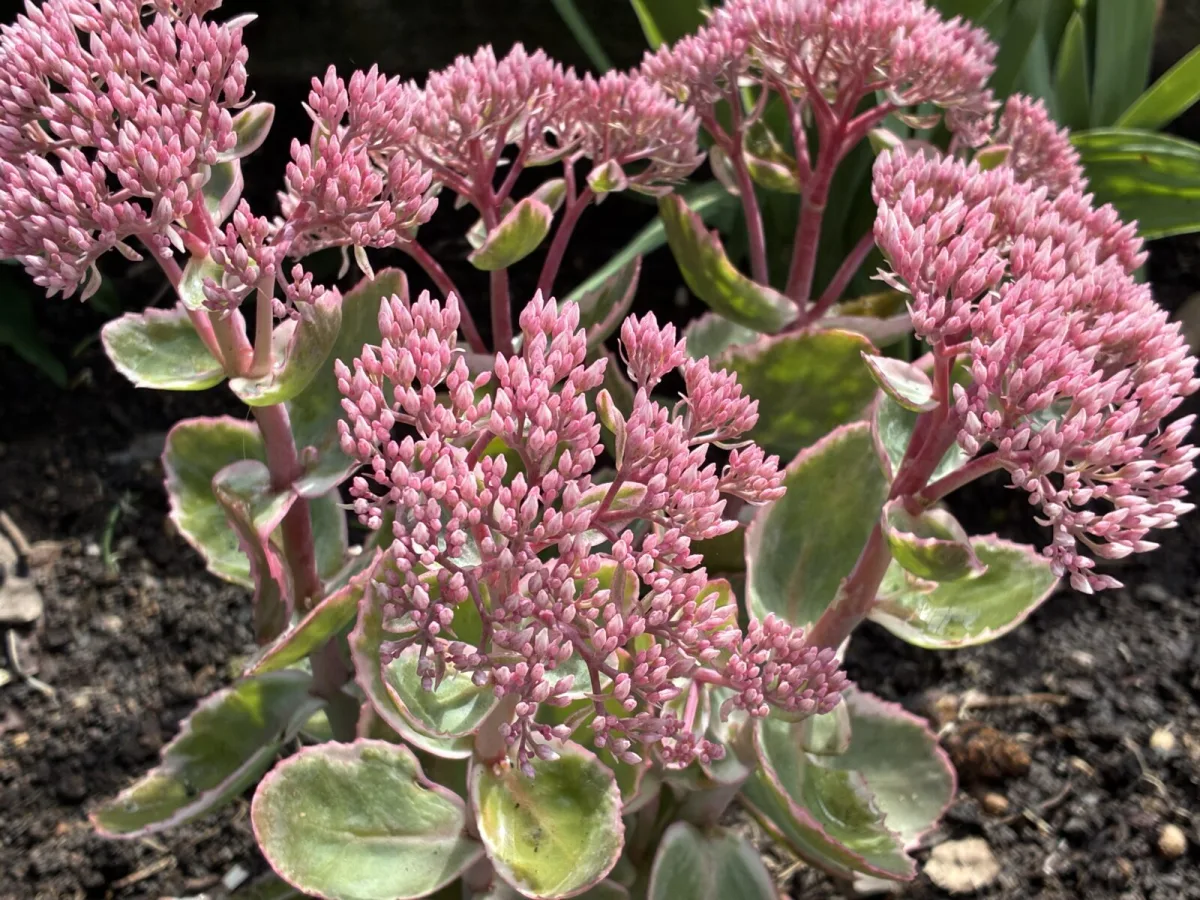
Butterfly stonecrop is one of the flowering succulents that store water, which is why it copes with drought with ease. Its flowers are a magnet for pollinators, supporting garden wildlife at a time when many other plants are no longer flowering so heavily.
It grows best in sun in sandy or gravelly soil that sheds excess water quickly. In warmer areas, a spot with light shade during the fiercest midday heat can be beneficial. Once stonecrop has settled in, it needs very little attention.
With this type of stonecrop, the soak and dry method works well: water thoroughly, then let the soil dry out completely before watering again.
Catmint, a fragrance that attracts bees and discourages pests
Catmint belongs to the mint family and carries a gentle, herbal, slightly citrusy fragrance. It attracts bees and butterflies, while also helping to deter some insects and, in some gardens, even reducing interest from browsing wildlife. After a short establishment period, it spreads fairly quickly and then copes well with drier conditions.
It needs full sun and free-draining soil. In the early phase after planting, keep an eye on watering so it can build a strong base; later, you usually only need to water during extreme drought. If you want to extend flowering, shear the plant back after the first flush to encourage another round of blooms through summer.
How to get the most from these perennials
What these plants have in common is sun and well-drained soil. If a bed is too compacted or holds water, it’s worth improving it before planting so roots don’t rot. Even drought-tolerant perennials generally need water mainly at the start, until they establish, and then their demands drop significantly. A well-chosen combination of these plants makes it possible to create a border that stays colourful, lively and low-maintenance even in years with lower rainfall.
Source: The Spruce, Bydlime na zahrade, Pestrazahrada.cz
Related articles
Thuja hedges are on the way out gardeners are choosing a shrub that shrugs off frost and drought and never looks dull
Thuja may be a long-standing classic, but today’s hedges are increasingly built from more varied shrubs that look better through the seasons. One standout choice is ninebark, prized for its toughness, colour and easy care.
Autumn planted grapevines bud earlier the most common mistake happens before they even go in the ground
Planting grapevines in November can give them a head start in spring, as roots can still establish in warm soil. Success depends mainly on proper planting depth and reliable winter protection.
Ten Crops to Sow Before Winter for an Earlier Spring Harvest
Autumn sowing lets hardy vegetables and herbs root in before frosts, so they spring into growth as soon as temperatures rise. With the right timing and bed preparation, you can harvest noticeably earlier in the new season.
Comments (0)
Be the first to comment.