
 English
  Polski
  Deutsch
  Nederlands
  Svenska
  Norsk
Norsk  Dansk
Dansk  Français
  Italiano
  Español
  Português
  Slovenčina
  Suomi
Suomi  Gaeilge
 Apple, pear and peach trees benefit most from summer pruning
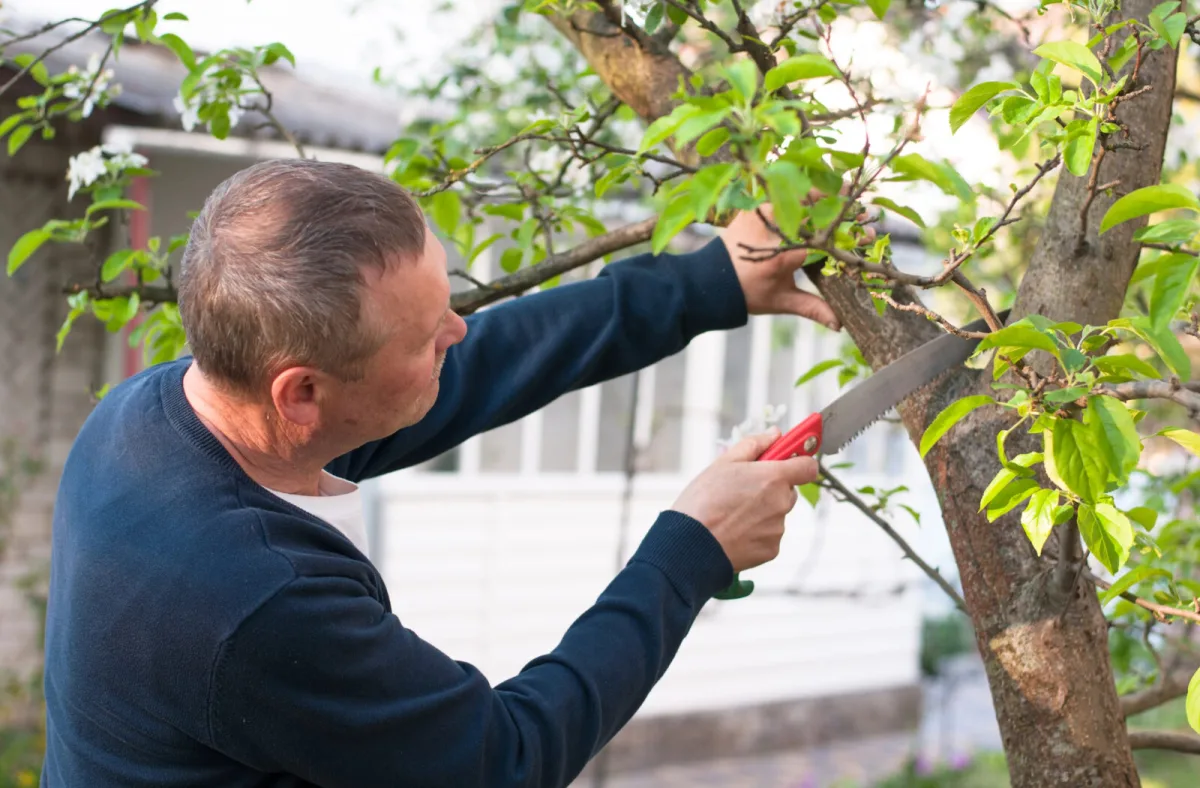
Many growers treat fruit-tree pruning as a job that belongs strictly to spring or autumn. Summer pruning, however, has a firm place in good orchard practice, because at this time you can see most clearly what is truly harming the tree. It’s easy to spot shoots growing in the wrong direction, crowding the canopy and stealing nutrients from the fruit. If you remove only what weakens the tree, it will reward you with better colour and ripening, a healthier crown and often a heavier crop.
The point of summer pruning is not to drastically reduce the size of the tree. It’s about gently thinning and opening space so more light and air can reach the canopy. That is often the deciding factor in reducing disease and in keeping the tree from wasting energy on unnecessary shoots instead of directing it into the fruit.
The benefits of thinning the canopy in summer
In summer the canopy already carries leaves and fruit, so you can judge where it is too dense and where moisture lingers. A correctly done cut improves sun exposure, which shows up in both the flavour and size of the fruit. At the same time, leaves dry faster after dew or rain, lowering the risk of fungal diseases.
The better the canopy is ventilated, the less room there is for moisture and infection, and the better the fruit ripens.
Summer pruning also makes later care easier. The canopy is clearer, pests are easier to check for, follow-up training is simpler, and even harvesting is usually more comfortable.
What to remove in summer and what to leave
Focus on shoots that clearly don’t help the tree. Typically these are strong, upright shoots heading into the centre of the crown and creating unnecessary shade. These so-called water shoots often consume a lot of nutrients but contribute little to fruiting or to a good canopy structure.
In summer it’s also appropriate to remove dead, broken or otherwise damaged branches. The same goes for branches that cross and rub, because they create wounds that can easily become entry points for disease. If suckers appear at the base of the trunk, it’s best to remove them promptly so they don’t weaken the tree for no reason.
With young green shoots you often don’t even need secateurs. When they’re still soft, they can be gently snapped out or pinched off with your fingers. The advantage is a smaller wound and faster healing, provided you work carefully and only where it’s truly needed.
When to prune so cuts heal well
A dry day with no rain is ideal. It’s best to work early in the morning or in the evening, when temperatures aren’t high and the tree isn’t unnecessarily stressed by heat. Avoid pruning right before a spell of persistent rainfall. Fresh cuts heal more slowly in damp conditions and the risk of disease increases.
The most common mistakes that can weaken a tree
The most damage is usually caused by pruning too hard. If you remove a large part of the canopy at once, the tree goes into stress and often responds by producing even more vigorous new shoots. The result is then the opposite of what you intended: the canopy quickly thickens again and the tree becomes exhausted.
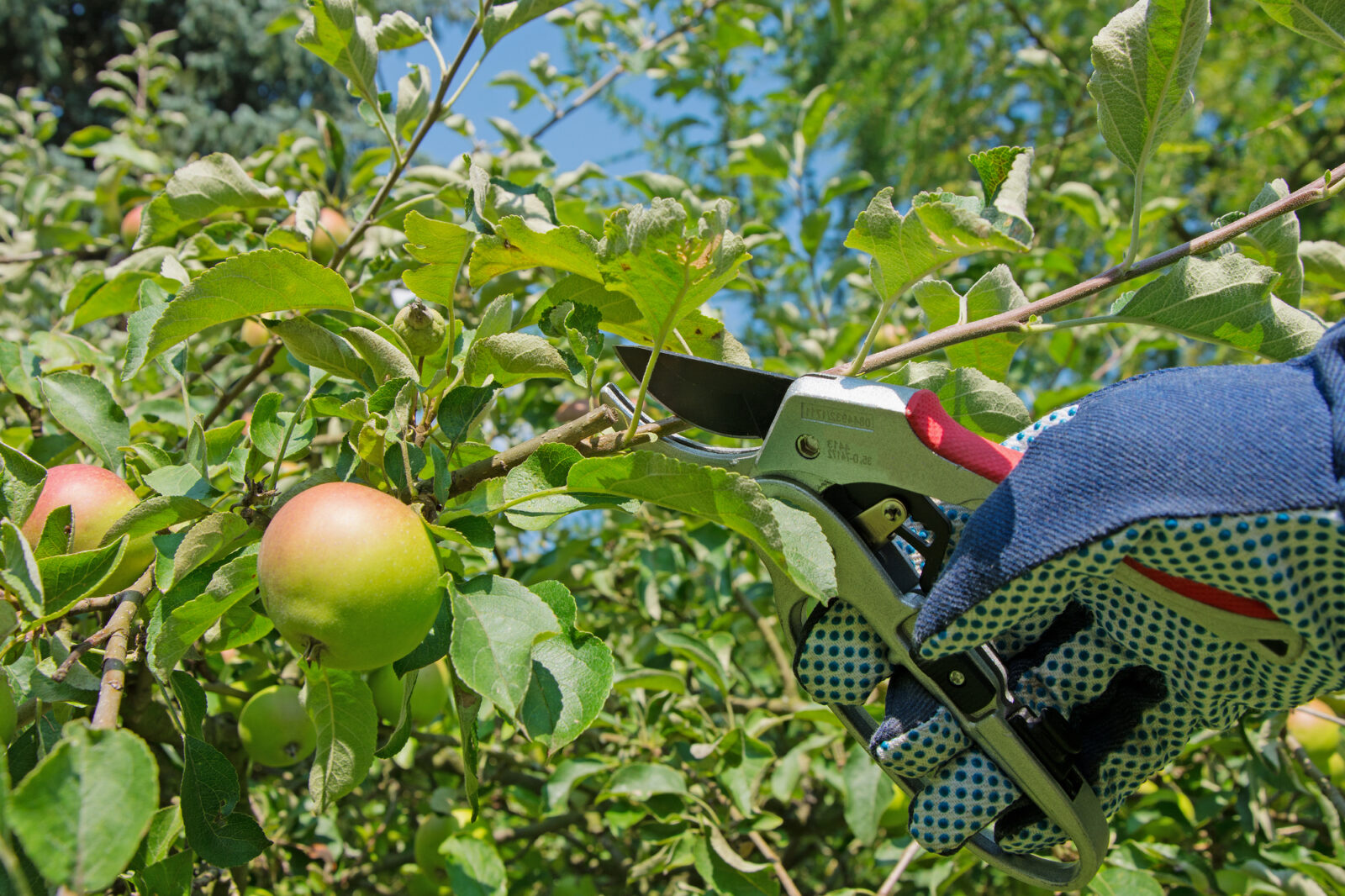
Technique matters too. Don’t leave long stubs, which seal poorly and can rot. A branch should be removed close to the branch collar, without damaging it, because that is where the tree closes the wound most effectively.
Afterwards, it’s a good idea to disinfect your tools, especially if you removed diseased or suspect wood. This reduces the risk of spreading infection to other trees in the garden.
How experienced orchardists proceed when the crown is too dense
If a tree is heavily overcrowded, don’t try to fix everything in a single day. A proven approach is to split the work into two stages about two to three weeks apart. The tree copes more easily, recovers faster, and you have better control over how much growth you’ve already removed.
Which fruit trees benefit most from summer pruning
Summer pruning works well on apples and pears, but also on plums, apricots, peaches, sweet cherries and sour cherries. The biggest benefit is usually seen in trees with naturally dense crowns or in younger, strongly growing specimens that tend to produce a lot of vigorous shoots.
A few cuts can make a surprisingly big difference
Summer pruning is one of the simplest yet most effective interventions. When you thin the crown sensibly, fruit gets more light, leaves dry faster, and the tree uses its energy for growth and ripening rather than producing unnecessary shoots. The key is moderation, good timing and clean cuts. The reward is larger, tastier fruit and healthier trees, not only this season but in the years to come.
Source: The Spruce, To je nápad, Gardenia, Pestrazahrada.cz

A lover of nature, gardens, and everything that moves, blooms, or grows. He literally grows everything, from herbs to rare species, and he enjoys caring for animals just as much. In his work, he connects modern technology with tried-and-tested grandmotherly methods and is happy when both paths lead to the same goal.
Related articles
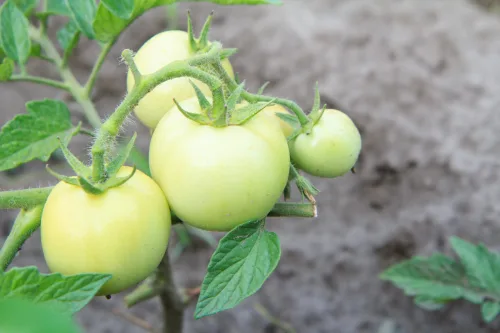
Not all green tomatoes will ripen. Experienced growers know which to pick and which to leave
As the tomato season winds down, it pays to judge green fruit by maturity and the forecast rather than the calendar. Size, skin colour and a quick seed check will tell you what can finish ripening indoors and what won’t.
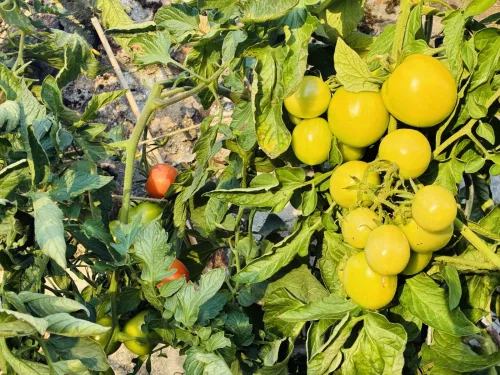
Don’t Throw Away Green Tomatoes They’ll Ripen Indoors and the Rest Belongs in the Pan
As temperatures drop at the end of summer, tomatoes often struggle to finish ripening on the plant. With a few simple tweaks you can help them colour up, ripen the rest indoors, and use any stubborn green ones in delicious recipes.
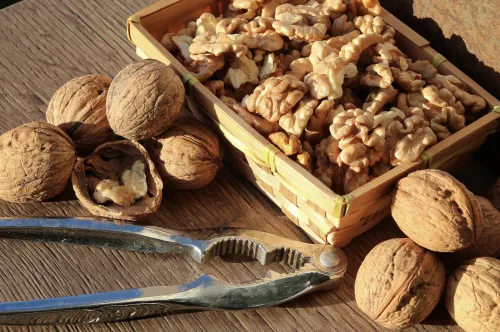
Walnuts will keep until next year’s harvest, but one post-harvest mistake can ruin them with mould
Home-grown walnuts can stay delicious for months—often right up to the next harvest—if you dry and store them properly. Moisture trapped in the kernel is the quickest route to musty flavour, rancidity and mould.
Comments (0)
Be the first to comment.