
 English
  Polski
  Deutsch
  Nederlands
  Svenska
  Norsk
Norsk  Dansk
Dansk  Français
  Italiano
  Español
  Português
  Slovenčina
  Suomi
Suomi  Gaeilge
 A Saucer of Water Can Undo All Your Efforts for a Mosquito-Free Garden
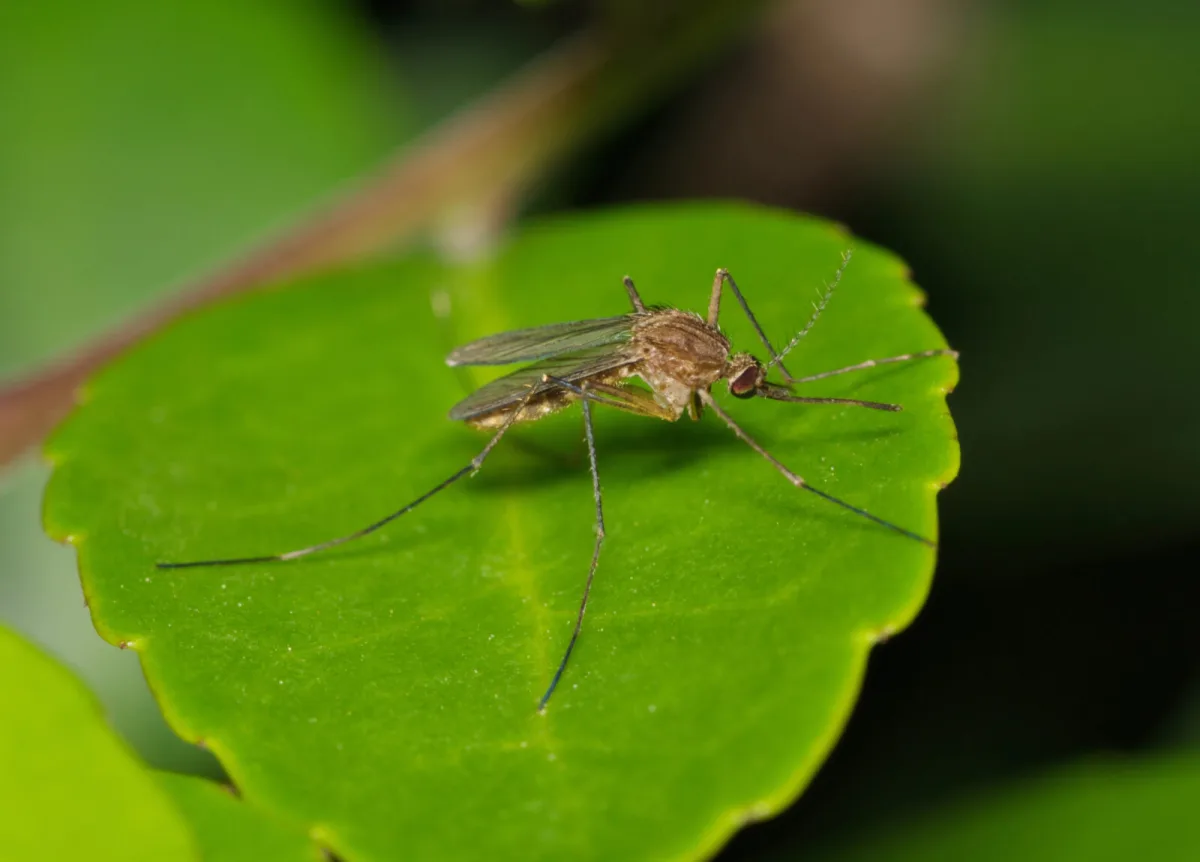
Fragrant herbs and aromatic perennials are one of the nicest ways to make time outdoors more enjoyable in summer. Lavender, basil, rosemary, mint, or citronella grass can perfume a patio, attract pollinators, and at the same time make the area around your seating less appealing to mosquitoes. It’s important to remember, though, that planting alone won’t create an invisible shield. Plants work as a helpful part of an overall strategy, not as 100% protection against bites.
The repellent effect is linked to volatile compounds that insects often dislike. These include, for example, citronellal, geraniol, linalool, menthol, thymol, carvacrol, or nepetalactone. These scents are released best when leaves are rubbed, cut back, or harvested. A pot placed far away in a corner of the garden may look lovely, but its benefit for comfort at the table will be limited.
You’ll get the best results when you place aromatic plants close to people, harvest them regularly, and at the same time remove sources of standing water.
Mosquitoes as a real garden problem
Mosquitoes are small flying insects, and it’s the females that feed on blood. Besides itching and irritation, in some parts of the world they can also transmit serious diseases. From the perspective of an ordinary garden, the key point is that they breed in standing water. It only takes a small amount of water in pot saucers, buckets, clogged gutters, watering cans, toys, or neglected bird baths. Before you start thinking about planting, the biggest help is often a thorough tidy-up of places where water lingers.
Do mosquito-repellent plants really work
Yes, but not in the way simplified advice suggests. Most evidence typically relates to extracts and essential oils, or to isolated compounds, rather than a living plant growing in a border. A concentrated product behaves differently from a small shrub in a pot. In practice, however, a denser planting of aromatic species near doors, windows, paths, and seating can reduce how attractive the area is to mosquitoes, especially when the scent is regularly released by harvesting or touch.
If reliable protection is essential for you, for example during peak mosquito season, it makes sense to also use approved repellents and combine them with mechanical methods such as window screens or a fan on the terrace. Plants then serve as a pleasant, attractive, and partly supportive layer.
Plants that most often prove themselves in the garden and on the patio
Citronella grass and lemongrass
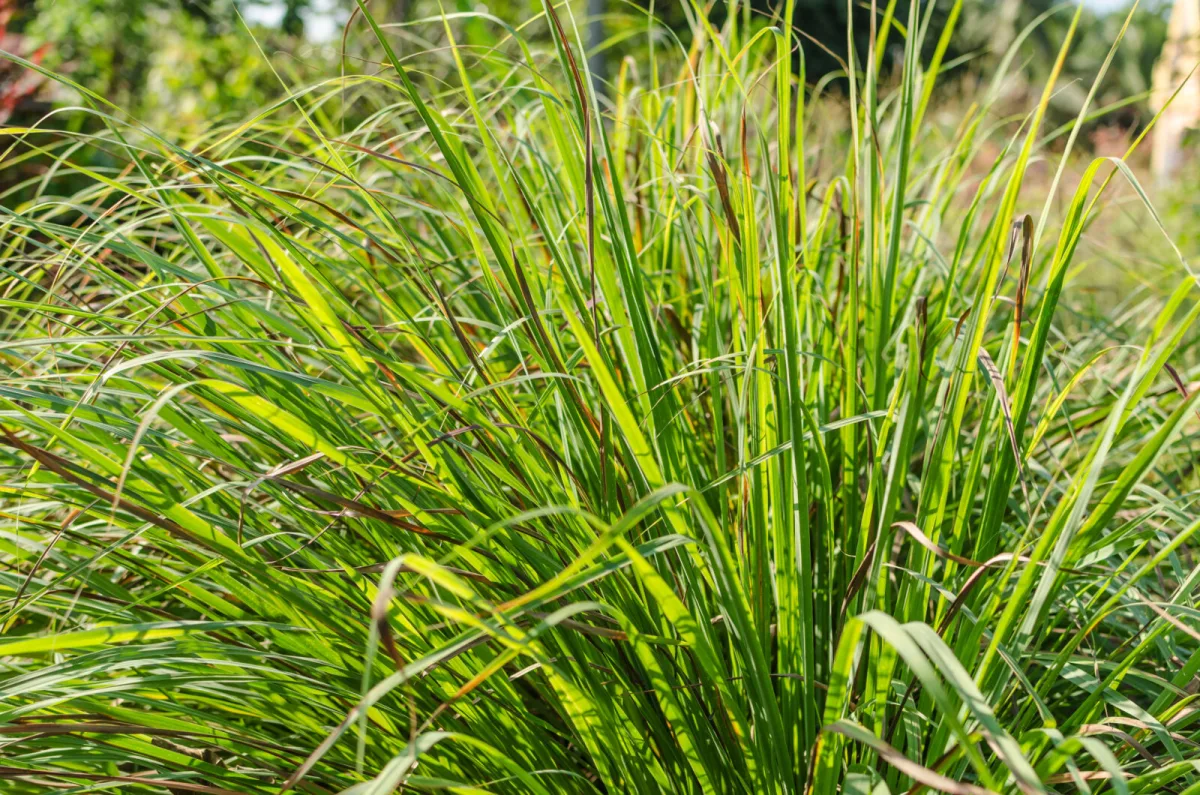
Citronella grass is well known as the source of a fragrant component used in many repellent products. In a pot it forms a bold clump, and when the leaves are rubbed it releases an intense citrus aroma. Lemongrass works similarly and also has strong culinary value. Both grasses suit large containers on sunny patios, by the pool, or near outdoor dining. In cooler regions, keep in mind they’re not frost-hardy and are often grown as moveable plants.
Lavender
Lavender combines ornamental appeal, a strong scent, and real value for pollinators. It performs best in full sun and in soil with excellent drainage, where it won’t suffer from waterlogging. For mosquito prevention, it makes sense to place it along paths, near a bench, or by the entrance to the patio, so its scent is released during everyday movement. You can also dry it for sachets and, in moderation, use it around the home.
Rosemary
Rosemary is an ideal choice for dry, sunny spots. Its resinous fragrance can be unpleasant for some flying insects, and in the kitchen it’s one of the most useful herbs. It shines by the barbecue, near an outdoor kitchen, along a low wall with seating, and in containers. It thrives in a free-draining mix where roots don’t sit in water, and once established it tolerates drought better than many other herbs.
Basil
Basil is practical because it’s harvested often, which constantly activates its aroma. It suits pots on a windowsill, a sunny balcony, or beds near tomatoes and other vegetables. Regular pinching keeps the plant compact while releasing an intense herb scent that mosquitoes generally don’t seek out. If you let basil flower, it also offers nectar for bees and butterflies.
Mint and lemon balm
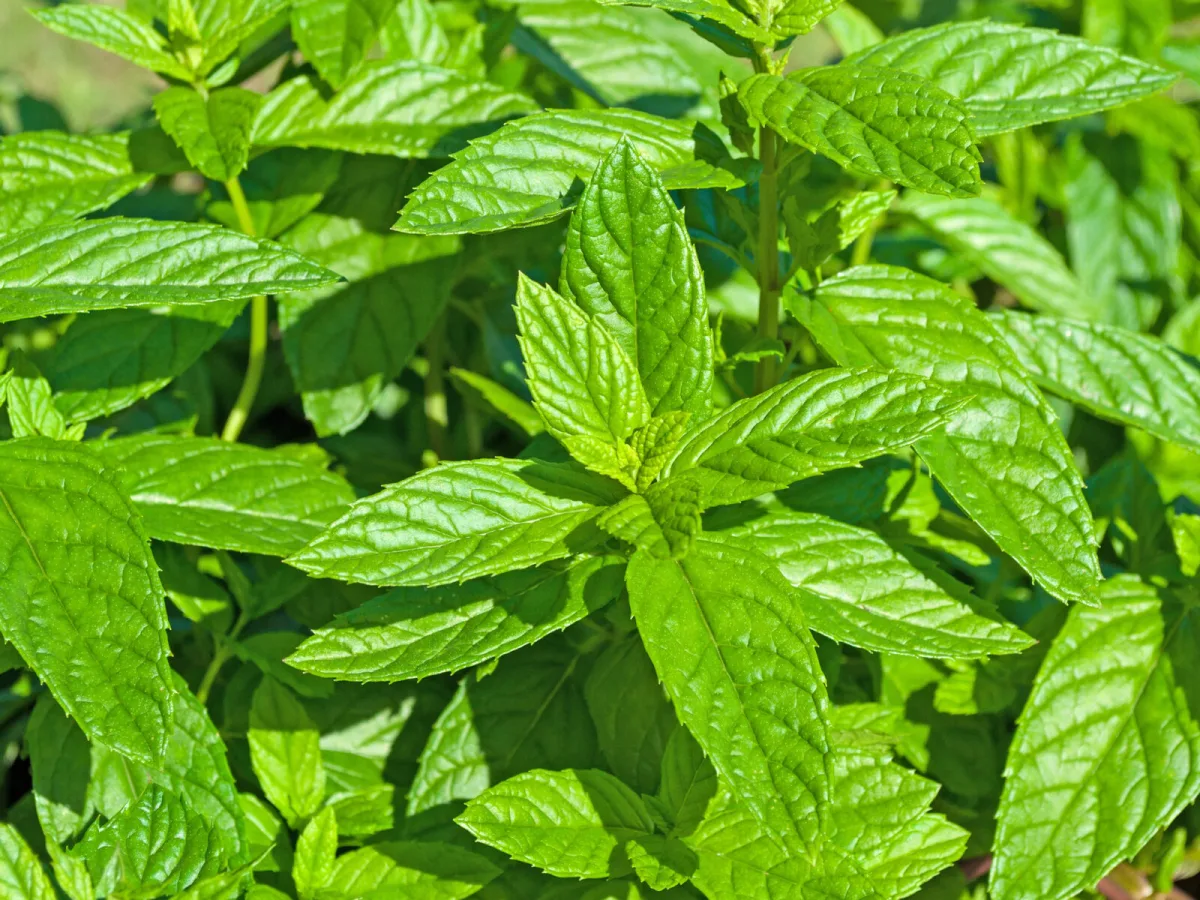
Mint is strongly aromatic and refreshing, so it’s often placed near seating areas and where drinks are prepared. It does tend to spread quickly, so it’s safer to grow it in containers. Lemon balm has a gentler lemony fragrance, is popular for teas, and also grows vigorously, so it likewise does well in a pot where you can keep its expansion under control. Both plants are most useful when harvested frequently and the leaves are rubbed.
Thyme and oregano
Thyme stays low, making it suitable for edging beds and along paths, where its scent is released when brushed. Oregano is more robust and, when in flower, attracts pollinators. Both herbs contain aromatic compounds linked with a repellent effect, but in the garden you’ll value them most as fragrant planting that you regularly snip for the kitchen. They do best in sun and in well-drained soil, without overwatering.
Catmint
Catmint is famous for its effect on cats, but its aromatic compounds are also mentioned in research focused on repelling insects. In practice it’s suitable for herb beds and containers alike, because it can spread. If you want to get the most from its qualities, grow it where the leaves are occasionally brushed or harvested.
Marigolds and calendula as companion plants
Marigolds and calendula are often planted in vegetable beds as part of a more natural approach to pest management. They’re not usually the main weapon against mosquitoes, but they can complement fragrant plantings, add colour, and extend the flowering season. Near a patio, they can create a lively, welcoming edge that also attracts beneficial insects.
Nasturtiums and alliums
Nasturtium is fast-growing, edible, and strongly aromatic. In the kitchen garden it’s also used as a plant whose scent may deter some pests. Garlic, chives, onions, and other alliums are valued for their distinctive sulphur aroma and their usefulness in the kitchen. In the context of mosquitoes, think of them more as a supporting element that fits nicely into mixed planting.
How to use pots and containers as intelligently as possible
Container growing is often the most effective approach for repellent plants, because you can move pots exactly where you spend time. On a sunny patio, a large container of lemongrass or citronella grass works well, with smaller pots of basil, rosemary, thyme, or oregano around it. In part shade, mint and lemon balm will do better. The key is to make sure containers have drainage holes and that no water is left standing in saucers.
A saucer full of water can negate all your efforts, because it can easily become a mosquito breeding ground.
How to release the scent and boost the practical effect
Aromatic compounds are released mainly through contact. So it helps to plant herbs near places you walk past, or at the edge of seating where leaves occasionally brush clothing. Regular harvesting, trimming, and pinching matter, because plants become bushier and give off more fragrance at the same time. Before visitors arrive, you can pull the most fragrant pots closer to the table or to doors, where there’s the most movement.
Take care when using plants on skin. Rubbing leaves can cause irritation in sensitive people, and essential oils are concentrated substances that shouldn’t be applied directly without proper dilution. With children, pregnant women, and pets, it’s sensible to be even more cautious and not rely on DIY experiments.
The most common mistakes that reduce effectiveness
A common misconception is expecting that a few small plants will solve every bite. Another mistake is poor placement, for example when aromatic plants grow far from where you sit. A major issue is also overlooking standing water, which gives mosquitoes ideal breeding conditions. Finally, choose species according to your conditions: lavender dislikes heavy, wet soil, citronella grass can’t tolerate frost, and mint can become invasive if left unchecked.
What a realistic garden with fewer mosquitoes looks like
The best results come from combining several layers of protection. Fragrant plants such as citronella grass and lemongrass, lavender, rosemary, basil, mint, lemon balm, thyme, oregano, or catmint can improve the atmosphere and partly reduce how attractive an area is to mosquitoes, especially when planted close to people and handled regularly. Companion species like marigolds, calendula, nasturtium, and alliums add usefulness, colour, and variety.
The foundation, however, is prevention: remove standing water, keep gutters clear, change water in bird baths, use screens, and improve airflow, for example with a fan. When dependable personal protection is needed, approved repellents used according to the instructions also have their place. This kind of combination is effective, attractive, and realistic in its expectations.
Source: Gardenia, Gardena , Pestrazahrada.cz
Related articles
You’ll Notice Mice in the House Before You See Them
Mice and rats rarely appear out of nowhere—there are telltale clues long before you spot one. Learn the key warning signs and the simplest garden and household changes that keep rodents from moving in.
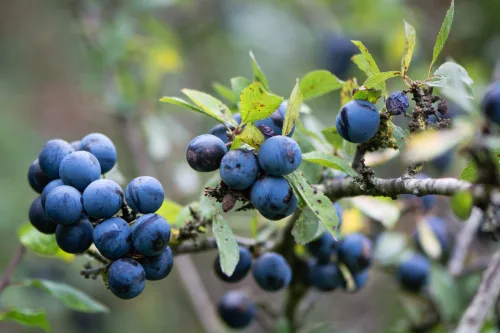
The Most Overlooked Shrub in the Czech Landscape Sloe Feeds Bees Shelters Birds and Bears Fruit Few People Know
Blackthorn (sloe) is an unassuming, thorny shrub that supports wildlife early in the season and yields dark, frosted fruits in autumn. Once touched by frost, its astringent sloes become a valued ingredient for preserves, drinks, and traditional remedies.

How to Choose a Sack for Storing Potatoes So They Don’t End Up in the Compost in a Few Weeks
The right storage sack helps protect potatoes from light and excess moisture, two common reasons they spoil. Learn when to choose a jute sack or a paper sack and how to keep your crop sound for months.
Comments (0)
Be the first to comment.