
 English
  Polski
  Deutsch
  Nederlands
  Svenska
  Norsk
Norsk  Dansk
Dansk  Français
  Italiano
  Español
  Português
  Slovenčina
  Suomi
Suomi  Gaeilge
 A Copper Wire Trick to Speed Up Tomato Ripening and Help Against Late Blight
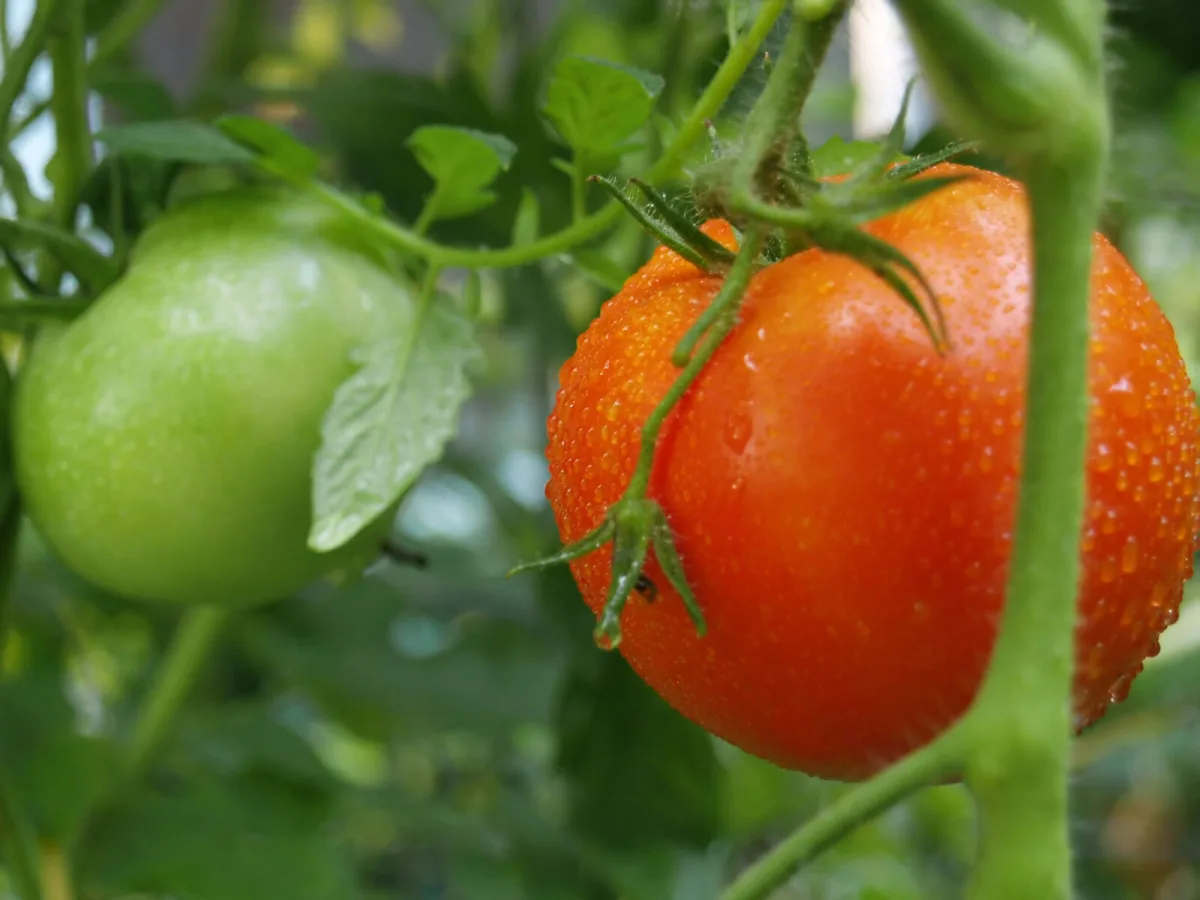
For tomatoes, late blight is one of the season’s biggest nightmares. A few humid days, cooler nights and poor air movement through the crop are enough for the problem to take off so fast that, in a short time, it can spoil a large part of the harvest. Gardeners therefore try various prevention methods, from ventilating the greenhouse and watering at the roots to sprays. But there is also a very simple technique that uses the properties of copper and can be done directly on the plant.
The copper wire trick and when to use it
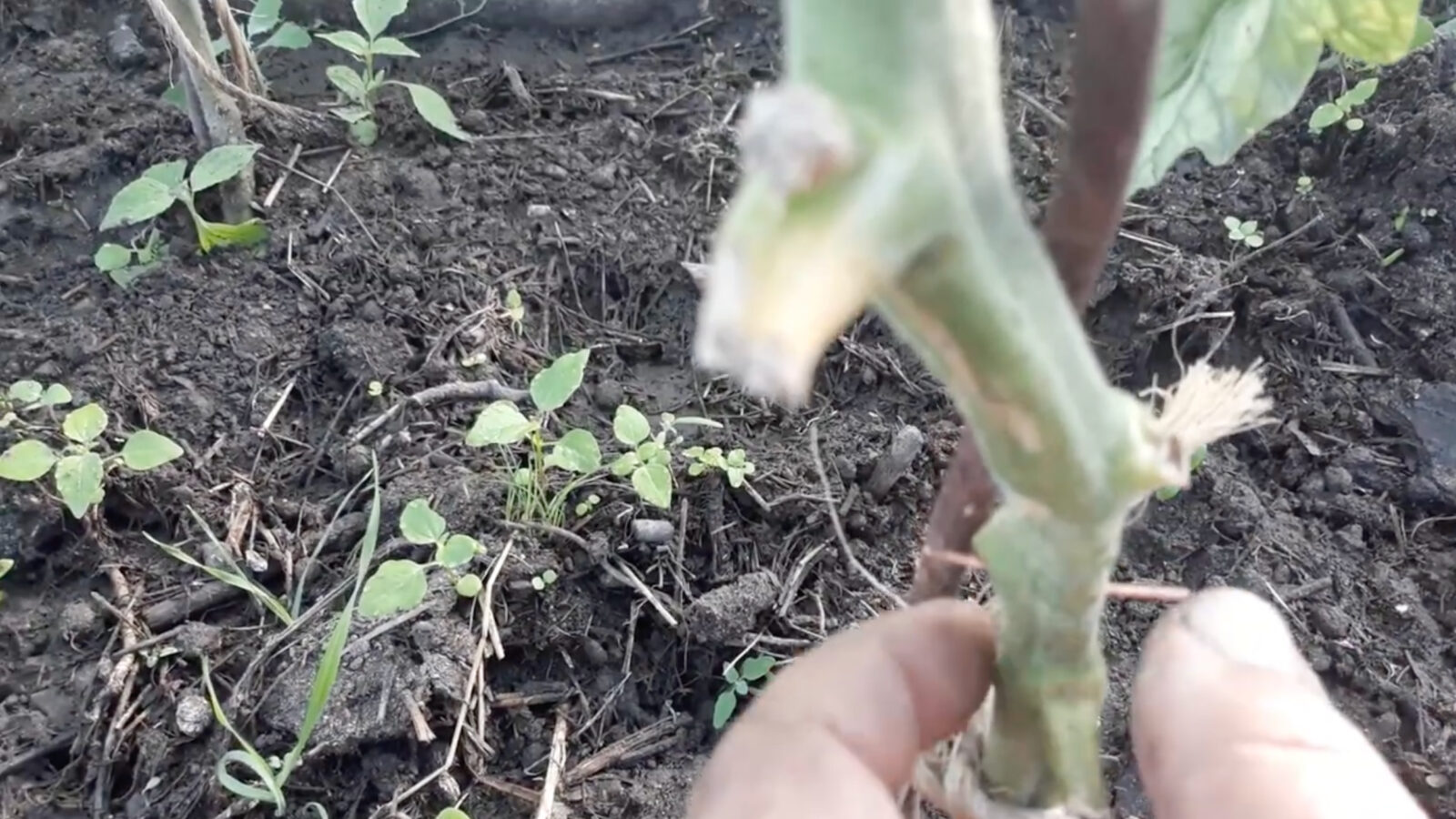
The method involves piercing the fruit stalk with a thin copper wire right next to the tomato at the moment when the fruit is fully grown and just starting to colour up. The wire is left in place and the fruit is then allowed to ripen as normal. For the effect to be as clear as possible, it helps to do this on several fruits on the plant, ideally those most likely to ripen before the end of the season.
Some people pierce the main stem 5-10 cm above the ground instead. With this method you only need a few pieces of wire; try both and see which works better for you.
It makes the most sense in the second half of summer, when the weather more often turns damp and cool and time is starting to run out. That is exactly when you need to keep fruit healthy while also encouraging ripening, because the growing season gradually shortens and green tomatoes may be left unripe.
How copper is thought to work
The effect is explained by copper releasing ions into its immediate surroundings. These are known for their antibacterial and antifungal action, which is also what some common products for fungal diseases rely on. In practice, it is a simple attempt to create conditions right around the fruit that are less favourable for blight to develop.
It is also said that copper may support the production of ethylene, the gas that naturally drives ripening. For growers, that means a two-in-one effect: reducing disease risk and pushing the fruit more quickly towards full ripeness, which is especially useful at the end of the season.
Correct technique and the importance of cleanliness
When using it, cleanliness is essential. The wire should be real copper, thin and, above all, free of dirt. If it has a greenish coating or signs of oxidation, it is better to use a new piece, or clean it so the surface is smooth and clean. The goal is not to introduce another problem into the plant, but to help it.
The piercing should be done through the fruit stalk, not into the flesh. The wire needs to stay in place so it does not fall out, but also so it does not move around unnecessarily and damage the stalk. The intervention is simple, but it is still worth working carefully and not using excessive force, so the stalk is not needlessly injured and the fruit does not drop.
Is it safe for the fruit and for people
At first glance, a tomato bed with little bits of wire sticking out can look unusual. But the method is based on the properties of an element that, in small amounts, is normal for the body and is even used in dietary supplements. Even so, in practical gardening terms it pays to keep things sensible, use clean material and avoid treating fruits that are still small and developing.
How to try it without risking disappointment
If you are not sure, it is practical to start with only part of the crop. Treat a few fruits and leave the rest as a comparison. You will then easily see whether you get quicker colouring and whether the fruit stays healthy longer during the period when blight most often appears. Even a small trial like this can show whether this simple technique is worth adding to your regular tomato care routine.
The most important rule is simple: use only clean copper wire and pierce the fruit stalk only once the tomato is fully grown and just starting to ripen.
When the last weeks of the season decide everything
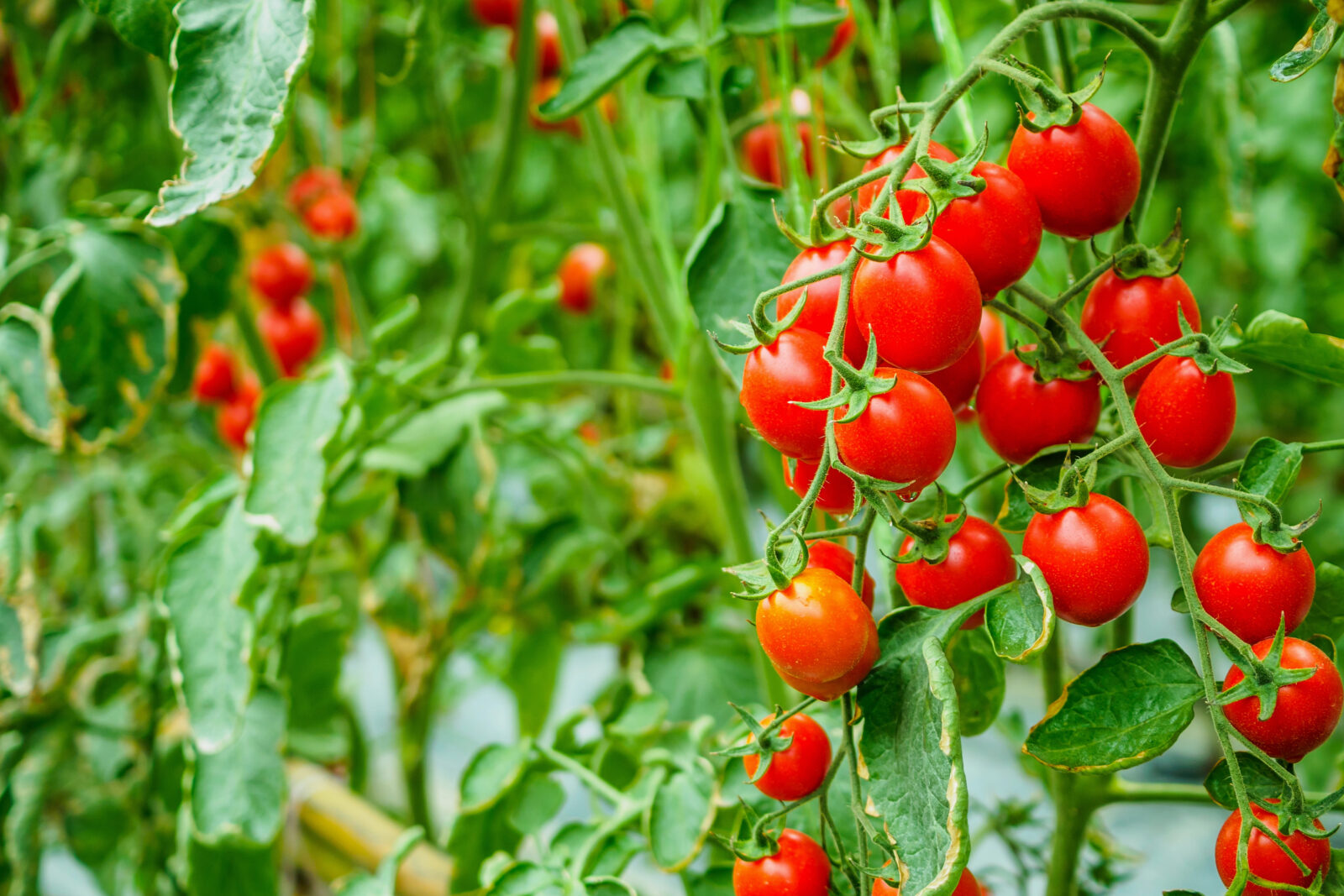
Late summer is often when the success of all your work is decided. That is when a small detail can determine whether you pick most of your tomatoes fully ripe, or end up rescuing green fruits ahead of cooler days and the spread of disease. Copper wire is a low-key helper that costs nothing, is quick to apply and may support both the health of the fruit and its ripening. If you are looking for a simple gardening trick you can test without complicated preparations, this is one option worth trying.
Source: Garden Lux, Garden.org, Pestrazahrada.cz

A lover of nature, gardens, and everything that moves, blooms, or grows. He literally grows everything, from herbs to rare species, and he enjoys caring for animals just as much. In his work, he connects modern technology with tried-and-tested grandmotherly methods and is happy when both paths lead to the same goal.
Related articles
The More Often You Harvest, the Longer Plants Keep Cropping
With fruiting vegetables, frequent picking keeps plants flowering and producing for longer. A few crops, such as aubergines, are tastiest when harvested slightly earlier rather than fully mature.
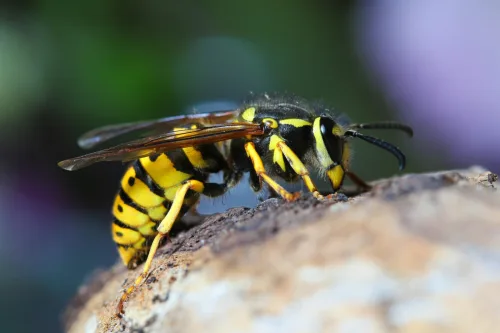
Wasps Aren’t Just a Barbecue Menace They Can Ruin Your Garden Woodwork Too
Weathering isn’t always the main culprit behind damaged outdoor timber. Wasps can scrape fibres from boards and beams surprisingly fast, leaving grooves that soak up water and accelerate decay.

Why hydrangeas wilt in summer even when watered and how to save them fast
Hydrangeas can look limp in hot weather even if you’ve been watering faithfully. The key is to check what’s happening in the root zone, then adjust watering, shade and mulching so the plant can actually use the moisture available.
Comments (0)
Be the first to comment.