
 English
  Polski
  Deutsch
  Nederlands
  Svenska
  Norsk
Norsk  Dansk
Dansk  Français
  Italiano
  Español
  Português
  Slovenčina
  Suomi
Suomi  Gaeilge
 Damaged peppers with brown tips won’t heal but you can still save the rest
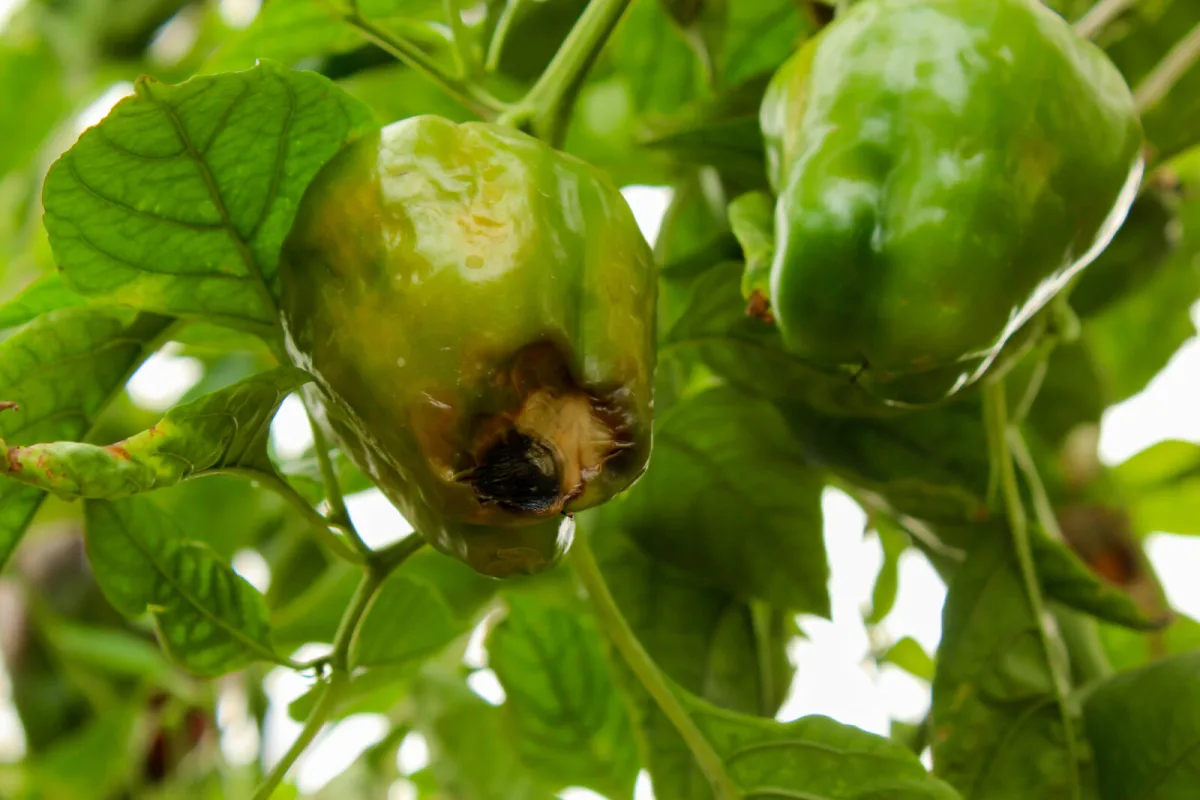
Just a few days ago the fruits looked healthy, but then large brown, sunken patches began to form on their tips and some peppers gradually soften and start to rot. In recent days similar photos have been multiplying on social media too, and growers often hesitate over whether it’s a dangerous disease that could wipe out the whole harvest. The debates can be heated, because some blame a fungal infection, others extreme heat, and others advise adding calcium immediately.
It’s not an infection, but a physiological disorder
Typical browning on the end of the fruit is usually not caused by a fungus or bacteria. Most often it’s so-called blossom-end rot, meaning a problem that is not contagious and doesn’t spread from plant to plant. Put simply, at a key moment the fruit doesn’t receive as much calcium as it needs, especially during the period of fastest growth. The damage can look dramatic, but it isn’t a classic infection you can solve with a disease-control spray.
What’s confusing is that there may be plenty of calcium in the soil. The issue usually isn’t the absolute amount, but that it doesn’t reach the fruits in time and in the right quantity. Calcium transport is tied to water flow through the plant, and that’s exactly what can easily get disrupted in hot weather and with irregular watering.
Heat and irregular watering do the most damage
Extreme temperatures are a major strain for peppers. When a potting mix or bed dries out completely and then gets a sudden heavy watering, the plant is stressed. At the same time, during heat it restricts water movement in its tissues, which also slows the delivery of calcium to fast-growing parts. The result most often shows up at the blossom end, which starts to brown and die back.
In a greenhouse the problem can be worsened by overheating of both fruits and tissues. Under harsh sun, the tissues can scorch, showing up on the fruits as damage, and the plant also has a harder time coping with moisture swings.
Will adding calcium help, or is it pointless
Calcium does help, but on its own it usually isn’t enough. Foliar feeds containing calcium can be most useful for the next set of developing fruits, because they support development during the most sensitive stage. But if the soil continues to swing between drying out and being overwatered, or the plants sit in full glare all day, new damaged peppers may keep appearing.
Damaged fruits generally won’t heal. It’s practical to remove them so the plant doesn’t waste energy on fruit that won’t return to good quality.
What to do so the next fruits stay healthy
The basic step is to adjust watering so it’s regular and deep enough to reach the roots. It’s usually better to water less often but thoroughly than to give a little every day. With frequent light watering, a large portion evaporates and little reaches the roots, even if the soil surface looks moist. It’s also important not to let the bed dry out completely between waterings, because sharp swings between drought and waterlogging put the plant under strain.
Mulching helps enormously, for example with straw, grass clippings or wood chips. Mulch holds moisture, prevents the soil from overheating and stabilises conditions for the roots, which is exactly what peppers need in hot spells.
Shading in the greenhouse and in the bed
On the most sweltering days, a shade net can noticeably relieve peppers by cutting the harshest sun and reducing stress. In a greenhouse it’s worth taking shading even more seriously, because that’s where overheating happens fastest. Some growers opt for simple external shading or use plants to create light cover.
Watch out for too much nitrogen
Another common mistake is too much nitrogen. It encourages lush leafy growth, but fruits can suffer and the plant becomes more sensitive to environmental swings. Balanced feeding and steadier growth often mean fewer problems with fruit-end damage.
You’re not alone and you can still turn the harvest around
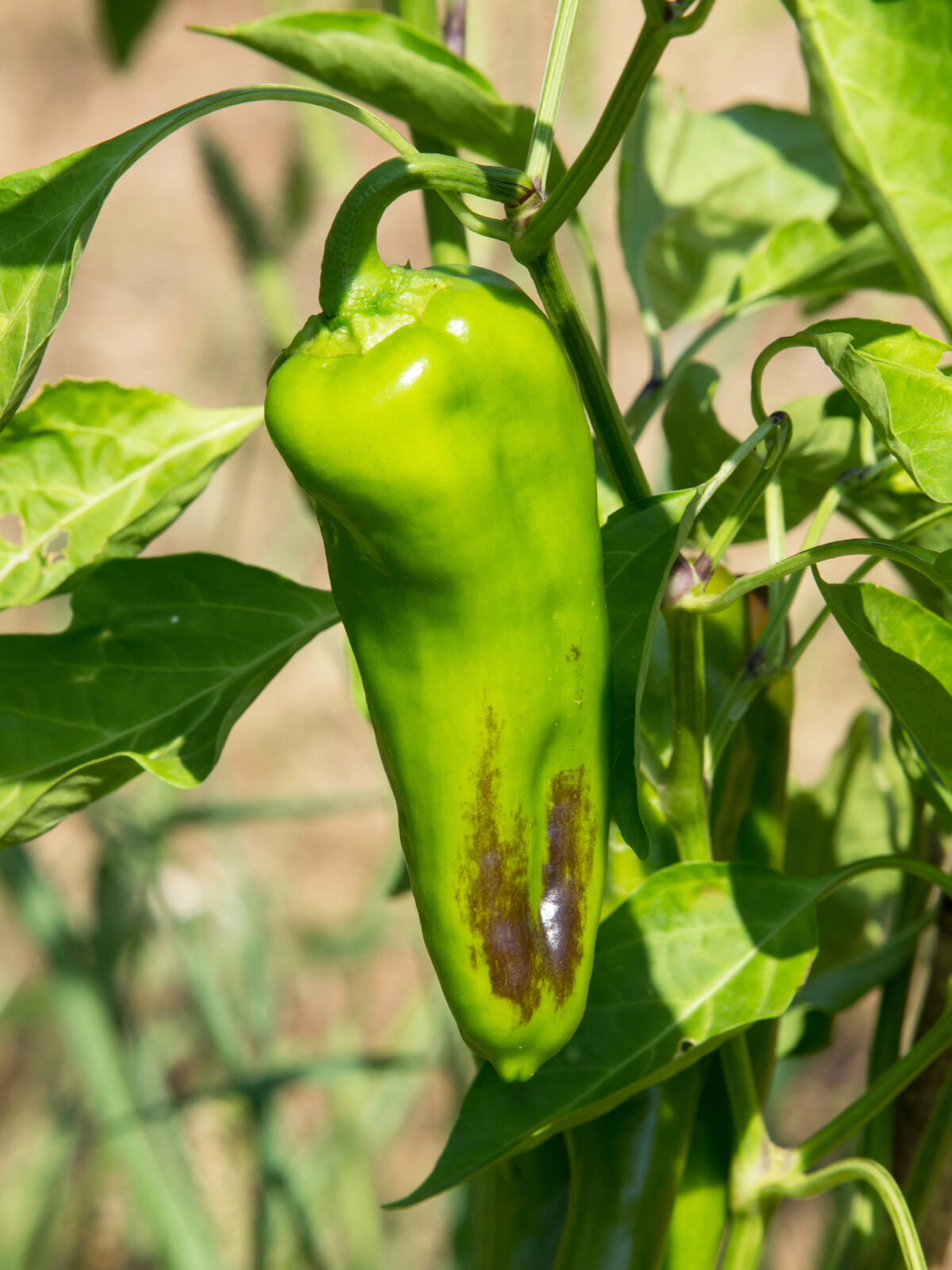
If the brown patches have appeared for you as well, it doesn’t automatically mean a major growing failure. In years with extreme heat and irregular rainfall, blossom-end rot shows up far more often. The good news is that if you stabilise watering, protect the roots from overheating and, if needed, support the plants with foliar calcium, the next peppers can ripen healthy and the plant can often still deliver a very respectable crop.
Source: Zahrádkár, The Spruce, Gardenia, Pestrazahrada.cz

A lover of nature, gardens, and everything that moves, blooms, or grows. He literally grows everything, from herbs to rare species, and he enjoys caring for animals just as much. In his work, he connects modern technology with tried-and-tested grandmotherly methods and is happy when both paths lead to the same goal.
Related articles
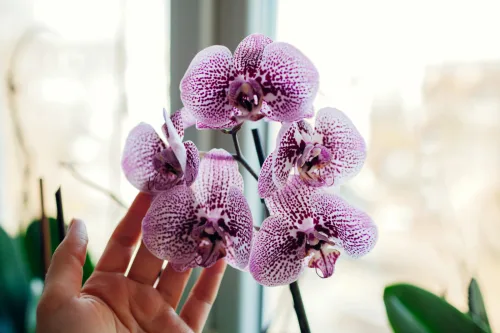
An Orchid That Only Grows but Won’t Bloom Has Three Common Causes You’ll Never Fix with Fertiliser
If your orchid looks healthy but refuses to bloom for months, the cause is usually not a lack of fertiliser. Light, watering habits, and temperature patterns are far more often to blame.
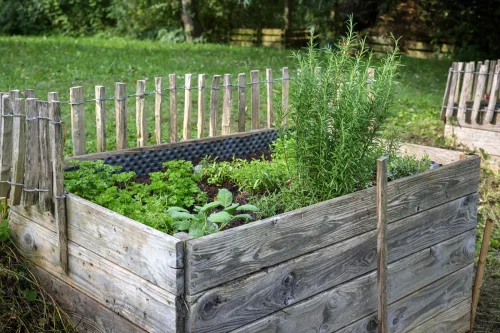
Winter is crucial for raised beds and most people skip the pest prevention step
Your raised beds don’t go dormant just because winter arrives. A few quick, well-timed tasks now will protect the soil, discourage pests, and set you up for a smoother, more productive spring.
When to Mow the Lawn for the Last Time Before Winter
There’s no universal date for the season’s final mow—your lawn and the weather will tell you. Time it just ahead of hard frost and leave the grass slightly higher to help it overwinter healthier and bounce back faster in spring.
Comments (0)
Be the first to comment.