
 English
  Polski
  Deutsch
  Nederlands
  Svenska
  Norsk
Norsk  Dansk
Dansk  Français
  Italiano
  Español
  Português
  Slovenčina
  Suomi
Suomi  Gaeilge
 Fine webbing on the underside of leaves is your last warning before disaster
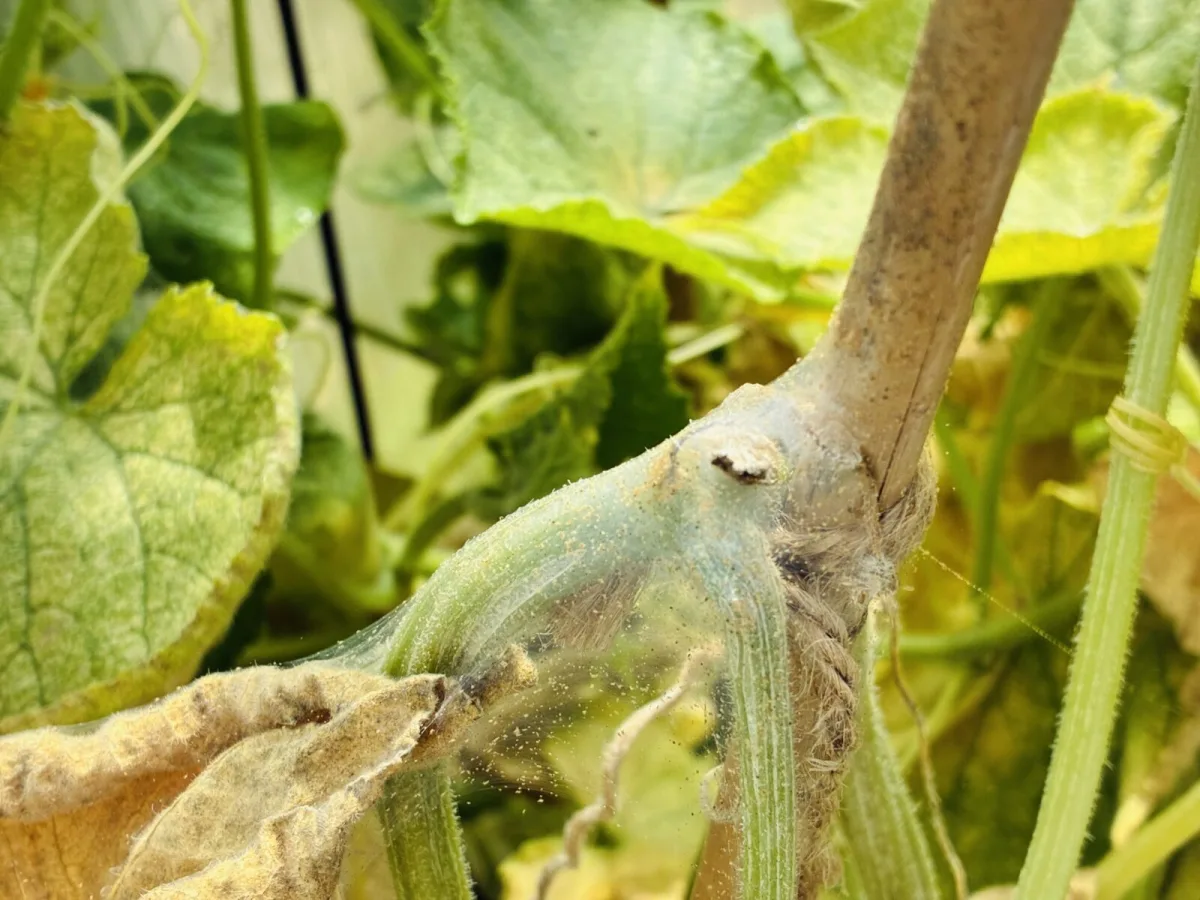
Spider mites are tiny mites related to spiders and ticks. They often show up on plants quietly, multiply quickly, and weaken them by sucking sap from the leaves. They most commonly flare up in dry, warm air, which is why people struggle with them both outdoors in scorching summer weather and indoors in winter, when heating dries the air. The good news is that although getting rid of them can take time, with early action you can usually bring a plant back into good shape.
How to spot spider mites early
Successful control starts with correct identification. The pests themselves are almost microscopic, so you’ll notice changes on the leaves long before you see any individuals moving. Focus your checks mainly on the undersides of leaves and around the leaf stalks, where spider mites like to cluster.
The most common signs of infestation
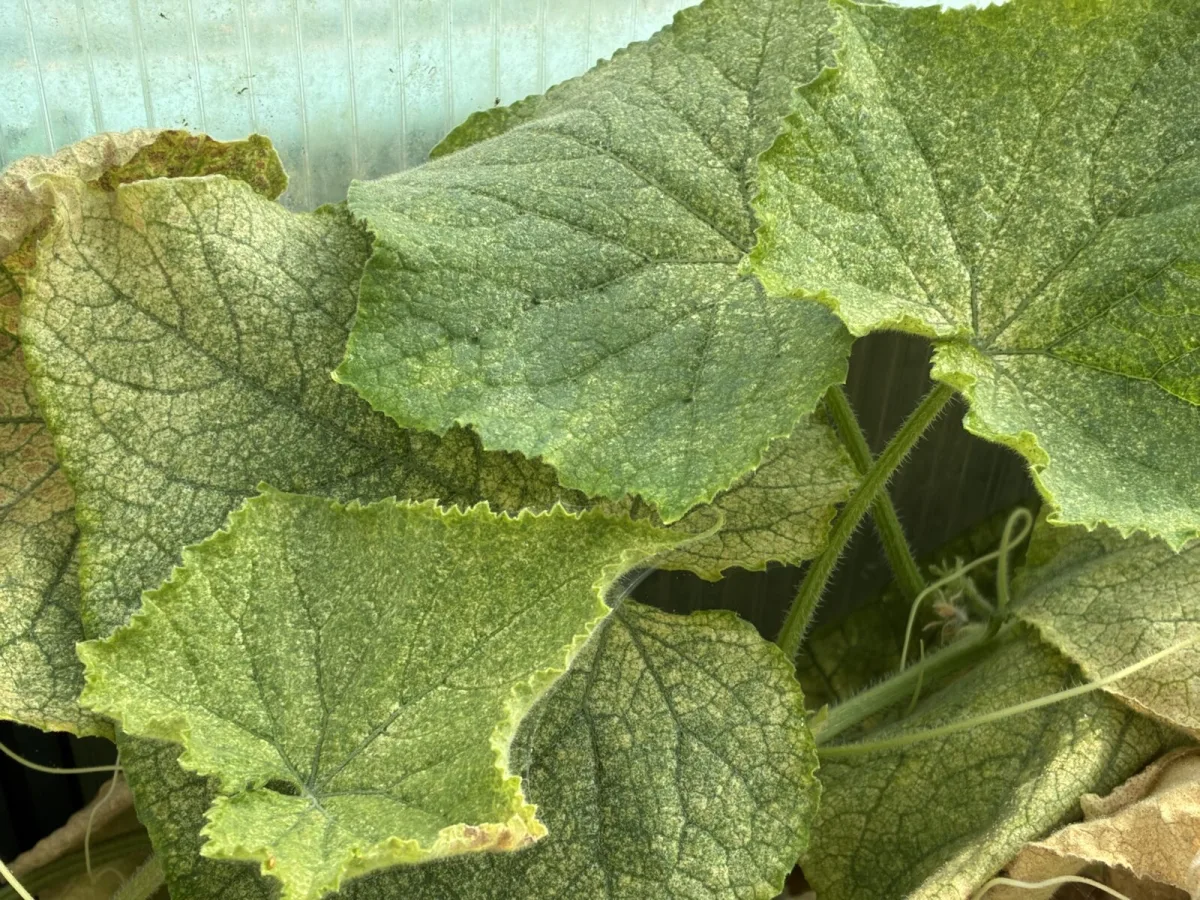
A typical symptom is tiny pale dots and speckling that may be yellow, beige or whitish. The leaf looks stippled, then gradually turns yellow, dries out and may become distorted. On some plants you’ll also see fine web-like threads on the leaves or between the leaves and stem, often resembling a thin, cottony net, especially on the underside of leaves. With heavy infestations, if you look closely you may even spot tiny dots of white, red, green, yellow or brown that actually move across the leaf.
What to do immediately as soon as you suspect them
As soon as you find spider mites, separate the plant from the others as quickly as possible so the pests don’t spread. Isolation is a practical step that often decides whether the problem stays a minor episode or turns into a long household epidemic.
Which plants tend to be most vulnerable
Outdoors, spider mites often attack heat-loving crops such as cucumbers, squash and courgettes, as well as beans and tomatoes. In the garden they can also show up on ornamental trees and shrubs. Indoors, they mainly trouble houseplants with softer, finer leaves and species that prefer light and warmth. The risk rises when the air is dry and the plant is weakened by stress from drying out, poor watering practices or an unsuitable position.
Gentle methods that work without harsh chemicals
With light to moderate infestations, it’s worth starting with approaches that don’t burden the environment or kill beneficial insects. With spider mites, persistence matters, because treatments must be repeated to break their life cycle so new generations don’t keep returning.
Rinsing and spraying with a strong stream of water
One of the simplest options is to rinse the plant thoroughly. Focus on the undersides of leaves, where most mites and eggs are found. A stronger stream of water knocks mites off mechanically, and because they prefer dry conditions, regular rinsing makes it harder for them to come back. You can treat houseplants in the shower, bathtub, or kitchen sink using a spray head. A single wash is rarely enough, so repeat at sensible intervals.
Wiping leaves and gently washing the undersides
On plants with larger leaves, hands-on work helps too. You can carefully wipe the underside of leaves with a clean damp cloth. Some people use water with a few drops of mild washing-up liquid; the goal is mainly to loosen and rinse off the pests. Work gently so you don’t damage the leaves, and then rinse the plant with clean water.
Natural predators as long-term support
Another option is introducing natural enemies. In greenhouses and on some houseplants, predatory mites are used, as well as ladybirds and other beneficial species that hunt spider mites. Buy predators from reputable suppliers and always check that they’re suitable for the specific plant and the time of year, because effectiveness depends on temperature and growing conditions.
Neem oil and oil-based sprays
Neem oil is a natural product derived from the neem tree. It works against several pests including spider mites and disrupts their ability to feed and reproduce. With oil-based products, the key is contact: they must reach the pest to smother it or otherwise disable it. That’s why careful coverage of the undersides of leaves matters when applying. Neem is generally considered a gentler option, but it’s still best to prevent it from getting into water, as it can be harmful to aquatic organisms.

When to reach for stronger measures
If spider mites keep coming back or the infestation is widespread, a stronger intervention is sometimes necessary. Even then, it helps to know that standard insecticides aren’t always ideal, because spider mites are mites, and some products are aimed more at insects. They can also gradually adapt, so repeated use of the same active ingredient may not have the same effect.
Insecticidal soaps and horticultural oils
Specially formulated pest-control soaps can suppress spider mites, but they usually require multiple applications. Highly refined plant-based oils intended for horticultural use work similarly. Compared with some pesticides, they’re often gentler on beneficial organisms, but without thorough coverage of the undersides of leaves the effect is usually weak.
Alcohol spray, used with caution
In home conditions, some people use a solution of alcohol and water, which dries out spider mites. Not every plant tolerates this treatment, so it’s sensible to test on one leaf first and watch for a few days for any scorching or spotting. If the reaction is negative, choose another method.
Acaricides and chemical pesticides as a last resort
With truly heavy infestations, specialised mite treatments are used, known as acaricides. Standard chemical sprays can be broad-spectrum and may also harm beneficial insects; they also need to hit the pest directly to work. That means treating the plant evenly and following label directions. With edible crops, extra caution is needed because of harvest intervals. If repeat treatment is necessary, rotating active ingredients helps, as spider mites can develop resistance.
What encourages spider mites and why they thrive
Spider mites typically thrive in heat and dry air, and often worsen in summer and early autumn. Activity differs between species; for example, mites on conifers can be noticeable even in cooler periods. Indoors, winter is especially risky, when plants sit in dry air and also get less natural air movement and none of the leaf-rinsing effect of rain.
Prevention that saves the most work
The best defence is regular inspection and adjusting conditions. Check plants that spend summer outdoors before bringing them inside, because spider mites can take off quickly indoors in dry air. Also inspect new plants from shops and give them a short quarantine before placing them near others.
Increasing humidity helps too, for example with a humidifier, along with occasional rinsing of leaves with water. A healthy, well-grown plant with appropriate watering and positioning usually resists better than one weakened by stress. If you act at the first speckling and fine webbing, you’ll often avoid having to resort to harsh chemicals.
The quickest improvement usually comes from combining isolation, thorough rinsing of the undersides of leaves, and repeating treatment over time to break the cycle of eggs and newly hatching mites.
Source: Gardening Know How, The Spruce , Pestrazahrada.cz
Related articles
An Orchid That Only Grows but Won’t Bloom Has Three Common Causes You’ll Never Fix with Fertiliser
If your orchid looks healthy but refuses to bloom for months, the cause is usually not a lack of fertiliser. Light, watering habits, and temperature patterns are far more often to blame.

Winter is crucial for raised beds and most people skip the pest prevention step
Your raised beds don’t go dormant just because winter arrives. A few quick, well-timed tasks now will protect the soil, discourage pests, and set you up for a smoother, more productive spring.
When to Mow the Lawn for the Last Time Before Winter
There’s no universal date for the season’s final mow—your lawn and the weather will tell you. Time it just ahead of hard frost and leave the grass slightly higher to help it overwinter healthier and bounce back faster in spring.
Comments (0)
Be the first to comment.