
 English
  Polski
  Deutsch
  Nederlands
  Svenska
  Norsk
Norsk  Dansk
Dansk  Français
  Italiano
  Español
  Português
  Slovenčina
  Suomi
Suomi  Gaeilge
 Grandma’s Feed for Faster Cucumber Growth and a Bigger Harvest
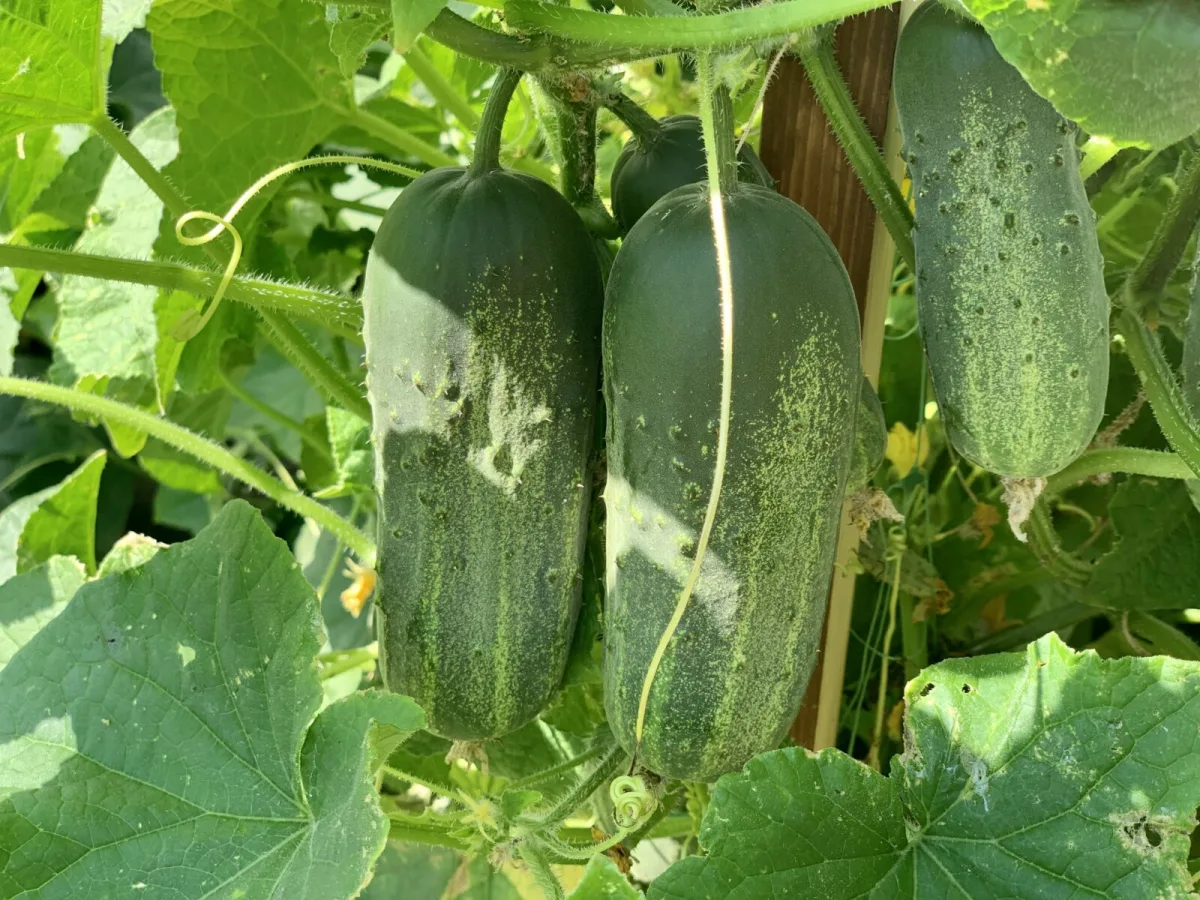
Cucumbers are among the most popular summer vegetables: light, juicy, and incredibly versatile in the kitchen. But anyone who’s grown them knows they can be surprisingly demanding. A sunny spot and good soil aren’t enough on their own; correct watering is just as crucial. When cucumbers don’t like something, they can slow down dramatically, start to languish, or struggle more with disease.
One of the most common issues is water temperature. Cucumbers are sensitive, and cold water can shock them. Instead of growing, the plant conserves energy and may temporarily stall. That’s why it pays to water with lukewarm water, ideally around 18 to 24 °C. In practice, that means avoiding icy water straight from the tap, especially in the morning after a cool night.
Rainwater as the foundation for a happy bed
A very good solution is rainwater. If you collect it in a barrel, it naturally warms up during the day to a pleasant temperature, and cucumbers take it up more readily. It’s also usually gentler than mains water because it typically doesn’t contain as much lime. That’s appreciated not only by cucumbers, but also by other vegetables and ornamental plants that can be more sensitive to hard water.
But if you want to give cucumbers something extra, there’s a simple watering feed that people in the countryside have passed down for years. It’s based on an ingredient that often ends up as waste, yet it hides valuable compounds.
Onion-skin water and why growers swear by it
We usually throw onion skins away because they aren’t used in cooking. Yet they can serve as a nourishing and supportive feed for cucumbers. They contain a range of beneficial substances plants need for vigour, leafy growth, and setting fruit.
The skins contain vitamins, antioxidants, and important minerals. For cucumbers, sulphur is often mentioned most, along with phosphorus and potassium. Sulphur is valuable because it supports growth and may also help strengthen the plant’s natural defences. Growers’ experience also suggests that the smell and make-up of onion skins can make life harder for certain pests, such as aphids or whiteflies, which love to attack cucumbers.
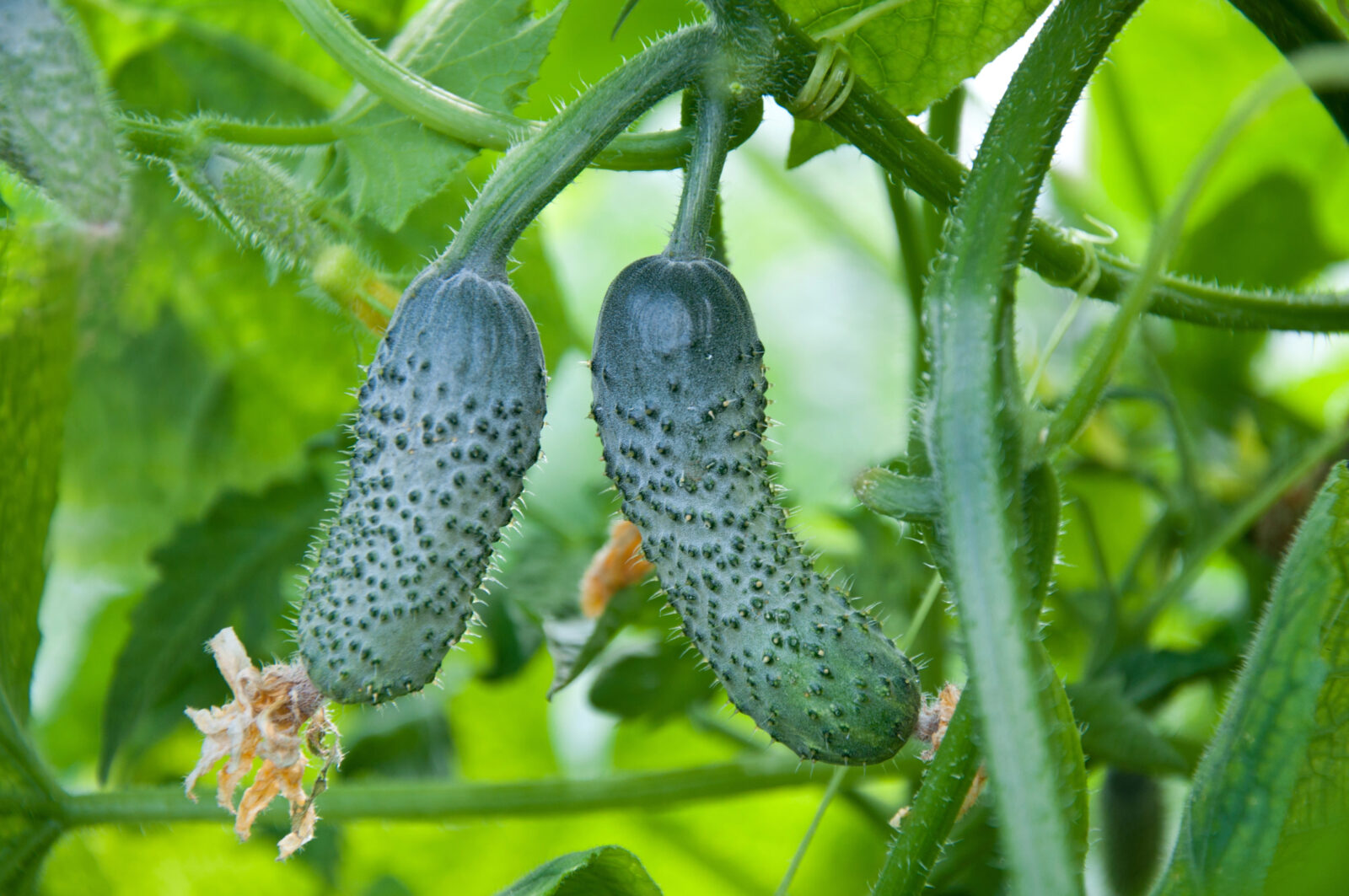
How to make a simple liquid feed from the skins
Preparation is easy and doesn’t require any special equipment. It’s best to let the collected skins dry out first, even in the sun, so they aren’t damp and don’t start to go mouldy. Then you can crush them into smaller pieces or even a powder, so the active compounds release into the water more readily.
Next, put about four handfuls of skins into a container and pour over one litre of water. Let the mixture stand for roughly two to three days to become an infusion. Before use, it’s a good idea to dilute it, ideally at a one-to-one ratio with clean water, so it isn’t unnecessarily concentrated. Water cucumbers with this feed in the morning or evening, when plants aren’t scorching hot from the sun and take up water more effectively.
Boosting resistance to mildews and other problems
Regular use of onion water can supply the bed not only with nutrients but also with a bit of immune support. That matters especially in periods of warmth and humidity, when cucumbers are prone to issues such as downy mildew or powdery mildew. Of course, this feed won’t replace good cultivation practices, proper airflow through the crop, and sensible watering at the root zone, but it can help plants handle stress and stay in better condition.
You can often see the results in the overall look of the plants, their growth rate, and how long cucumbers stay vigorous. If you combine lukewarm water, ideally rainwater, with the occasional onion-skin feed, you’ll create a simple routine that cucumbers like and that can contribute to a heavier, more reliable harvest.
Source: Gardening Know how, Receptář, RHS, Pestrazahrada.cz

A lover of nature, gardens, and everything that moves, blooms, or grows. He literally grows everything, from herbs to rare species, and he enjoys caring for animals just as much. In his work, he connects modern technology with tried-and-tested grandmotherly methods and is happy when both paths lead to the same goal.
Related articles
After harvesting blueberries do these steps and you will pick twice as much next year
Once the last berries are picked, your blueberry bush is already setting the stage for next season. A little pruning, the right feeding, steady moisture and fresh mulch can mean far more flowers and fruit next year.
August decides whether cucumbers keep cropping or stay strong into October
Cucumbers often start to tire late in the season, with weaker nutrient uptake and more pressure from pests and disease. A simple root drench made with diluted vinegar is one option some gardeners use in August to help keep plants productive for longer.
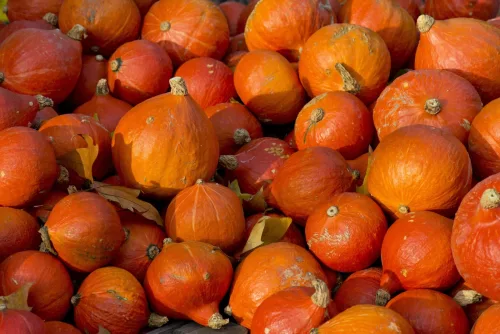
Pinch Out the Pumpkin Tip and the Plant Will Put Its Energy into Ripening the Fruit
Hokkaido squash is a reliable winter squash with a rich, nutty flavour and straightforward cultivation. Learn when to sow and plant it, how to pinch it for better ripening, and how to harvest and store it for months.
Comments (0)
Be the first to comment.