
 English
 Polski
 Deutsch
 Nederlands
 Svenska
 Norsk
 Dansk
 Français
 Italiano
 Español
 Português
 Slovenčina
 Suomi
 Gaeilge
Autumn planted grapevines bud earlier the most common mistake happens before they even go in the ground
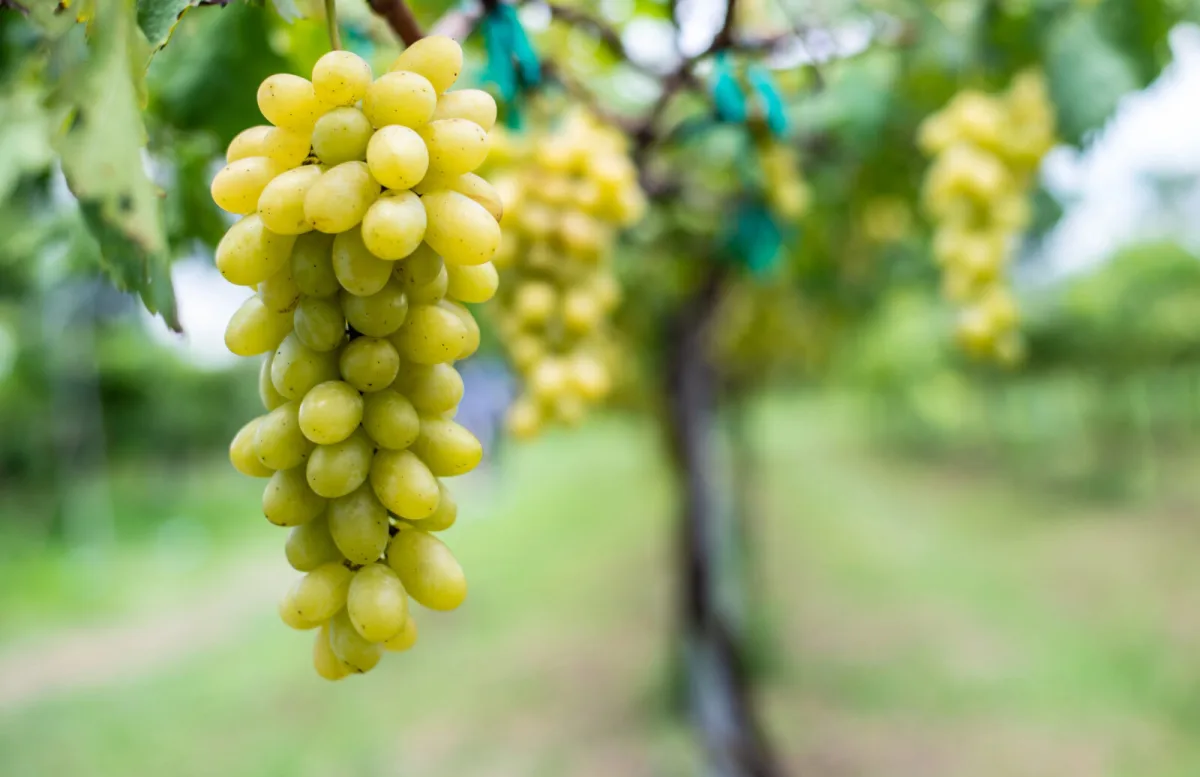
Planting grapevines in November can be very rewarding if it’s done correctly and on time. Even though it’s already chilly above ground and morning frosts are common, the soil holds on to stored warmth for a while. Young vines can take advantage of that. The top growth settles into winter dormancy, but roots below the surface can keep working, establishing and taking up moisture.
That gives the plant a head start in spring. It doesn’t have to rebuild contact with the surrounding soil first; instead, it can draw straight on reserves stored in the roots and wood for quicker budbreak. Compared with spring planting, it can start growing several weeks earlier. In spring, by contrast, a young vine tends to depend more on regular watering and takes longer to build a strong, reliable root system.
The most important thing is a properly deep hole
The success of November planting is decided mainly by the depth of the planting hole. It should be up to about 80 cm. This is a figure that’s easy enough to stick to, yet it significantly influences several key factors at once. Setting the roots deeper increases protection from frost, improves the vine’s stability, and also helps create suitable conditions for drainage and nutrient supply.
You can place a drainage layer of gravel or crushed stone at the bottom so water doesn’t collect around the roots. Above that goes loose soil enriched with compost or well-rotted manure. The roots must not sit directly on manure; they always need to be separated by a layer of plain soil. Shallow planting is one of the most common mistakes, because roots in the topsoil are more easily damaged by drought and bare frosts.
Problems also arise when the grower digs the hole and backfills it again the same day. Fresh soil settles over time and can pull the plant down lower than intended. Ideally, prepare the hole in advance. If that isn’t possible, backfill gradually in layers, water in, and lightly firm each layer.
How to set the young vine correctly
When planting, you need to watch two points. The root heel should be deep enough, but the graft union must remain above the soil surface. With grafted vines, the grafted section should sit about 5–7 cm above ground level. If it were permanently buried, the scion could start rooting on its own and the benefit of the rootstock would be lost.
Before planting, it’s a good idea to soak the vine in water for about a day. Trim the roots, remove any damaged parts, and cut the main shoot back to two or three buds. In the prepared hole, spread the roots down and out over a small mound of plain soil so they don’t bend upwards. After backfilling, water thoroughly and, if needed, top up soil so the graft remains at the correct height.
Planting time depends on the location
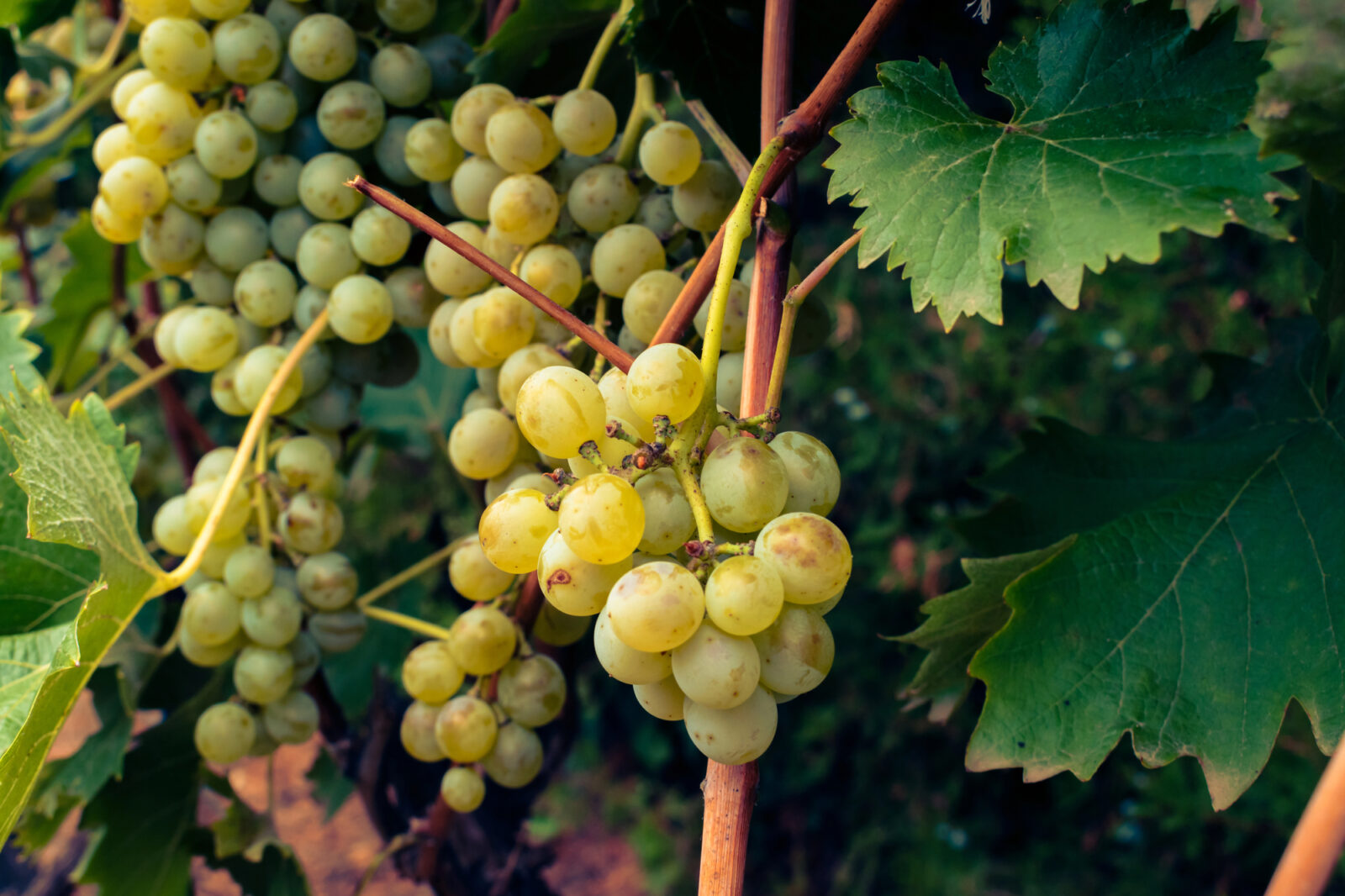
The same approach doesn’t apply everywhere. In warmer areas of South Moravia or in sheltered gardens, you can still plant in the first half of November. In lower-lying parts of Bohemia, late October or the first days of November are safer. In cooler basins and higher elevations, autumn planting is only suitable during prolonged mild weather; otherwise it’s more reliable to wait until spring.
The basic rule always applies: plant only into unfrozen soil and before hard, lasting frosts arrive. Choosing the right site matters too. Vines do well on gentle slopes facing south, south-east, south-west or west. Unsuitable are places where cold air pools, such as the bottom of a garden or enclosed hollows. In cooler areas, a spot near a south-facing house wall can also be an advantage.
Protection through the first winter is essential
After leaf fall, it’s advisable to earth up the young vine to a height of about 25 cm. This provides basic protection for the root zone. Above the mound, you can add dry leaves, straw or evergreen boughs. The cover should protect against sharp frost and excessive moisture, but it must remain airy. Plastic sheeting can be used only as a top cover against rain, never as a tight wrap.
Over winter, grapevines need dryness and air rather than airtight wrapping that would encourage rot and mould.
In spring, remove the protection gradually depending on the weather. If you’re unsure whether the vine has survived, lightly scrape the bark on the shoot. Green, moist tissue is a sign of life. Then all that’s left is to wait for the first buds to wake up and for the vine’s autumn head start to show.
Source: Gardenia, Viveros, Pestrá zahrada, Pestrazahrada.cz

A lover of nature, gardens, and everything that moves, blooms, or grows. He literally grows everything, from herbs to rare species, and he enjoys caring for animals just as much. In his work, he connects modern technology with tried-and-tested grandmotherly methods and is happy when both paths lead to the same goal.
Related articles
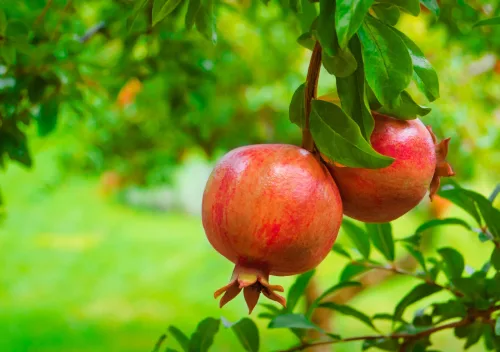
Drought tolerant fruit trees for Czech gardens that handle heat and winter frosts
Warmer summers and longer dry spells are changing what can be grown in Czech gardens. With the right variety and a sunny, sheltered spot, olives, pomegranates and figs can cope with heat, drought and even winter cold.
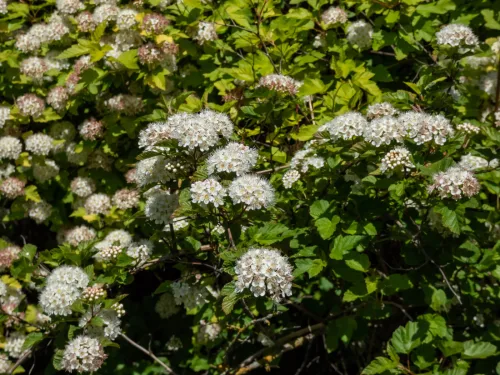
Thuja hedges are on the way out gardeners are choosing a shrub that shrugs off frost and drought and never looks dull
Thuja may be a long-standing classic, but today’s hedges are increasingly built from more varied shrubs that look better through the seasons. One standout choice is ninebark, prized for its toughness, colour and easy care.
Ten Crops to Sow Before Winter for an Earlier Spring Harvest
Autumn sowing lets hardy vegetables and herbs root in before frosts, so they spring into growth as soon as temperatures rise. With the right timing and bed preparation, you can harvest noticeably earlier in the new season.
Comments (0)
Be the first to comment.