
 English
  Polski
  Deutsch
  Nederlands
  Svenska
  Norsk
Norsk  Dansk
Dansk  Français
  Italiano
  Español
  Português
  Slovenčina
  Suomi
Suomi  Gaeilge
 Most common mistakes when planting garlic in autumn and how to avoid them
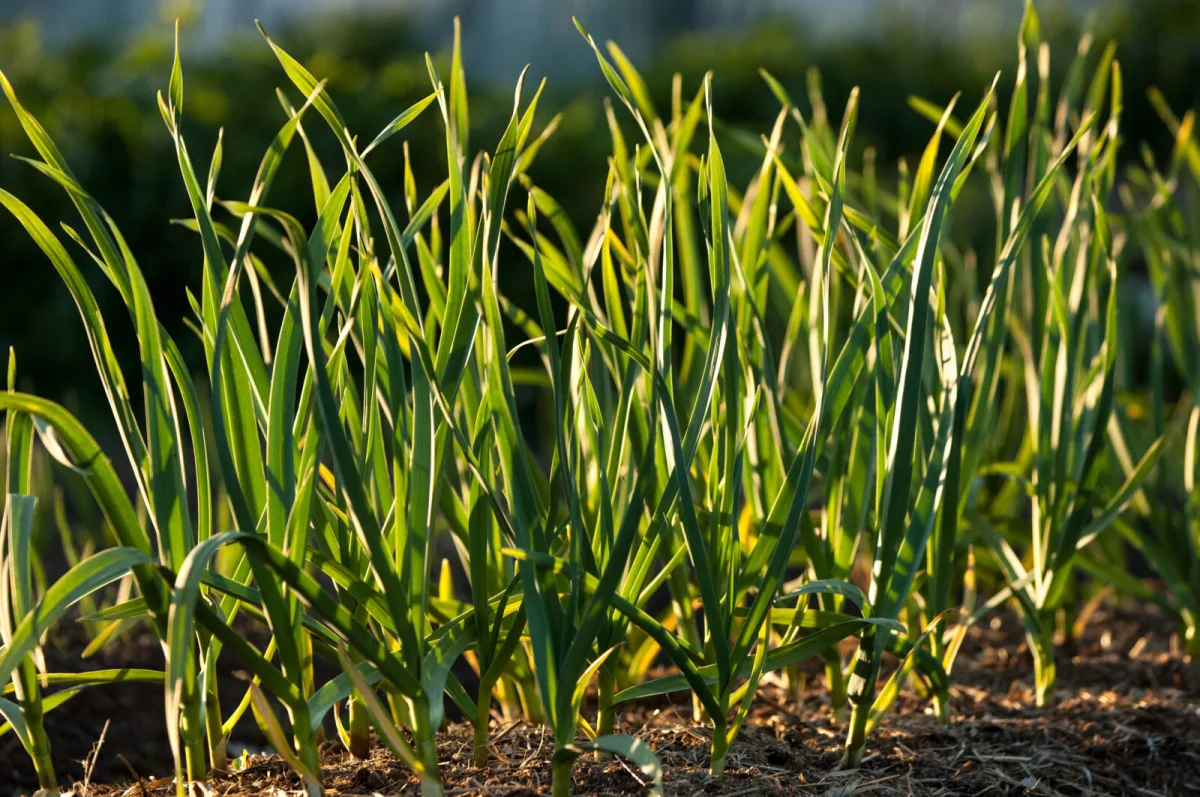
Autumn planting of winter garlic comes with one treacherous trap that keeps cropping up among beginners and more experienced growers alike. The biggest problem often doesn’t arise when planting the cloves themselves, but later on, when the bed is covered with mulch too early. Well-meant protection can, instead of helping, set off a chain of issues that ends with weakened plants or the loss of part of the crop.
Mulching is an excellent tool for protecting soil and plants, but with garlic it depends on when and how you use it. If you choose the wrong moment, a warmer microclimate forms under the cover and the garlic can unexpectedly be prompted into growth, even though it should be focusing mainly on rooting.
When to cover the bed after planting so garlic doesn’t sprout too early
After planting, it doesn’t pay to rush. If you cover the bed straight away, the soil holds warmth and moisture for longer, which during a mild autumn can signal garlic to start sprouting. That’s undesirable, because the above-ground growth is sensitive at this stage and easily damaged.
The right approach is to wait for genuinely cold days, when temperatures stay consistently lower and the soil surface begins to lightly freeze. Only then does it make sense to add a protective layer that acts like a winter “duvet” and helps maintain more even conditions through winter swings.
What happens if garlic starts growing and then frosts arrive
Premature growth weakens garlic. When green tips appear after a mild spell and then hard frost hits, young shoots can be frost-damaged. The plant then has to put energy into recovery in spring instead of building a strong bulb, which can show up as smaller heads and lower harvest quality.
In some situations, the problem gets worse. If it’s too wet under the mulch and the weather fluctuates, cloves can be damaged, overwintering becomes poorer, and they may even rot in the soil.
Which mulch is suitable for garlic and why
A simple, natural option that works well is dry fallen leaves, for example from apple or pear trees. This material is easy to get, insulates well, and also helps protect the soil from sharp freezing that could disturb the root zone.
What matters is that the material is truly dry and airy. Mulch should act as a protective layer against winter, not as a wet lid that traps excess moisture and reduces airflow in the top layer of soil.
How thick a layer to choose so mulch doesn’t do harm
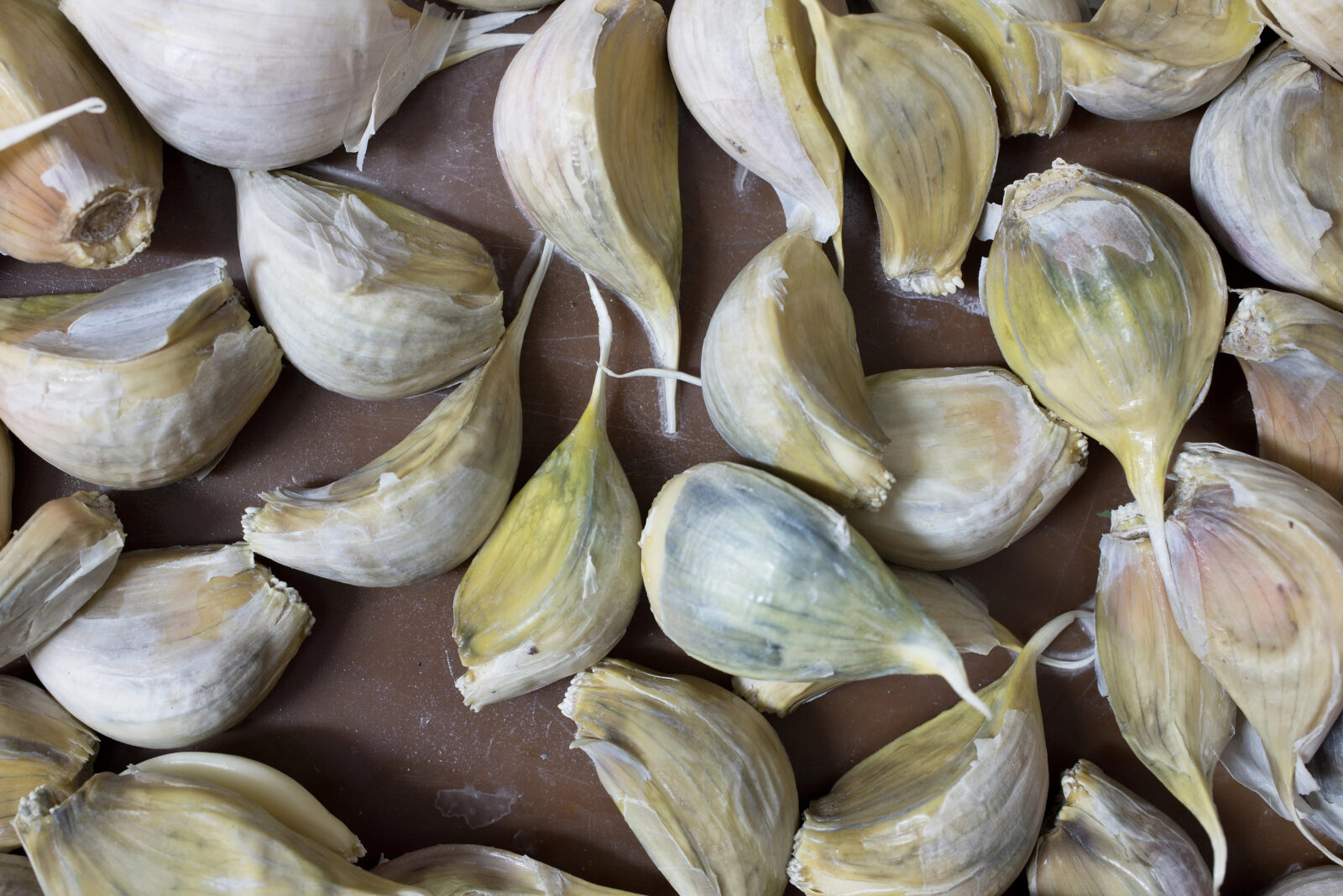
With garlic, less is often more. Usually a layer of up to about 5 cm is enough. That thickness can soften temperature swings without overdoing water retention.
A layer that’s too thick can create a persistently damp environment that worsens conditions in the bed. In wet periods, the risk of rot increases and the natural drying of the soil surface after rain or a thaw can be slowed.
What to watch out for when planting garlic in autumn
The key is balance. Garlic needs time before winter to establish roots, but you also don’t want it pushing above the soil too soon. So don’t follow an automatic rule that the bed must be covered immediately after planting. It’s far more reliable to watch the current weather, temperature trend, and the condition of the soil.
Mulching should be winter protection, not an encouragement for further growth. So if you want strong plants in spring and good-looking bulbs in summer, remember one simple principle: don’t rush to cover the bed, and add mulch only once the cooling has settled in and the soil starts shifting into its winter mode.
Practical rule: Add mulch only when the cold has lasted several days in a row and the soil surface is lightly freezing.
Source: Gardening Know How, To je nápad, GrowVeg, Pestrazahrada.cz

A lover of nature, gardens, and everything that moves, blooms, or grows. He literally grows everything, from herbs to rare species, and he enjoys caring for animals just as much. In his work, he connects modern technology with tried-and-tested grandmotherly methods and is happy when both paths lead to the same goal.
Related articles

When Other Flowers Fade Asters Are Just Getting Started
Asters step in just as summer colour starts to wane, flooding borders with late-season blooms. They’re also a valuable nectar source for pollinators and later a seed larder for birds.
Drought tolerant fruit trees for Czech gardens that handle heat and winter frosts
Warmer summers and longer dry spells are changing what can be grown in Czech gardens. With the right variety and a sunny, sheltered spot, olives, pomegranates and figs can cope with heat, drought and even winter cold.
Thuja hedges are on the way out gardeners are choosing a shrub that shrugs off frost and drought and never looks dull
Thuja may be a long-standing classic, but today’s hedges are increasingly built from more varied shrubs that look better through the seasons. One standout choice is ninebark, prized for its toughness, colour and easy care.
Comments (0)
Be the first to comment.