
 English
  Polski
  Deutsch
  Nederlands
  Svenska
  Norsk
Norsk  Dansk
Dansk  Français
  Italiano
  Español
  Português
  Slovenčina
  Suomi
Suomi  Gaeilge
 Autumn Raspberry Planting Has a Big Advantage If You Follow Three Rules
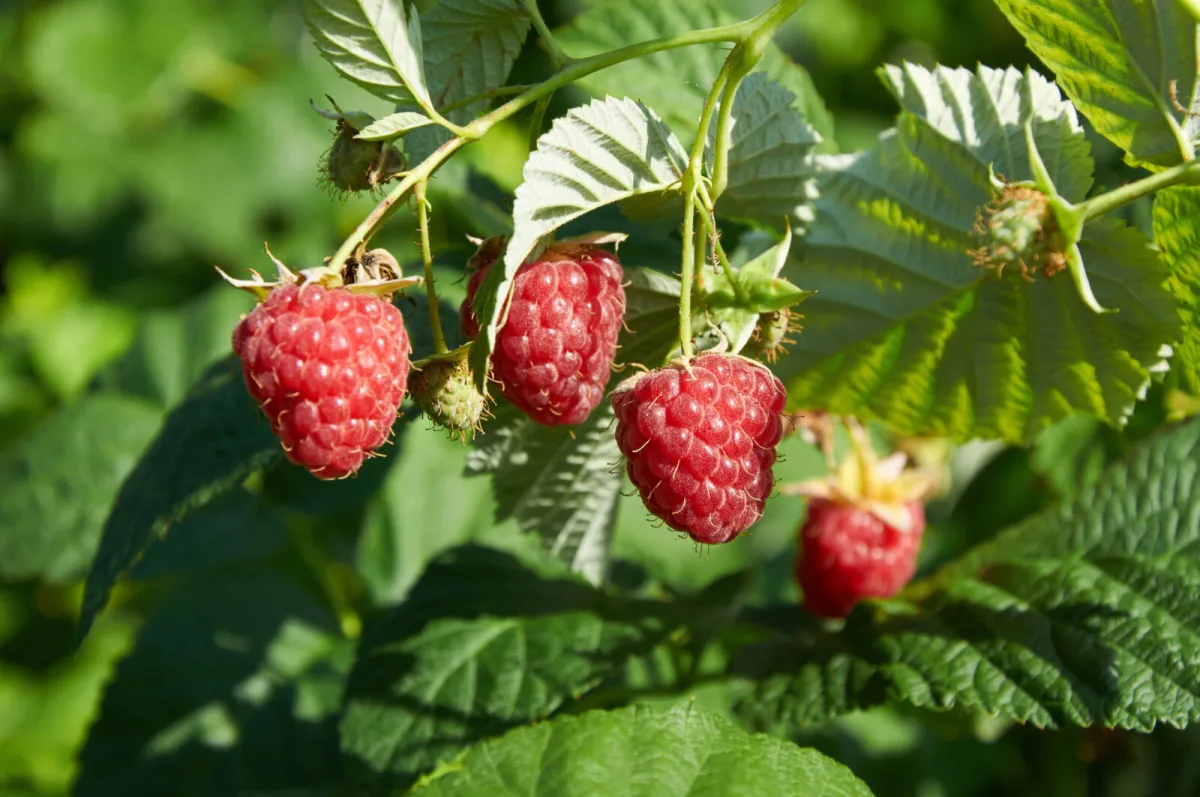
With raspberries, gardeners can get an unpleasant surprise when they plant a nice, healthy-looking cane in autumn, only to find in spring a weakened plant that wakes up poorly, or has even dried out completely. Often it isn’t the plant’s fault at all, but rather an unsuitable planting date, a poorly chosen site, or a mistake during planting itself. Autumn planting makes a lot of sense because it gives the raspberry time to establish a root base before the next season starts. For it to work, you need to stick to a few simple rules and not overlook the details.
When is the best time for autumn raspberry planting
The biggest mistake is waiting until the first hard frosts arrive or until the soil starts to freeze. Raspberries do best when they have roughly three to four weeks before sustained frosts set in, so the roots have time to respond to their new conditions. In many areas this falls in late September and October, but watching what’s happening in your garden is better than relying on the calendar. The ideal moment is when the canes are no longer actively growing, but the ground is still workable and unfrozen.
The right spot matters more than most people think
Raspberries need plenty of light, otherwise they become leggy and crop poorly, but they also can’t tolerate prolonged waterlogging. So don’t plant them where water regularly sits after rain or in spring during snowmelt. A good site is sunny, at least partly sheltered from strong wind, with loose, fertile soil and enough room for the plants to naturally spread over time. If you’re choosing between sun and a shaded spot that stays damp, raspberries will almost always do better in sun with well-drained soil.
How to prepare a hole or trench and how to improve the soil
For a single plant, a planting hole about 35–40 cm deep and around 40 cm wide is usually enough. If you’re planning several plants in a row, it’s often more practical to dig a continuous trench, because it’s easier to condition the soil along the whole line. Mix the excavated soil with good-quality, well-matured compost or well-rotted humus. Use fresh manure with caution, and above all don’t let it touch the roots directly, because it can damage fine root tissue.
The most common mistake is planting too deep
With raspberries, deeper planting isn’t a safeguard, it’s a problem. Gently spread the roots in the prepared hole, backfill with loose soil, and once the soil has naturally settled, the root collar should be roughly level with the surrounding ground. Press the soil lightly by hand around the plant, just enough to remove large air pockets around the roots. But don’t compact it unnecessarily; raspberries appreciate soil that stays well aerated.
Watering after planting is essential, even if the soil is moist
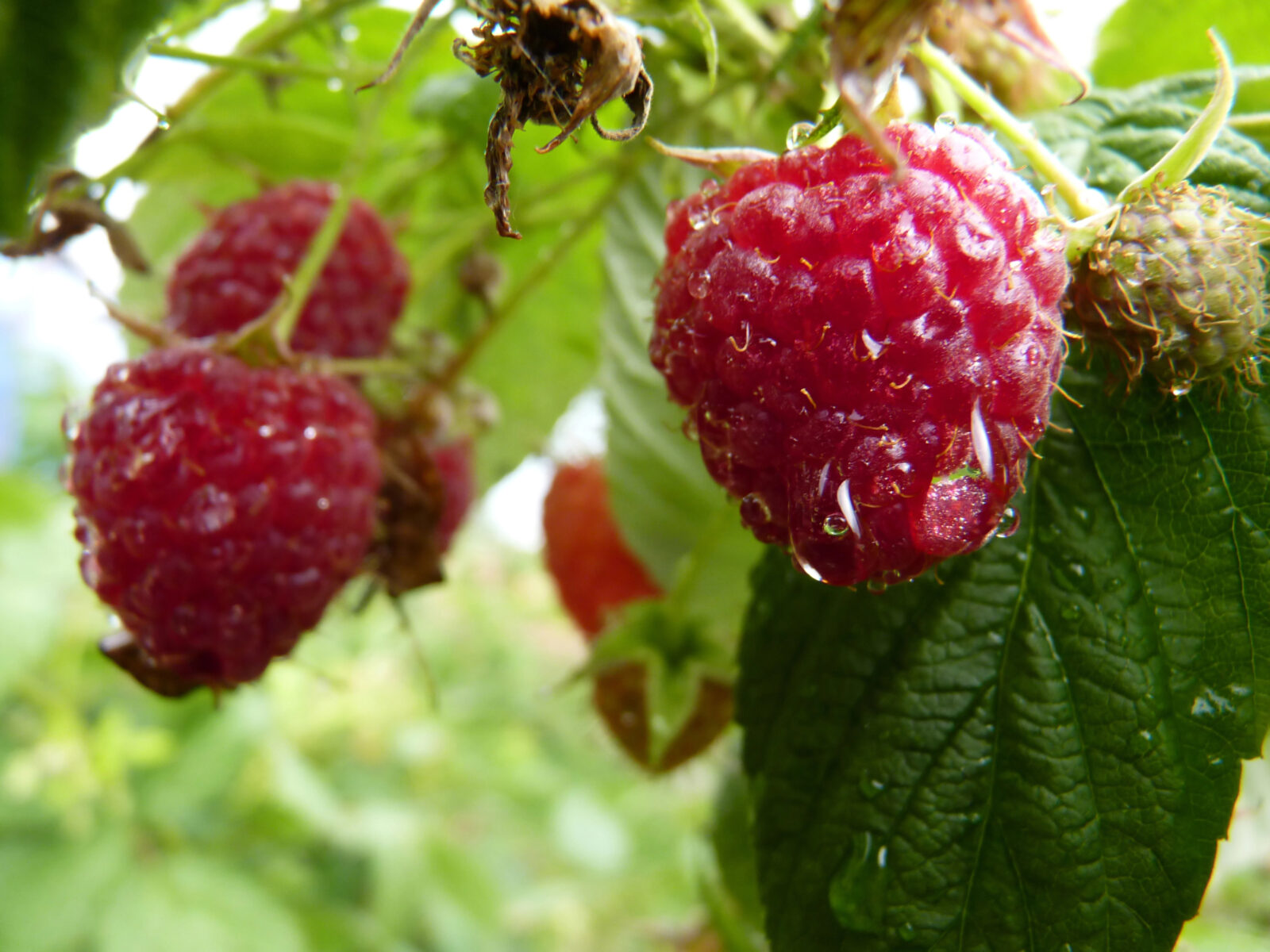
After planting, water the raspberry thoroughly. Watering helps the soil settle and creates better contact between the roots and the soil. This applies even if the ground seems wet enough after rain, because a direct soak at the roots often does more than general moisture in the bed.
Don’t skimp on spacing for light and disease prevention
Raspberries need room and good airflow. When plants are too close together, they’re harder to light properly, leaves stay wet longer, and the planting is more likely to become humid and stagnant. That makes pruning, harvesting, and general care more difficult, and it also increases the risk of problems during the season. Between individual plants, about 50–70 cm is typical, with roughly 1.5–2 m between rows so you can walk and work comfortably.
Mulch before winter protects roots from temperature swings
After watering, it’s worth mulching around the plant, because it helps maintain even moisture and also buffers sharp temperature changes that can weaken roots. Compost, mature humus, straw, or dry leaves work well. The layer doesn’t need to be extremely thick; the goal is protection, not trapping excess water. An overly dense, wet mulch can instead contribute to waterlogging.
Why you shouldn’t be afraid to shorten long canes after planting
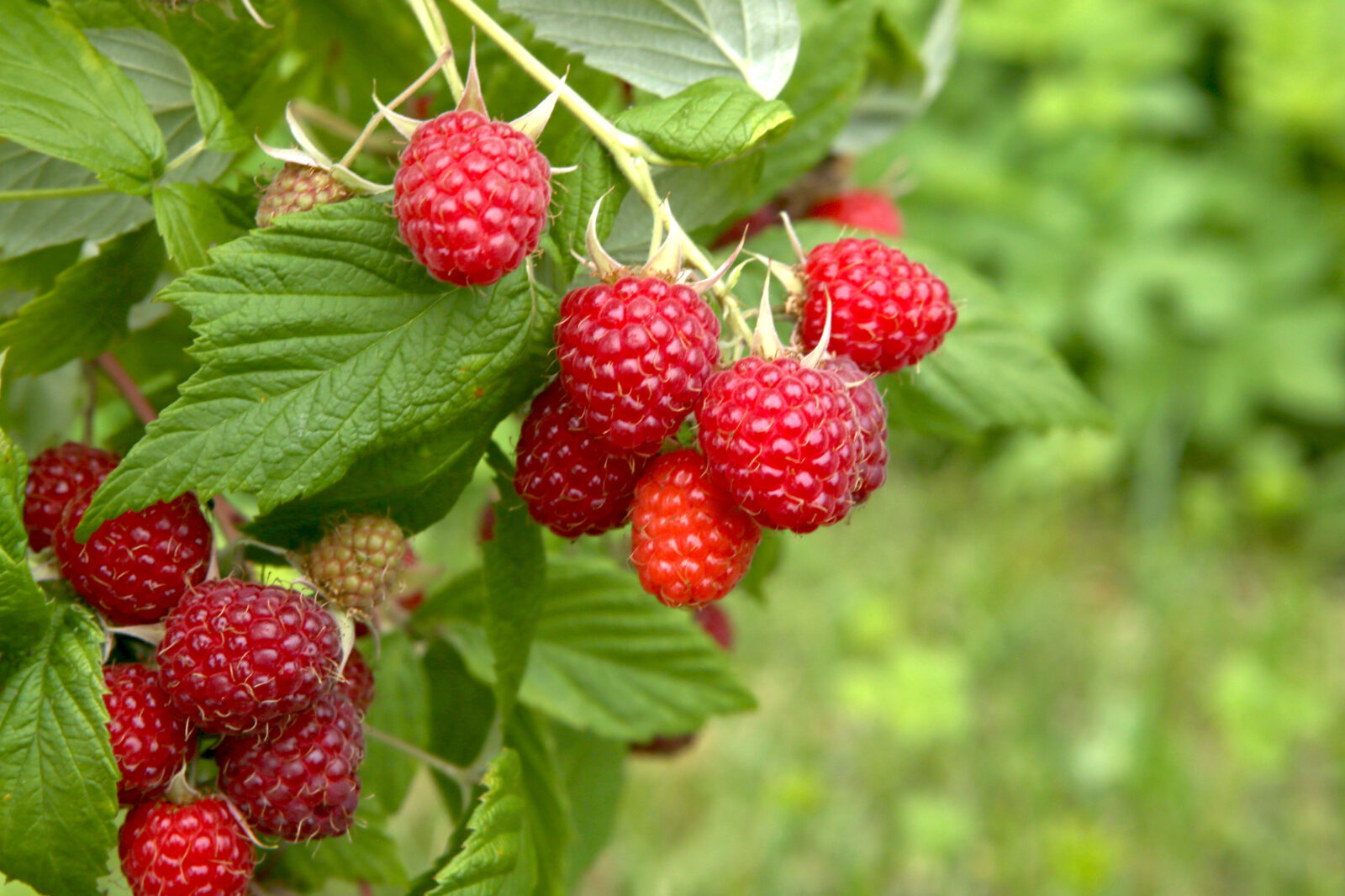
A common mistake is leaving long above-ground canes just because they look strong and it feels like a shame to cut them back. After planting, the canes are usually shortened to about 20–30 cm, depending on the type and condition of the plant. That way the plant doesn’t have to support a large top, and it can focus its energy on rooting, which shows up in spring as a faster start and better vigour. Always take into account how the plant looks and what condition it’s in.
What autumn planting gives you in spring
If you plant at the right time, in the right spot, and without avoidable mistakes, the raspberry can establish the foundations of its root system before winter. In spring it doesn’t start from scratch, it doesn’t have to put all its strength into simply getting established, and it produces new shoots more readily. The result is typically stronger growth, better resilience, and over time a healthier, more productive raspberry patch.
Three principles worth sticking to
Don’t plant raspberries too deeply, don’t choose a site with standing water for long periods and don’t put planting off until the soil is already frozen.
If you follow these rules, autumn planting will usually pay off for raspberries. Then in spring you have a much better chance of seeing sturdy, healthy young shoots that gradually develop into a strong, productive raspberry bed.
Source: Sustainable Market Farming, GrowVeg, Pestrazahrada.cz

A lover of nature, gardens, and everything that moves, blooms, or grows. He literally grows everything, from herbs to rare species, and he enjoys caring for animals just as much. In his work, he connects modern technology with tried-and-tested grandmotherly methods and is happy when both paths lead to the same goal.
Related articles
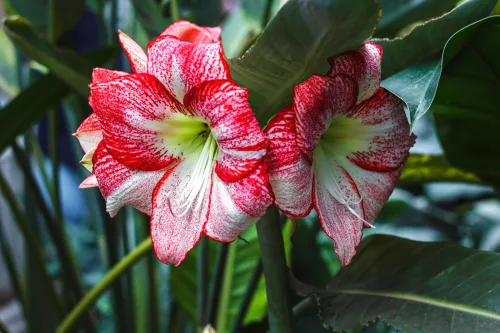
The Christmas Amaryllis That Can Bloom for Years but Most People Throw It Away After Flowering
Hippeastrum is a spectacular winter-blooming bulb that, with the right care, will flower again year after year. Learn how to plant it correctly, look after it after flowering, and bring it into dormancy so it reliably reblooms.
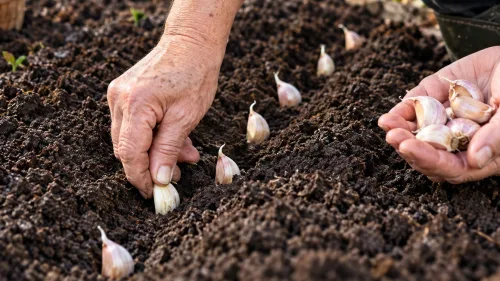
How to Grow Winter Garlic for a Much Bigger Harvest
Autumn planting is the key to strong, healthy winter garlic, but the details make all the difference. With the right timing, bed choice, seed-clove treatment and a simple bicarbonate trick, you can noticeably boost yield.
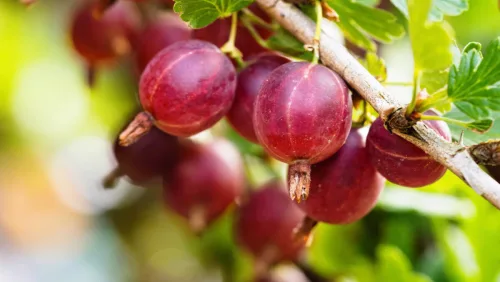
A tree or shrub planted properly in autumn can outpace spring stock and improve fruiting
Many fruit trees and soft-fruit shrubs establish better when planted in autumn, because roots keep growing while the top is dormant. Done well, this head start means stronger spring growth, less watering, and a healthier first year.
Comments (0)
Be the first to comment.