
 English
  Polski
  Deutsch
  Nederlands
  Svenska
  Norsk
Norsk  Dansk
Dansk  Français
  Italiano
  Español
  Português
  Slovenčina
  Suomi
Suomi  Gaeilge
 Autumn tasks that determine how many blackberries you’ll harvest next year
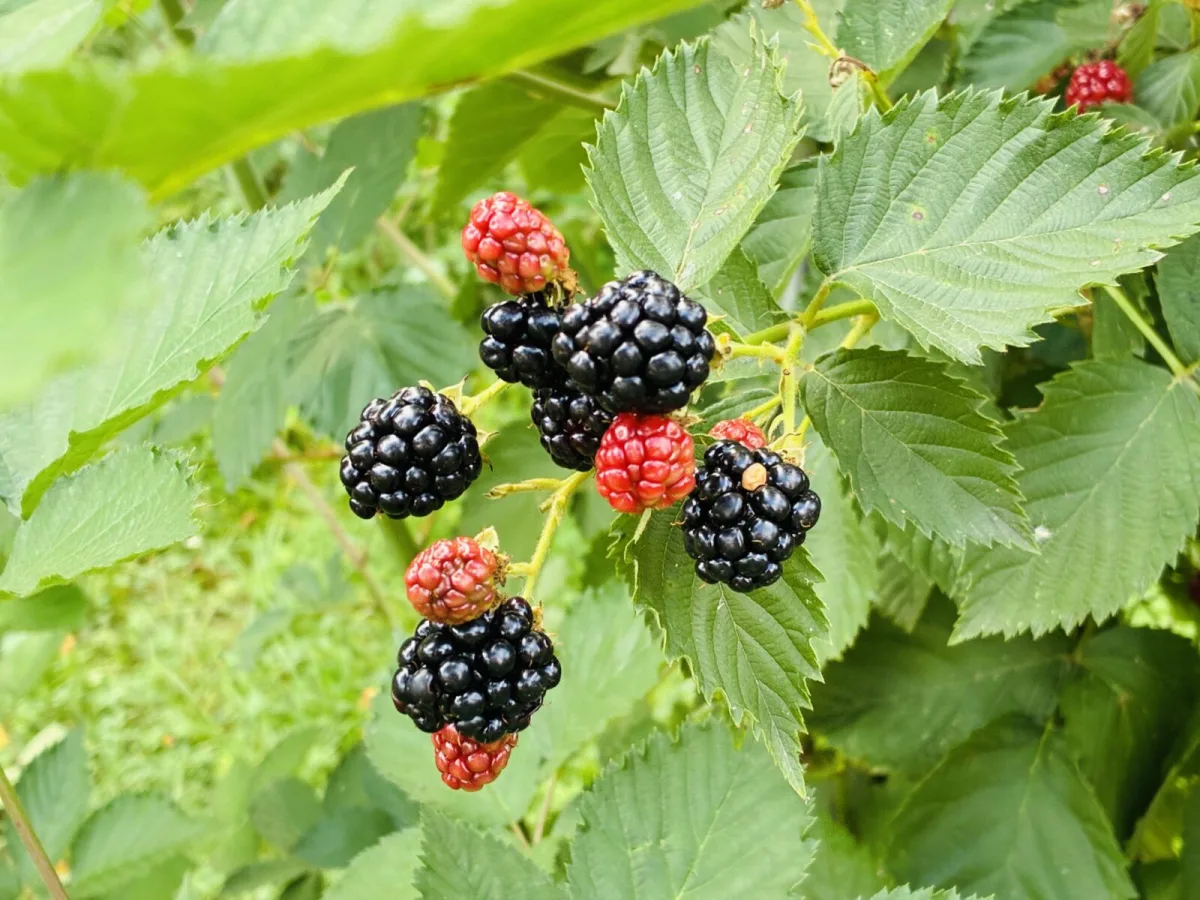
Blackberry bushes are sometimes seen as unruly, hard-to-manage plants. They often throw long canes, spread sideways, and on some cultivars the thorns make the work even trickier. But if you give them the right care before winter, they’ll repay you with a long life and reliable harvests. A well-trained, healthy plant can crop for many years, so it’s worth doing a few autumn steps that reduce disease risk, limit pests, and help the plant come safely through the cold season.
Clean-up after harvest is the foundation
Once fruiting is finished, remove any fallen, rotting, damaged or diseased berries. Fruit left on the ground attracts insects and small animals, and it can also shelter pathogens and overwintering pests. The same goes for old leaves and dead canes. A thorough tidy-up around the plants helps prevent issues next season and improves overall hygiene in the patch.
Check the soil and feed sensibly
Before winter, it’s a good idea to check the condition of the soil, ideally with a soil test. Blackberries do best in slightly acidic conditions, roughly in the pH 5.5 to 6.5 range. If the soil is too alkaline or too acidic, you can correct it with appropriate amendments. Phosphorus and potassium levels are also important, as they support roots, fruiting, and better resilience to stress.
You can apply fertiliser as a single dose around the time of winter pruning, or split feeding into several applications through the year and add the final one in autumn. That last autumn feed supports the development of strong new canes for the following year. However, more nutrients aren’t better—excess feeding doesn’t help the plant. The best approach is to supply only what the soil actually needs.
Weed control without damaging roots
Blackberries have a fairly shallow root system, so weeds easily steal moisture and nutrients. Autumn weeding is therefore very important, especially in young plantings. After clearing around the plants, a layer of compost or mulch helps suppress new weeds and improves soil conditions at the same time. Weed-suppressing ground covers can also work well, as long as they’re used in a way that doesn’t harm the plants themselves.
Don’t stop watering too early
Many growers ease off after harvest, but blackberries still need water once fruiting is over. During the growing season they benefit from regular watering, and after harvest it’s best to continue until the soil truly freezes. That way the plants go into winter well hydrated and in better condition. Once the ground is frozen, water can’t reach the roots, so it’s important to top up moisture in time.
Protection from wind, snow and ice
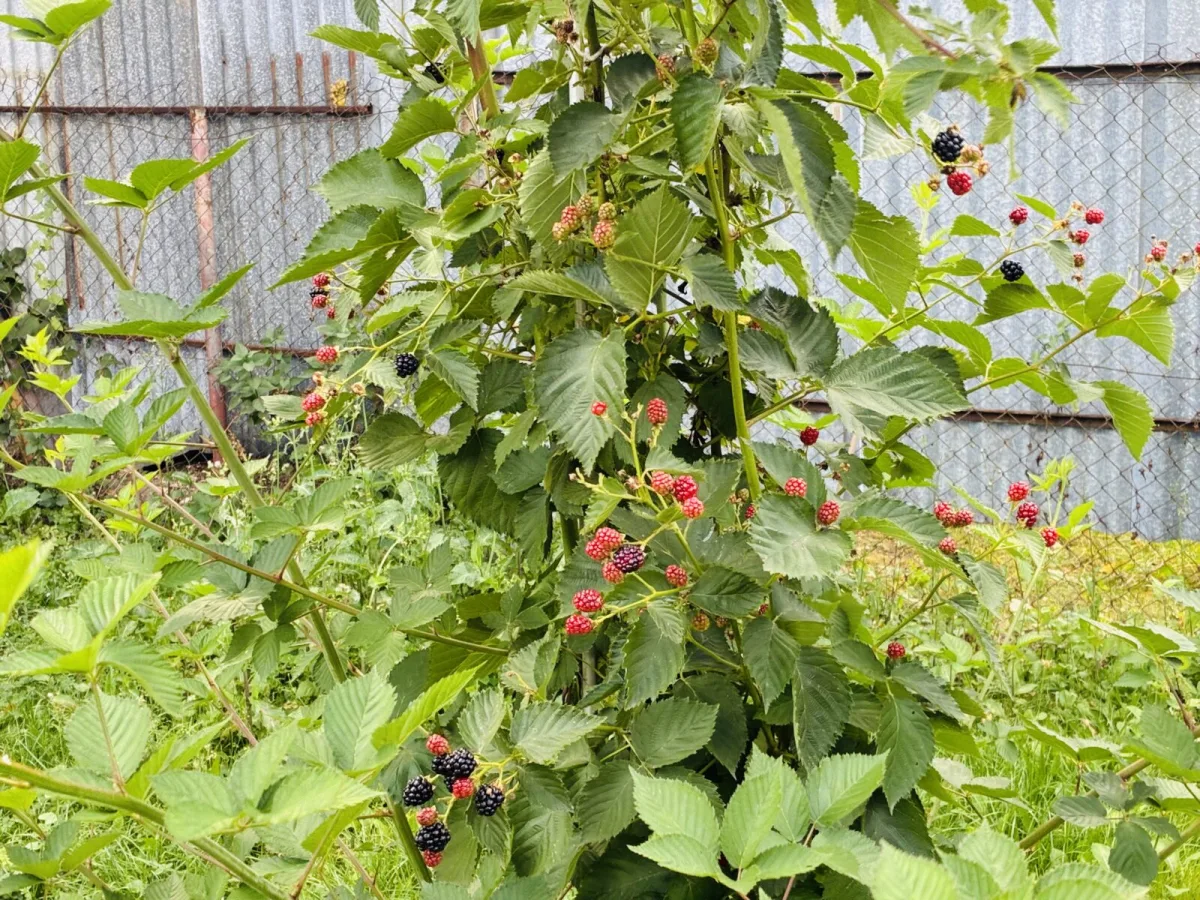
How you overwinter blackberries depends on the cultivar and your local conditions. Some blackberries tolerate frost with few problems, while others need more protection. In windy areas, a windbreak or protective barrier helps reduce gusts and drifting snow. With a small number of plants, you can also use a fabric cover such as burlap or a light cotton cloth, which must be removed in good time in spring.
In colder regions, it pays to choose cultivars known for higher frost hardiness. Suitability often comes down to whether the plant can get through winter without significant losses to canes and buds.
Mulch does more than just protect against cold
One of the most important steps is autumn mulching. A layer of good, well-rotted compost or other organic material protects the crown, reduces temperature swings, holds moisture, and improves soil structure. Mulch also slows spring weed growth and supports soil life. Blackberries generally thrive in free-draining soil rich in organic matter, so adding compost in autumn brings several benefits at once.
Suitable materials include wood chips, grass clippings, residues from green manures, or pine needle litter. What matters is that the material isn’t fresh in a form that could rob plants of nitrogen or encourage rot right at the base of the canes.
Prune according to growth habit
Correct pruning has a major impact on next year’s crop, berry size, and how easy picking will be. Remove damaged, weak, and over-aged canes, and open up the plant so more light and air can reach the centre. This reduces disease pressure and helps the plant fruit better.
Upright cultivars
These types tend to be more cold-hardy. They’re usually pruned while dormant. Keep the strongest two-year fruiting canes at sensible spacing, and shorten lateral branches. After pruning, it’s worth tying the canes in so the plant is evenly supported and has a tidy, easy-to-manage shape. Summer tipping of young canes can also encourage them to thicken, helping them stand up better to rain, snow and wind.
Semi-erect cultivars
These plants may fruit later, sometimes well into autumn, so their pruning time can shift slightly. They also benefit from a combination of summer tipping and winter pruning. The aim is to keep the plant airy, easy to access, and ready for strong growth next season.
Trailing cultivars
Trailing blackberries can’t manage without support because their canes aren’t sturdy enough. In warmer areas they’re often grown on a framework or wires so they don’t lie on the ground. These cultivars are usually more sensitive to frost, so it’s important to pay attention to covering them or protecting them with mulch. Unlike other types, they’re generally not tipped in the same way, because they mainly need ongoing training and good airflow.
When pruning, it’s always worth checking at the same time for signs of disease and pest damage. It’s better to remove affected canes immediately so the problem isn’t carried over into the next year.
How to limit animal damage
Blackberries aren’t tempting only to people. Birds, mice, voles, hares and deer can all show up around the plants. Some animals nibble leaves, while others damage canes over winter. Simple deterrents, keeping vegetation short around the planting, or physical protection of the plants can all help. Don’t leave dense cover right by the bushes where small pests can easily hide. In higher-risk spots, you can also use protective guards or low fencing.
Key takeaways from autumn care
Successful overwintering of blackberries rests on a few basics. First, clear away leftover fruit and any infected material, then check the soil, remove weeds, keep watering until frost arrives, and protect plants from extreme weather. Mulch plays a big role, as does pruning done correctly for the cultivar type. If you also manage to limit animal damage, the plants will head into spring strong and ready for the new season.
Blackberries may have a reputation for being wild and stubborn, but with regular care they become a very dependable and rewarding part of the garden. Proper autumn preparation greatly increases the chances of healthy plants and a heavy harvest the following year.
Source: Epic Gardening, The Spruce , Pestrazahrada.cz
Related articles
The Christmas Amaryllis That Can Bloom for Years but Most People Throw It Away After Flowering
Hippeastrum is a spectacular winter-blooming bulb that, with the right care, will flower again year after year. Learn how to plant it correctly, look after it after flowering, and bring it into dormancy so it reliably reblooms.
How to Grow Winter Garlic for a Much Bigger Harvest
Autumn planting is the key to strong, healthy winter garlic, but the details make all the difference. With the right timing, bed choice, seed-clove treatment and a simple bicarbonate trick, you can noticeably boost yield.
A tree or shrub planted properly in autumn can outpace spring stock and improve fruiting
Many fruit trees and soft-fruit shrubs establish better when planted in autumn, because roots keep growing while the top is dormant. Done well, this head start means stronger spring growth, less watering, and a healthier first year.
Comments (0)
Be the first to comment.