
 English
 Polski
 Deutsch
 Nederlands
 Svenska
 Norsk
 Dansk
 Français
 Italiano
 Español
 Português
 Slovenčina
 Suomi
 Gaeilge
Aloe Vera Can Go a Month Without Water, but One Well-Meant Habit Can Kill It
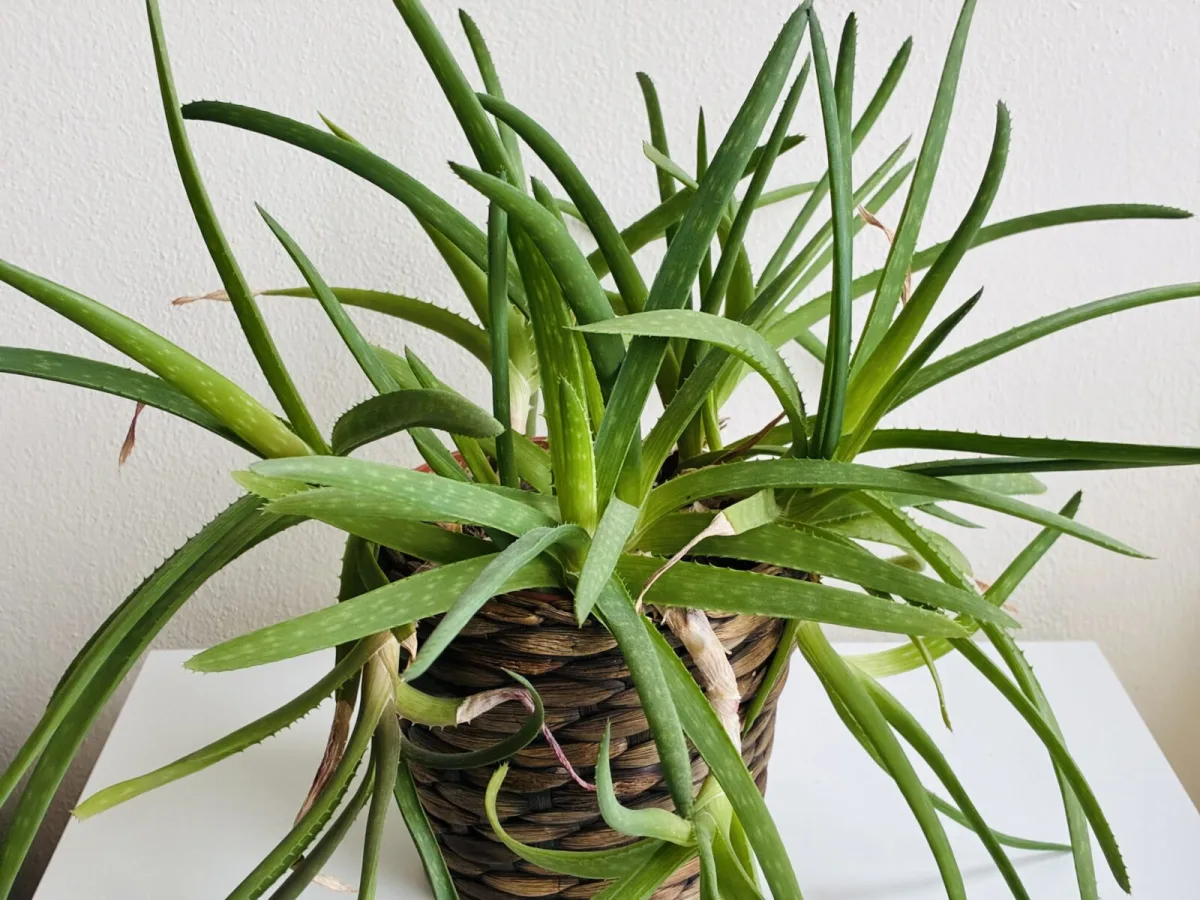
Aloe vera is one of the best-known succulents, popular in homes not only because it’s easy to grow but also for its many practical uses. Its thick, fleshy leaves store water, so it copes well with drier conditions and doesn’t need constant attention. Beyond its ornamental value, it’s also prized as a natural helper for minor burns, irritated skin, and small cuts.
Botanically, this is the species Aloe vera, grown as a tender perennial. In warm regions it can live outdoors year-round, but in our climate it’s most often grown as a houseplant. It’s worth knowing that aloe can be toxic to dogs and cats, so it’s best kept out of reach of pets.
Where to place aloe and when to repot
If you grow aloe indoors, you can repot it almost any time of year, but it settles in best in spring when it starts active growth. It needs plenty of light, ideally a bright spot with lots of sun or strong, filtered light. If you move it outside for summer, choose a place where it gets several hours of light daily but is protected from the harshest midday sun.
Terracotta pots are an excellent choice. Compared with plastic, they dry out faster and help reduce the risk of root rot. They’re also heavier, so they keep the plant stable even when it carries larger, heavier leaves. A drainage hole in the bottom is essential, because aloe cannot tolerate waterlogged compost for long.
The pot shouldn’t be unnecessarily large. Aloe’s root system isn’t extensive, so a container only slightly wider than the root ball is enough. Young plants typically do best in smaller pots, moving up only as the plant grows.
How to plant aloe properly
Aloe thrives in a free-draining potting mix made for succulents and cacti. If you want to make your own, combine a general potting compost with perlite or pumice and add some coarse sand. The goal is a mix that doesn’t hold onto excess moisture.
When repotting, carefully lift the plant from its old pot and support the leaves so they don’t snap. Add a layer of mix to the bottom of the new container, gently brush some of the old soil off the roots, and set the plant at roughly the same depth it was growing before. If the lower part of the stem is exposed, you can cover it so it’s buried, but don’t bring the soil higher than the base of the lowest leaves.
After planting, water the aloe and place it in a bright spot. After that, water sparingly, because overwatering is the most common cause of trouble.
Watering and feeding through the year
Aloe is drought-tolerant and handles slight dryness far better than excess water. Water thoroughly, but only once the potting mix has partly dried out. In summer this may be about once every two weeks; in winter, watering once a month is often enough.
Always let excess water drain away, and never leave the pot standing in water. In winter, when the plant grows more slowly, its water needs are lower still. Aloe doesn’t need frequent feeding. Typically, it’s enough to apply a liquid houseplant fertiliser once a year in spring at half strength.
Care and propagation from offsets
Aloe isn’t a plant that requires regular pruning. Simply remove damaged or dried leaves with a clean, sharp knife. Never disturb the centre of the plant, where new leaves emerge. If you want to harvest a leaf for use, always take an outer one.
Mature plants often produce offsets, sometimes called pups or shoots. You can leave them with the mother plant or separate and pot them up on their own. This prevents overcrowding and also gives you new plants.
Harvesting the gel and storing it
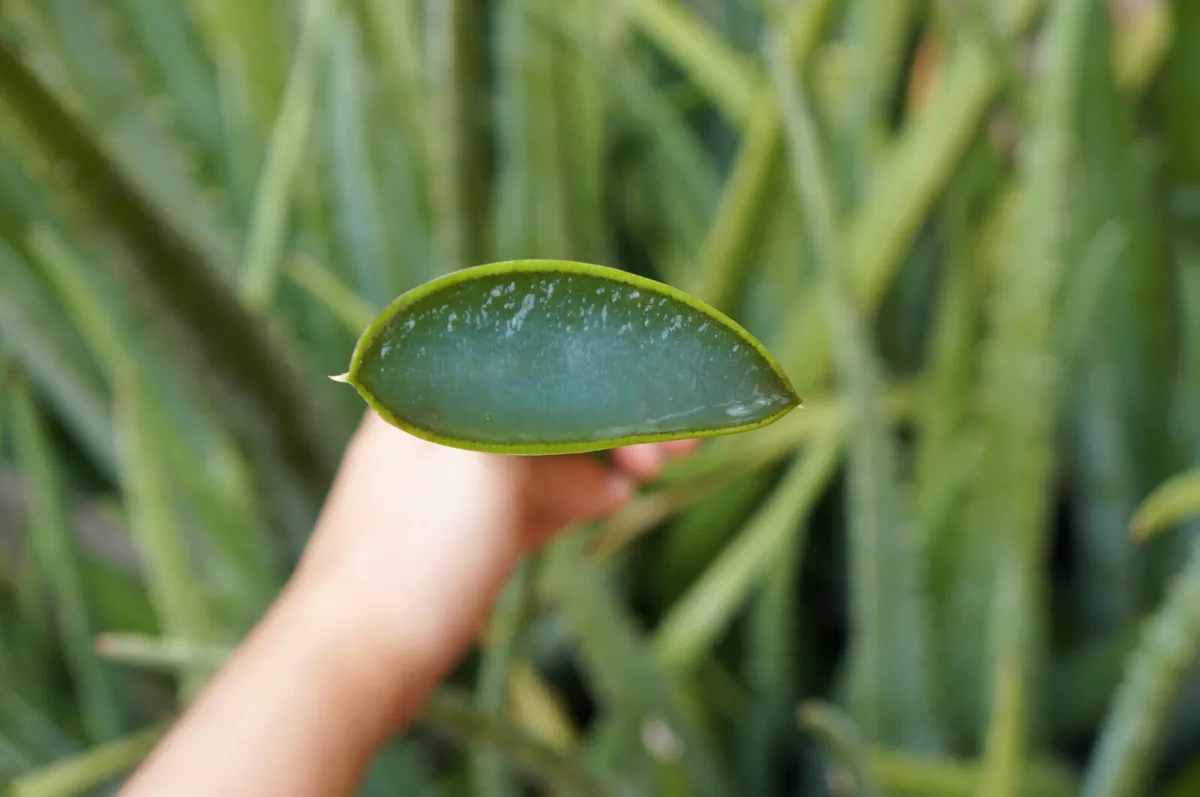
Gel is best taken from well-established plants at least two to three years old. Leaves tend to be fullest a few days after a thorough watering. For harvesting, choose a healthy outer leaf and cut it off at the base.
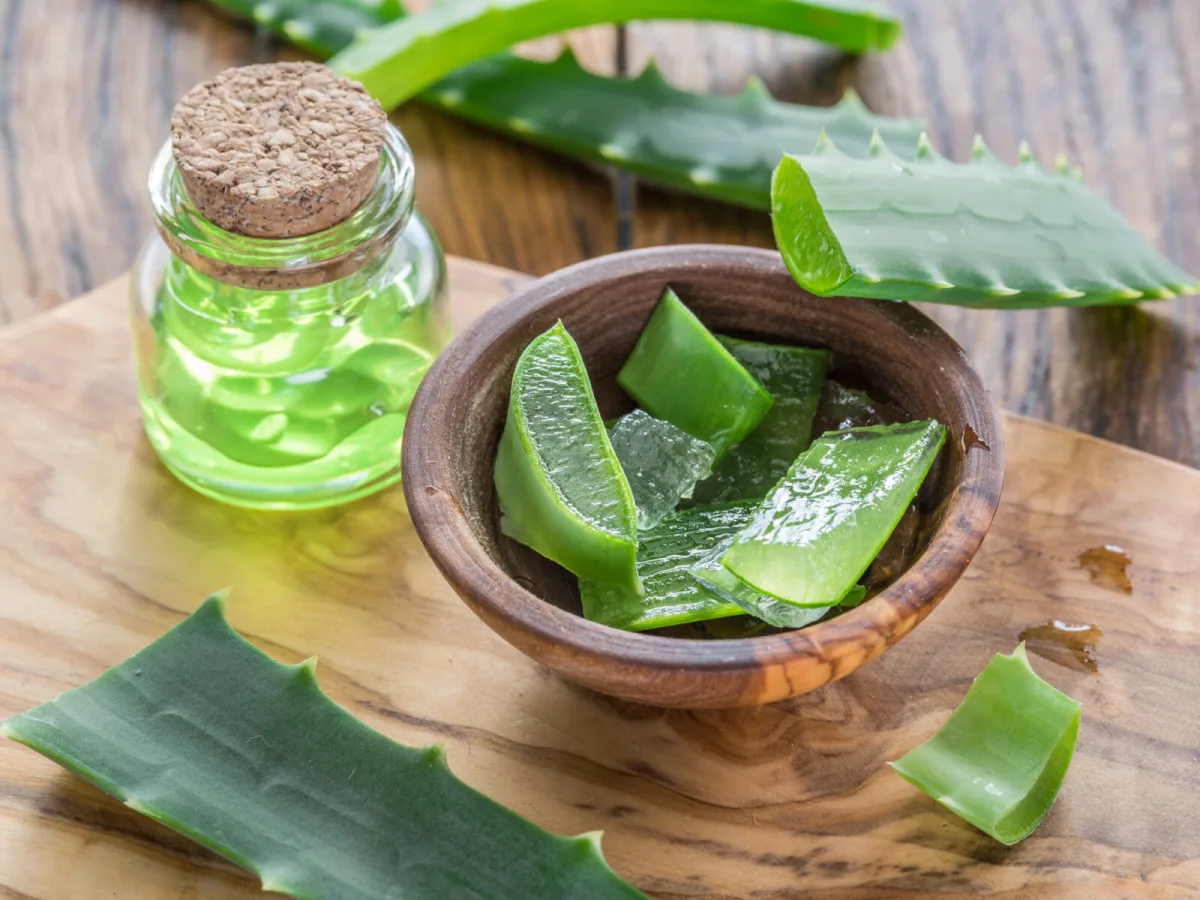
After cutting, it’s a good idea to stand the leaf briefly cut-side down so the yellowish latex can drain out. This can irritate the skin. Then rinse the leaf, remove the spiny edges, the white base and the tip, and trim away the green skin. You can scoop out the gel with a knife or spoon, then rinse it in clean water.
Fresh gel will keep in a sealed container in the fridge for about a week. For longer storage, you can freeze it, for example in an ice-cube tray, and use it gradually for several months.
Most common growing problems
Brown, soft leaves are a classic sign of overwatering. Yellowing can also be linked to too much water, but sometimes it’s caused by intense sun. If the leaves are firm but becoming paler, the problem is usually light stress. If they’re soft, the cause is most likely waterlogging.
Drooping leaves can appear with overwatering, prolonged drought, or insufficient light. The best check is always the condition of the potting mix. Root rot and fungal stem rot develop mainly with excess water and poor drainage. Prevention is a free-draining mix, restrained watering, and a pot with drainage.
Pests may include mealybugs or scale insects, which suck sap from the leaves. A small infestation can be treated with a cotton bud dipped in rubbing alcohol; for heavier outbreaks, a gentle spray suitable for houseplants can help.
Medicinal effects and ways to use it
Aloe vera is known for its content of biologically active compounds, including vitamins, minerals, and antioxidants. Gel from the leaves is used mainly externally. Research suggests it may support healing of first- and second-degree burns, soothe skin after sun exposure, and help limit the growth of certain bacteria.
It’s also used in oral care. Some studies show that an aloe mouthwash may help reduce dental plaque, gum inflammation, and certain microorganisms in the mouth. Interesting results have also been reported for canker sores, where aloe helped speed healing.
Early findings also point to potential benefits for the skin barrier, hydration, and elasticity. Its possible effects on blood sugar in people with prediabetes or type 2 diabetes are also being studied, but aloe can’t yet be recommended as a full treatment.
What to watch out for
External use of aloe is generally considered safe. Caution is needed, however, with internal use. The latex found just under the leaf skin has a laxative effect and may cause cramps or diarrhoea. Long-term or inappropriate use of products made from the whole plant may also carry additional health risks.
Aloe vera is an excellent houseplant and a handy home remedy, but it does not replace professional care when used medicinally. If you have health concerns, it’s always sensible to consult a doctor.
Other interesting aloe species
The aloe genus includes hundreds of species. Alongside true aloe, there are other attractive types suitable for growing indoors. Popular choices include compact, white-banded aloes, smaller lace aloe with spotted leaves, or larger bluish species with a silvery cast. They all share similar growing needs: plenty of light and careful watering.
With the right care, aloe vera can live for many years and gradually produce plenty of offsets. It’s a plant that combines beauty, simplicity, and practical use, which is exactly why it remains a mainstay among indoor succulents.
Source: Almanac, Medical News Today, Bylinky pro všechny, Pestrazahrada.cz

A nurse by profession, she is passionate about healthy living, nature, and everything that benefits both people and the world around them. In her free time, she enjoys gardening, cooking, sewing, and caring for her family. In her articles, she loves combining professional expertise with practical experience from the garden and everyday life.
Related articles
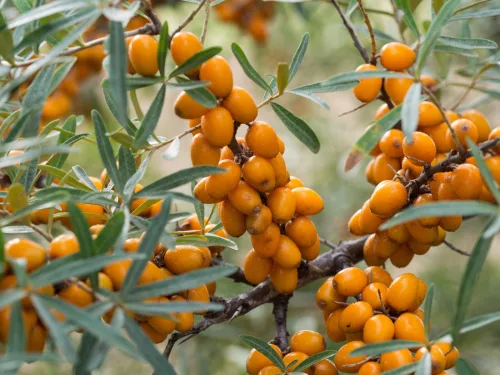
Sea Buckthorn Is the Most Underrated Shrub in the Garden
Sea buckthorn is a remarkably tough, low-maintenance shrub that rewards you with vitamin-rich orange berries. With the right male-to-female planting, it can outcrop many fruit trees while asking for very little in return.
Perennials from autumn sales only sometimes survive winter: plant these now, others wait until spring
Many container-grown hardy perennials can still be planted in November, but only when soil and plant condition are right. Some types are better left until spring, especially in cold, wet or exposed gardens.
Forget Thuja, This Autumn-Bright Shrub Turns Your Fence into an Orchard and Is Easier to Grow Than Blueberries
Instead of planting a wall of thuja for privacy, consider serviceberry: a hardy, low-maintenance shrub with spring blossom, summer berries and fiery autumn colour. It thrives in ordinary garden soil and works beautifully as a fruiting hedge.
Comments (0)
Be the first to comment.