
 English
  Polski
  Deutsch
  Nederlands
  Svenska
  Norsk
Norsk  Dansk
Dansk  Français
  Italiano
  Español
  Português
  Slovenčina
  Suomi
Suomi  Gaeilge
 How to Tell the Perfect Time to Harvest Beetroot So It Stays Tender and Juicy
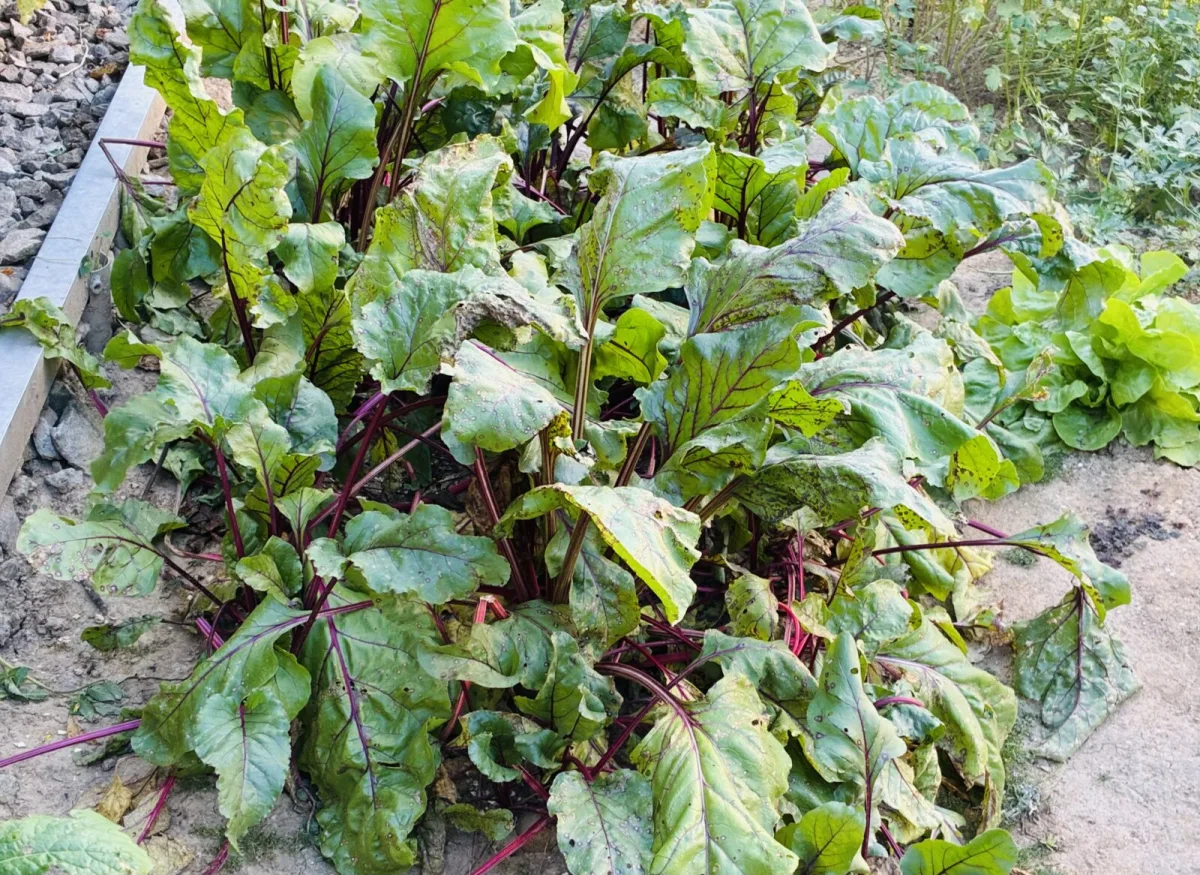
Beetroot, also known as garden beet, is a vividly coloured, low-maintenance and surprisingly tough vegetable for the cooler part of the year. It does well in spring and autumn, tolerates cold, and can cope for short periods with temperatures close to freezing. A major advantage is that the whole plant is edible, both the roots and the leaves. With the right approach it also grows quickly, so from sowing to the first harvest, around two months is often enough.
In the kitchen, beetroot is extremely versatile. It’s great raw in salads, roasted with oil, boiled as a side dish, and as a base for soups. The leaves have a bold flavour and often contain more valuable nutrients than the roots themselves.
Site and soil determine root quality
Beetroot ideally needs at least six hours of direct sun a day, but it will also cope with partial shade. It grows best in well-prepared, loose soil with a decent nutrient supply, though it will tolerate average conditions too. The key is to avoid overly acidic soil. If pH drops below 6.0, beetroot struggles. The most suitable range is roughly 6.0 to 7.0, and slightly alkaline soil usually doesn’t bother it.
For nicely rounded roots, it’s important that the soil is free of stones and hard obstructions that can deform the root. Also keep crop rotation in mind. It’s better not to plant beetroot where chard or spinach grew recently, because they’re closely related and share some pests and diseases.
When to sow for staggered harvests all season
The first sowing is done early in spring as soon as the soil can be worked. If you want continuous harvesting, repeat sowings about every two to three weeks until mid-summer. Summer sowings do best when daytime temperatures don’t consistently exceed about 24 °C; otherwise plants are more likely to bolt and the roots stay smaller.
Germination is quick once the soil is at least 10 °C. In those conditions, the first seedlings appear in about five to eight days. In cooler soil, emergence can take two to three weeks. If it’s dry or you want to speed up germination, soaking the seeds in water for 24 hours helps.
For an autumn harvest, sow from mid-summer into early autumn, roughly four to six weeks before the first autumn frost. In warmer regions, beetroot can also be sown in autumn and harvested through winter, as long as the soil doesn’t freeze solid.
How to sow correctly and why beetroot dislikes transplanting
Beetroot is best grown by direct sowing in the bed, because it doesn’t handle transplanting well and the root can be damaged or distorted. Sow seeds about 1 to 1.5 cm deep, with spacing roughly 2.5 to 5 cm within the row. Row spacing is commonly around 30 to 45 cm to allow room for hoeing and harvesting. After sowing, cover the seeds with a thin layer of soil and keep the bed evenly moist until the seedlings are reliably up.
It’s important to know that what’s commonly called a beet “seed” is actually a seed cluster that can contain several seeds. That’s why multiple seedlings often emerge close together and need thinning later.
Care during growth, watering, thinning and mulch
Once young plants have roughly 10 to 13 cm of tops, it’s time to thin. Leave about 8 to 10 cm between plants so the roots can develop to a proper size. When thinning, it’s gentler not to pull seedlings out, because you might disturb the roots of those you want to keep. It’s better to snip or pinch off the extras, and you can use the young leaves straight away in the kitchen.
Beetroot needs consistent moisture. Drought leads to poorer root quality, and uneven watering can cause toughness and woodiness. Mulch helps by holding moisture and suppressing weeds at the same time. When weeding, be careful: beet roots are shallow and easily damaged. If pests are common in your area, you can protect the bed with horticultural fleece, which especially reduces leaf damage.
Feeding is usually unnecessary, especially if the soil is reasonably fertile. If you do fertilise, go easy on nitrogen. Too much nitrogen often produces lush foliage but small roots underground.
Harvesting roots and leaves and how to recognise the right size
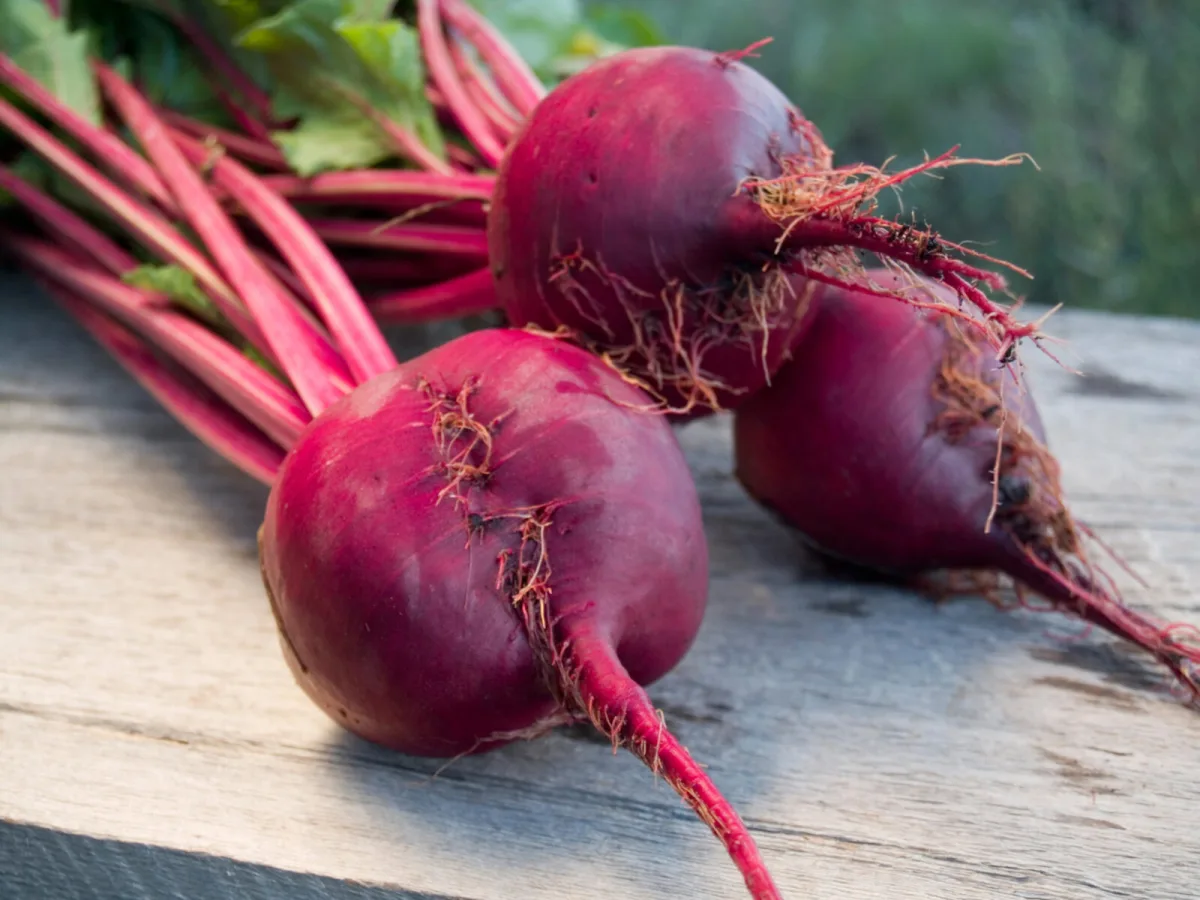
Most varieties mature in about 55 to 70 days. You can harvest once the root is around the size of a golf ball and continue up to about the size of a tennis ball. Oversized roots tend to be tougher and can become woody, so it pays to harvest on time based on how you plan to use them.
When harvesting, first loosen the soil around the root and then pull it out carefully. Leaves can be harvested throughout the season, but it’s important to leave the plant with some foliage, because without leaves the root won’t fully develop. A practical approach is to take just one or two mature leaves per plant while they’re still not too large and tough. The leaves can be cooked much like spinach.
In areas with mild winters, late sowings can be left in the ground and dug as needed. In colder conditions, it’s better to harvest and store the crop.
Storing beetroot so it lasts longer than a week
Freshly harvested beetroot will keep in the fridge for about five to seven days. For longer freshness, it’s best to cut off the tops, but not right against the root. Leave about 2 to 3 cm of stem, and store the leaves separately because they wilt more quickly.
For long-term storage, a cool, dry, frost-free place works well. Gently remove clinging soil from the roots and store them in layers so the individual roots don’t touch. Dry sand or sawdust can be used as a packing material. If beetroot starts sprouting, it’s usually a sign of unsuitable conditions and the risk of rot increases. Besides storing, beetroot can also be frozen, preserved, or pickled, and the leaves can be frozen as well.
The most common pests and diseases and how to prevent them
Leaf spots and other issues show up mainly in warm, humid and overcast weather. Prevention includes good airflow, crop rotation, avoiding overhead watering, and promptly removing affected parts. In terms of insect pests, flea beetles can appear and make small holes in leaves, as can leaf miners that create winding tunnels in the tissue, or leafhoppers that cause yellowing and weaken plants. Covering with horticultural fleece, mulching, regular weeding, and clearing plant debris at the end of the season all help.
Diseases tend to be most aggressive in damp, cloudy weather, so it’s worth checking the crop regularly and acting early with a suitable product according to the label if the problem takes hold.
Varieties and colours from classic red to yellow and striped
Beetroot isn’t only deep red. You can also grow yellow and white varieties, or types with striking rings. A popular one is Chioggia, which shows red-and-white concentric circles when sliced. A traditional, reliable choice is Detroit Dark Red with its round red root. If you want long, cylindrical roots that are also great for preserving, Formanova is a good fit. Among the yellow types, Bolder or Touchstone Gold are often mentioned, and among the white types, Avalanche or the older Albino.
Interesting facts and handy kitchen tips
Beetroot has a long cultural history, and in different eras people even attributed it with stimulating effects on love and vitality. It’s also useful in practical ways: beet juice, or even cranberry juice, can be used as a natural pink dye. If you stain your fingers while slicing, rubbing your hands with lemon juice often helps lift some of the colour.
Source: Almanac, Gardenary , Pestrazahrada.cz
Related articles

The Christmas Amaryllis That Can Bloom for Years but Most People Throw It Away After Flowering
Hippeastrum is a spectacular winter-blooming bulb that, with the right care, will flower again year after year. Learn how to plant it correctly, look after it after flowering, and bring it into dormancy so it reliably reblooms.
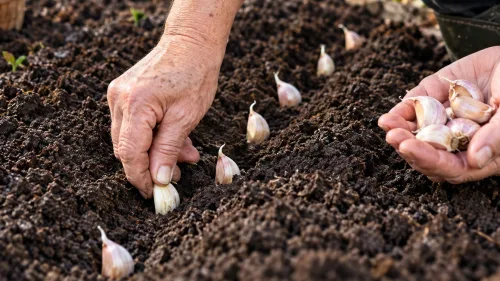
How to Grow Winter Garlic for a Much Bigger Harvest
Autumn planting is the key to strong, healthy winter garlic, but the details make all the difference. With the right timing, bed choice, seed-clove treatment and a simple bicarbonate trick, you can noticeably boost yield.
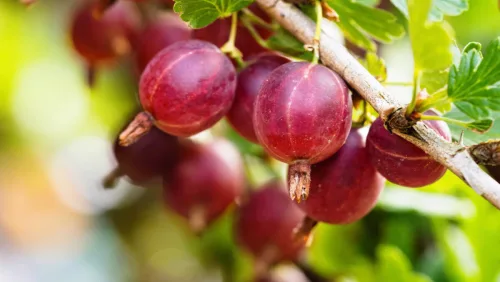
A tree or shrub planted properly in autumn can outpace spring stock and improve fruiting
Many fruit trees and soft-fruit shrubs establish better when planted in autumn, because roots keep growing while the top is dormant. Done well, this head start means stronger spring growth, less watering, and a healthier first year.
Comments (0)
Be the first to comment.