
 English
 Polski
 Deutsch
 Nederlands
 Svenska
 Norsk
 Dansk
 Français
 Italiano
 Español
 Português
 Slovenčina
 Suomi
 Gaeilge
Ten Crops to Sow Before Winter for an Earlier Spring Harvest
Autumn in the garden doesn’t just mean tidying beds and taking stock of the season just gone. It’s also an excellent time to prepare the soil for next year and make use of the window when certain vegetables and herbs can safely establish roots before the frosts arrive. Thanks to this, they get off to a faster start in spring than crops sown only after the weather warms up.
Autumn planting has several practical advantages. Plants go through natural hardening off and tend to be more resilient to bad weather, diseases and some pests. At the same time, they make better use of winter moisture and, with the first milder days, immediately get growing. The result is an earlier harvest and often very good flavour.
Which crops are suitable for autumn sowing
There are more options than you might think at first glance. Among the most reliable is garlic, which is almost ideal for planting before winter. All you need is a suitable variety, the right timing and free-draining soil. In spring it moves into growth quickly and often becomes the backbone of an early harvest.
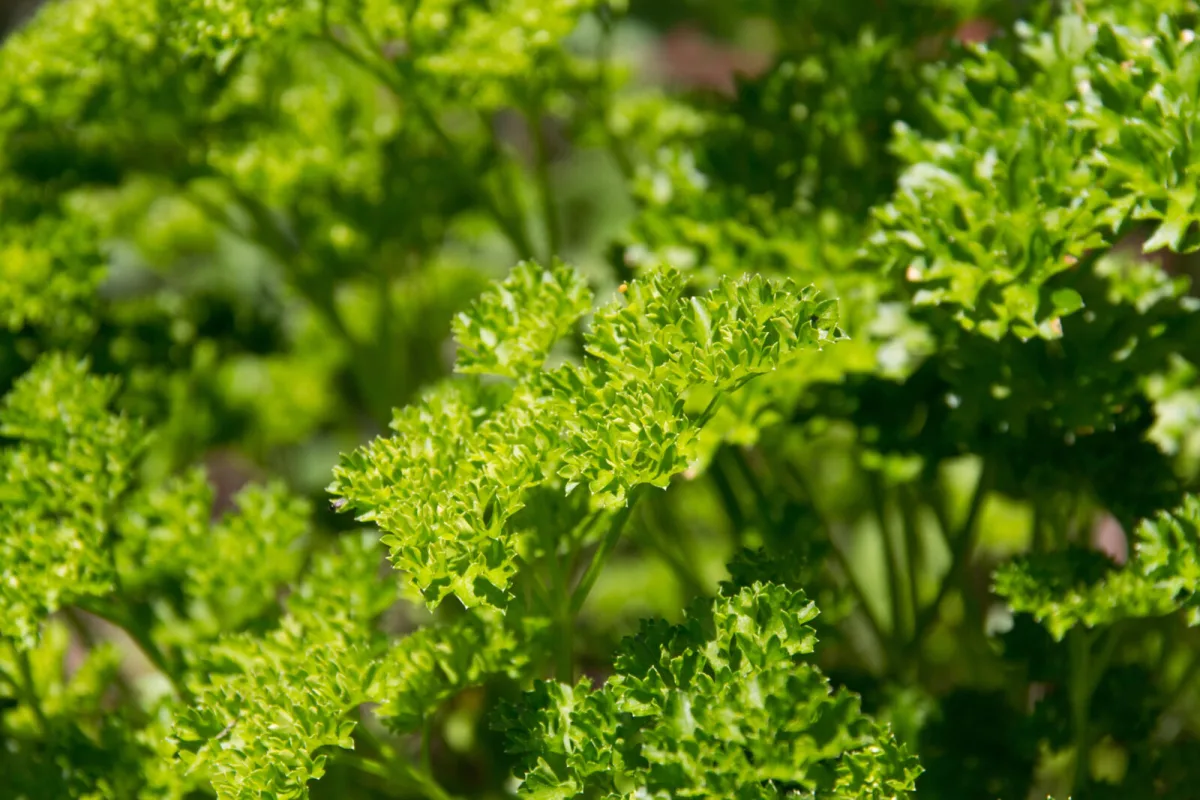
Onions also overwinter very well, both white and red. With correct planting, they come through the cold period without major issues and reward you with nice, strong bulbs. Aromatic herbs such as dill and parsley are also popular choices, bringing fresh leaves and bold flavour early in spring.
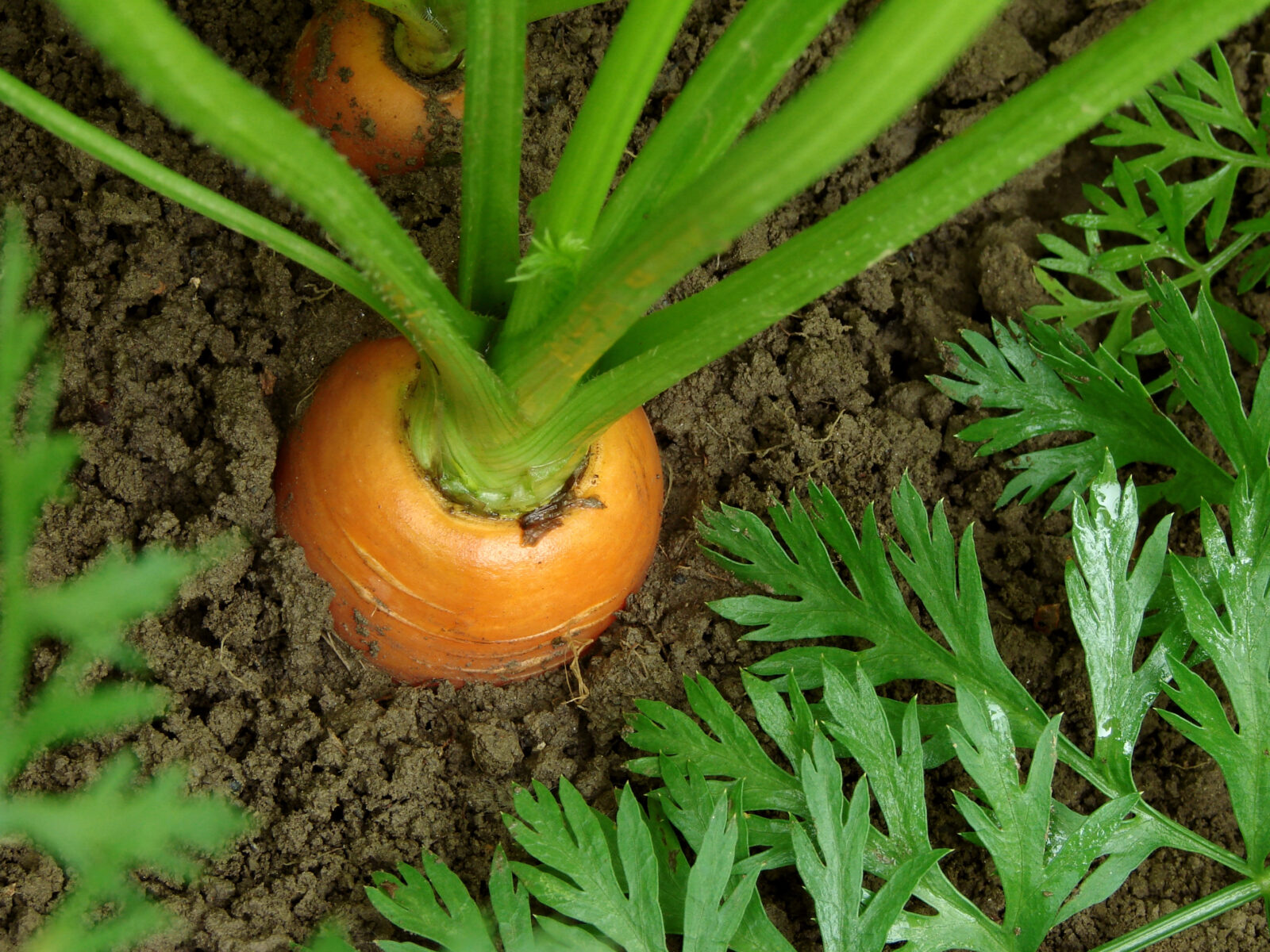
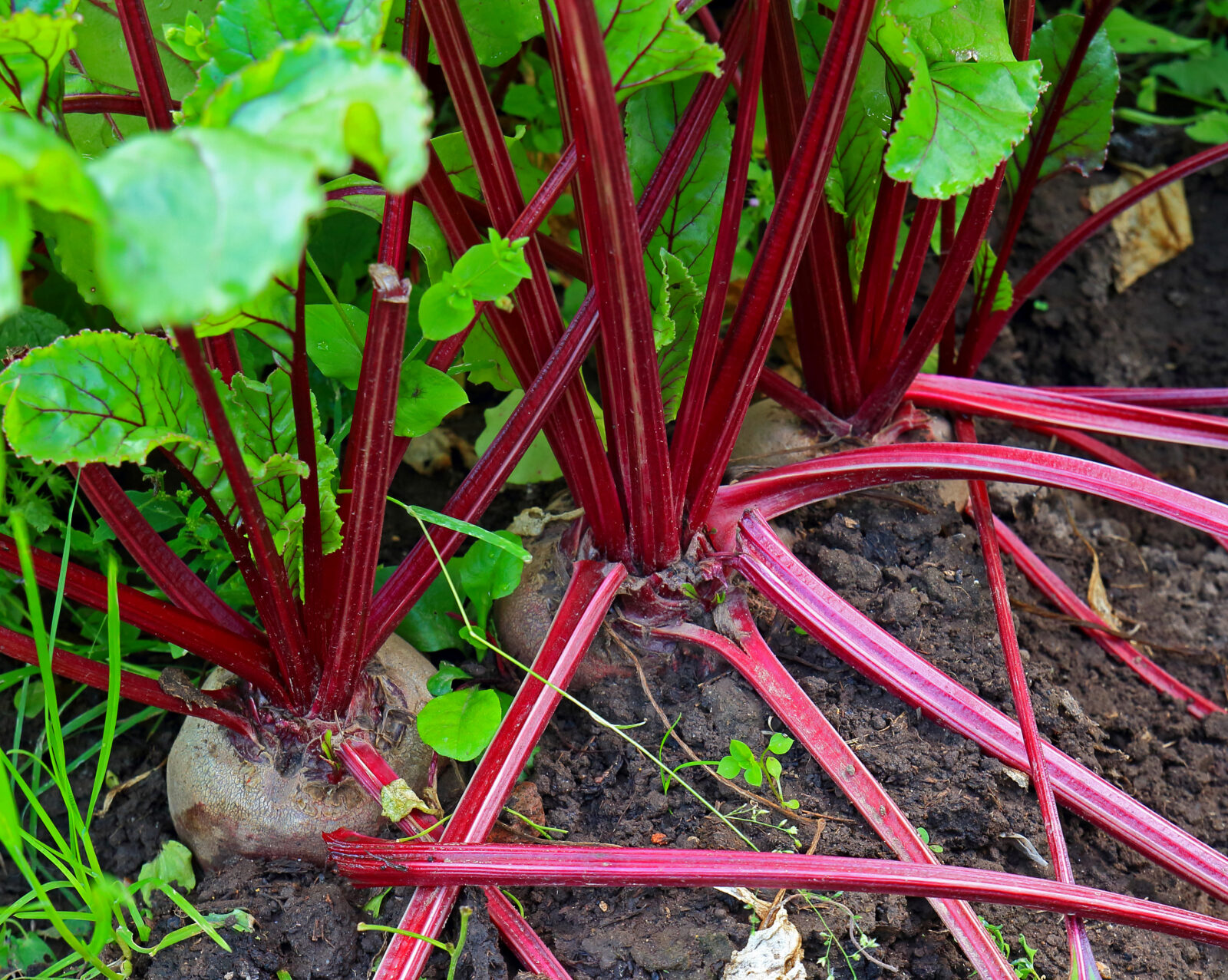
Root crops are also well suited to an autumn slot. Carrots and beetroot can grow more succulent in cooler conditions, and some growers even report a finer, sweeter taste. An early harvest is also possible with radishes and lettuce, which anyone wanting fresh veg as soon as possible after winter will appreciate.
Sorrel and parsnips are mentioned less often, yet these plants deserve attention too. They’re nutritious, very useful in the kitchen, and can be a welcome way to broaden the usual range of crops in the garden.
How to prepare the bed so planting succeeds
The foundation of success is choosing the right spot. The best is a sunny bed with lighter, well-worked soil where excess water doesn’t linger. Prolonged waterlogging can damage seeds and young plants even before winter.
It’s worth digging or loosening the soil thoroughly and adding organic matter. Compost or other suitable organic fertilisers will improve soil structure and get it ready for spring growth. It’s also important to keep to the correct sowing or planting depth, because each crop has slightly different requirements. Too shallow and plants can be exposed to frost; too deep and emergence will be slowed.
Best timing and protection over winter
A suitable window usually runs from late September to early October, or a little later depending on the weather. What matters is that the soil is already cooler but not yet frozen. If a prolonged warm spell arrives, some plants could sprout too early, which isn’t desirable.
After planting, it pays to think about protecting the beds too. Against rodents, protective mesh or deterrents can help. Mulching is also very important. A layer of straw or peat helps retain moisture, reduces sharp temperature swings, and protects plants from harder frosts.
Tips that can improve the result
Experienced gardeners often recommend cold-stratifying seeds before sowing. A short spell in the cold, for example a few days in the fridge, can improve their readiness for outdoor conditions. It’s not essential for every crop, but for some it can be a useful step.
In spring, it’s important to respond in good time. As soon as the snow melts and the soil begins to dry, it’s a good idea to remove the mulch and lightly loosen the surface. This improves airflow to the roots and gives plants better conditions for a quick start.
An early harvest as a reward for autumn work
Planting vegetables and herbs in autumn is a simple, proven way to give yourself a head start on spring. Anyone who gets the timing right, chooses suitable crops and prepares the bed thoughtfully can look forward to healthy, tasty produce in the first weeks of the new season.
Autumn work doesn’t just benefit the soil, but the whole household. With a few well-chosen crops, you can be harvesting fresh produce earlier than the standard spring-sown crops begin to grow. And that’s exactly why this method of growing is worth trying again and again.
Source: To je nápad, Gardening Know How, Pestrazahrada.cz

A lover of nature, gardens, and everything that moves, blooms, or grows. He literally grows everything, from herbs to rare species, and he enjoys caring for animals just as much. In his work, he connects modern technology with tried-and-tested grandmotherly methods and is happy when both paths lead to the same goal.
Related articles
Drought tolerant fruit trees for Czech gardens that handle heat and winter frosts
Warmer summers and longer dry spells are changing what can be grown in Czech gardens. With the right variety and a sunny, sheltered spot, olives, pomegranates and figs can cope with heat, drought and even winter cold.

Thuja hedges are on the way out gardeners are choosing a shrub that shrugs off frost and drought and never looks dull
Thuja may be a long-standing classic, but today’s hedges are increasingly built from more varied shrubs that look better through the seasons. One standout choice is ninebark, prized for its toughness, colour and easy care.
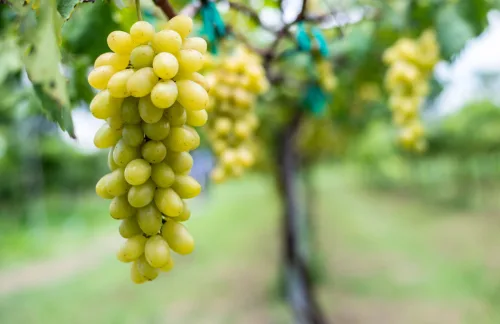
Autumn planted grapevines bud earlier the most common mistake happens before they even go in the ground
Planting grapevines in November can give them a head start in spring, as roots can still establish in warm soil. Success depends mainly on proper planting depth and reliable winter protection.
Comments (0)
Be the first to comment.