
 English
 Polski
 Deutsch
 Nederlands
 Svenska
 Norsk
 Dansk
 Français
 Italiano
 Español
 Português
 Slovenčina
 Suomi
 Gaeilge
A raised bed doesn’t have to sit idle over winter nine vegetables that keep growing even in frost
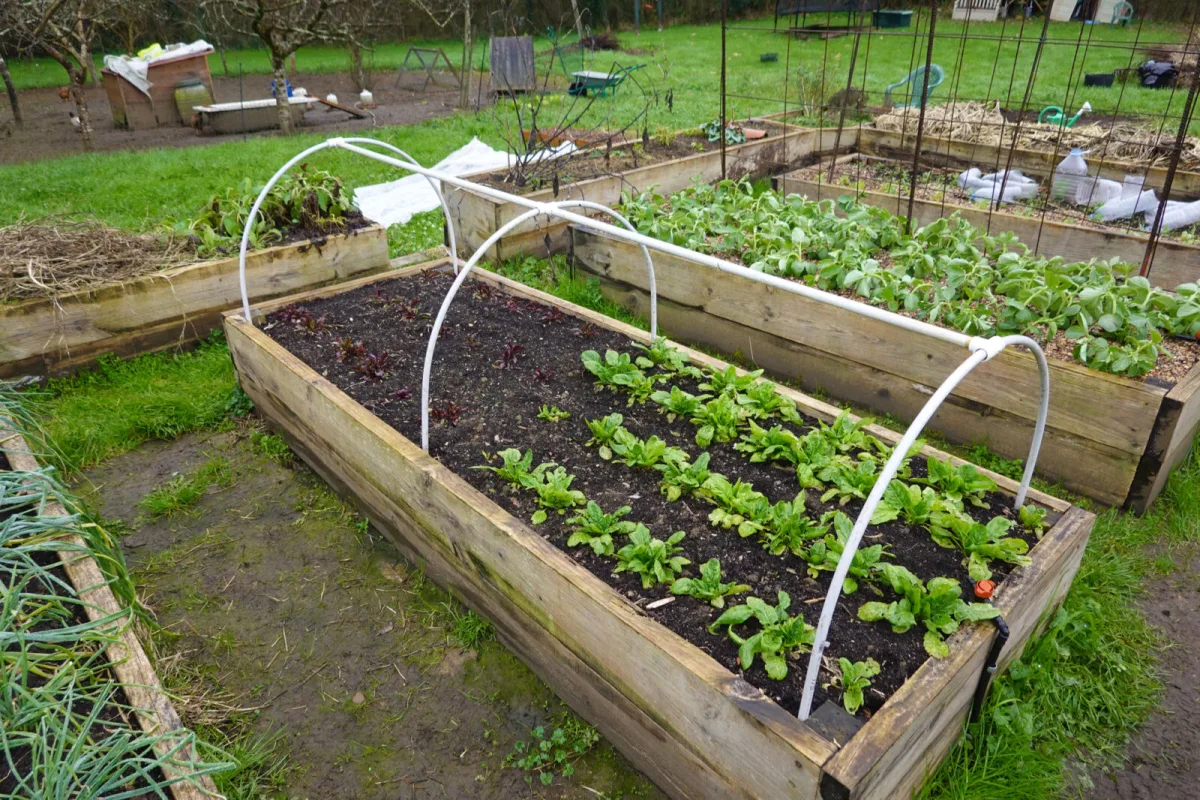
Raised beds are popular not only during the peak harvest season, but they can also be put to excellent use in the colder months. Winter doesn’t have to mean the end of growing. Some vegetables and herbs will get through frosts in them without much trouble, others can be harvested little by little, and some can be set up so they get away earlier in spring. Alongside the plants themselves, though, it’s important to think about protecting the bed, its soil, and the structure.
Overwintering perennials and herbs
A range of perennial plants can stay in a raised bed over winter, provided they’re hardy enough. Some herbs cope particularly well. Sage, thyme, or rosemary often keep their leaves even in winter, so you can keep using them in the kitchen as needed. When harvesting, however, take care. In winter the plants put on almost no new growth, so it’s best to pick individual leaves rather than cutting whole shoots. A heavier cut can make it easier for frost and disease to get in.
With each plant, it helps to consider its frost hardiness. Species that are more sensitive to low temperatures may need extra protection to get through the hardest frosts without damage.
Winter vegetables suitable for a raised bed
In winter you usually don’t sow much, because most vegetables lack the light and warmth needed to germinate. However, there are plenty of crops that are sown in late summer or early autumn and then stay in the bed all winter. When a few sunny days arrive, they grow slowly, but they stay fresh and there’s no need to store them beforehand.
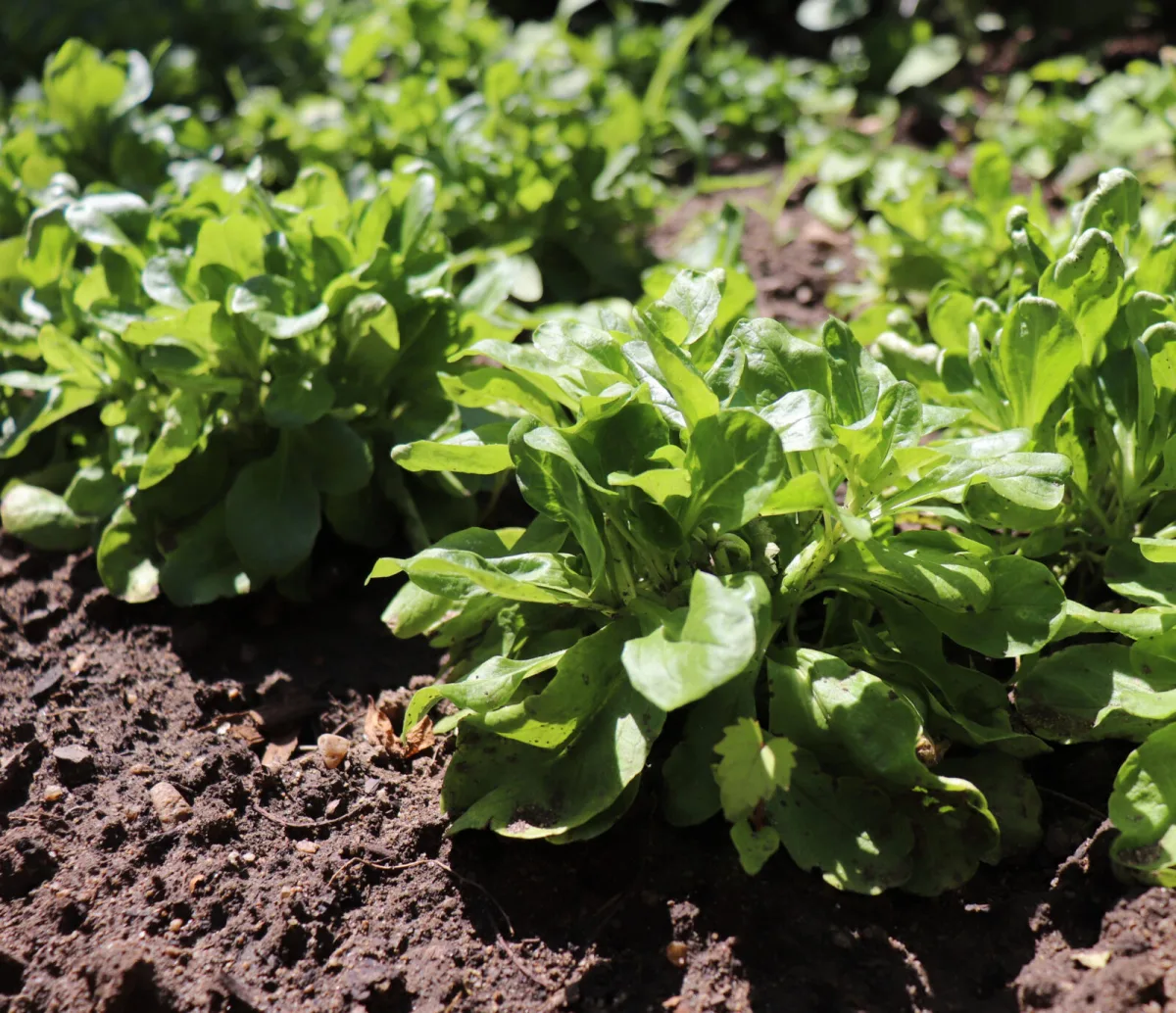
Lamb’s lettuce (corn salad) is one of the most reliable winter leaf crops. It isn’t bothered by cold; in fact, it can improve the flavour. When sown in autumn, it can be harvested from late autumn right through winter. If you don’t damage the growing point (“heart”) when cutting, it will reshoot.
Leaf chicory tolerates light frosts, and with timely sowing you can still harvest it in November and December. Cut the heads just above the leaf rosette.
Kale is a classic winter vegetable that benefits from the first frost. That’s when it develops its distinctive taste. It’s very hardy and can be picked over many weeks. If you remove only individual leaves and keep the stem intact, it can regrow again in milder spells.
Parsnips can be left in the soil all winter. The roots are naturally protected underground and can be lifted as needed, which is very practical.
Winter spinach is sown in autumn and is usually ready to pick from November. If you harvest gently by taking leaves, it can flush again and again and provide a crop right into spring.
Welsh onion, also known as bunching onion, is very hardy. In winter you mainly harvest the green leaves, while the plant remains in the bed and continues growing.
Cuban oregano, also known as winter purslane is less well known, but a very interesting option. It copes excellently with cold, grows at low temperatures, and its fleshy leaves work well in salads as well as cooked dishes.
Winter cress is another tough plant that handles cold weather and can be grown for winter picking.
How to prepare the bed for frost
Protecting a raised bed in winter benefits not only the plants, but the structure itself. With a few simple steps you can limit deep freezing and improve conditions for overwintering.
Wrapping the bed walls
Just like pots, a raised bed can be protected from the outside with hessian, horticultural fleece, or bubble wrap. This kind of layer slows frost from reaching the roots and helps the soil hold onto warmth for longer. During periods of fluctuating temperatures, this protection can also have a positive effect on slow winter growth.
Mulch and a natural cover
The surface of the bed can be covered with leaves, conifer brash, or a fine mulch. This layer insulates the soil and protects it from sharp freezes. However, it shouldn’t be too dense or packed directly onto the plants, because excessive moisture would increase the risk of rot and other diseases. For more demanding crops, well-rotted compost can also serve as a protective layer.
Protection from rain and winter winds
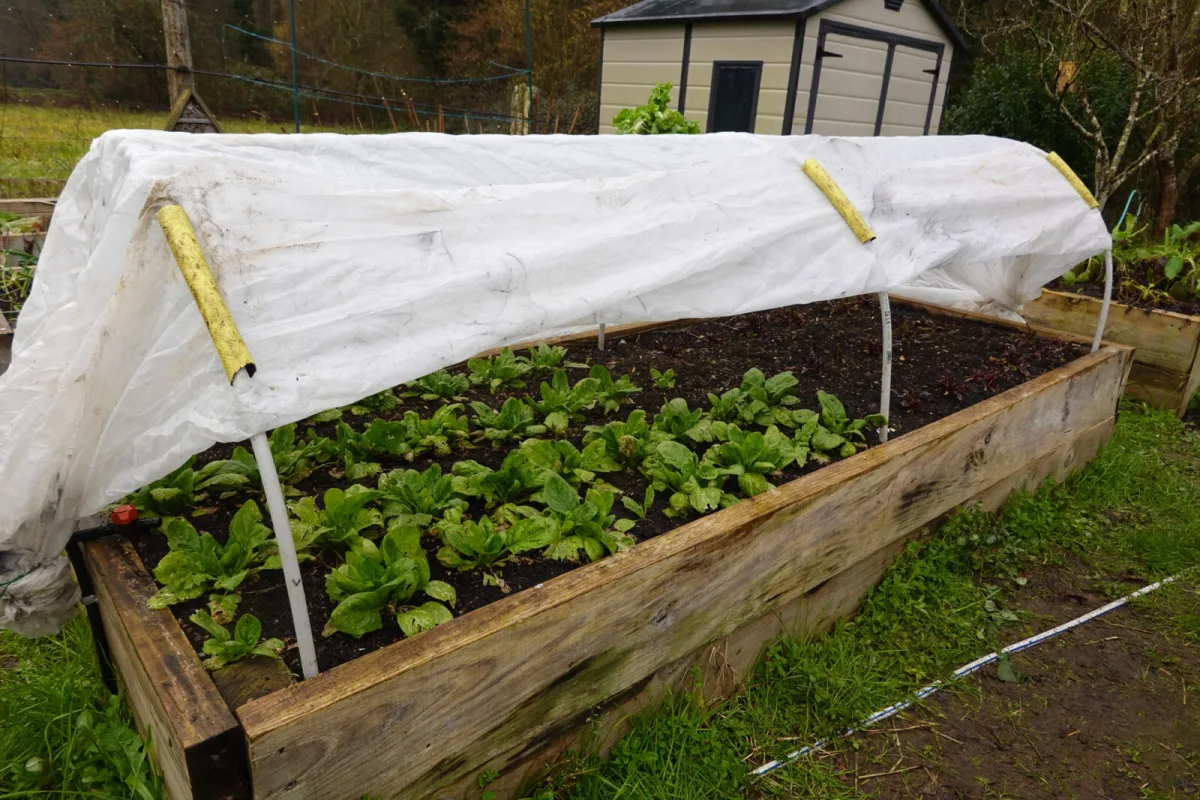
In winter, frost isn’t the only issue; waterlogging can be just as problematic. If the bed doesn’t drain well, rain protection is crucial. Even with free-draining beds, a small roof or cover can be useful, because it extends the autumn harvest and speeds up soil warming in spring.
A very practical solution is a cold frame-style topper. It lets light through, protects from precipitation, and can be ventilated as needed. A simple polythene tunnel works well too, as does a DIY construction made from boards or greenhouse film.
It’s important that the plant leaves don’t touch the cover. Where they make contact, moisture condenses easily and creates the conditions for mould.
When growing vegetables under cover, regular ventilation is essential. It lowers humidity and reduces the risk of fungal diseases. During heavy snowfall, it’s worth removing the weighty layer of snow from covers and from taller plants to prevent damage. Otherwise, snow itself acts as a good insulating material.
Getting the bed ready for the next season
If the bed is completely cleared in autumn, winter can be a good time to refresh it. As the contents of a raised bed settle over the years, it pays to add new organic matter. Remove old plant debris, roots, and weeds, then add compostable material along with mature compost. Over winter, everything gradually settles and breaks down.
In spring, top it off with a quality, nutrient-rich growing medium, but not in an overly thick layer. A bed prepared this way is quickly ready for new planting, and plants have enough nutrients for a strong start to the season.
Green manures and late sowing for an early start
If you don’t want to leave the bed empty over winter, you can use green manures. In autumn you sow species that improve soil structure, protect it from harsh weather, and loosen it with their roots. Some also fix nitrogen from the air, which then serves as a natural nutrient reserve for following crops.
Another option is late sowing of vegetables and herbs intended to germinate in spring. The seeds stay in the soil over winter and, when temperatures rise, often emerge earlier than spring sowings. If they’re lightly protected with mulch and a simple cover, they can safely get through the cold period and give the next harvest a head start in spring.

Winter care pays off
A raised bed can be useful all year round. If you plant it thoughtfully, cover it, and prepare it properly, it can provide fresh produce even when ordinary beds are resting. At the same time, it improves the condition of the soil and how ready it is for the next season. Winter, then, doesn’t have to be a time of inactivity, but a smart way to use space and support future harvests.
Source: Plantura Magazine, RHS , Pestrazahrada.cz
Related articles
Drought tolerant fruit trees for Czech gardens that handle heat and winter frosts
Warmer summers and longer dry spells are changing what can be grown in Czech gardens. With the right variety and a sunny, sheltered spot, olives, pomegranates and figs can cope with heat, drought and even winter cold.

Thuja hedges are on the way out gardeners are choosing a shrub that shrugs off frost and drought and never looks dull
Thuja may be a long-standing classic, but today’s hedges are increasingly built from more varied shrubs that look better through the seasons. One standout choice is ninebark, prized for its toughness, colour and easy care.

Autumn planted grapevines bud earlier the most common mistake happens before they even go in the ground
Planting grapevines in November can give them a head start in spring, as roots can still establish in warm soil. Success depends mainly on proper planting depth and reliable winter protection.
Comments (0)
Be the first to comment.