
 English
  Polski
  Deutsch
  Nederlands
  Svenska
  Norsk
Norsk  Dansk
Dansk  Français
  Italiano
  Español
  Português
  Slovenčina
  Suomi
Suomi  Gaeilge
 Fall Rose Planting Can Be a Trap, One Detail on the Plant Determines Survival
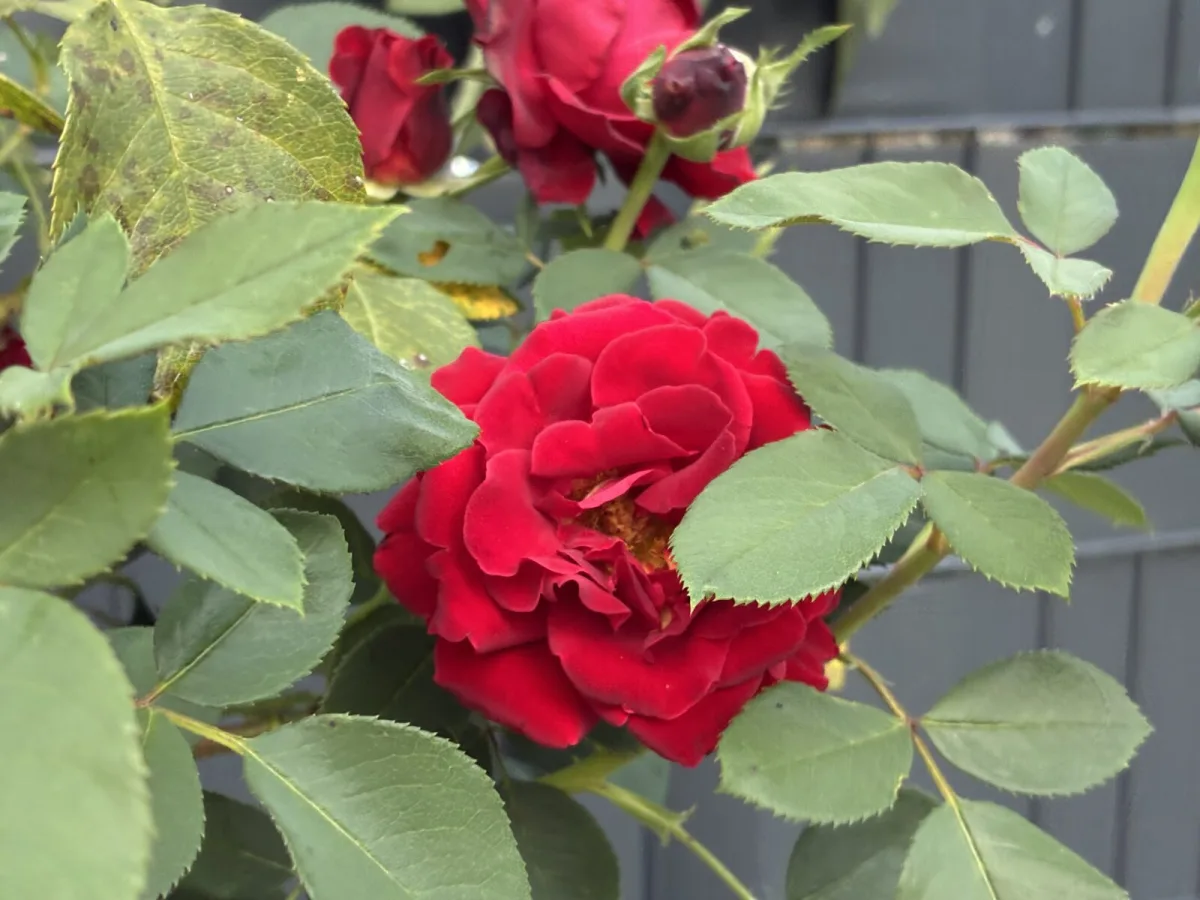
Autumn is generally considered a very good season for planting many garden plants. The soil is still warm from summer, moisture levels often increase, and plants aren’t exposed to the same stress as in the hottest months. With roses, though, there isn’t a simple rule that fits every situation. They’re more sensitive than many other flowering plants, and success hinges on a few specific conditions. In some places, fall planting is trouble-free; elsewhere, it’s safer to put it off until spring.
The most important thing is to assess what form the rose is sold in, how harsh winters are in your area, and how much time is left before frost arrives. Only the combination of these factors will tell you whether new bushes have a real chance to root well and make it through winter with minimal losses.
The type of plant makes the difference
The first thing to watch is how the rose is supplied. There’s a big difference between bare-root roses and container-grown roses. Bare-root plants need more time after planting to establish properly in the soil. When planted in autumn, they often don’t have time to strengthen enough before winter to cope with cold reliably.
Container roses, on the other hand, usually have an established root ball that’s better prepared for transplanting. These plants typically settle in faster, and autumn can be an acceptable planting window. Even then, you shouldn’t plant on autopilot, because climate and timing still matter.
It’s best not to plant bare-root roses in autumn, while container-grown plants can be the better choice.
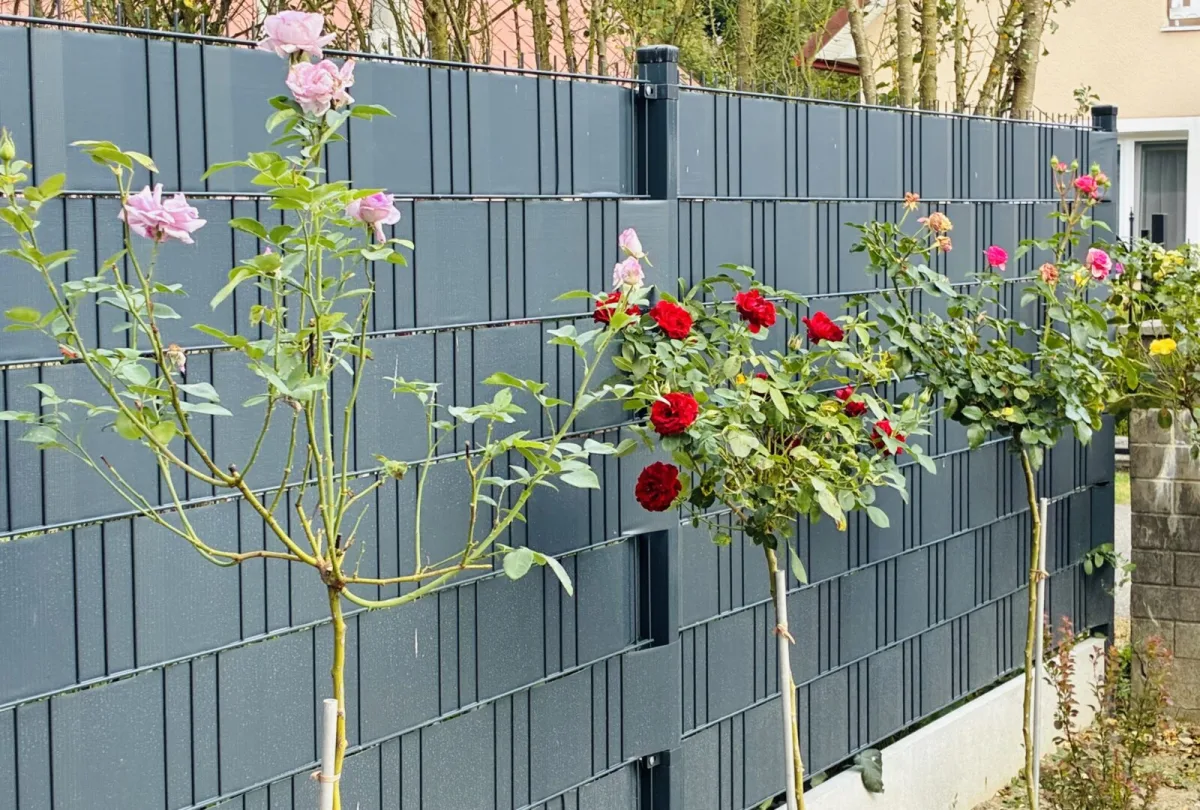
Winter severity matters a lot
Another key criterion is typical winter temperatures where you plan to grow your roses. If temperatures in your area regularly drop to around −23 °C or even lower, fall planting is risky. In those conditions, roses may not have enough time to root before the soil freezes solid.
If winter is genuinely harsh, it’s usually wiser to wait until spring. The plant then has a longer growing season to build a strong root system and will go into the next winter far better prepared. In milder regions, autumn planting is often more feasible, especially when autumn is long and gradual.
How much time you need before the first frost
If you decide to plant roses in autumn, don’t leave it too late. The general recommendation is to have at least one month between planting and the first frost. That window gives the plant a chance to settle into its new spot and get root growth underway.
It’s worth knowing that rose roots can continue to grow even after the first light frosts. What matters most isn’t only the date of the first frost, but especially when the soil actually freezes through, which often happens later. Still, the first-frost date is a practical reference point you can use to plan planting.
The point of fall planting isn’t just to beat the first frost, but above all to give the rose as much time as possible before the ground freezes solid.
How to plant roses correctly in autumn
If conditions in your garden favor autumn planting, it helps to adjust care so the plant doesn’t go into winter weakened. The goal isn’t to encourage a flush of top growth, but to help the rose root safely and survive the cold season.
Don’t fertilize after planting
After planting in autumn, it’s not a good idea to fertilize roses. Fertilizer can stimulate growth at a time when the plant should be focusing on slowing down and building roots. Tender new growth is also more vulnerable going into winter. A rose needs to enter the cold period as strong as possible, not unnecessarily pushed.
Give it a thicker layer of mulch
Protecting the root zone is crucial. It’s a good idea to add a thicker layer of mulch around newly planted roses. Mulch helps keep soil temperatures more stable and can delay rapid freezing. Even a short extension of the period when the soil remains workable and not fully frozen can give the rose valuable extra time to root.
Don’t prune in autumn
A newly planted bush shouldn’t be pruned after fall planting. Pruning is another stress, and the wounds are an unnecessary weakness going into winter. The rose has plenty to do adapting to its new location, so it’s better to leave shaping and removing any parts until spring.
Plant only dormant roses
One of the most important rules is to plant only roses that are dormant in autumn. That means no active foliage and no strong, ongoing growth. Transplanting roses that are growing vigorously is far less successful in fall. The same goes for nursery plants that are still in full growth and not naturally heading into dormancy.
When it’s better to wait until spring
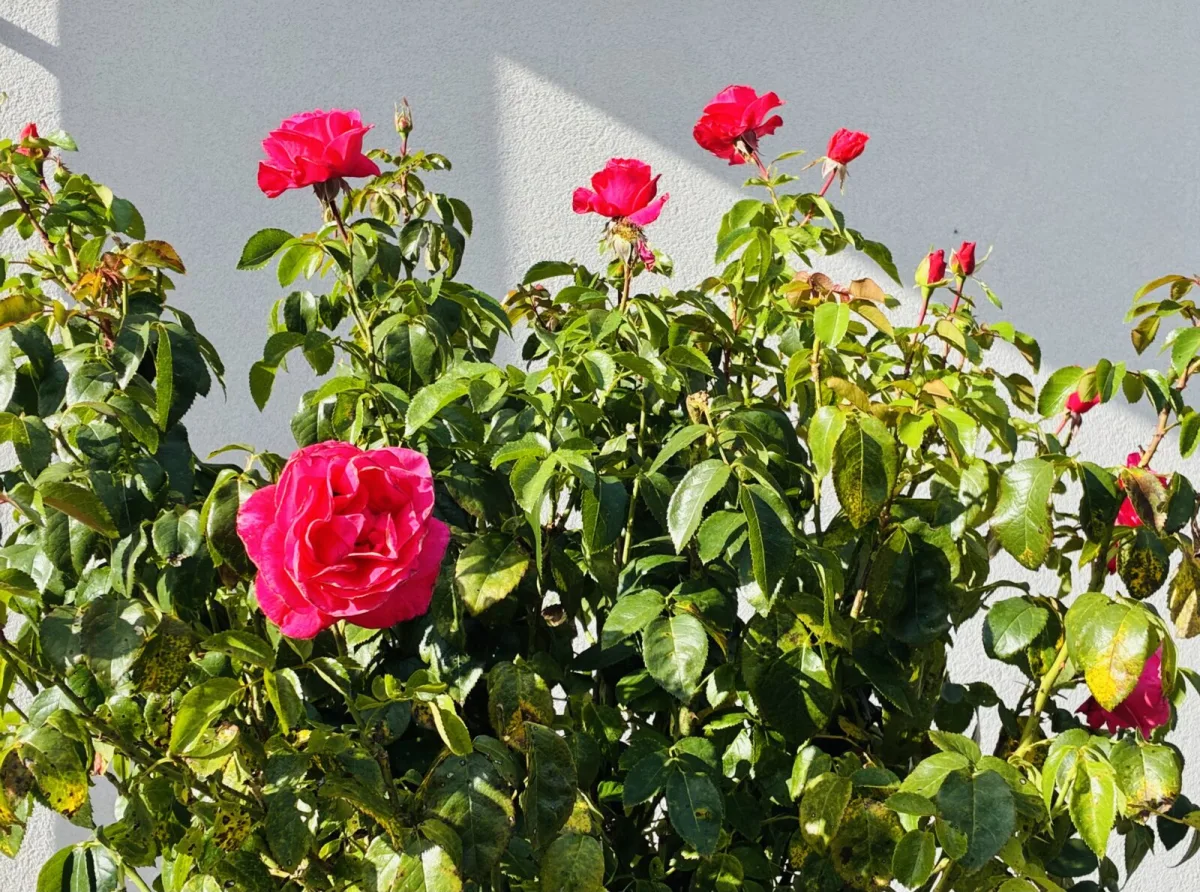
Spring is the safer option anywhere winters are long and severe, where the ground can freeze quickly, or where you only have bare-root plants available. It’s also better not to gamble if frosts are close and the rose wouldn’t have at least a few weeks for initial rooting. It’s worth waiting as well if the plants on offer aren’t dormant.
So fall rose planting isn’t wrong in itself. It simply requires more careful judgment than with many other ornamental plants. If you choose the right type of plant, hit the timing, and protect the rose through winter, it can establish well in its new spot. But when conditions aren’t favorable, spring remains the more certain and sensible choice.
Source: Gardening Know How, The Spruce , Pestrazahrada.cz
Related articles

Homegrown Physalis Tastes Better Than Store Bought But Green Fruit Can Be Toxic
Cape gooseberry (Physalis peruviana) rewards you with aromatic, sweet-tart fruit when grown in a sunny, sheltered spot. Learn how to raise plants from seed, care for them, and why unripe green fruit should never be eaten.
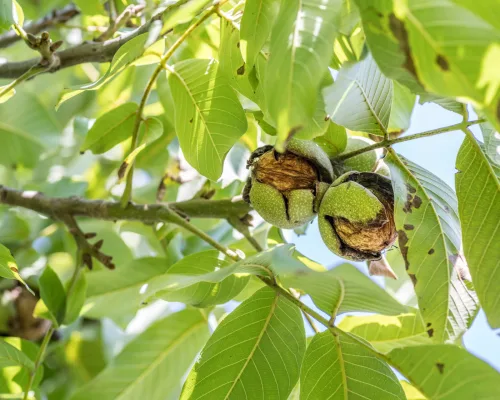
Never prune a walnut tree in spring
English walnut is a magnificent, long-lived tree, but timing matters—spring pruning can cause heavy sap bleeding and slow healing. Learn the right site, spacing, feeding, harvesting, and pruning window for a healthy crop.

Autumn asters turn the garden into a haven for pollinators
Autumn asters light up borders in September and October with clouds of colour while offering vital nectar and pollen when many other plants have finished. Chosen well, they’ll keep feeding pollinators right up to the first proper frosts.
Comments (0)
Be the first to comment.