
 English
 Polski
 Deutsch
 Nederlands
 Svenska
 Norsk
 Dansk
 Français
 Italiano
 Español
 Português
 Slovenčina
 Suomi
 Gaeilge
Thuja hedges are on the way out gardeners are choosing a shrub that shrugs off frost and drought and never looks dull
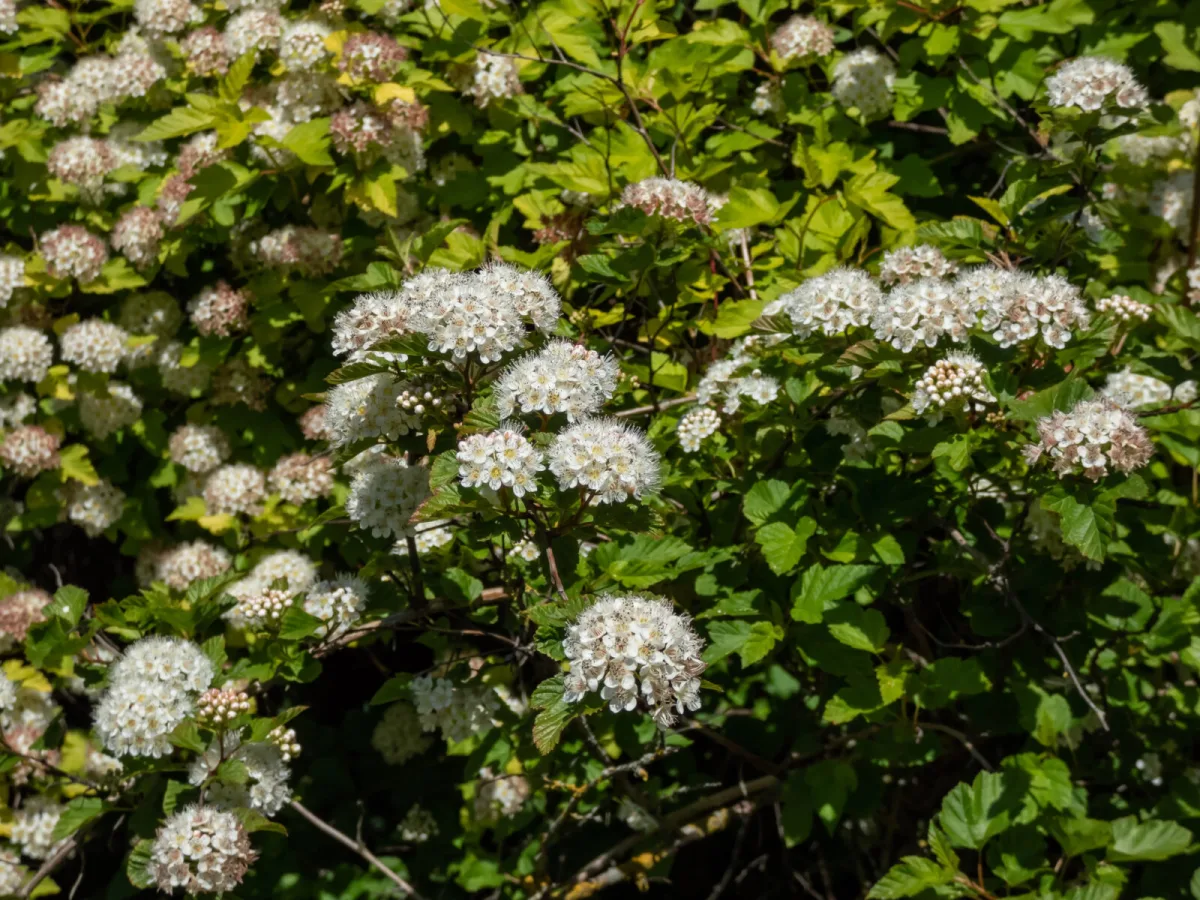
Thuja has a long tradition in Czech gardens, but when it comes to planting a new hedge, it’s no longer the only option by a long shot. Many gardeners today are looking for something that won’t feel bland, will offer more variation through the year, and will still keep its practical role as a privacy screen. That’s exactly why more diverse plantings made up of shrubs in different colours, shapes and heights are coming to the fore.
That doesn’t mean you need to rip out old thujas straight away. They’re still a living part of the garden and can continue to do a good job. But if you’re thinking about renovating, infilling gaps or going for a completely new solution, it pays to look at other woody plants as well. The result can be not only functional, but also far more interesting to look at.
A more natural-looking planting feels better and more welcoming
Current garden trends are moving away from perfectly straight, uniform lines. Instead of tightly clipped walls, hedges with a looser, more natural feel are taking over. A mix of taller and lower shrubs, different leaf shades and contrasting textures can create a softer, more picturesque whole than a single row of the same plants repeated over and over.
And this kind of planting loses none of its practicality. It can still screen well, reduce wind and divide different parts of the plot. What it adds is a changing look throughout the year. In spring it catches the eye with fresh growth and flowers, in summer with dense foliage, in autumn with colour, and in winter with branch structure or berries that remain on the shrubs.
Which shrubs can replace thuja
The choice is surprisingly wide. Hornbeam and beech are popular, forming elegant, reliable screens. Barberries also bring a strong ornamental effect and are valued for their broad range of leaf colours. If you want bold flowering in the hedge as well, you can reach for butterfly bush, forsythia, mock orange, weigela or lilac.
It also works well to weave shrubs together with small trees or perennials. That way you don’t end up with a flat barrier, but a layered green strip with more depth that visually enriches the garden. If you already have thuja on the property, you can also freshen it up by underplanting lower species where the growth is thinner.
Ninebark as the new garden favourite
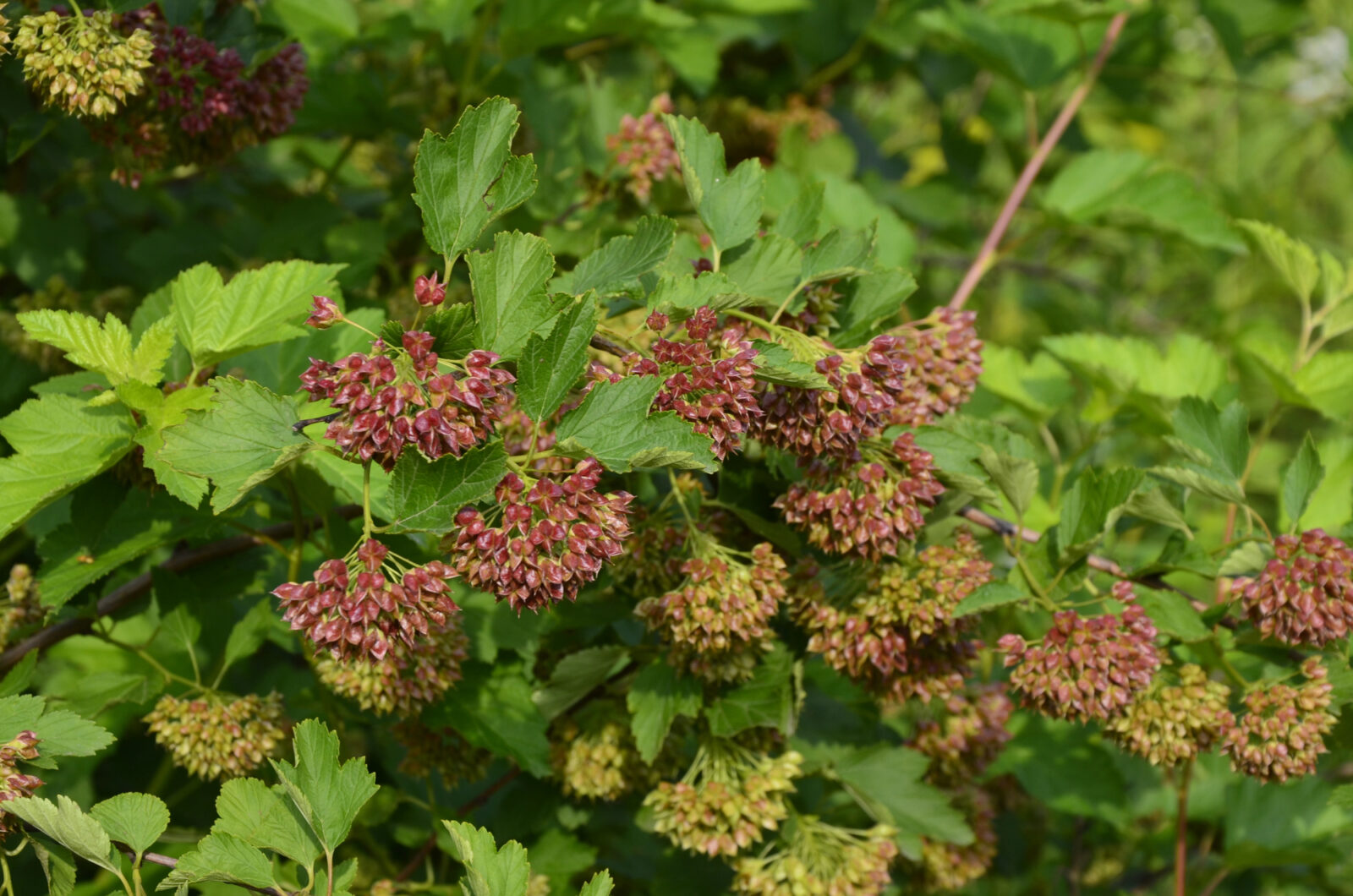
A plant that has become especially popular lately is ninebark. It isn’t one of the common spireas, even though the flowers can look somewhat similar. This shrub comes from North America and suits hedges above all for its toughness, resilience and year-round ornamental value.
It’s a shrub that copes well with sun, changeable weather and longer dry spells. It also tolerates poorer, stonier soil, though it benefits from the addition of good garden soil or compost at planting time. Once it’s properly established, it doesn’t demand complicated care. That makes it a great option for anyone who doesn’t want to spend lots of time on constant upkeep.
Ornamental all year, and interesting even in winter
Ninebark is attractive in every season. In spring it flowers with white blooms that look delicate yet abundant. Through the growing season it stands out for its foliage, with colour varying by cultivar. As well as classic green, leaves can be yellow or deep burgundy, so it slips easily into both modern and traditional gardens.
After flowering, fruit clusters appear and decorate the shrub long afterwards. At first they’re red, later they dry and take on a cinnamon-brown shade. This keeps ninebark looking interesting even in winter, when most deciduous shrubs lose their appeal. The fruits also attract birds, so the hedge isn’t just pretty, it’s full of life.
Anyone can prune it, and the reward is a long-lived hedge
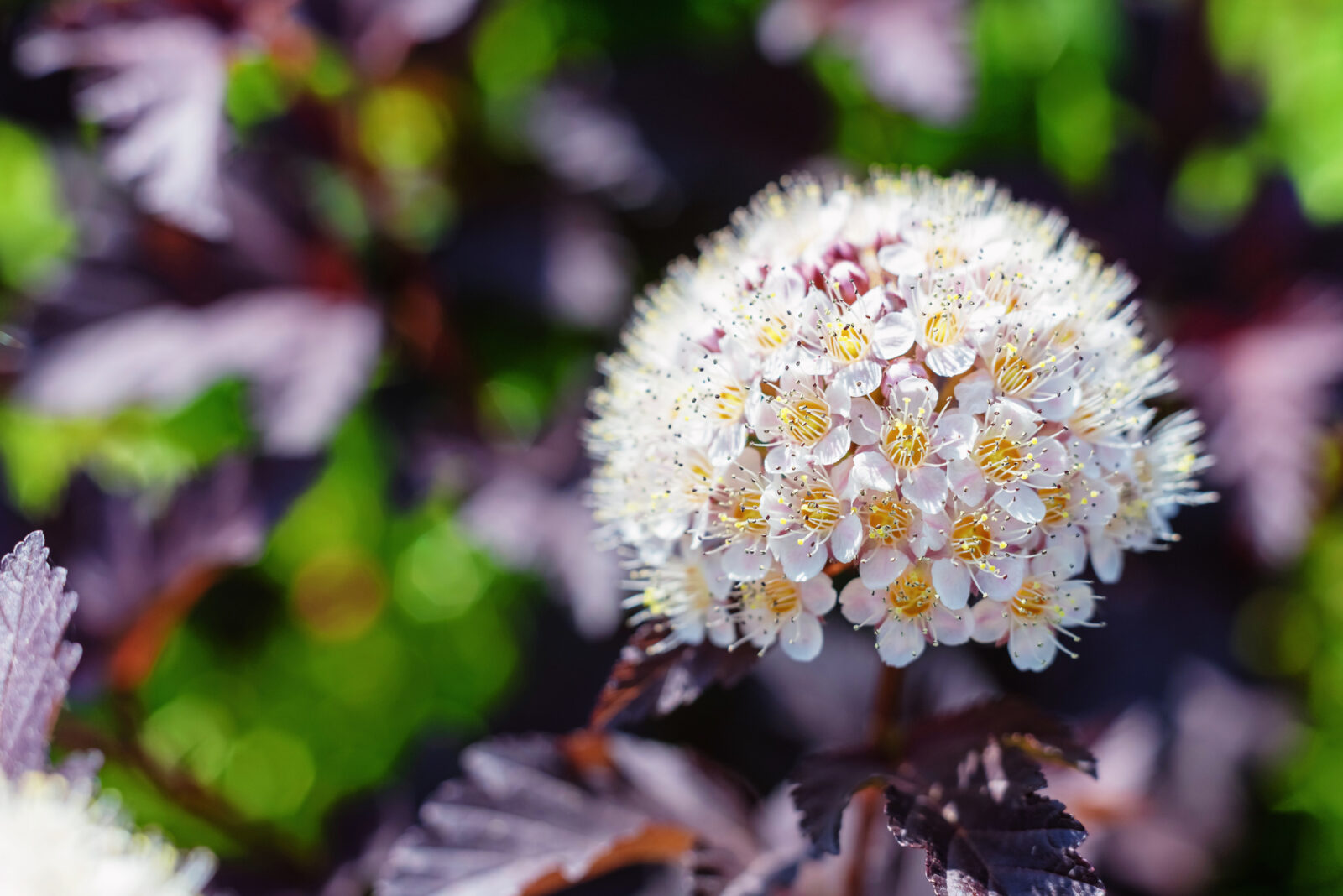
Another reason ninebark is so often recommended is its easy maintenance. It takes pruning well and can be shaped as needed, so it works for both informal and more neatly clipped hedges. It’s also fairly easy to propagate from cuttings. If you give it more space, it can grow to around 1 m, and some cultivars considerably taller.
A major advantage is its excellent frost hardiness. Ninebark handles very low temperatures without trouble, making it suitable even for harsher areas. So if you’re looking for a shrub that combines beauty, resilience and low demands, it may be one of the best alternatives to traditional thuja.
A hedge today doesn’t have to be a monotonous backdrop. It can become a garden feature that changes colour through the year, flowers and attracts life.
Source: The Spruce, iReceptář, Pestrá zahrada, Pestrazahrada.cz

A lover of nature, gardens, and everything that moves, blooms, or grows. He literally grows everything, from herbs to rare species, and he enjoys caring for animals just as much. In his work, he connects modern technology with tried-and-tested grandmotherly methods and is happy when both paths lead to the same goal.
Related articles
Drought tolerant fruit trees for Czech gardens that handle heat and winter frosts
Warmer summers and longer dry spells are changing what can be grown in Czech gardens. With the right variety and a sunny, sheltered spot, olives, pomegranates and figs can cope with heat, drought and even winter cold.
Autumn planted grapevines bud earlier the most common mistake happens before they even go in the ground
Planting grapevines in November can give them a head start in spring, as roots can still establish in warm soil. Success depends mainly on proper planting depth and reliable winter protection.
Ten Crops to Sow Before Winter for an Earlier Spring Harvest
Autumn sowing lets hardy vegetables and herbs root in before frosts, so they spring into growth as soon as temperatures rise. With the right timing and bed preparation, you can harvest noticeably earlier in the new season.
Comments (0)
Be the first to comment.