
 English
 Polski
 Deutsch
 Nederlands
 Svenska
 Norsk
 Dansk
 Français
 Italiano
 Español
 Português
 Slovenčina
 Suomi
 Gaeilge
Perennials from autumn sales only sometimes survive winter: plant these now, others wait until spring
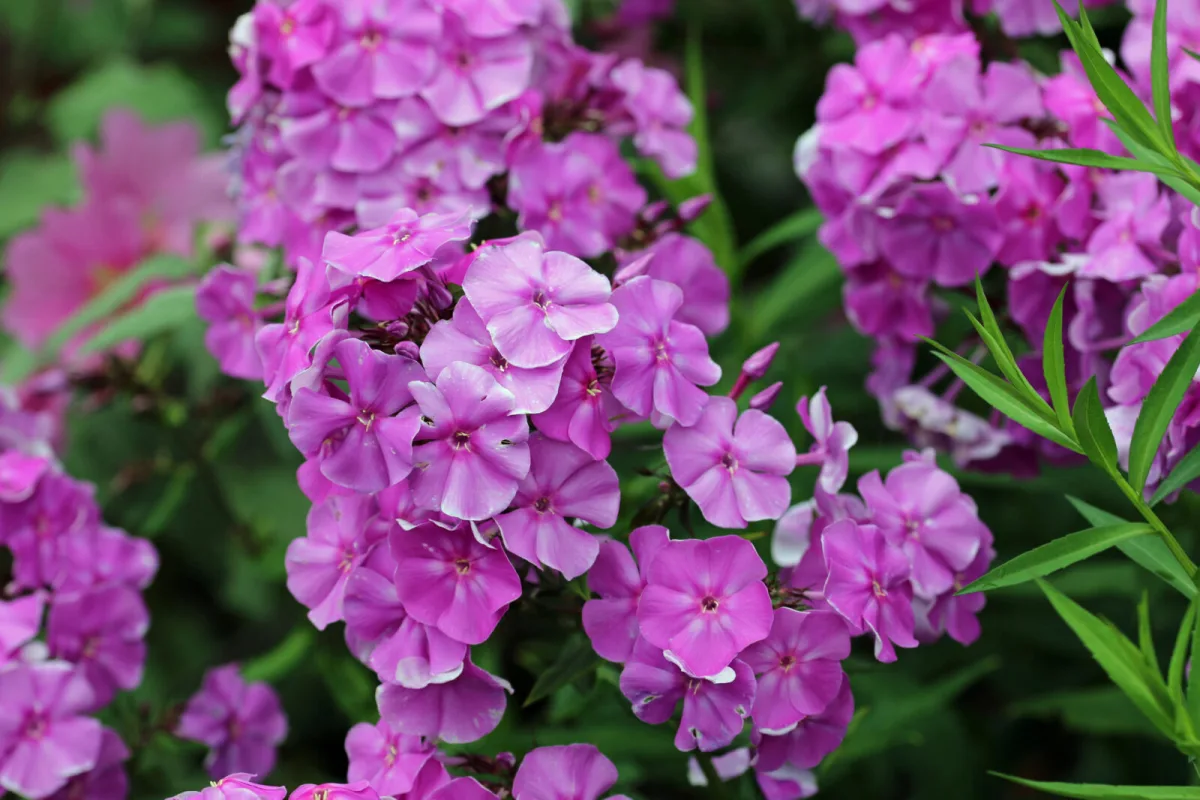
Many frost-hardy container-grown perennials can still be planted in November, but it isn’t a blanket rule. Success isn’t decided by the date on the calendar so much as the condition of the soil, the strength of the plant, the characteristics of the species, and your garden’s conditions. The ground must not be frozen or waterlogged. If the bed is muddy or water is sitting in the planting hole, it’s better to postpone planting.
Autumn discounts at garden centres tempt you into a quick purchase, but not every plant will benefit from it. Before you plant a perennial, it pays to check both the bed and the rootball carefully. That often tells you whether the plant has a real chance to root in properly before winter.
What to check before planting
The soil needs to be workable below the surface too, with no frozen clods and no persistent waterlogging. In wet, heavy soil the roots lack air and plants can rot easily. The plant’s condition matters as well. When you gently slide it out of the pot, the roots should be well developed, but not overgrown into an extremely tight, solid mass.
Weak, small, or poorly rooted plants are often safer kept over winter in sheltered conditions and planted out later. Correct identification of the species and cultivar also plays a big role. A plant may be perennial, yet it may not reliably survive every winter. Extra caution is needed in frost pockets, at higher elevations, and in windy, exposed spots.
Which perennials are usually still planted
For November planting, the best choices are healthy, well-rooted container-grown plants. They usually establish fairly reliably, for example hostas, bergenias, heucheras (coral bells), rhizomatous cranesbill geranium, lady’s mantle, daylilies, garden phlox, purple coneflower, and showy stonecrop (Hylotelephium). Even with these, they still need a suitable position and soil that drains excess water.
For instance, heucheras don’t tolerate having the crown buried under soil or mulch; showy stonecrop should not be planted into cold, wet clay; and rhizomatous cranesbill struggles more in heavy soil that stays wet in winter. For daylilies, on the other hand, autumn planting is often perfectly suitable—provided the plant is strong and the bed doesn’t remain waterlogged.
When it makes more sense to wait until spring
More sensitive species often have a better chance with spring planting, because they get a longer period to root in before their first winter. This applies, for example, to gaura, Argentinian vervain (Verbena bonariensis), fountain grasses (Pennisetum), and miscanthus. With ornamental grasses, spring is generally considered the safer time, especially in cooler areas or with weaker plants.
A similarly cautious approach is sensible with chrysanthemums bought in flower in autumn, if you’re not sure how hardy they are. A mature, well-established clump often comes through winter much better than a newly planted one, and that difference is often crucial.
A pot-grown plant and dividing clumps are not the same
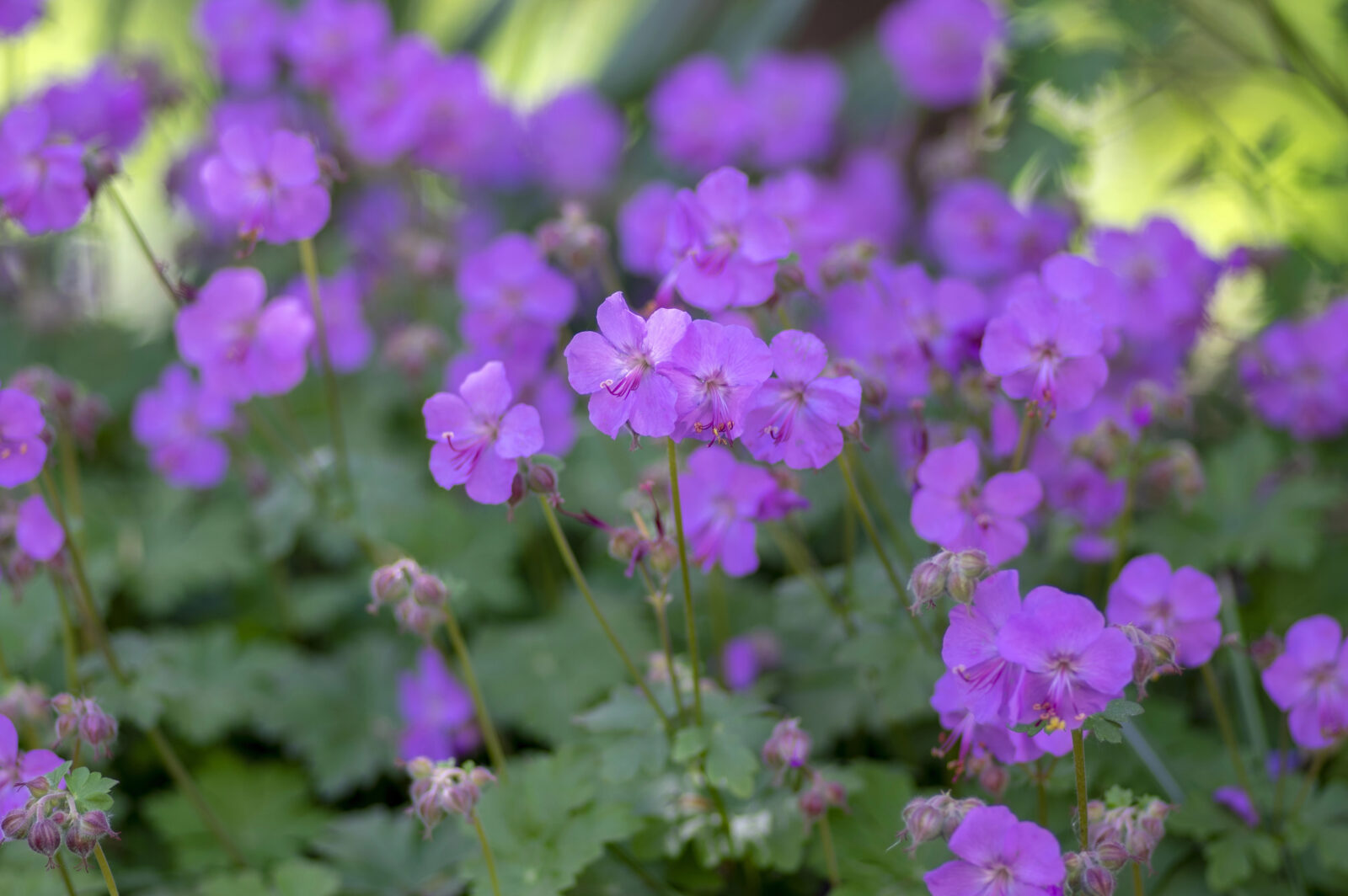
The fact that you can plant a container-grown plant doesn’t mean it’s the right time to divide every perennial. When you move a potted plant into a bed, most of the rootball remains intact. By contrast, when you split an older clump you disturb the roots significantly and the plant has to re-establish. In a wet autumn, it’s therefore often better to wait with dividing. For ornamental grasses, spring is usually the best choice.
What to do when planting is no longer suitable
Hardy, well-rooted perennials can be kept in their pots in a sheltered place. It helps to sink the pots into unfrozen, free-draining soil, or at least group them together and wrap them with insulating material. Roots in containers are more vulnerable to freezing than the roots of plants in the ground.
Species that dislike winter wet are best protected from persistent rain, for example under a roof overhang or in an airy cold frame. Excess water must always be able to drain away freely. Chrysanthemums with unknown hardiness, as well as uncertain cultivars of gaura and vervain, are safest stored in a cool, bright, frost-free place.
How to care for newly planted perennials
After planting, water the plants so the soil settles around the roots. Further watering depends on the weather and the actual soil moisture. With suitable species, you can lightly top-dress around them with mature compost, but the crown must remain clear. Once frosts arrive, it’s worth checking that plants haven’t heaved up out of the soil and exposed their roots.
During winter, also keep an eye on the moisture in container compost. Plants must not sit in water, but they also shouldn’t dry out completely. In spring, plant them out only when the soil is again workable and conditions match the needs of the particular species.
Source: RHS, The Spruce, Pestrazahrada.cz

A lover of nature, gardens, and everything that moves, blooms, or grows. He literally grows everything, from herbs to rare species, and he enjoys caring for animals just as much. In his work, he connects modern technology with tried-and-tested grandmotherly methods and is happy when both paths lead to the same goal.
Related articles
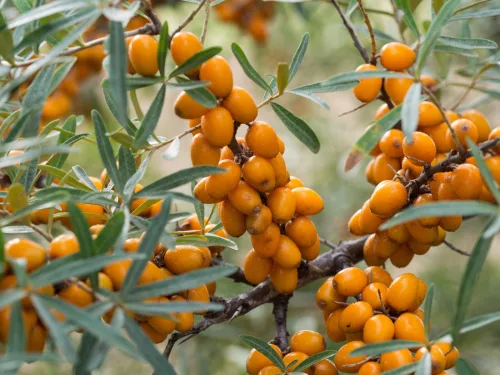
Sea Buckthorn Is the Most Underrated Shrub in the Garden
Sea buckthorn is a remarkably tough, low-maintenance shrub that rewards you with vitamin-rich orange berries. With the right male-to-female planting, it can outcrop many fruit trees while asking for very little in return.
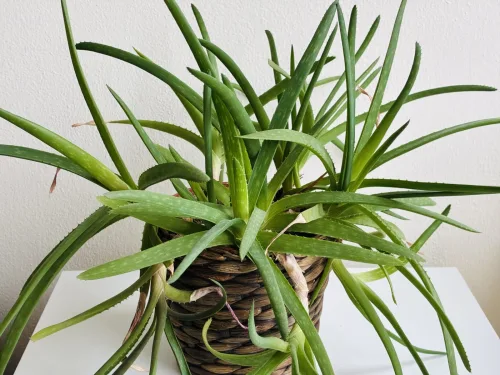
Aloe Vera Can Go a Month Without Water, but One Well-Meant Habit Can Kill It
Aloe vera is a tough, drought-tolerant houseplant, but it’s far more likely to suffer from too much water than too little. Learn where to place it, how to pot it up properly, and how to avoid the most common mistakes.

Forget Thuja, This Autumn-Bright Shrub Turns Your Fence into an Orchard and Is Easier to Grow Than Blueberries
Instead of planting a wall of thuja for privacy, consider serviceberry: a hardy, low-maintenance shrub with spring blossom, summer berries and fiery autumn colour. It thrives in ordinary garden soil and works beautifully as a fruiting hedge.
Comments (0)
Be the first to comment.