
 English
  Polski
  Deutsch
  Nederlands
  Svenska
  Norsk
Norsk  Dansk
Dansk  Français
  Italiano
  Español
  Português
  Slovenčina
  Suomi
Suomi  Gaeilge
 Garlic growers revealed the secret to big bulbs it starts with autumn planting
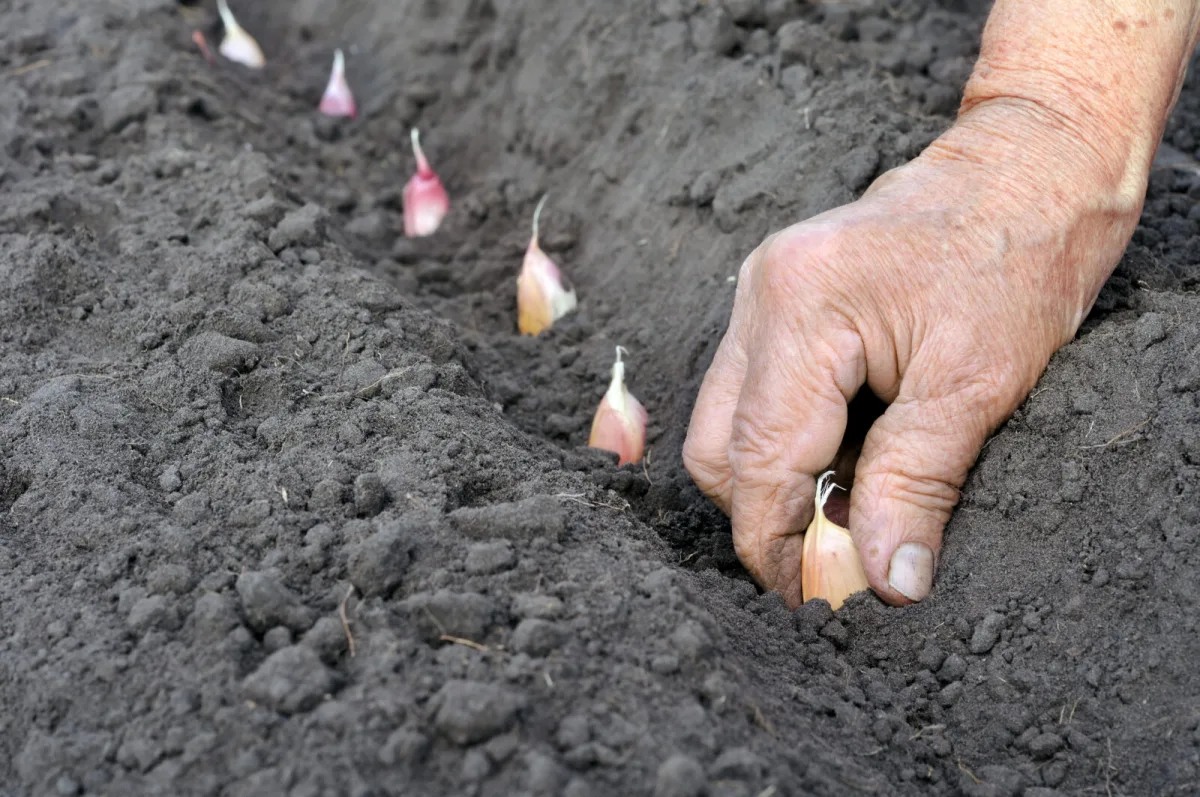
Planting winter garlic is one of the classic autumn jobs in Czech gardens. Although garlic is considered a fairly undemanding crop, the future harvest is often decided right at the start. It matters a great deal what kind of soil the cloves go into and what you add to the bed beforehand. This is exactly where many unnecessary mistakes happen, which can later lead to poorer growth and a lighter crop.
When to plant garlic and what to think about in advance
Winter garlic is usually planted from late September through to mid-November. The exact timing depends on the weather and your garden’s location. The key is to catch the period when it’s already cooler, so the garlic can root well before winter but doesn’t start pushing too much growth above ground. If it’s planted too early, it can sprout, increasing the risk of frost damage.
Cloves are typically planted to a depth of about 6 to 8 cm, and it’s best to leave spacing of around 10 to 12 cm between plants. The soil should be loose, weed-free, and evenly moist. Above the clove there should be a layer of soil that protects it, but isn’t so heavy that it compacts.
What benefits garlic the most
Garlic grows best in soil that is fertile, well-aerated, and rich in humus. Before planting, well-rotted compost does an excellent job, as does thoroughly decomposed organic matter or leaf mould. This kind of soil holds the moisture garlic needs, while still avoiding waterlogging, which is crucial for healthy bulb development.
Wood ash can also be beneficial, because it contains potassium. Potassium helps form firm bulbs and also improves their keeping quality after harvest. On more acidic soils, a light application of lime can help too, since garlic does better in neutral or only slightly alkaline soil.
What to avoid at planting
A common mistake is using fresh manure or unfinished compost. These materials can cause cloves to rot and make plants more prone to fungal diseases. Even if fresh organic feeding seems like it should help, with garlic the result is often the opposite.
You also need to be cautious with nitrogen fertilisers. Too much nitrogen does encourage lush leaf growth, but the bulbs themselves then tend to be weaker, less firm, and they store poorly. Heavy clay soil left unamended is another issue. If water sits in it for a long time, cloves rot easily and plants get off to a poor start.
The right site and crop rotation
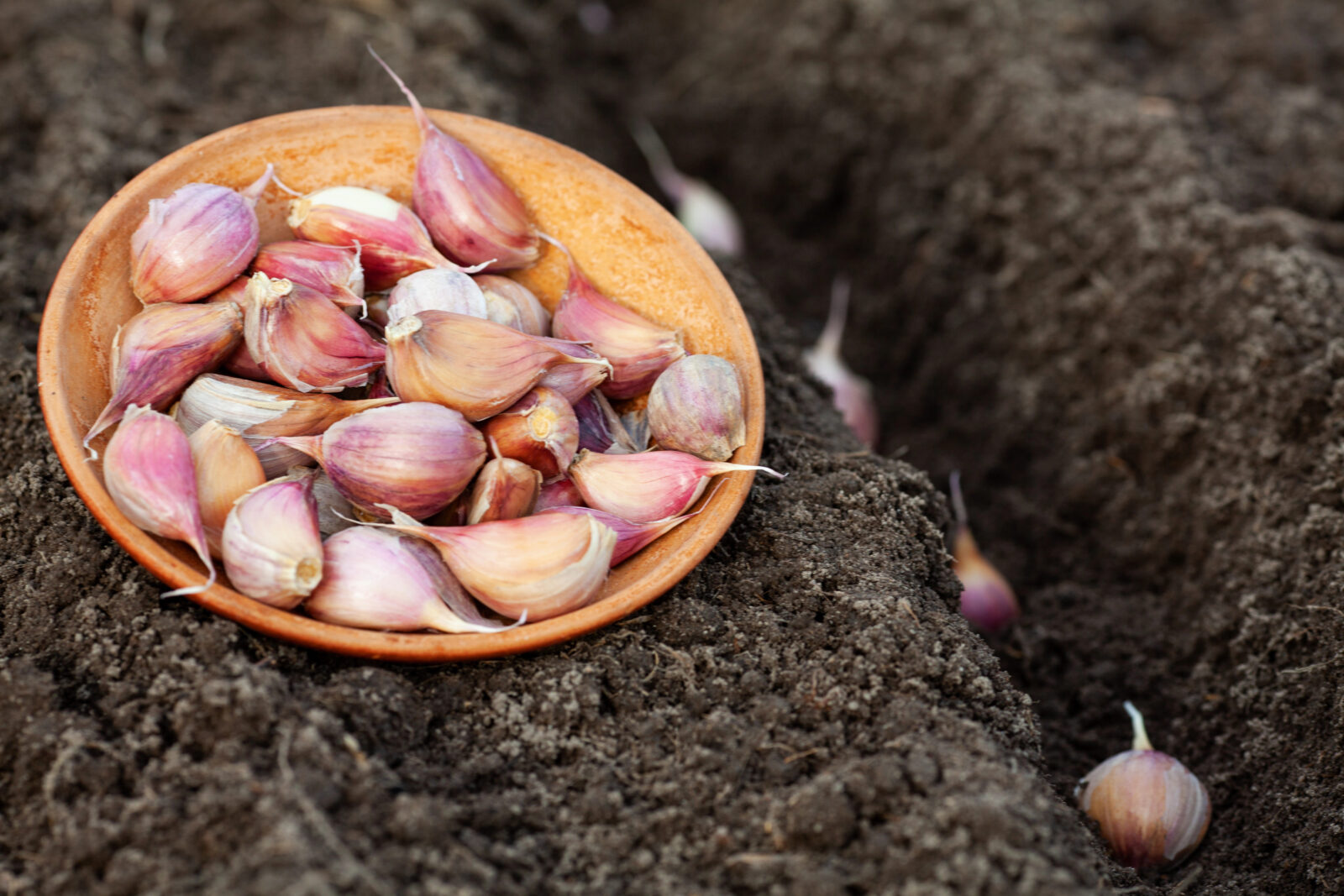
Alongside soil nutrition, choosing the right spot plays a major role. Experienced growers recommend not planting garlic in the same bed again for at least four years. This helps limit the spread of diseases and pests that can build up in the soil.
It’s also best not to plant garlic after onions or leeks, because these crops suffer from similar problems. By contrast, cucumbers, tomatoes, or early potatoes make good preceding crops. With a well-chosen site, garlic has better conditions for healthy growth and for forming strong bulbs.
The harvest begins with autumn preparation
Strong, high-quality garlic doesn’t happen in spring or at harvest time, but already at autumn planting. If it gets properly prepared soil, plenty of humus, and sensible care, it will reward you with firm, healthy bulbs that store well. Mistakes in feeding or site choice, on the other hand, are difficult to fix later.
For success, it’s best to rely on moderation and good bed preparation. Well-rotted compost, an airy soil structure, and the right planting time are usually far more important for winter garlic than heavy feeding.
If you avoid fresh manure, excess nitrogen, and waterlogged soil, you’ll have done the most important things for a future harvest. The garlic will root without trouble, overwinter well, and in the next season deliver a crop that pleases not only with its quantity, but also with its bold flavour and aroma.
Source: Garlic Seed, House and Garden, Pestrazahrada.cz

A lover of nature, gardens, and everything that moves, blooms, or grows. He literally grows everything, from herbs to rare species, and he enjoys caring for animals just as much. In his work, he connects modern technology with tried-and-tested grandmotherly methods and is happy when both paths lead to the same goal.
Related articles
Homegrown Physalis Tastes Better Than Store Bought But Green Fruit Can Be Toxic
Cape gooseberry (Physalis peruviana) rewards you with aromatic, sweet-tart fruit when grown in a sunny, sheltered spot. Learn how to raise plants from seed, care for them, and why unripe green fruit should never be eaten.
Never prune a walnut tree in spring
English walnut is a magnificent, long-lived tree, but timing matters—spring pruning can cause heavy sap bleeding and slow healing. Learn the right site, spacing, feeding, harvesting, and pruning window for a healthy crop.
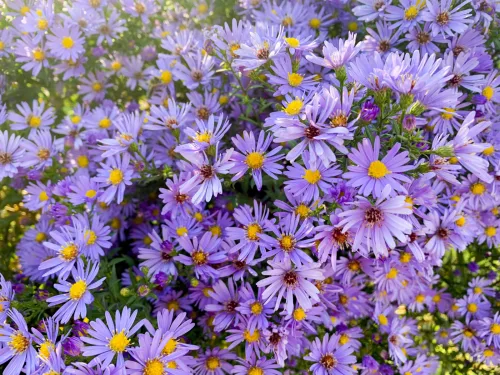
Autumn asters turn the garden into a haven for pollinators
Autumn asters light up borders in September and October with clouds of colour while offering vital nectar and pollen when many other plants have finished. Chosen well, they’ll keep feeding pollinators right up to the first proper frosts.
Comments (0)
Be the first to comment.