
 English
 Polski
 Deutsch
 Nederlands
 Svenska
 Norsk
 Dansk
 Français
 Italiano
 Español
 Português
 Slovenčina
 Suomi
 Gaeilge
Sea Buckthorn Is the Most Underrated Shrub in the Garden
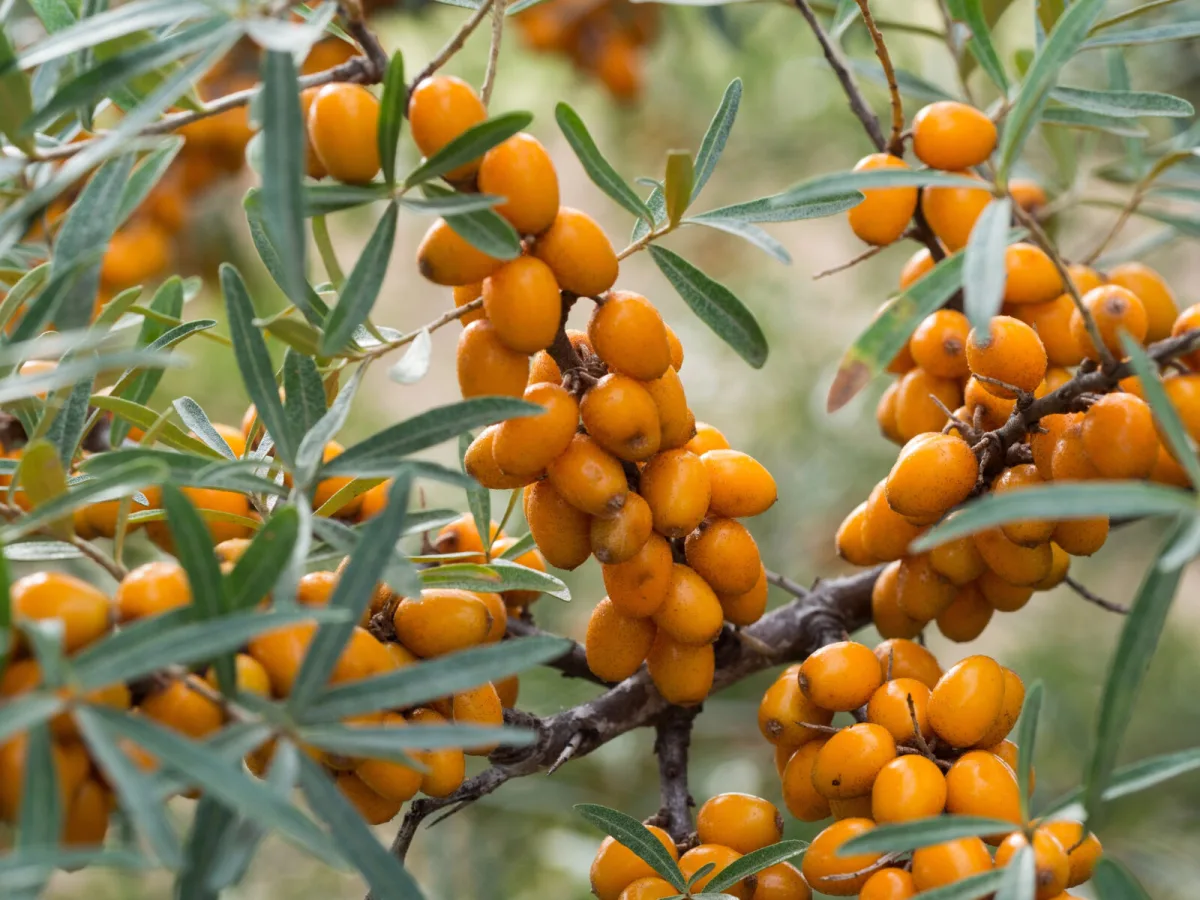
In many gardens there’s room for plants that are not only attractive, but also genuinely useful. Sea buckthorn (Hippophae rhamnoides) fits that bill perfectly: it’s surprisingly resilient, easy to grow, and produces exceptionally valuable fruit. Even so, it still ranks among the shrubs people plant far less often than it deserves.
It’s suitable for experienced growers as well as those just starting out with a productive garden. Sea buckthorn tolerates hard frost, copes with dry spells, and manages without fussy care. Thanks to this easy-going nature, it’s an excellent choice for anyone who wants something both beautiful and beneficial in the garden.
Orange berries packed with valuable nutrients
Sea buckthorn is prized mainly for its vivid orange berries. They contain very high levels of vitamin C, along with other compounds important to the body, such as antioxidants and beneficial fatty acids. Including sea buckthorn regularly in your diet can support immunity, help with fatigue, and benefit digestion as well as skin condition.
It’s not just the berries that are useful. The leaves also have value and are commonly used to make tea. It’s especially popular in the colder months and during periods of increased illness, when people look for natural support for the body. Sea buckthorn is therefore not merely a seasonal fruit, but a plant with broader uses.
How to grow sea buckthorn successfully
This shrub does best in a sunny position, but it will cope in less-than-ideal conditions too. It isn’t demanding about soil and can handle spots where other productive woody plants would struggle. You can plant it in spring or autumn. However, for it to fruit properly, you need both a male and a female plant, because without pollination you won’t get a crop.
It’s important that the two shrubs aren’t planted too far apart. Only then can pollination take place and berries form. Once established, sea buckthorn needs very little attention. It’s highly drought-tolerant, and with sensible pruning it will keep a good shape and stay in strong condition.
Why it’s still overlooked
Although sea buckthorn has many advantages, we still don’t see it in gardens as often as you might expect. One reason is its thorny branches, which can put some growers off. In reality, regular pruning is enough to make the shrub much easier to handle. What’s more, there are cultivars with fewer thorns, or almost none at all.
Another reason is simple lack of awareness. Many people don’t realize how valuable the berries are—or how little care the shrub needs. Yet it’s a plant that combines ornamental appeal with a strong contribution to the home kitchen and a healthy lifestyle.
Uses in the kitchen and for home care
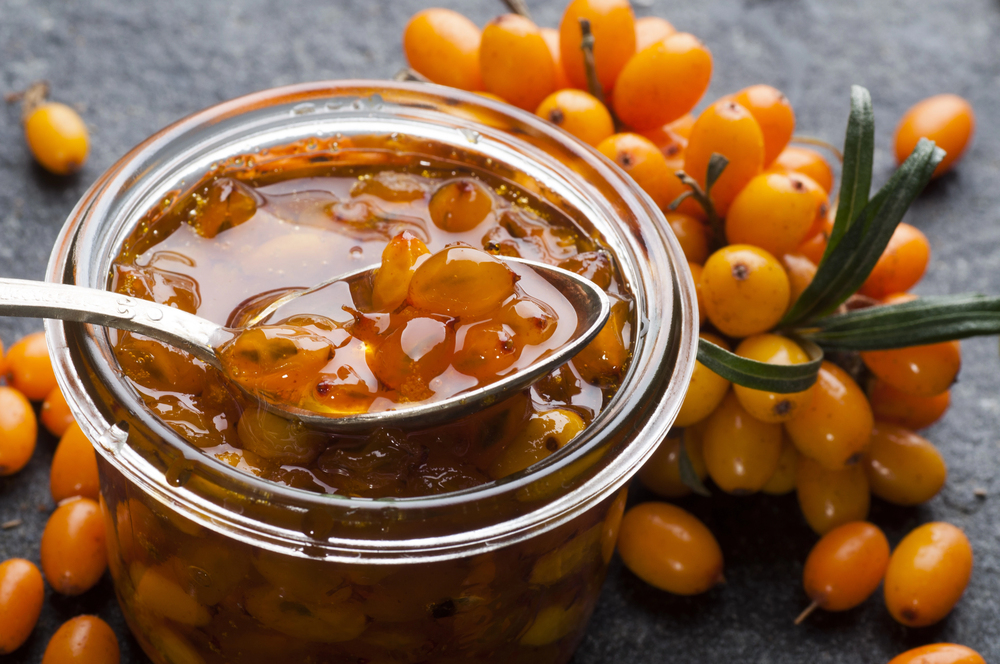
Sea buckthorn berries have a distinctly sharp, sour flavour, which is why they’re often processed. They’re ideal for syrups, juices, jams, jellies, or fruit purées. Homemade liqueurs are popular too. If you want to keep their benefits for longer, you can freeze the berries or dry them and add them later to tea blends.
Sea buckthorn berries can be very tart, so it often pays to process them further—for example into syrup, dried fruit, or oil.
Sea buckthorn oil is also highly valued and is used to care for irritated skin or minor injuries. From a single shrub, you can obtain a useful ingredient for the kitchen as well as for a natural home first-aid cupboard.
A shrub that deserves more attention
Sea buckthorn combines toughness, straightforward cultivation, and exceptionally valuable fruit. It looks attractive even in autumn and winter, when its orange berries literally glow in the garden. If you’re looking for a woody plant that won’t demand constant care and will still deliver real benefits, sea buckthorn is among the best choices.
In the garden it can serve as an ornament as well as a source of valuable ingredients for the whole family. Growing it isn’t complicated, and the payoff can be surprisingly big. That’s exactly why this still somewhat underappreciated shrub deserves far more space in gardens.
Source: iReceptář, Gardeners World, Zahrádkář, Pestrazahrada.cz

A lover of nature, gardens, and everything that moves, blooms, or grows. He literally grows everything, from herbs to rare species, and he enjoys caring for animals just as much. In his work, he connects modern technology with tried-and-tested grandmotherly methods and is happy when both paths lead to the same goal.
Related articles
Perennials from autumn sales only sometimes survive winter: plant these now, others wait until spring
Many container-grown hardy perennials can still be planted in November, but only when soil and plant condition are right. Some types are better left until spring, especially in cold, wet or exposed gardens.
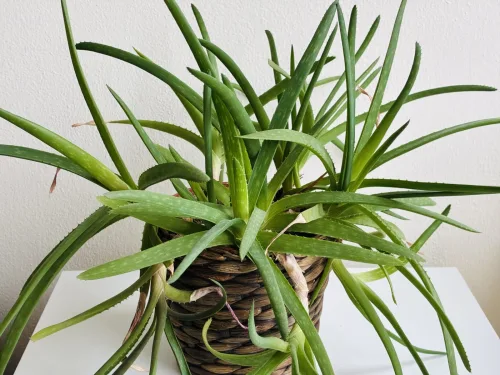
Aloe Vera Can Go a Month Without Water, but One Well-Meant Habit Can Kill It
Aloe vera is a tough, drought-tolerant houseplant, but it’s far more likely to suffer from too much water than too little. Learn where to place it, how to pot it up properly, and how to avoid the most common mistakes.

Forget Thuja, This Autumn-Bright Shrub Turns Your Fence into an Orchard and Is Easier to Grow Than Blueberries
Instead of planting a wall of thuja for privacy, consider serviceberry: a hardy, low-maintenance shrub with spring blossom, summer berries and fiery autumn colour. It thrives in ordinary garden soil and works beautifully as a fruiting hedge.
Comments (0)
Be the first to comment.