
 English
 Polski
 Deutsch
 Nederlands
 Svenska
 Norsk
 Dansk
 Français
 Italiano
 Español
 Português
 Slovenčina
 Suomi
 Gaeilge
Want Baskets Full of Strawberries Next Year? Autumn Care Makes the Difference
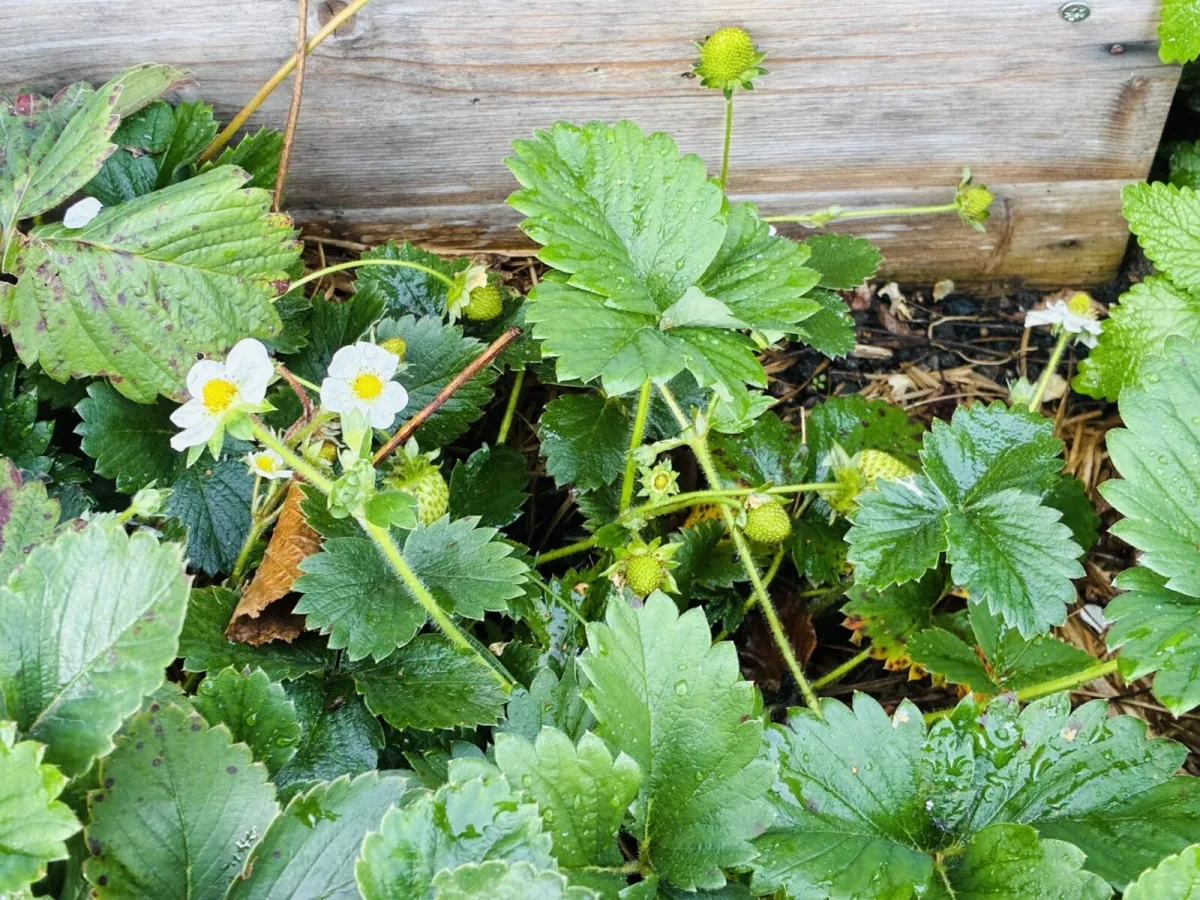
Strawberries aren’t the kind of plants you can simply ignore after harvest. Because they’re perennials, proper care once fruiting is finished has a major impact on how many sweet, juicy berries they’ll produce the following year. Autumn is the ideal time to tidy the patch, check plant health, and get everything ready for winter. If you look after the plants in good time, they’ll repay you with stronger growth and a bigger crop.
First, figure out what type of strawberry you’re growing
Not all strawberries need the same after-harvest approach. The key is to know whether you’re growing June-bearing varieties, everbearing types, or day-neutral strawberries. June-bearers typically give one main, heavy crop in early summer and then move into a quieter phase. By contrast, everbearing and day-neutral types can set fruit repeatedly through the season. Your next steps, especially pruning, should be guided by which type you have.
The right post-harvest cutback is essential
With June-bearing strawberries, a more substantial cutback is a good idea. Once they’ve finished fruiting, you can trim the foliage to about 2 to 5 cm above the ground. The important thing is not to damage the plant’s crown (the “heart”), which is where it will regrow from. Small plantings can be cut by hand with shears; on larger beds, some gardeners use a mower set to the highest possible setting.
Everbearing and day-neutral strawberries don’t need such a drastic intervention. For these, it’s enough to remove only dry, damaged, or diseased leaves. Cutting them back too hard can reduce continued fruiting or weaken the plant unnecessarily. With June-bearing varieties, one sign they’re done fruiting is that they stop flowering and start producing runners more intensively.
Remove protective covers after harvest
While fruit is ripening, strawberries are often protected with netting, collars, or other barriers against pests and birds. Once harvesting is over, it’s best to remove these. Uncovered plants get better airflow, and you also make access easier for beneficial garden helpers. Birds can reduce certain pests, and you’ll also cut down on hiding places for slugs, which might otherwise shelter around strawberry plants.
Keep checking for pests even after fruiting ends
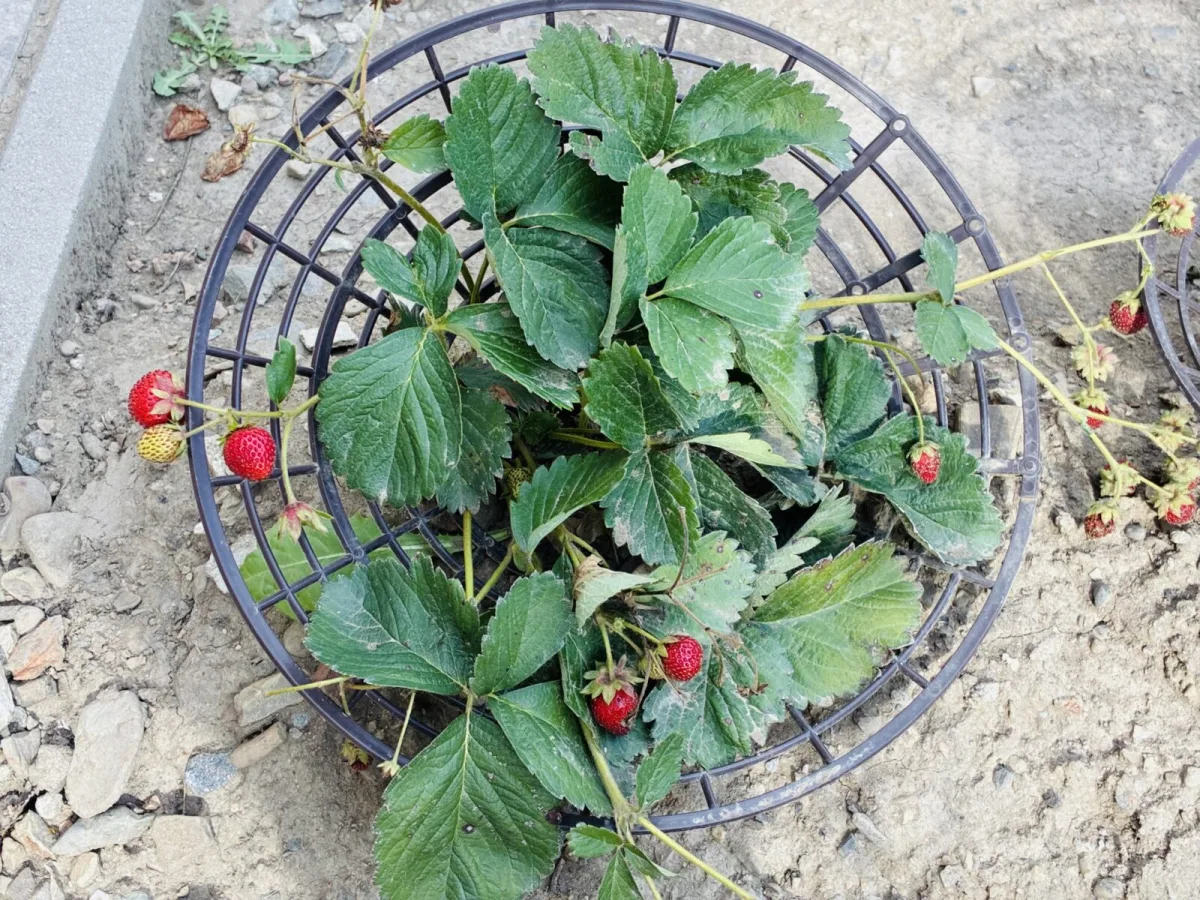
Many growers relax after harvest, but that’s exactly when certain problems can quietly build. Strawberries are often attacked by aphids or spider mites, which weaken plants and reduce their vigor for the next season. That’s why it pays to inspect the leaves regularly.
If you catch pests early, a strong jet of water from a hose is often enough to wash them off. With heavier infestations, an organic insecticidal soap applied repeatedly at weekly intervals can also help. The goal isn’t only immediate pest removal, but above all keeping plants in good condition going into winter.
Use runners to propagate new plants
June-bearing varieties usually produce more runners than other types. You can use these young plants to fill gaps in the bed or to renew older, less productive clumps. If the runners have already formed roots, they can be separated from the mother plant and transplanted.
If roots haven’t formed yet, pin the young plantlet to the soil and keep the spot consistently slightly moist until it roots. Only then should you cut it free. If you don’t need new plants, it’s better to remove the runners. The mother plant won’t waste energy feeding them and will keep more strength for next season.
Don’t stop watering too early
Even after harvest, strawberries appreciate consistent moisture. Until the end of August, aim for about 2.5 cm of water per week. Later, you can reduce watering gradually, but the soil shouldn’t dry out completely. Light watering is worthwhile right up until the ground freezes.
Regular autumn watering is especially important for June-bearing varieties because it supports next year’s flower bud formation. This is when the plant is building the foundation for the next harvest, and drought stress can mean a lighter crop the following season.
Replenish nutrients after harvest
Strawberries use a lot of energy during the growing season, so feeding after fruiting helps. Container-grown plants respond well to liquid organic feeds, while in beds you can use a balanced granular fertilizer or products with a slightly higher nitrogen content. Apply fertilizer around the crowns and lightly work it into the top layer of soil.
The point of an autumn feed isn’t to force lush growth at all costs, but to help strawberries rebuild strength after cropping and prepare for the next year. A well-nourished plant overwinters better and gets growing faster in spring.
Strawberries in pots need better protection
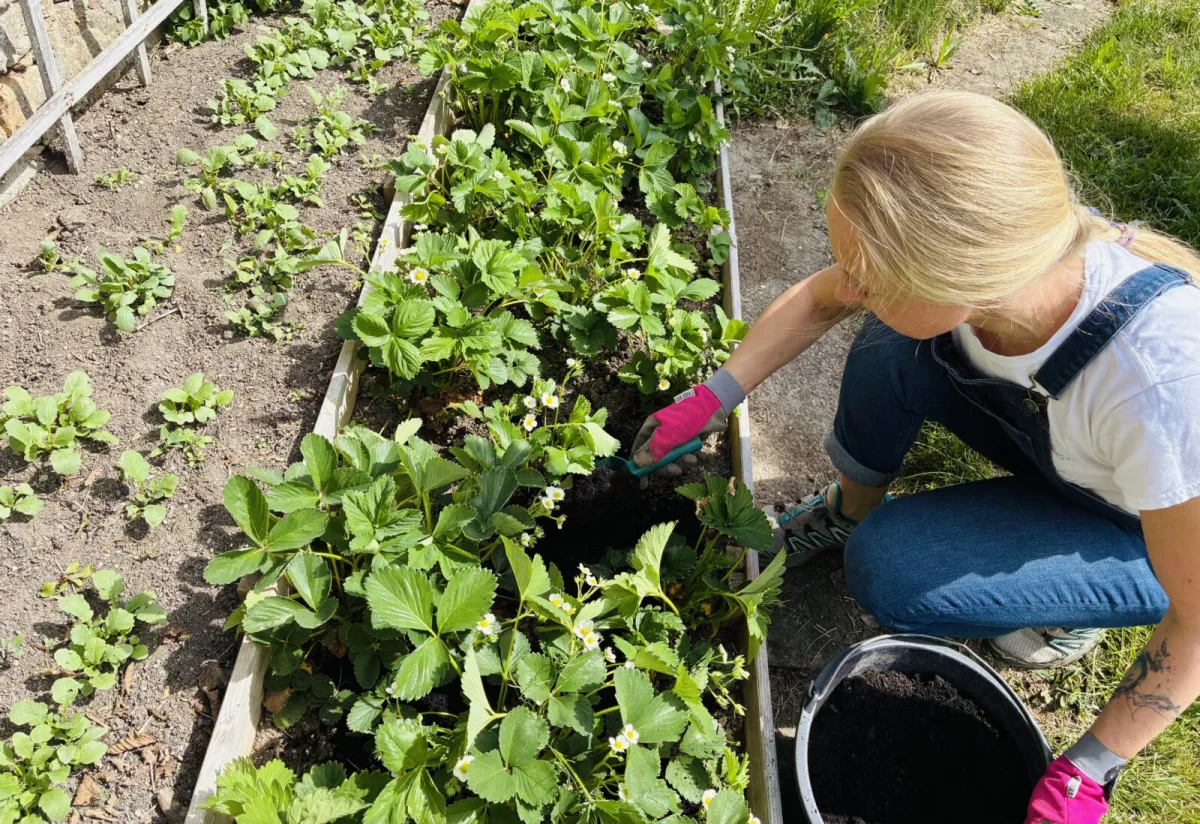
Strawberries grown in containers are much more vulnerable in winter than those in the ground. Roots in pots freeze more quickly. Once temperatures drop, it’s worth covering the surface of the containers with a thicker layer of loose mulch. Then it’s best to move the pots to a sheltered spot, such as against a house wall or into an unheated garage.
If the pots are fragile, you can wrap them with a blanket or bubble wrap so they don’t crack in hard frosts. Even in winter, though, don’t forget the plants entirely. Every week or two, check the compost and if it’s dry, water lightly.
Mulch helps during the season and in winter
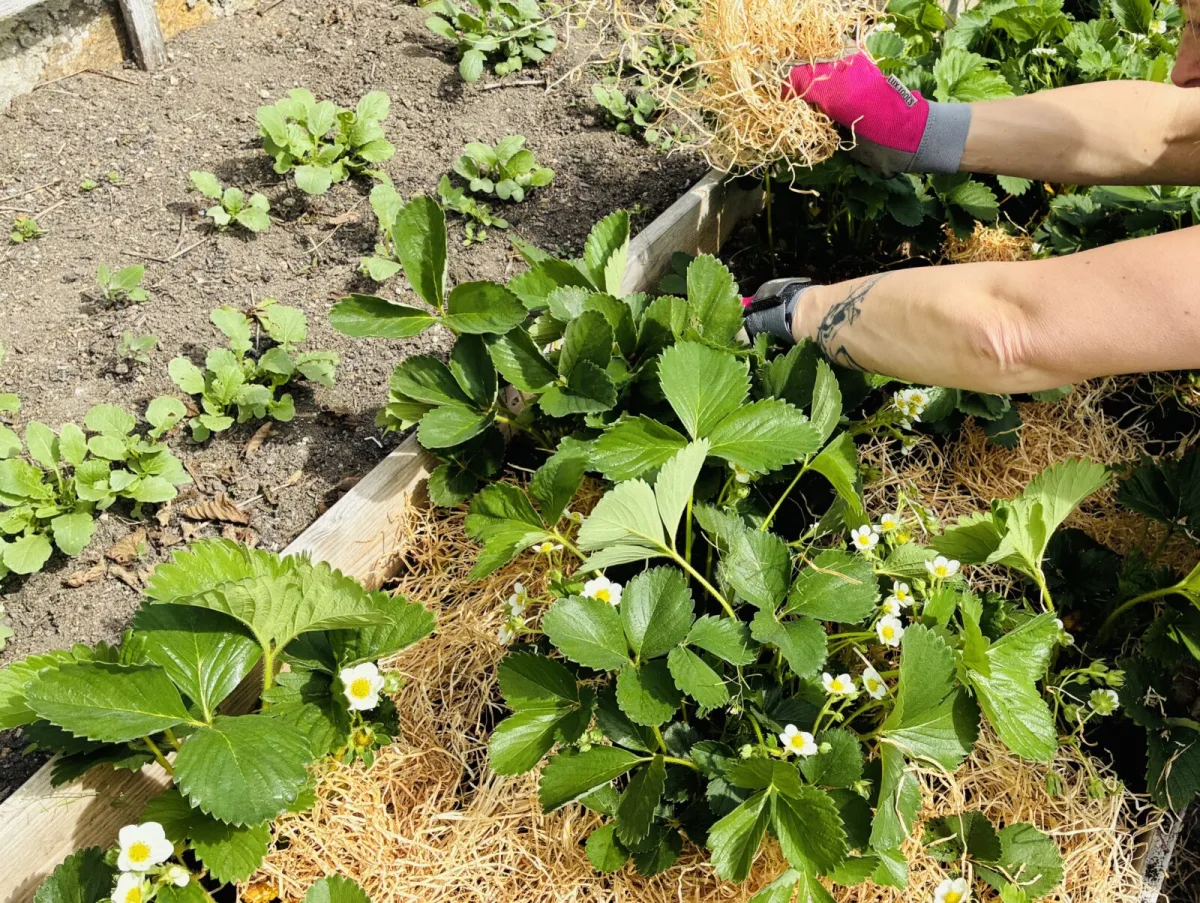
In-ground strawberry plants usually don’t need as much protection as container plants, but mulch still benefits them greatly. During the growing season it helps retain soil moisture and suppress weeds. You can spread around 5 cm of straw or another airy material around the plants.
In autumn, when growth slows or stops, it’s a good idea to add another thicker layer, about 10 cm, especially over the plant crowns. This protection reduces temperature swings, limits frost damage, and helps strawberries get off to a strong start again in spring.
A careful autumn means a sweeter summer ahead
Autumn care for strawberries isn’t complicated, but it’s extremely important. If you prune correctly, deal with pests, provide moisture, nutrients, and winter protection, you’ll create the best conditions for a generous harvest next year. A few simple post-harvest steps often decide whether you’ll pick only a handful of berries, or bowls full of fragrant strawberries.
Source: Better Homes and Gardens, The Spruce , Pestrazahrada.cz
Related articles
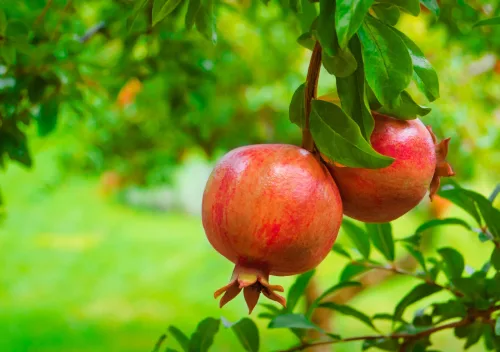
Drought tolerant fruit trees for Czech gardens that handle heat and winter frosts
Warmer summers and longer dry spells are changing what can be grown in Czech gardens. With the right variety and a sunny, sheltered spot, olives, pomegranates and figs can cope with heat, drought and even winter cold.
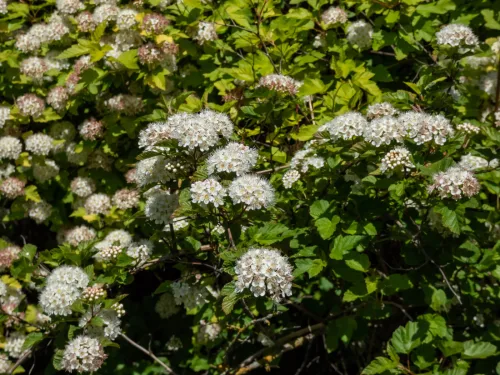
Thuja hedges are on the way out gardeners are choosing a shrub that shrugs off frost and drought and never looks dull
Thuja may be a long-standing classic, but today’s hedges are increasingly built from more varied shrubs that look better through the seasons. One standout choice is ninebark, prized for its toughness, colour and easy care.
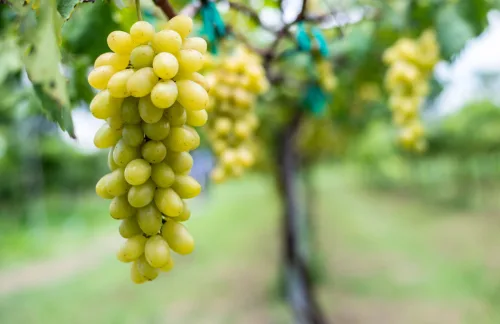
Autumn planted grapevines bud earlier the most common mistake happens before they even go in the ground
Planting grapevines in November can give them a head start in spring, as roots can still establish in warm soil. Success depends mainly on proper planting depth and reliable winter protection.
Comments (0)
Be the first to comment.