
 English
  Polski
  Deutsch
  Nederlands
  Svenska
  Norsk
Norsk  Dansk
Dansk  Français
  Italiano
  Español
  Português
  Slovenčina
  Suomi
Suomi  Gaeilge
 A Mulberry Tree in the Garden Brings Sweet Fruit and a Beautiful Tree When Planted in Autumn
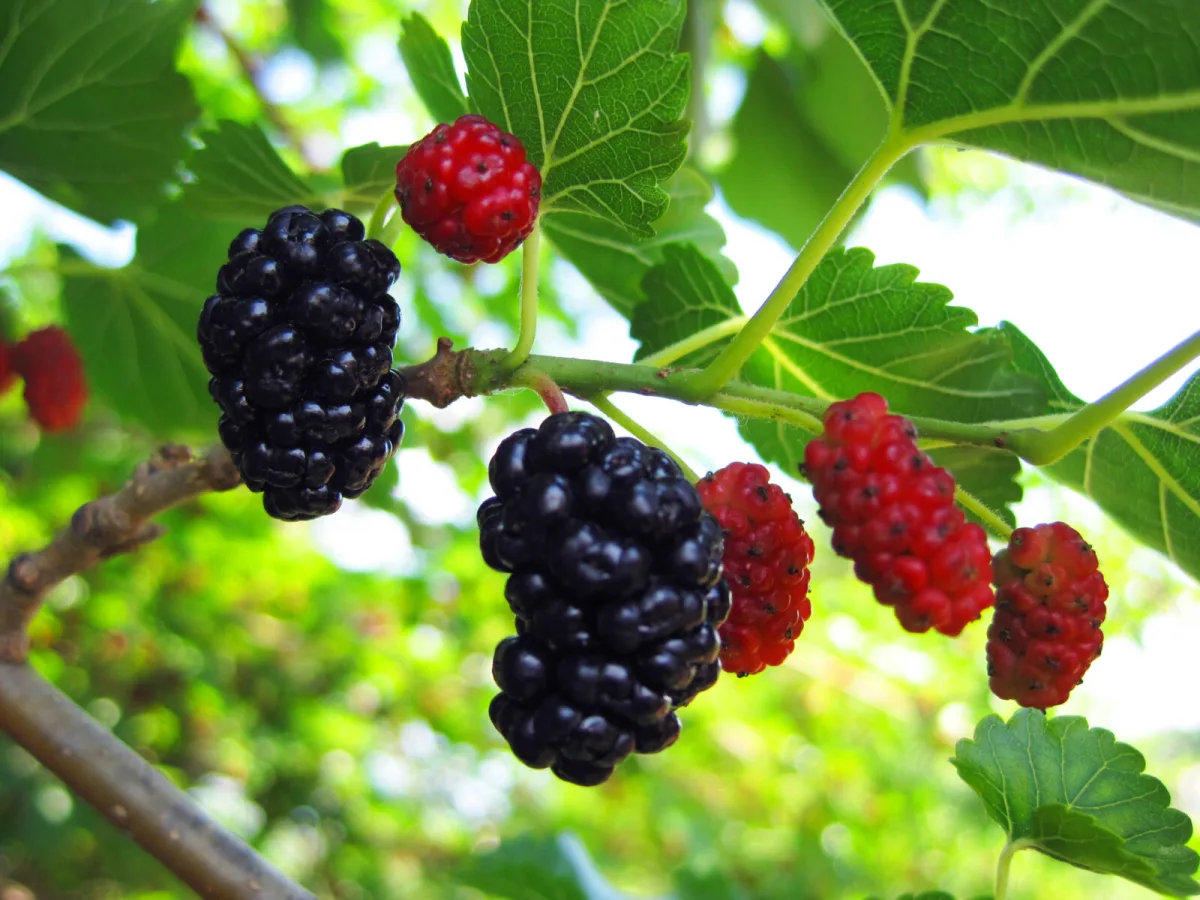
Mulberry is one of those trees that used to be far more common than it is today. It has been grown in our region for centuries and spread widely at the time people were exploring ways to produce silk locally. Its leaves are, after all, the food of the silkworm. Alongside this interesting historical role, the mulberry has an even more tempting advantage: its superb fruit.
Mulberries stand out above all for their flavour. They’re very sweet, juicy and intensely aromatic. Many people describe them as tasting like a mix of raspberries, blackberries and blueberries. They’re best eaten straight from the tree, because they don’t keep well after picking and quickly lose quality. That’s exactly why you’ll only rarely find them in shops, and why growing them at home makes perfect sense.
Which mulberries can be grown here
In our conditions, white mulberry does best most often. It’s fairly winter-hardy, copes well with our climate and is a reliable choice for most gardens. If you want a species that establishes easily and isn’t too fussy, white mulberry is usually the best place to start.
Black mulberry is prized mainly for flavour. Its fruit tends to be richer and more fragrant, but the tree is more sensitive to frost. It’s therefore better suited to warmer areas where it has a stronger chance of thriving. You may also come across red mulberry, although it’s less common here.
For greater hardiness, choose white mulberry; for a more intense fruit flavour, choose black mulberry.
Why autumn is the best time to plant
An autumn planting date suits mulberry very well. The tree is no longer focused on producing leaves and top growth, so it can put more energy into rooting. The roots have time to push into the soil and settle in properly before winter arrives. In spring, the tree then starts with a better head start and usually grows more confidently than after spring planting.
The key is to plant before the ground freezes hard for good. The young tree should be healthy, with no visible damage, ideally with a firm root ball. High-quality nursery plants establish most easily after transplanting and cope better with the first months in their new spot.
How to choose the right site and how to care for the tree
Mulberry loves sun and well-drained soil. It will do best in a warm, sheltered position and will reward you with stronger growth and a better crop. Young trees need regular watering after planting so they root in well. Once established, however, they are quite resilient and can manage even through drier spells.
Mulberry care isn’t complicated. It’s worth thinning the crown from time to time so it doesn’t become too dense and so more light and air can reach the interior. In warmer regions, mulberries can grow almost without intervention, but a light prune is recommended, as with other fruit trees. This helps the tree keep a better shape and remain productive.
The fruit is tasty and useful
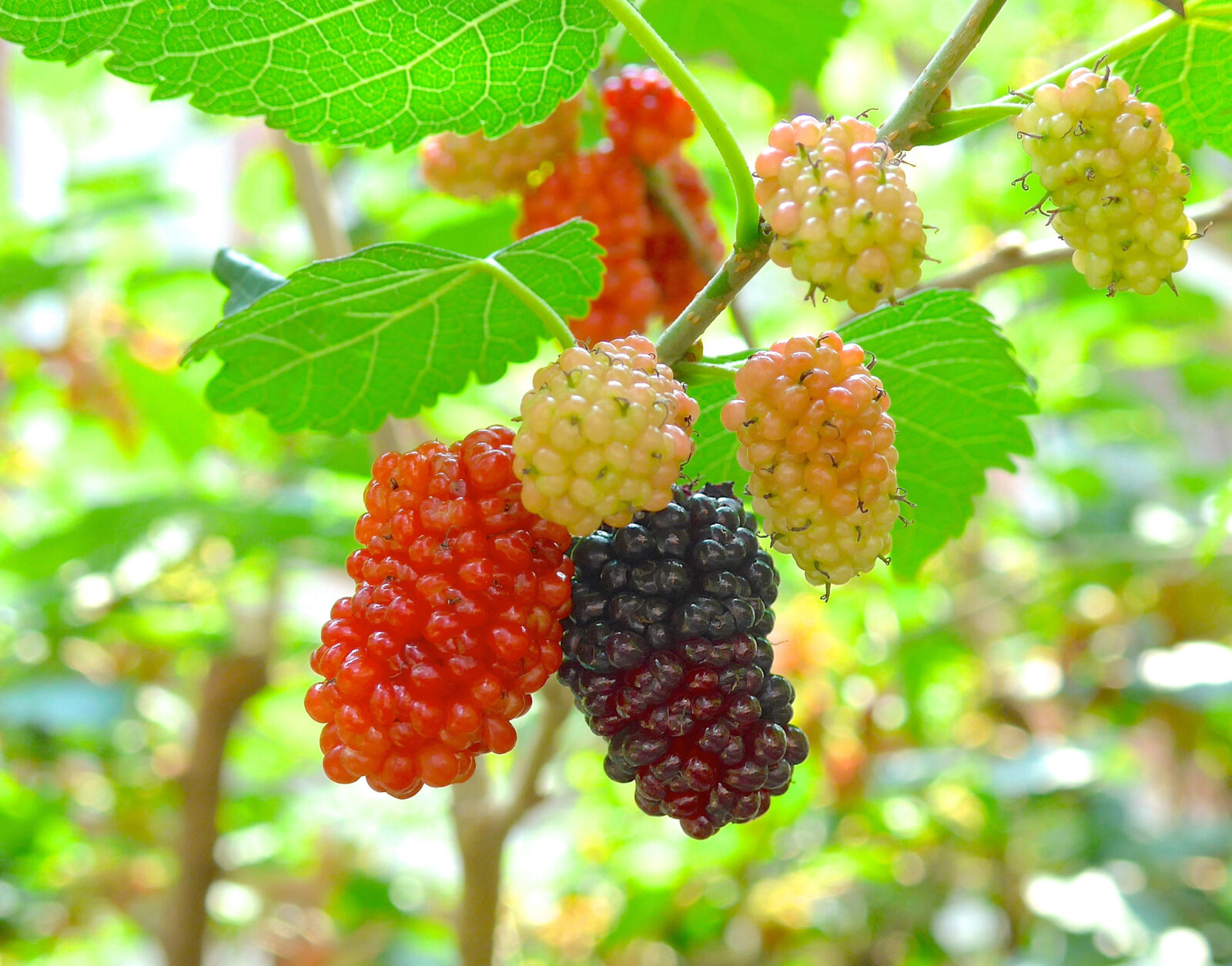
Mulberries aren’t just delicious; they also bring some interesting nutrients. They contain vitamin C, vitamin K, small amounts of iron, and natural antioxidants as well. Thanks to their high sweetness, they’re great not only for eating fresh but also for processing. You can make jams, homemade wine, or dry them for later use.
Because the fruit ripens gradually, harvesting doesn’t happen all at once. That can be an advantage for anyone who wants to enjoy fresh fruit from the tree over a longer period. The only downside is the short shelf life after picking, so it’s best to harvest little and often and eat or process them without delay.
Which cultivars are worth considering
If you’re choosing a specific cultivar, Illinois Everbearing is often recommended; it’s a popular hybrid with a long fruiting season. In warmer areas, Pakistan Mulberry can also perform well, known for its very long fruit. Among the more dependable and commonly recommended options is Wellington, too.
So mulberry isn’t some exotic curiosity that can only be grown in southern countries. With the right choice of species and a well-timed autumn planting, it can grow without major problems in a typical garden here as well. Give it a sunny spot and a little care at the beginning, and in a few years you can look forward to a tree that is not only decorative, but above all loaded with exceptionally sweet fruit.
Source: Pixies Garden, Pestík, Gardenino.com, Pestrazahrada.cz

A lover of nature, gardens, and everything that moves, blooms, or grows. He literally grows everything, from herbs to rare species, and he enjoys caring for animals just as much. In his work, he connects modern technology with tried-and-tested grandmotherly methods and is happy when both paths lead to the same goal.
Related articles
Peruvian groundcherry ripens in autumn and brings tasty, nutrient-rich fruit from the garden
Peruvian groundcherry is at its best from late summer into autumn, when the papery husk turns pale and dry and the orange berries inside are fully ripe. Learn how to harvest at the right moment, grow it like tomatoes, and store the fruit for months.
The Christmas Amaryllis That Can Bloom for Years but Most People Throw It Away After Flowering
Hippeastrum is a spectacular winter-blooming bulb that, with the right care, will flower again year after year. Learn how to plant it correctly, look after it after flowering, and bring it into dormancy so it reliably reblooms.
How to Grow Winter Garlic for a Much Bigger Harvest
Autumn planting is the key to strong, healthy winter garlic, but the details make all the difference. With the right timing, bed choice, seed-clove treatment and a simple bicarbonate trick, you can noticeably boost yield.
Comments (0)
Be the first to comment.