
 English
 Polski
 Deutsch
 Nederlands
 Svenska
 Norsk
 Dansk
 Français
 Italiano
 Español
 Português
 Slovenčina
 Suomi
 Gaeilge
Your Garden Is Getting Ready for Winter, Essential Autumn Jobs Not to Skip
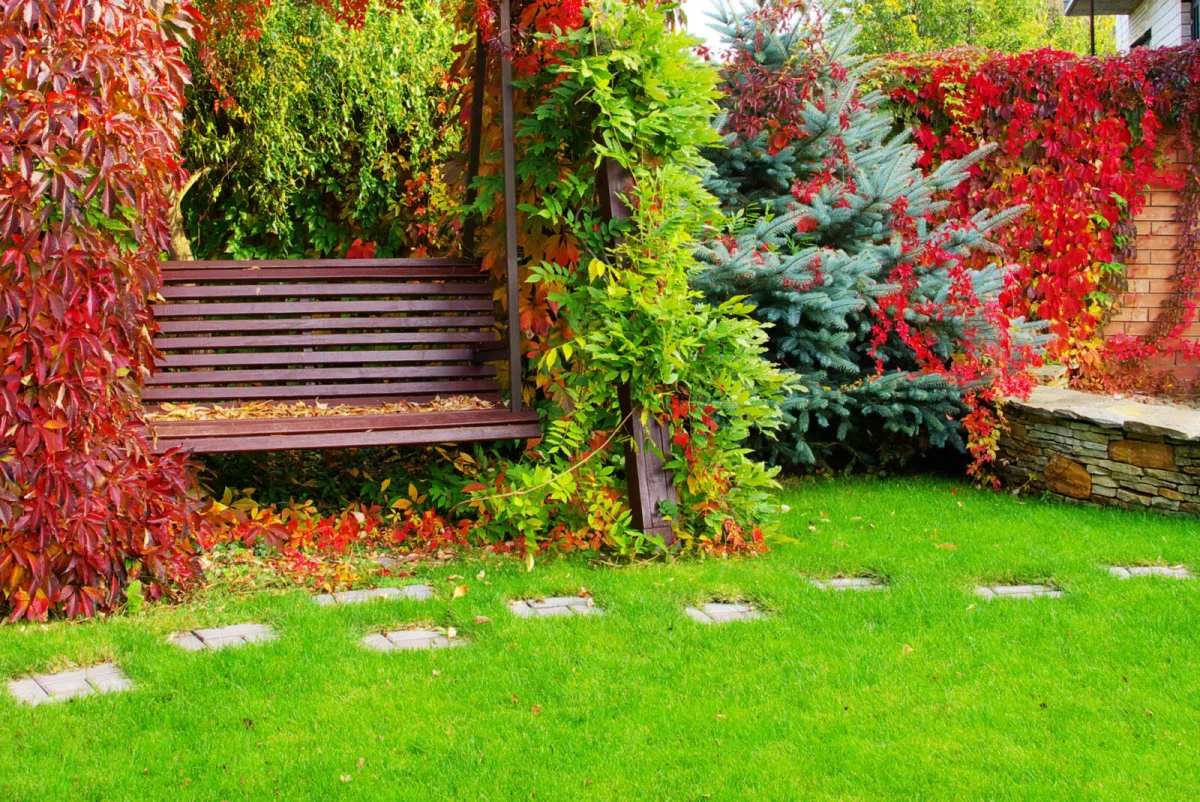
Autumn certainly doesn’t mean the end of the gardening season. On the contrary, it’s a time when you can take plenty of useful steps for a healthier lawn, tougher plants and less work in spring. Before the first frosts arrive, it’s worth making time for pruning, planting, tidying up and protecting the more sensitive parts of the garden. Right now, the soil still holds residual warmth, moisture often returns, and plants have ideal conditions for rooting in.
Well-handled autumn tasks help protect roots from freezing, limit the spread of disease and set the garden up for the new year. Alongside bed maintenance, it’s also wise not to forget tools, the shed, the pond, containers and hard landscaping.
The lawn, fallen leaves and soil need attention
After summer, the lawn is often tired, patchy in places and covered with fallen leaves. In autumn it’s a good idea to give it one last cut, slightly shorter than usual, and feed it with an appropriate autumn fertiliser. As soon as leaves start to fall, they need removing regularly, because without light and airflow the grass quickly weakens.
But collected leaves don’t have to go to waste. You can shred them with a mower and use them as mulch on beds, where they help retain moisture and protect roots over winter. Leaves can also be turned into leaf mould, which, once decomposed, becomes a valuable soil improver. If the lawn is damaged, autumn is also a great time to overseed bare patches, because the ground is still warm enough and seed germinates well.
Bare soil shouldn’t be left exposed through winter. A layer of mulch made from compost, woodchip, leaf mould or well-rotted manure improves soil structure, suppresses weeds and helps retain moisture. At the same time, it protects soil life, which is essential for long-term fertility.
Planting and dividing plants pays off in autumn
Autumn is an excellent season for planting many hardy perennials, shrubs and trees. Warm soil and more frequent rainfall encourage new root growth, so plants have time to settle in properly before winter. This applies to hedging and new ornamental trees and shrubs too. When transplanting trees or shrubs, it’s important to prepare a sufficiently wide planting hole and water thoroughly after moving the plant.
Right now is also the time to divide overgrown perennials. Large clumps can be lifted, split into several pieces and replanted elsewhere. This rejuvenates the plants and also gives you new planting material at no extra cost. Autumn is also suitable for collecting fully ripened seed. Dried and stored correctly, seed will be ready for spring sowing.
Bulbs as the foundation of spring colour
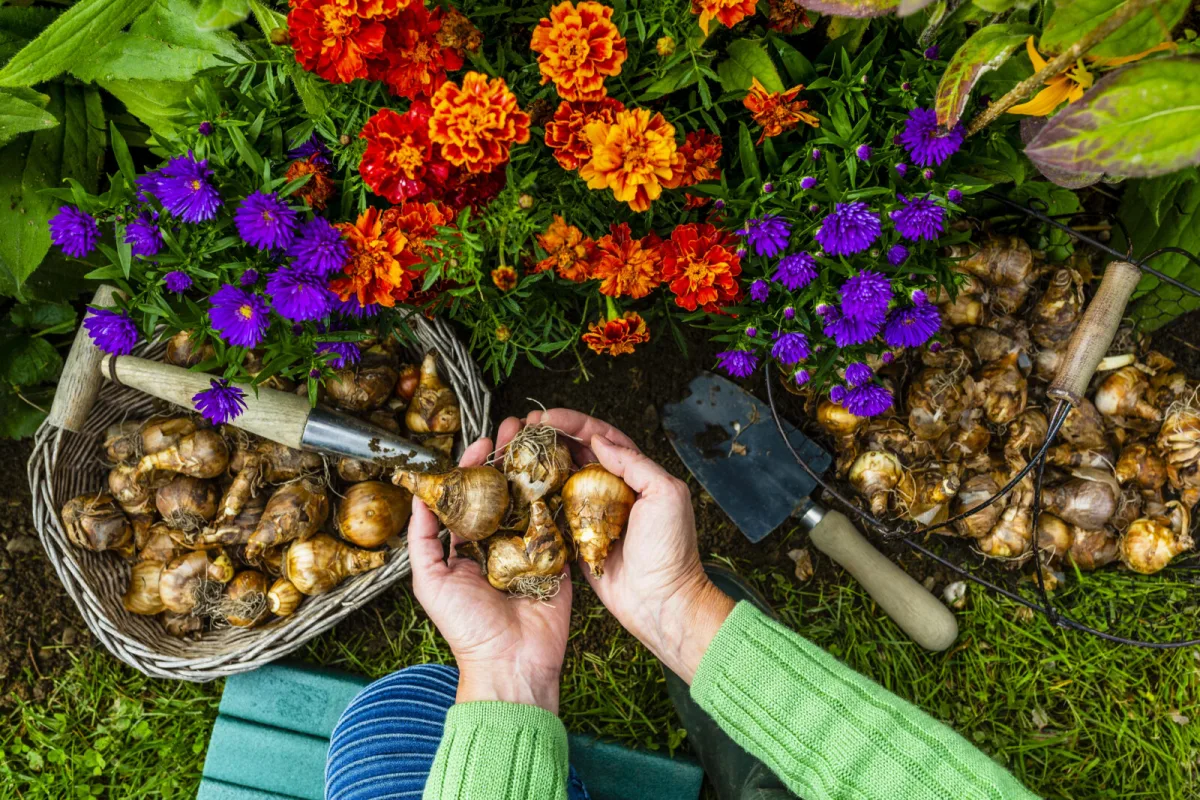
If you want a garden full of flowers in spring, autumn is when you need to act. Daffodils, crocuses and hyacinths are best planted early, while the soil is still warm. Tulips cope well with a later planting date. Bulbs should go into free-draining soil, usually at a depth of two to three times their height.
Planting in groups looks far more natural than rigid rows. In containers, you can use bulb layering so different types flower in succession and the display lasts longer. So autumn is the time when you’re actually planning what your spring garden will look like.
Pruning shrubs and caring for roses
Many deciduous and evergreen shrubs benefit from a tidy-up in autumn. Removing congested, crossing or damaged branches improves airflow and prepares the plant for the next season. Hedges are often given their last trim now, so they keep their shape through winter.
However, it’s important to proceed with care. Cutting back too hard into fresh growth can encourage new shoots that won’t have time to ripen and will be damaged by frost. With roses, it’s not just a light prune that matters, but also tidying the area around them. Fallen leaves can carry diseases such as black spot, so it’s better to remove them. The roots also benefit from a protective layer of mulch, and in colder areas wrapping with a breathable material can help.
Tools, containers and garden structures before winter
Autumn maintenance isn’t only about plants. It’s worth cleaning garden tools of soil, drying them and lightly oiling metal parts to prevent rust. Secateurs and other cutting tools should be sharpened so they’re ready for spring. Hoses, irrigation equipment and anything sensitive to damp are best stored somewhere dry.
It’s also a good idea to check the garden shed. The roof, walls and paintwork need to withstand rain and cold. If there’s moss, algae or small leaks, it’s best to deal with them before winter. Pots deserve protection too. Terracotta and other non-frostproof containers are safer stored under cover. Plants left outdoors can be protected with horticultural fleece, hessian or a temporary cover.
Ponds, water and hard surfaces
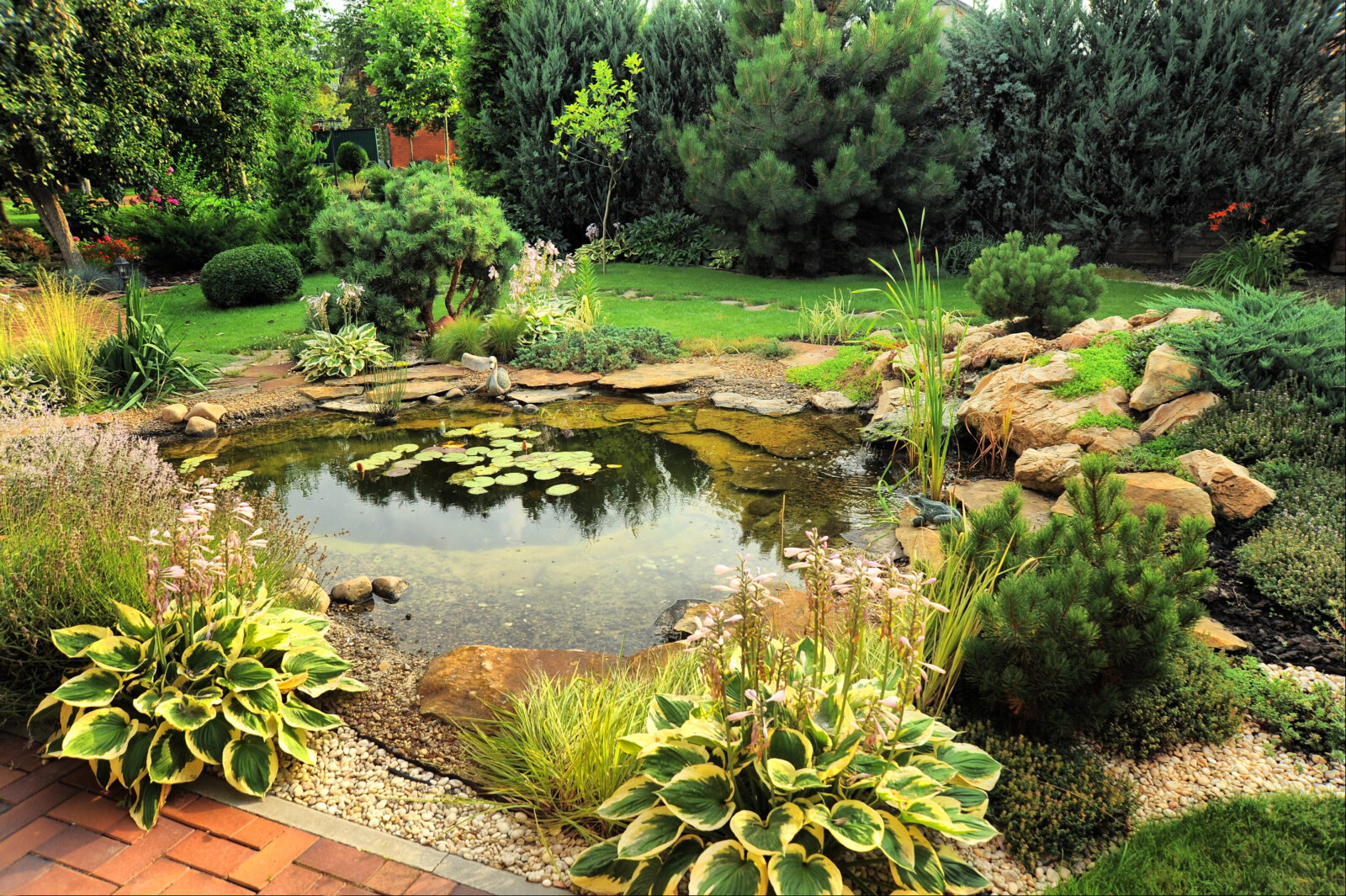
If you have a pond or water feature, it shouldn’t be left without attention either. Before winter, remove dying plant material, excess algae and debris. For fountains and equipment that could crack in frost, it’s sensible to drain the water and store the mechanism away. A net over the pond helps catch falling leaves and makes spring cleaning much easier.
Paving and patios also deserve attention. If the surface is prone to absorbing water, a protective sealant or impregnation can reduce the risk of frost damage. This is especially important where there are already small cracks that water could get into and widen further when it freezes.
Autumn as an opportunity for a new look in the garden
Cooler months are ideal for bigger garden changes too. You can transplant, create new beds or rethink the layout so it stays interesting in winter. It’s a great time to plant trees and shrubs with ornamental bark, fragrant shrubs, or species that flower outside the main season. Autumn is also an excellent moment to plan a sensory garden that appeals not only through colour, but also scent, texture and winter interest.
If you also want to support insects and other beneficial wildlife, you can plant autumn-flowering species that provide food for pollinators late in the season. Michaelmas daisies, rudbeckias, anemones and cyclamen can brighten the garden while helping nature around it.
Autumn jobs are often straightforward, inexpensive and have a big impact. If you give your garden a little time now, it will reward you with healthier growth, fewer winter losses and a more beautiful start to the new season.
Source: Homes and Gardens, National Trust , Pestrazahrada.cz
Related articles
Drought tolerant fruit trees for Czech gardens that handle heat and winter frosts
Warmer summers and longer dry spells are changing what can be grown in Czech gardens. With the right variety and a sunny, sheltered spot, olives, pomegranates and figs can cope with heat, drought and even winter cold.
Thuja hedges are on the way out gardeners are choosing a shrub that shrugs off frost and drought and never looks dull
Thuja may be a long-standing classic, but today’s hedges are increasingly built from more varied shrubs that look better through the seasons. One standout choice is ninebark, prized for its toughness, colour and easy care.
Autumn planted grapevines bud earlier the most common mistake happens before they even go in the ground
Planting grapevines in November can give them a head start in spring, as roots can still establish in warm soil. Success depends mainly on proper planting depth and reliable winter protection.
Comments (0)
Be the first to comment.