
 English
 Polski
 Deutsch
 Nederlands
 Svenska
 Norsk
 Dansk
 Français
 Italiano
 Español
 Português
 Slovenčina
 Suomi
 Gaeilge
Why Experienced Growers Plant Onions in Autumn and Add Wood Ash to the Bed
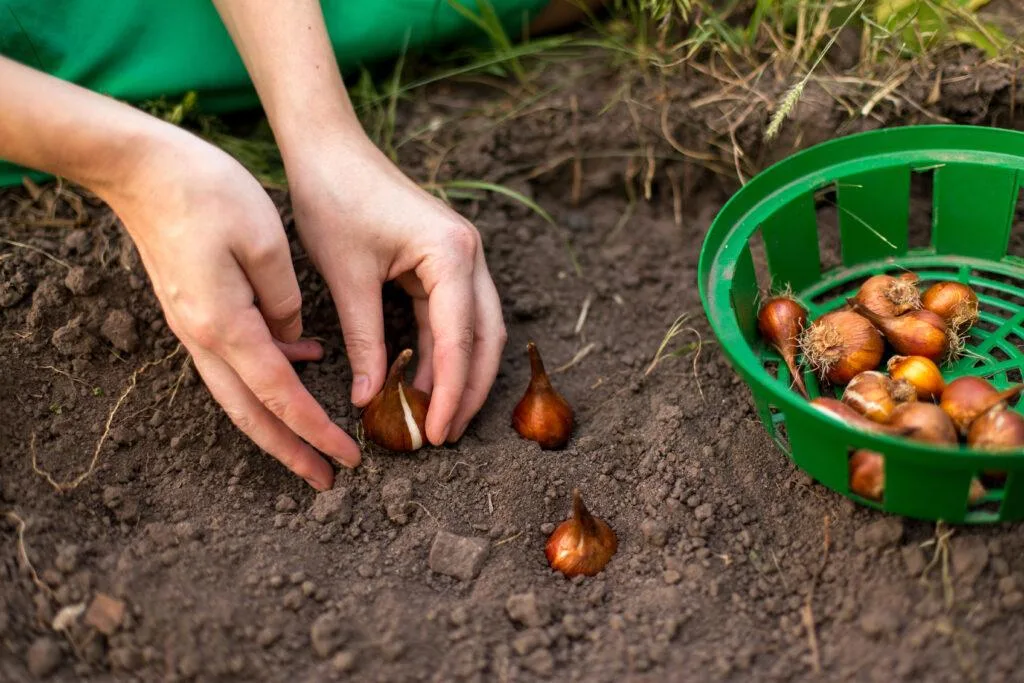
Autumn onion planting is one of those time-tested practices that can make a noticeable difference to both the quality and the size of next year’s harvest. When onions go into the ground early enough, they have time to form a strong root system before winter arrives. That’s what helps them cope better with the cold months and get growing faster in spring. The result is typically sturdier plants and a significantly better crop.
When is the best time to plant onions
The ideal window is September and October. The soil is still relatively warm, so sets can root well, but the summer heat that can stress young plants is already gone. Getting the timing right matters mainly so the onions can strengthen up before winter without putting on too much leafy growth above ground.
Soil type matters more than you might think
Onions do best in a deeper, free-draining soil with plenty of organic matter. This kind of environment supports healthy root development and doesn’t hold excess water. Heavy soils that stay waterlogged for long periods are risky, because they can cause root rot and even rot the set itself. In winter, the problem tends to worsen and can lead to major losses.
The right pH and a simple helping hand from nature
Soil acidity also plays an important role. The ideal range is slightly acidic to neutral, roughly pH 6 to 7. If the soil is too acidic, it’s worth correcting it with wood ash. Ash can reduce acidity, but its benefits don’t stop there. It also improves soil structure and supports healthier soil overall.
Ash can act as a natural fertiliser when planting onions in autumn, help limit diseases, and improve the soil.
Why add ash to the soil
Wood ash contains a range of minerals that onions can use for steady, healthy growth. Another advantage is that it contains no chlorine, making it suitable even for more sensitive varieties. Beyond nutrition, it helps speed up the breakdown of organic matter in the soil, which increases fertility. Many gardeners also value its mild, natural disinfecting effect and its ability to discourage certain pests and diseases.
How to plant onions properly
Before planting, it helps to prepare the bed in rows. A spacing of about 25 to 30 cm between rows is recommended. The sets themselves should be spaced roughly 8 to 10 cm apart. Plant only healthy, unsprouted sets, as these have the best chance of overwintering well.
The right planting depth is usually around 3 to 4 cm. If sets are planted too deep, development can slow and bulb formation may suffer. That’s why it’s better to stick to a moderate depth rather than burying them unnecessarily.
Care after planting determines the result
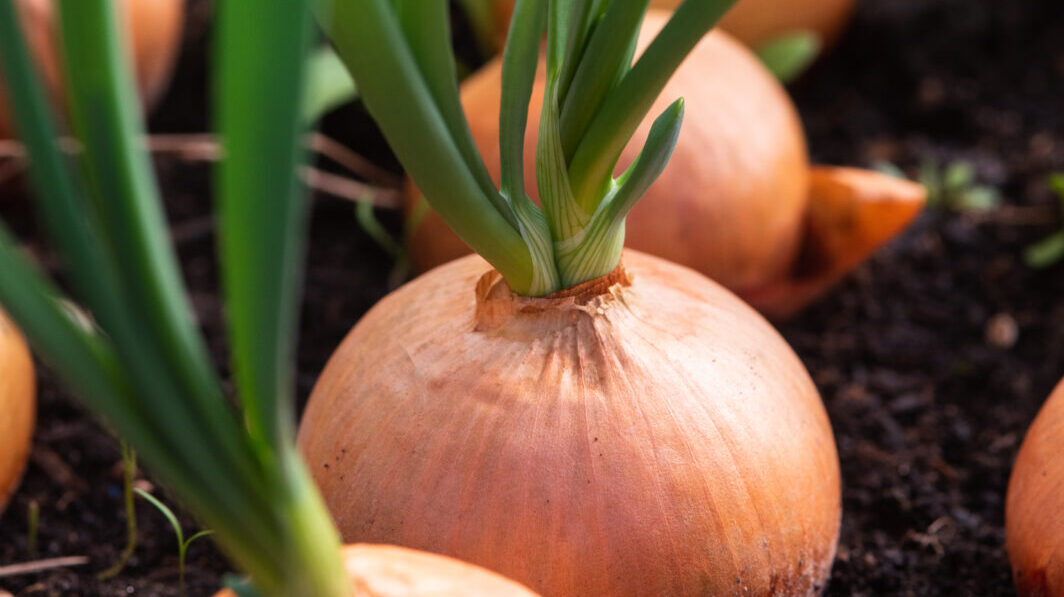
After planting, keep an eye on the soil and give the onions sensible care. Watering should be moderate, especially if autumn is on the dry side. Onions need enough moisture to root, but they do not tolerate waterlogging. As well as water, it’s important to remove weeds regularly, as they compete for nutrients and weaken the plants as they get established.
Protecting the bed over winter
Before frosts arrive, a thin layer of mulch can help. It keeps soil temperatures more even and protects young sets from sudden swings in weather. There’s no need for a thick cover; a light protective layer is enough to support safe overwintering.
Stronger onions start in autumn
If you pay attention to the right planting date, suitable soil, and add a natural helper in the form of wood ash, you can harvest noticeably better onions next season. Autumn preparation often decides whether the bulbs will be small and weak or firm, healthy, and well grown. A garden always leaves room to try new approaches, and a small change in soil preparation can make a surprisingly big difference to the harvest.
Source: Gardenino, To je nápad, Gardening Know How, Pestrazahrada.cz

A lover of nature, gardens, and everything that moves, blooms, or grows. He literally grows everything, from herbs to rare species, and he enjoys caring for animals just as much. In his work, he connects modern technology with tried-and-tested grandmotherly methods and is happy when both paths lead to the same goal.
Related articles
Don’t Plant Garlic in Freshly Dug Soil
For big, firm, strongly flavoured bulbs, garlic needs settled soil, the right planting window, and careful handling of the cloves. A few simple steps from bed prep to drying make the difference between a weak crop and a long-storing harvest.
In autumn, ginkgo lights up the garden like a spotlight, and five other trees can do the same even in a small plot
Ginkgo is famous for its pure golden autumn colour, but several other trees and shrubs can deliver equally striking fall colour, even in limited space. Choose by mature size and site conditions, and plant in autumn or spring for the best establishment.
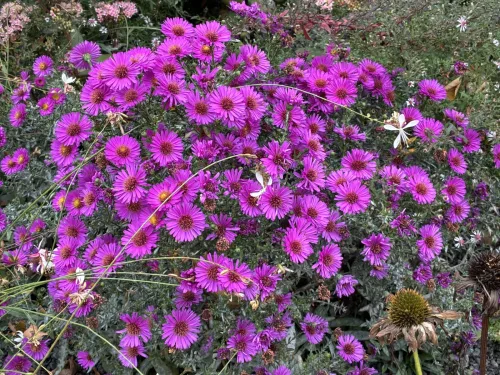
When Other Flowers Fade Asters Are Just Getting Started
Asters step in just as summer colour starts to wane, flooding borders with late-season blooms. They’re also a valuable nectar source for pollinators and later a seed larder for birds.
Comments (0)
Be the first to comment.