
 English
  Polski
  Deutsch
  Nederlands
  Svenska
  Norsk
Norsk  Dansk
Dansk  Français
  Italiano
  Español
  Português
  Slovenčina
  Suomi
Suomi  Gaeilge
 Seven perennials to plant right now so they take off faster in spring than your neighbour’s
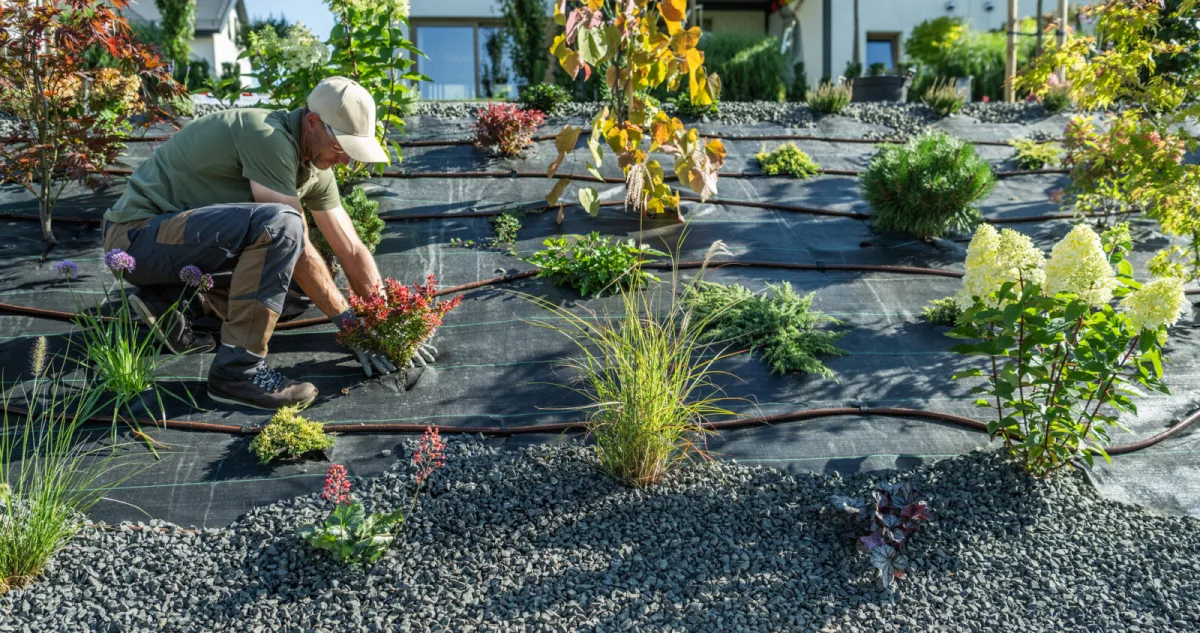
Autumn is often an excellent time to plant perennials, and for many species it is even better than spring. Perennials are plants that can stay in one place for several years, and autumn planting gives them the chance to focus mainly on root growth. They don’t have to put as much energy into rapid leaf and flower growth, so they settle into the soil more securely before winter.
Transplanting is always a certain strain on plants. When you plant in spring, summer with drought and high temperatures follows soon after, which adds another layer of stress for newly planted plants. In autumn, conditions are usually kinder. The soil is still warm from summer, the air is cooler, and there’s often more moisture. As a result, roots expand more easily and the plant goes into the next season stronger.
Main benefits of autumn planting
A major advantage is the reduced need for watering. Autumn weather usually brings more regular rainfall and less evaporation from the soil. That means you won’t need to water as often as you would with a spring planting followed by a hot summer.
Another benefit is reduced competition in the border. Many annuals and weeds are finishing their life cycle in autumn, so newly planted perennials have more space, moisture, and nutrients. Over winter the plant becomes dormant, then in spring it takes off with a well-established root system. In summer, it’s typically tougher and less dependent on supplemental watering.
When it’s better to wait until spring
Autumn timing doesn’t suit every plant. As a rule, if winter is the more challenging season for a particular species, spring planting is usually the safer choice. This often applies to evergreen plants that don’t die back and remain somewhat active through winter.
Herbaceous perennials that go dormant over winter generally handle autumn planting very well. Local climate matters too. The plant needs enough time to root in before harder frosts arrive. It’s best to plant at least several weeks before the usual first autumn frost, ideally about a month ahead.
Sowing perennial seed directly into the bed
Autumn isn’t only suitable for moving plants and planting container-grown perennials. With some perennials, you can sow seeds straight into the soil. Certain species need a cold period to germinate in spring, so the seeds remain dormant over winter and begin growing as temperatures rise.
It’s practical to mark the sowing spot with a stake or plant label. In spring, young seedlings won’t be mistaken for weeds. Here too, it’s worth checking the needs of the specific species in advance, as the best timing and sowing depth can vary.
Dividing perennials as an easy way to propagate
Autumn is also an excellent time to divide overgrown clumps. It’s a straightforward process where one larger plant is split into several smaller pieces. This encourages fresh growth, often improves flowering, and it’s a budget-friendly way to get more plants for other parts of the garden.
Dividing is especially suitable for perennials that are taking up too much space, flowering less, or starting to thin out and brown in the centre of the clump. If the soil is dry, water the plant the day before. Then carefully lift the entire clump and split it with a spade, knife, or shears into several sections. Each division should have plenty of roots and some top growth.
Plant the new divisions separately at the same depth they were growing before. Watering thoroughly after planting is essential. A layer of mulch also helps by holding moisture and reducing temperature swings in the soil. Once the plants strengthen and root more deeply, you can gradually reduce watering.
Extra divisions don’t need to go to waste. Offer them to family, neighbours, or friends and share both the plants and the joy of growing.
What to do in the garden during autumn
Autumn tasks vary depending on what you grow and what you want from your garden. Some people focus on ornamental perennials, others on vegetables, and others primarily want to support birds and pollinators. That’s what determines, for example, whether to remove spent stems or leave them as shelter and a seed source.
It’s usually time to harvest the last vegetables, herbs, and fruit before the first frosts. You can also plant cool-season crops such as lettuces or radishes. Autumn is ideal for planting garlic and spring-flowering bulbs as well. Trees and shrubs benefit from removing dead or diseased branches, and with deciduous woody plants it can be a good moment for transplanting.
In the edible garden, adding green manures or cover crops is welcome, as they protect the soil over winter and improve its condition. It’s also important to keep composting organic material and to water as needed if autumn is dry. More tender plants are best protected from frost with horticultural fleece, hessian, or a layer of straw.
Fallen leaves don’t always need to be meticulously cleared away. If they don’t get in the way on paths or smother other plants, they can stay on beds as natural soil protection and shelter for small wildlife. Where a tidier look is preferred, you can remove spent annuals and vegetable debris and compost them.
Seven perennials worth planting in autumn
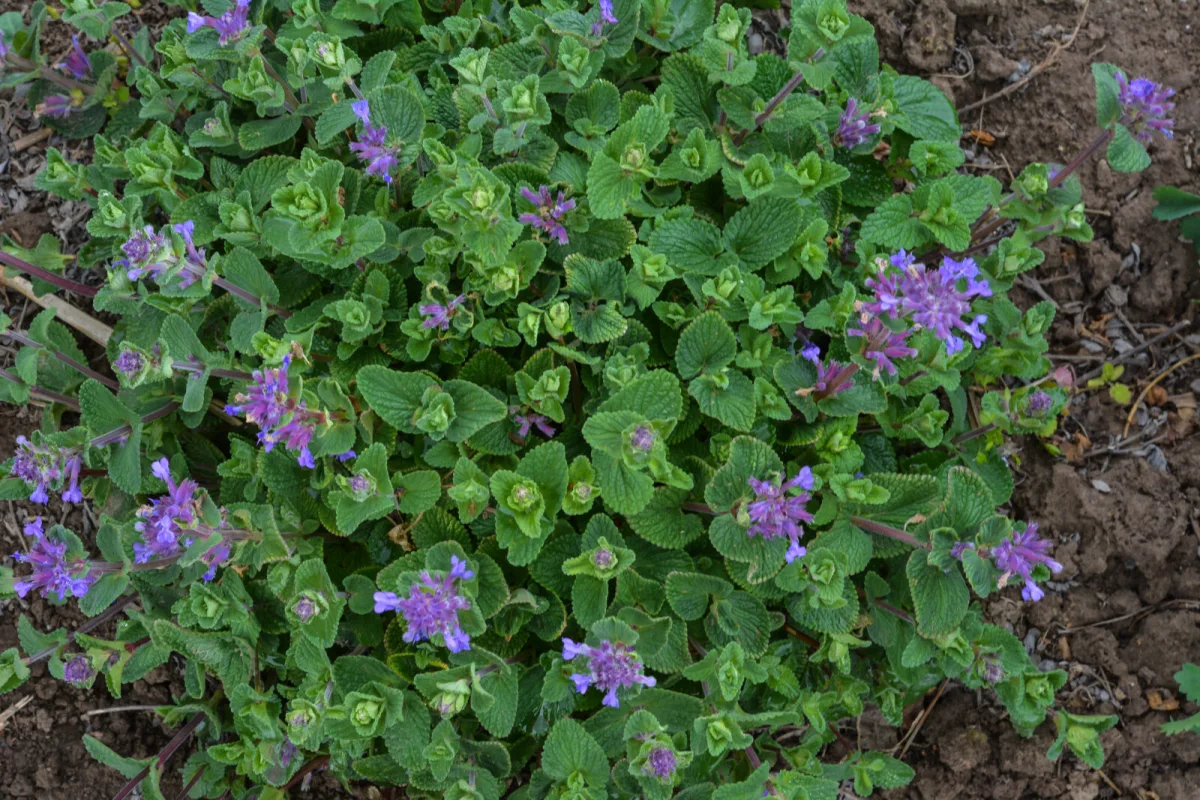
Catmint
Catmint is popular for its long flowering season, low maintenance needs, and fine texture. Its grey-green foliage and small purple flowers work well in larger plantings as well as low edging. It performs best in full sun and well-drained soil. Once established, it doesn’t need much fuss, and after flowering you can cut it back to encourage fresh growth and repeat bloom.
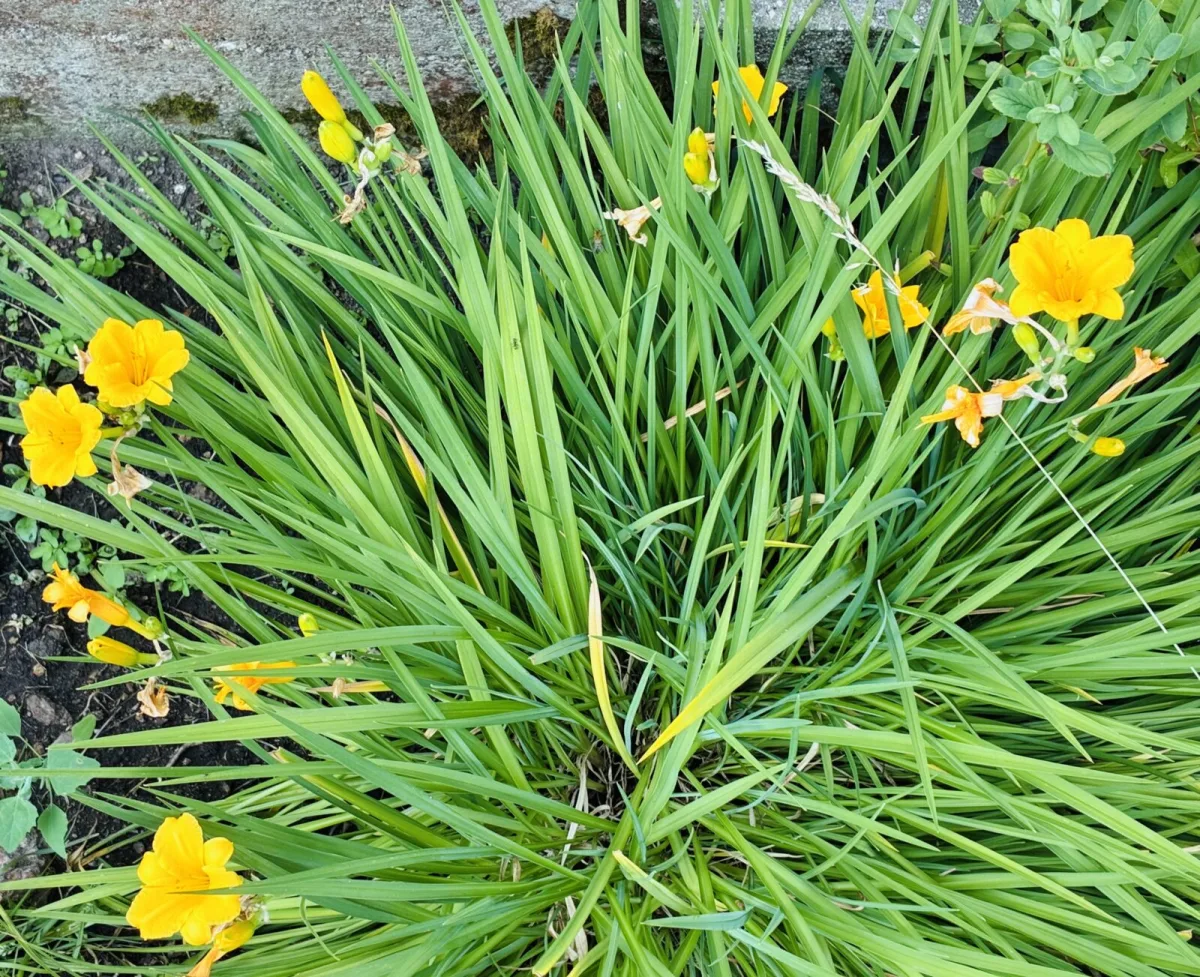
Daylily
Daylilies are tough, reliable classics and come in a wide palette of colours. Autumn is suitable not only for new planting but also for dividing older clumps. Plants have time to settle in before winter, and in spring they often flower very generously.
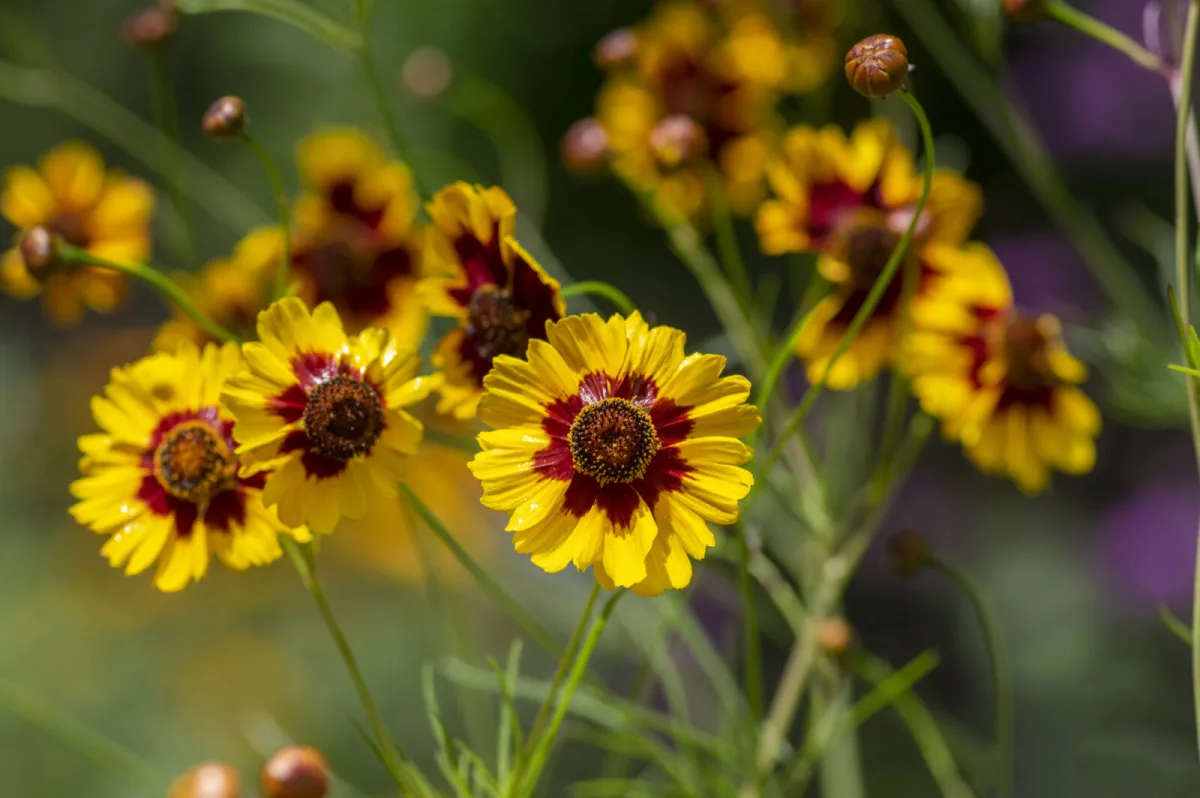
Tickseed
Tickseed brings bright yellow tones to the late spring and early summer garden. It likes full sun and soil that drains well. It tolerates less-than-ideal conditions as long as it isn’t waterlogged for long periods. Once established, it isn’t demanding about watering, and it’s best to remove spent flowers regularly.
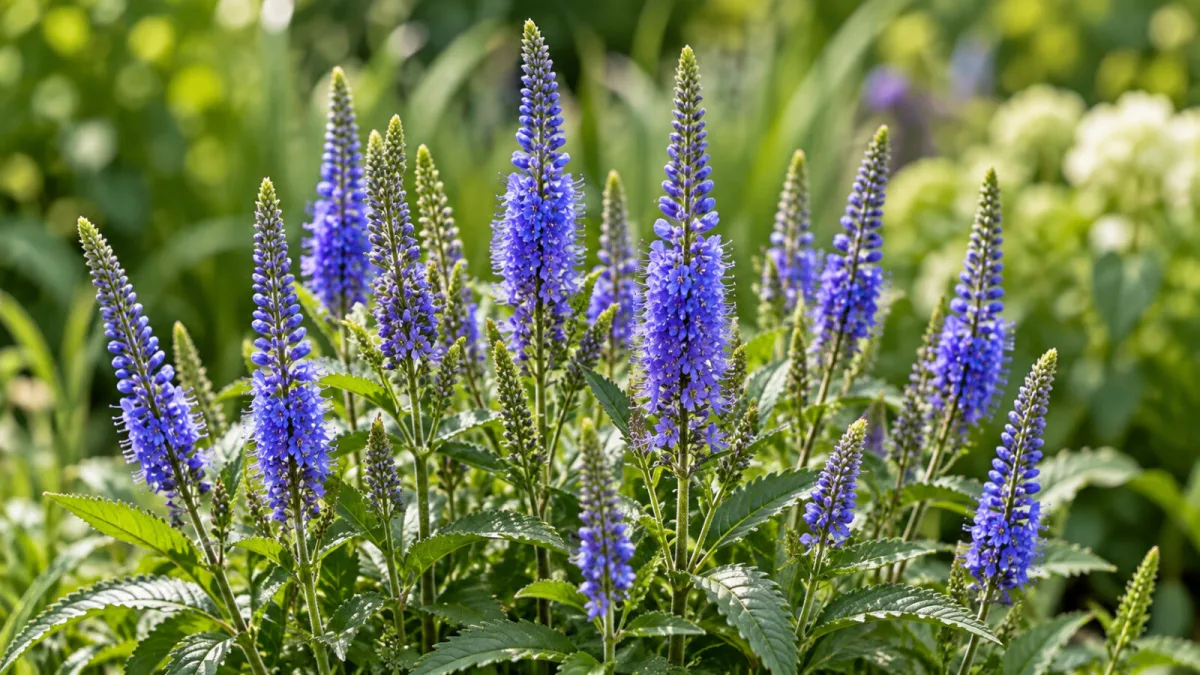
Speedwell
Speedwell stands out with upright flower spikes that create strong contrast in the border against plants with rounder or softer foliage forms. It pairs well with many other perennials. It prefers sun to light partial shade and free-draining soil. Regularly removing spent spikes encourages more flowering.
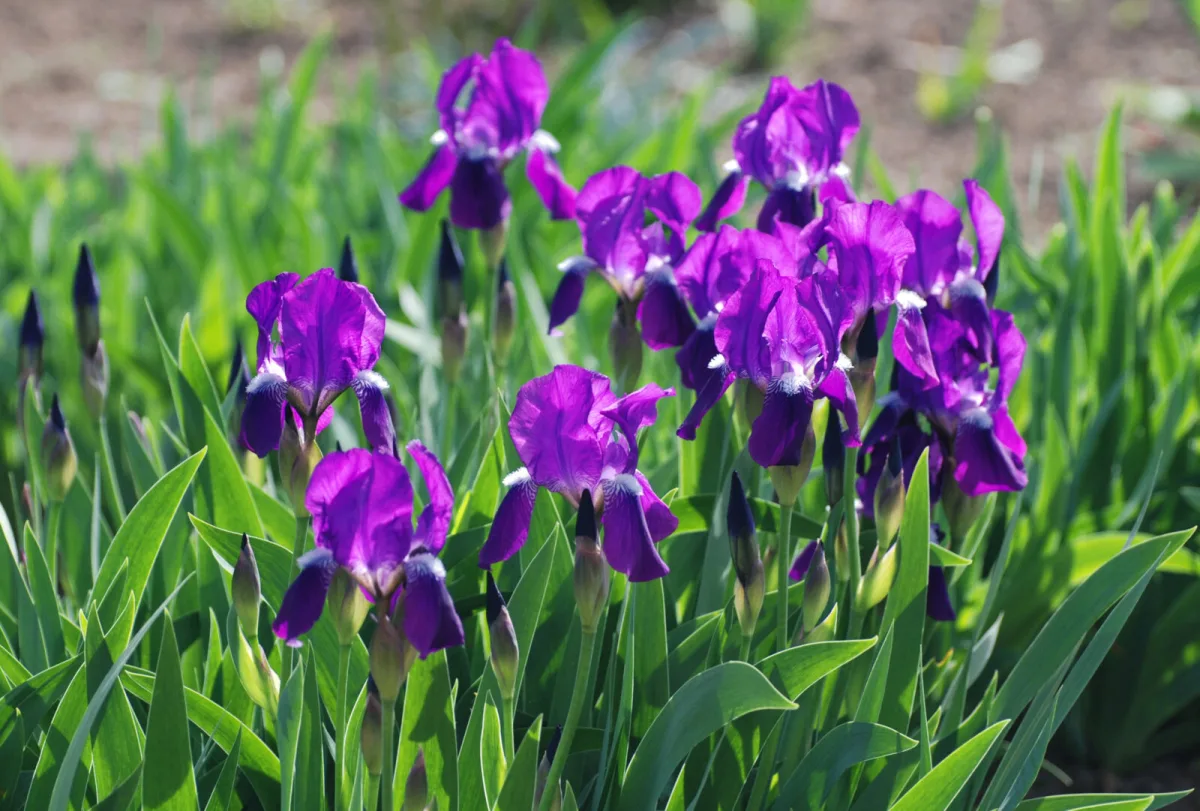
Iris
Irises are well suited to planting and dividing in autumn. They need a sunny to partially shaded position and soil that won’t stay wet. With some types, it’s important not to set the rhizome too deep, as part of it should remain above the soil surface or only lightly covered.
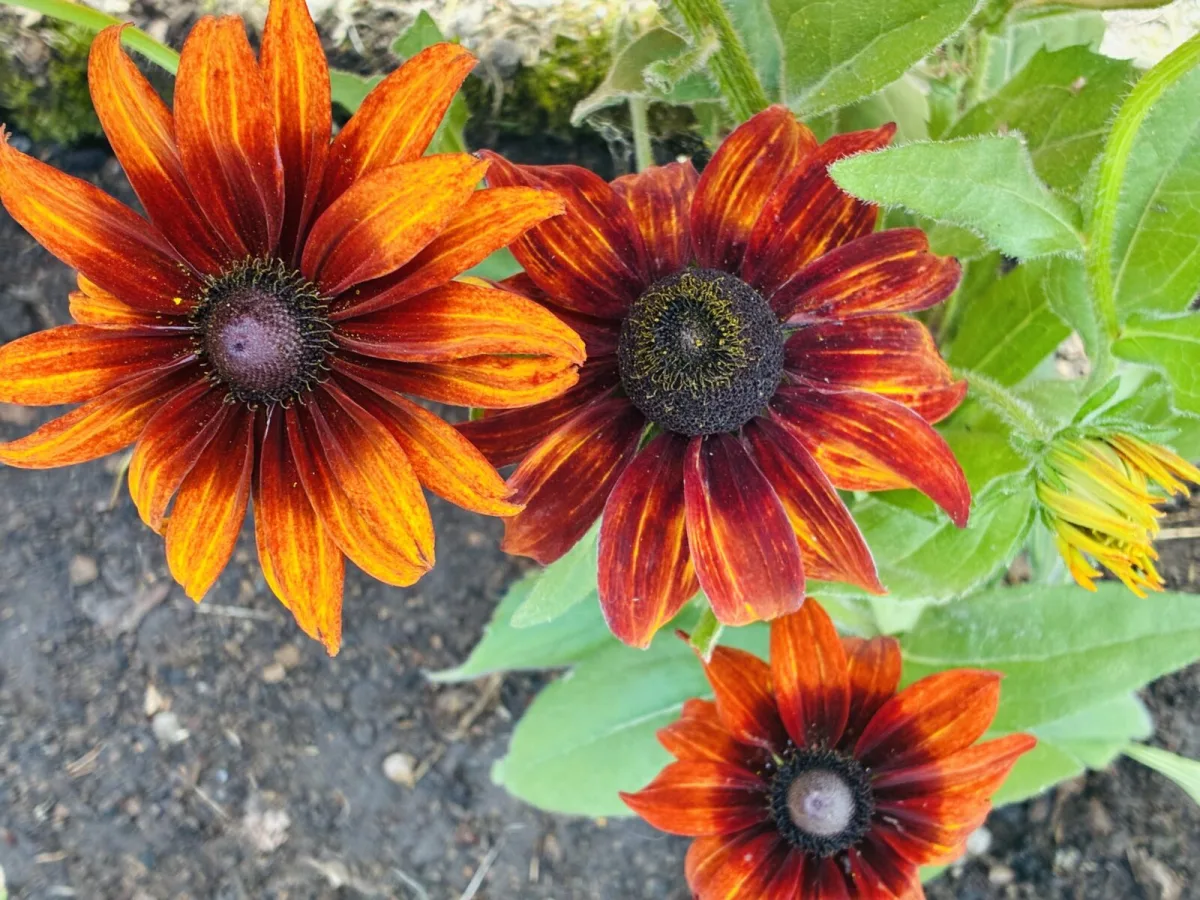
Coneflower
Coneflower is a tough, standout perennial that brings colour and structure to the border. It likes a sunny spot and well-drained soil, which can be improved with organic matter. It’s also valued for attracting bees and butterflies. Spent blooms can be removed, or left through winter as food for birds.
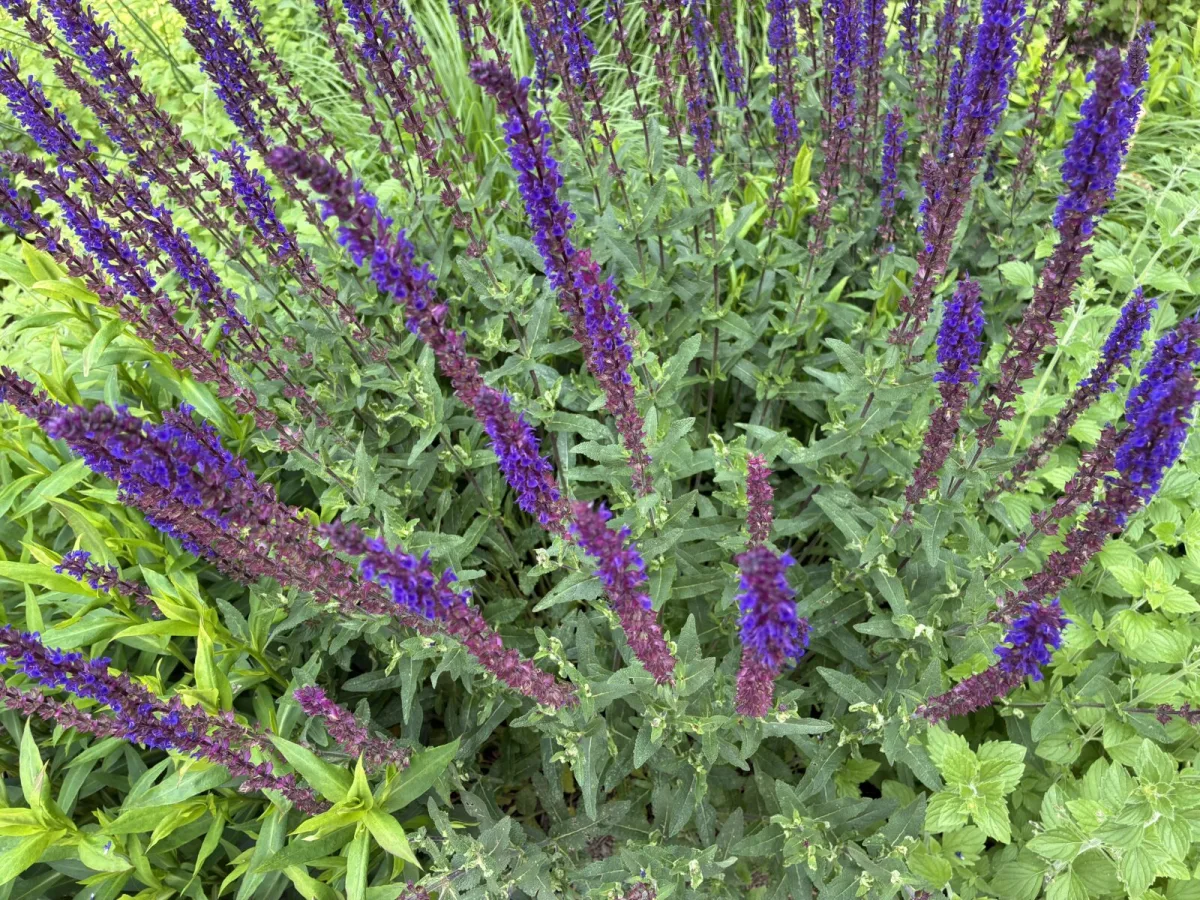
Salvia
Salvia is a dependable perennial with early flowering and vertical flower spikes that stand out among the rounder blooms of other plants. It grows best in full sun in free-draining soil. After flowering, it’s worth cutting back, which can encourage another flush later in the season.
The most important autumn rule
Whether you grow ornamentals, herbs, or vegetables, the most important autumn task is paying attention. If you truly watch your garden, it’s easy to see what it needs right now. In one place it’s time to plant, elsewhere to harvest, protect plants for winter, or simply enjoy the quiet shift of the season.
Autumn isn’t only about tidying up. It’s also one of the best opportunities to lay the foundations for a beautiful, healthy garden next spring.
Source: The Spruce, Brooklyn Botanic Garden, Pestrazahrada.cz
Related articles
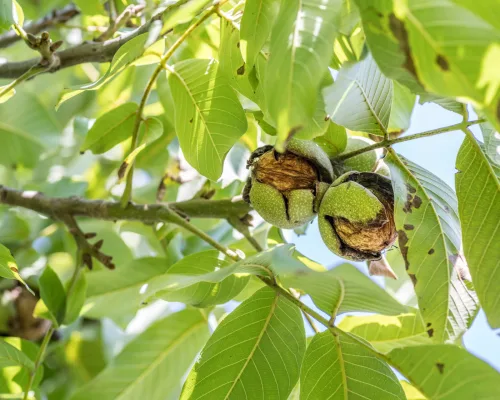
Never prune a walnut tree in spring
English walnut is a magnificent, long-lived tree, but timing matters—spring pruning can cause heavy sap bleeding and slow healing. Learn the right site, spacing, feeding, harvesting, and pruning window for a healthy crop.
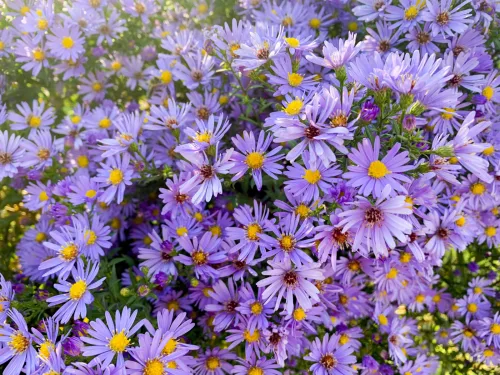
Autumn asters turn the garden into a haven for pollinators
Autumn asters light up borders in September and October with clouds of colour while offering vital nectar and pollen when many other plants have finished. Chosen well, they’ll keep feeding pollinators right up to the first proper frosts.
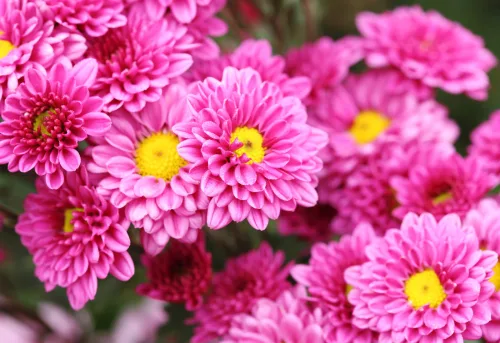
Autumn perennials bloom when everything else is winding down and keep the garden glowing until frost
When summer crops and bedding flowers are fading, the garden doesn’t have to look tired. Choose the right autumn-blooming perennials and you can enjoy rich colour right up to the first frosts.
Comments (0)
Be the first to comment.