
 English
 Polski
 Deutsch
 Nederlands
 Svenska
 Norsk
 Dansk
 Français
 Italiano
 Español
 Português
 Slovenčina
 Suomi
 Gaeilge
Planting Garlic Has One Secret That Delivers Bulbs Your Neighbours Only Dream Of
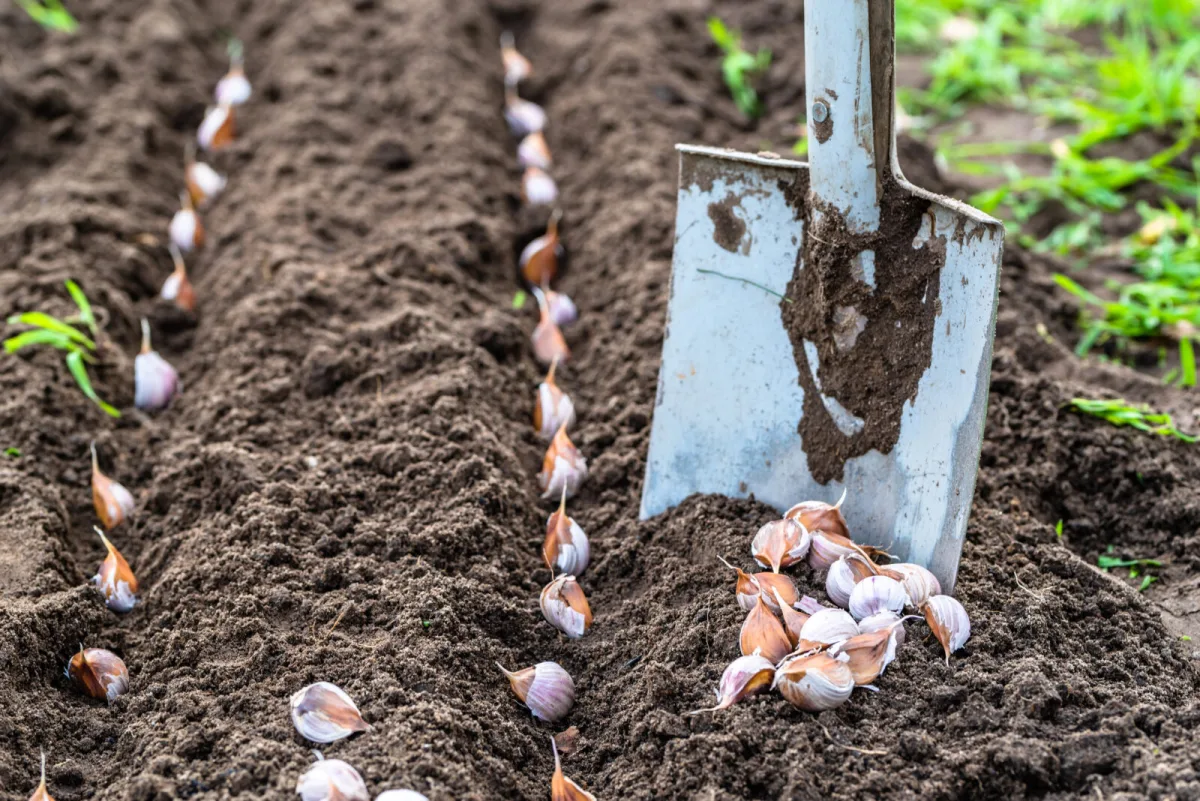
Autumn in the garden doesn’t just mean the end of the season and tidying up the beds. This is exactly the moment to plant garlic, because it still has time to root well and will launch into spring growth with plenty of energy. If you want to harvest firm, healthy bulbs, don’t put planting off for no reason.
Temperature plays the biggest role. Garlic is best planted when outdoor conditions have cooled for good and the soil stays below 9 °C. In different parts of the country this can happen at different times, so it’s better to go by the real weather than by the calendar. As soon as it has been cool for long enough, it’s the right time to get to work.
Lower temperatures help limit disease
Autumn chill brings another major advantage when growing garlic. In warmer weather there’s a higher risk of disease, especially soil-borne fungi. One of the most dreaded problems is fusarium, which can damage roots during the growing season, weaken the whole plant, and cause leaves to yellow and later wilt.
Lower temperatures reduce the activity of these pathogens, which is why it’s recommended to wait until the soil has truly cooled down. Planting into cooler ground is a simple step that can significantly support healthy garlic growth.
How to prepare the bed before planting
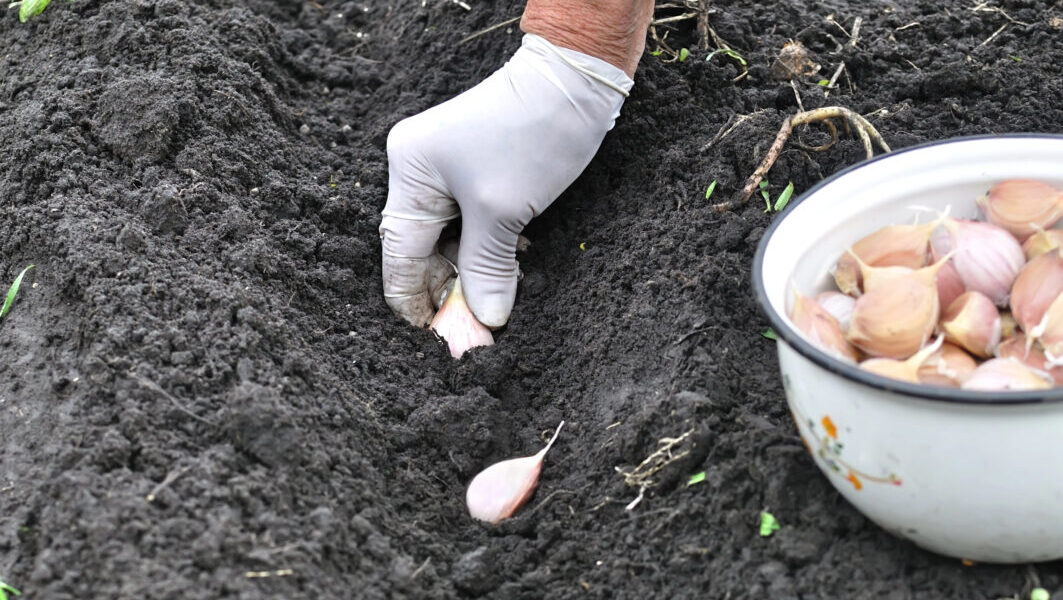
Without well-prepared soil, you can’t expect a generous harvest. Garlic thrives in lighter, free-draining soil with plenty of nutrients and organic matter. First, it’s best to dig the bed over thoroughly to a depth of about 20 cm. This aerates the soil, giving roots better conditions for growth.
It’s a good idea to work compost into the soil to enrich it and improve its structure at the same time. The bed should be clean, without overgrown weeds and without unnecessary debris from previous crops. The more careful the preparation, the easier the care later on.
Choosing the right cloves decides the outcome
When planting, it pays not to skimp on planting stock quality. The best are larger, firm, healthy cloves with no signs of damage, mould, or softening. Weak or injured pieces don’t belong in the ground, because they often produce a poorer crop and can be more prone to problems.
Split the bulb into individual cloves right before planting. Place each clove into the soil pointy end up. Planting depth should be about 6 cm. Spacing matters too, because garlic needs room to form strong bulbs. Leave about 10 cm between cloves and at least 25 cm between rows.
After planting, it’s straightforward care
Once the cloves are in the ground and the bed has been covered over, the hardest part is done. The rest of the care isn’t complicated, but it shouldn’t be neglected. It helps to regularly loosen the soil around the garlic so it doesn’t become compacted and can let air and water through more easily.
Watering usually isn’t needed often in autumn. Only water if there’s a prolonged dry spell. Waterlogging, on the other hand, doesn’t suit garlic. Weed removal is also very important, as weeds would steal moisture and nutrients from the plants. A clean bed helps garlic grow without unnecessary competition.
A spring reward for autumn work
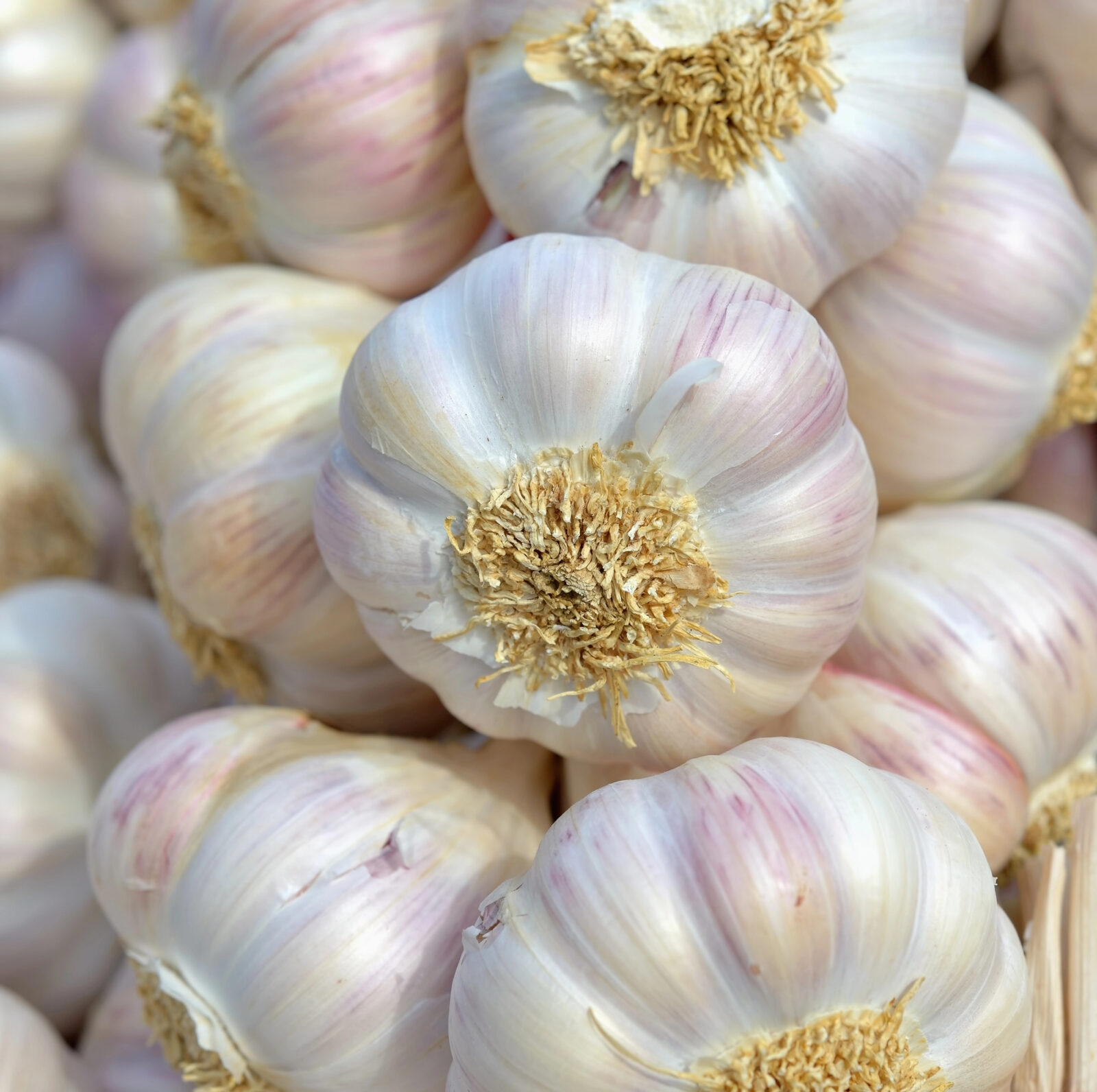
Autumn garlic planting is one of the surest steps toward a good harvest next season. If you choose the right timing, prepare quality soil, and plant healthy cloves at proper spacing, you’ll give the plants an excellent foundation. Cold weather also naturally helps limit certain diseases, so the start is often safer than with planting too early.
Follow a few simple rules and you’ll be rewarded in spring with strong growth and, later, a generous harvest of home-grown garlic. So right now is the ideal time to head to the bed and use autumn to your advantage.
Source: Ferber Painting, Farmer’s Almanac, ReSprout, Pestrazahrada.cz

A lover of nature, gardens, and everything that moves, blooms, or grows. He literally grows everything, from herbs to rare species, and he enjoys caring for animals just as much. In his work, he connects modern technology with tried-and-tested grandmotherly methods and is happy when both paths lead to the same goal.
Related articles
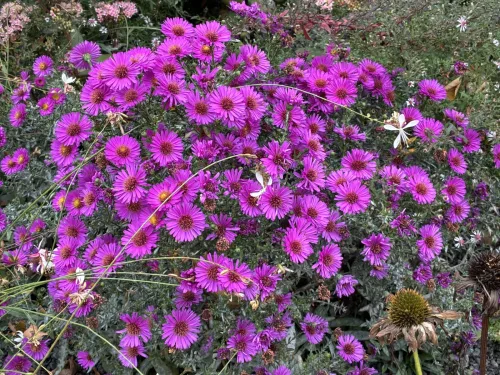
When Other Flowers Fade Asters Are Just Getting Started
Asters step in just as summer colour starts to wane, flooding borders with late-season blooms. They’re also a valuable nectar source for pollinators and later a seed larder for birds.
Drought tolerant fruit trees for Czech gardens that handle heat and winter frosts
Warmer summers and longer dry spells are changing what can be grown in Czech gardens. With the right variety and a sunny, sheltered spot, olives, pomegranates and figs can cope with heat, drought and even winter cold.
Thuja hedges are on the way out gardeners are choosing a shrub that shrugs off frost and drought and never looks dull
Thuja may be a long-standing classic, but today’s hedges are increasingly built from more varied shrubs that look better through the seasons. One standout choice is ninebark, prized for its toughness, colour and easy care.
Comments (0)
Be the first to comment.