
 English
  Polski
  Deutsch
  Nederlands
  Svenska
  Norsk
Norsk  Dansk
Dansk  Français
  Italiano
  Español
  Português
  Slovenčina
  Suomi
Suomi  Gaeilge
 Homegrown Physalis Tastes Better Than Store Bought But Green Fruit Can Be Toxic
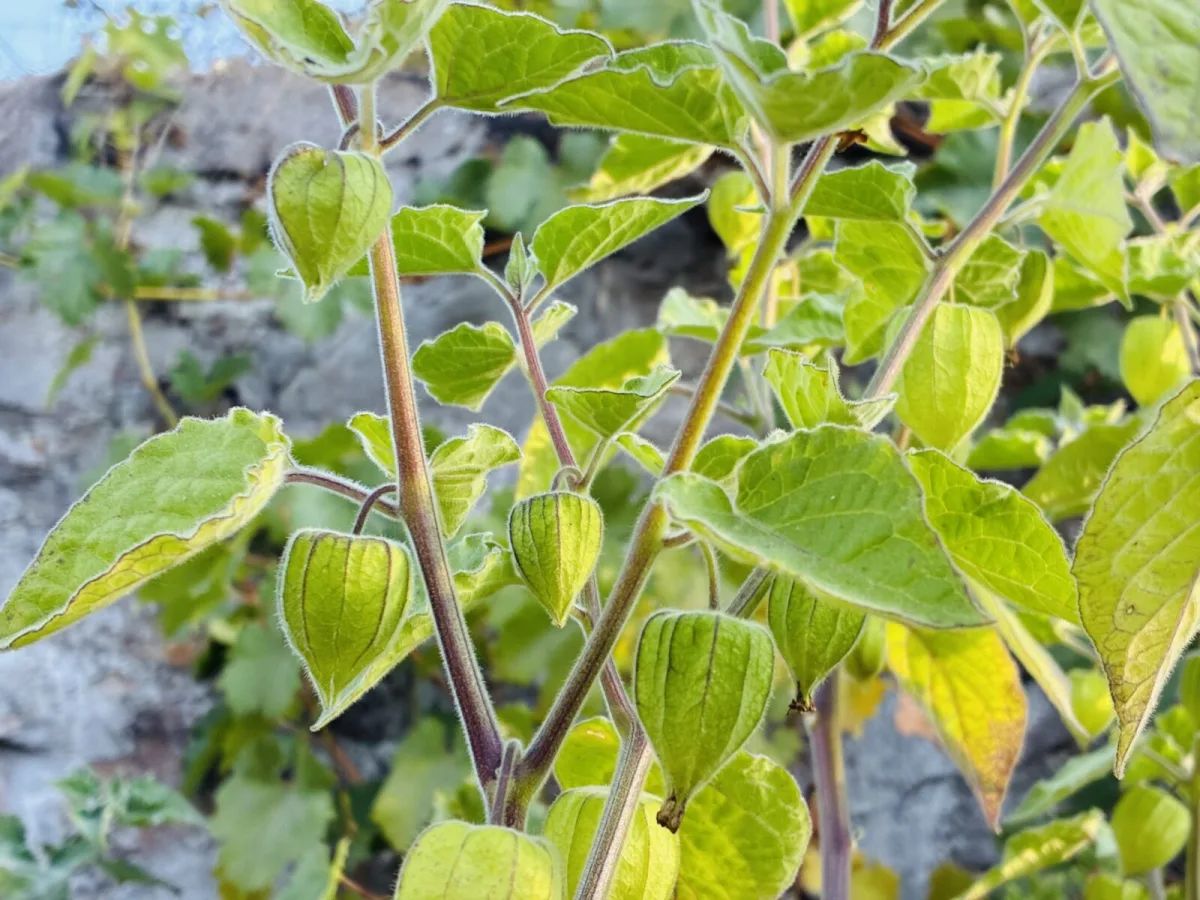
Peruvian groundcherry, also known as physalis or Cape gooseberry, belongs to the nightshade family. That makes it a relative of tomatoes, peppers and potatoes. It comes from the high mountain regions of the South American Andes, where it grows as a perennial shrub. In our climate, however, it is most often grown as an annual because it cannot tolerate frost. If you want to keep it for another season, you can lift it before the first frosts and overwinter it in a bright, frost-free room.
The name Physalis comes from a Greek word meaning a little bladder, which perfectly describes the typical papery husk around the fruit. It resembles a small lantern and is not just decorative. It also protects the berry from bad weather and some pests. The flavour of ripe fruit is sweet-tart and reminiscent of a mix of gooseberry, kiwi and a light pineapple note.
This plant reached Europe at the end of the 18th century, at first as an ornamental curiosity. Later it spread via southern Africa, where it thrived around the Cape, and that is where the common name Cape gooseberry comes from. Homegrown fruit is usually more intensely flavoured than shop-bought physalis, which is often picked less ripe.
Warning: all green parts of the plant and unripe fruit are mildly toxic and, if eaten, may cause nausea or cramps.
Sowing and raising seedlings
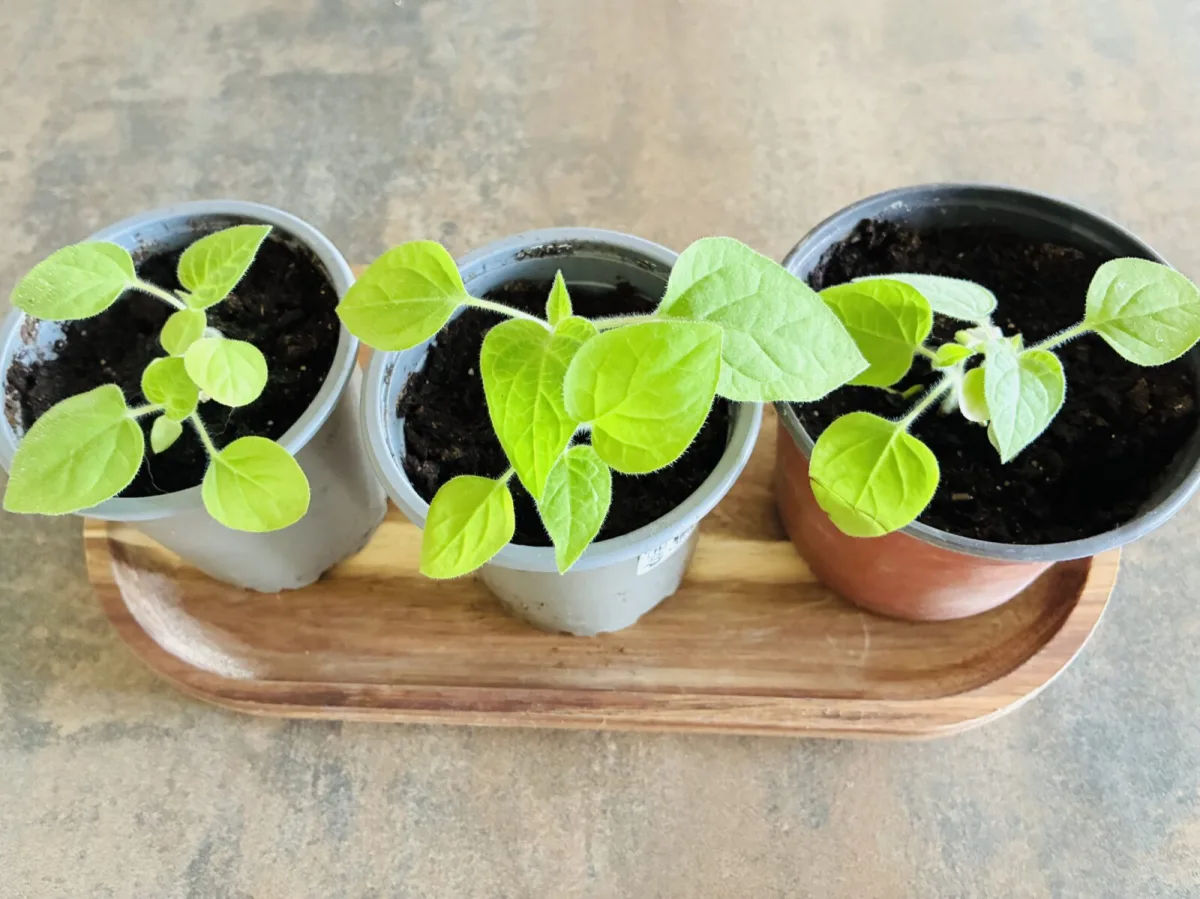
Physalis needs a long growing season, so in our conditions it has to be started indoors. Direct sowing outside usually doesn’t work. Sow seeds roughly from mid-February to mid-March into seed compost with a lower nutrient content. Sow shallowly, about 0.5 to 1 cm deep. Germination is best at around 20 to 25 °C and can take one to three weeks.
If you don’t have enough light, it’s not wise to start too early, as young plants will become leggy and weak. About three to four weeks after sowing, prick out the seedlings into larger pots. They grow slowly at first, which is normal for this crop.
Planting out
Plant physalis into an outdoor bed or larger containers only after the last spring frosts, most commonly from mid-May to mid-June. Before planting, harden the plants off gradually and set them outside during the day in a sheltered spot.
The plant needs plenty of space because it spreads vigorously. Recommended spacing is about 80 cm in all directions. When planting, you can set it slightly deeper than it grew in the pot, because the buried part of the stem can form additional roots. The growing season is long, with the first harvest usually from mid-August, then continuing through to October.
Best position and soil
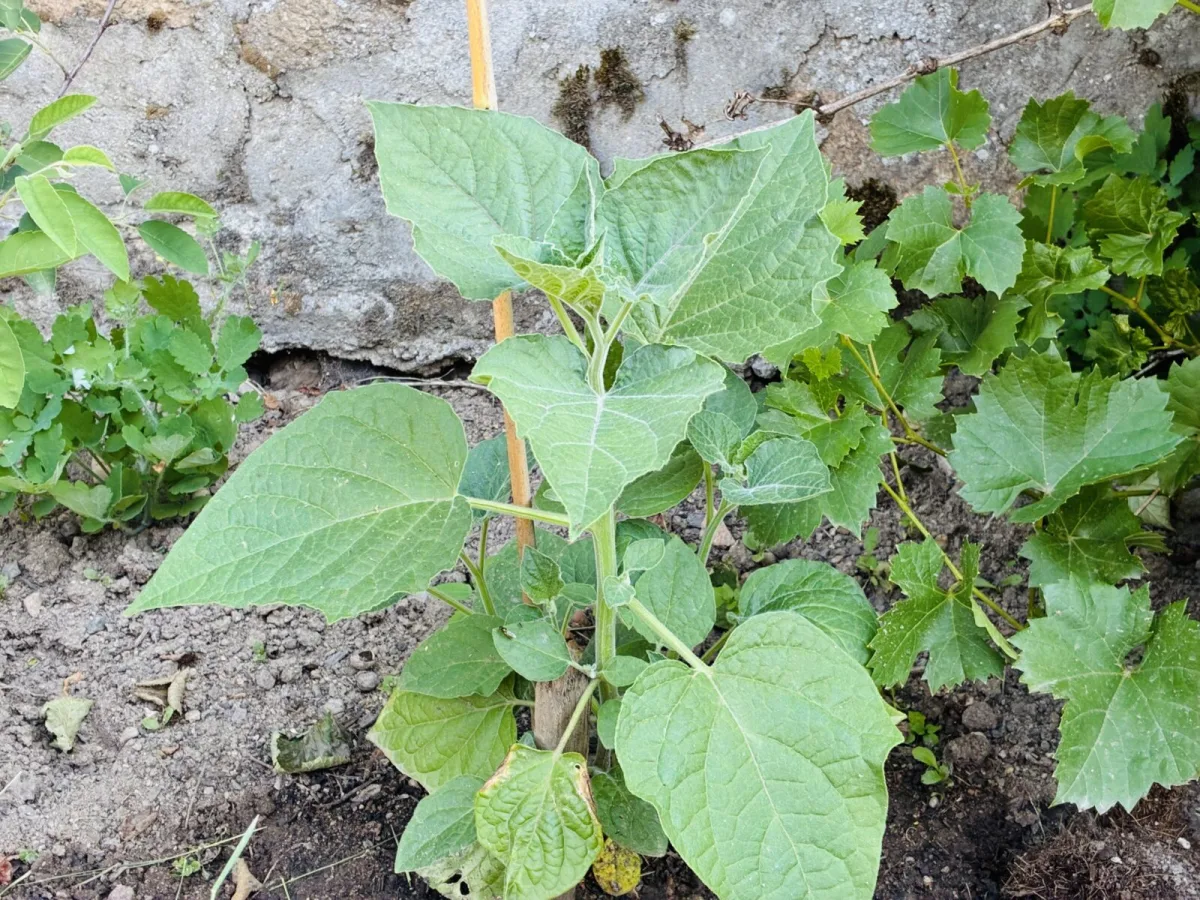
Physalis loves sun. For good flavour it needs at least six to eight hours of direct light a day. It does best in a sheltered spot by a wall or fence, because its shoots can be brittle and wind can easily damage them.
It isn’t overly demanding about soil, but it does require a free-draining, airy substrate. Lighter, more sandy soils suit it very well. It cannot stand waterlogging or standing water. A slightly acidic soil reaction is ideal. A bed freshly manured or heavily fertilised is not ideal, because excess nutrients encourage leafy growth but reduce fruit set.
It also grows well on a balcony or patio. The container should be at least 15 to 20 litres, and ideally 30 to 40 litres. There must be a drainage layer in the bottom so water doesn’t sit around the roots.
Good and bad neighbours
Good neighbours include beans and other legumes, which enrich the soil with nitrogen. Spinach or lamb’s lettuce also work well as an underplanting, as they help retain moisture in the soil. Onions and garlic can reduce aphids thanks to their strong scent. Marigolds and calendula are also beneficial, supporting soil health while attracting pollinators.
On the other hand, it’s not suitable to grow physalis next to other nightshades. Tomatoes, potatoes, peppers, chillies and aubergines share similar diseases and pests, so the risk of problems rises significantly. Cucumbers are not ideal either, as they have similar water and nutrient demands and can encourage the spread of certain fungal diseases.
Crop rotation
As with other nightshades, physalis should not return to the same spot too often. A break of at least three to four years is recommended. This rule also applies if tomatoes, peppers, potatoes or aubergines previously grew in that bed. Diseases and pests that attack related crops can persist in the soil.
Suitable preceding crops include peas, beans, lettuces, spinach or brassicas. After physalis, you can grow legumes again, or root vegetables or leafy salads. This kind of rotation helps keep the soil in good condition.
Care through the season
Caring for physalis isn’t difficult if you follow a few basic rules. Water regularly, especially during flowering and fruit formation. Water at the roots rather than over the leaves to reduce the risk of fungal diseases. On hot summer days, daily watering may be necessary.
A mulch layer around the plants helps hold moisture and even out soil temperature. Feeding should be fairly modest. Physalis is a medium feeder and often does well with compost worked in at planting time. For container plants, a small amount of organic liquid feed can be added during July.
Because the shoots are brittle, some support is often useful. Heavy fruit and wind can snap stems, so it’s best to use canes or a simple frame in good time. Pinching out side shoots is not necessary, but overly dense growth or lower branches can be removed to improve airflow.
Diseases and pests
Physalis is quite robust, and its papery husk protects the fruit from some pests. Even so, aphids, whitefly or spider mites can appear. Helpful insects such as ladybirds, hoverflies and lacewings often keep aphids in check. With light infestations, they can be washed off with water.
In a greenhouse, whitefly can be a problem, as it thrives in warmth and poor ventilation. Spider mites are more common in dry, hot weather. Among diseases, grey mould or powdery mildew can occur, especially with overcrowding and high humidity. The best protection is a sunny position, adequate spacing between plants, crop rotation and watering only at the roots. Infected parts should be removed as soon as possible and should not go on the compost.
Harvesting and using the fruit
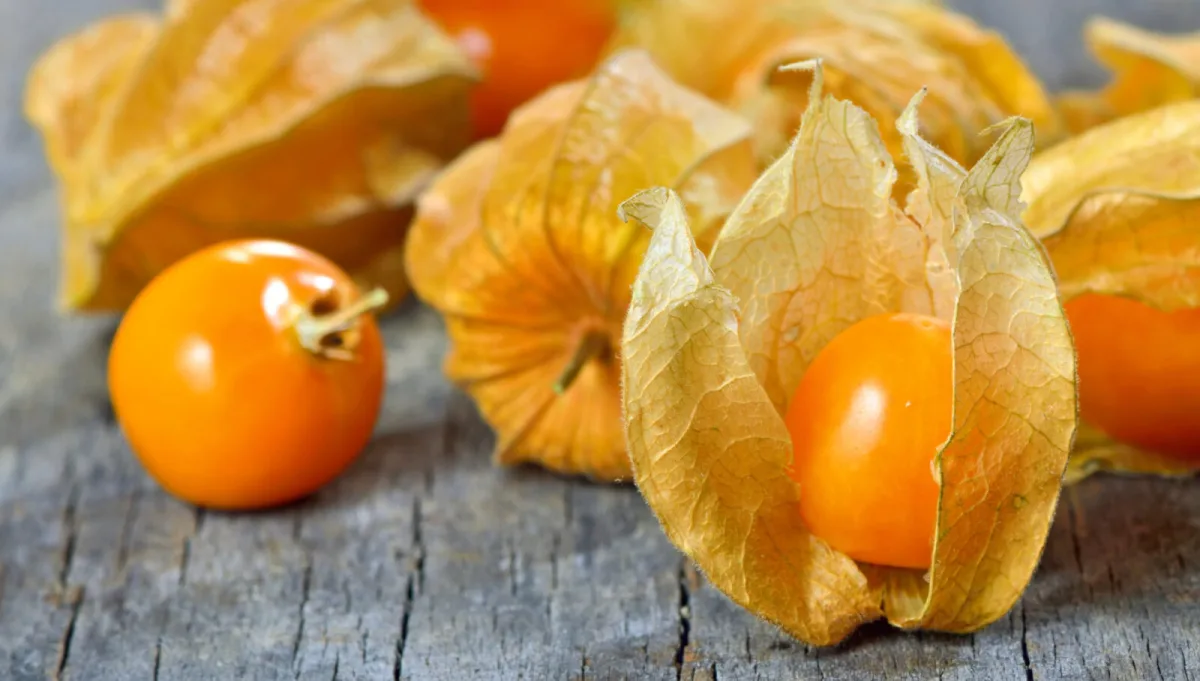
The fruits ripen gradually from late August until the first autumn frosts. You can tell they are ripe when the husk is dry, papery and rustles. Inside you’ll see a golden-yellow berry. It’s also common for perfectly ripe fruit to drop on its own, which can be an easy clue for harvesting.
Before eating, remove the husk and briefly rinse the fruit, as the surface can be slightly sticky. If the fruit is left in the husk and stored in a dry, cool place at around 10 to 15 °C, it keeps surprisingly well, often for several weeks.
Varieties worth growing
Popular varieties include Schönbrunner Gold, valued for its large, aromatic fruit. Plants can reach around two metres and need plenty of room. For smaller gardens, balconies or hanging containers, more compact types such as Little Lanterns are a good fit. In cooler regions with shorter summers, it makes sense to choose earlier varieties, such as Preciosa, which ripens sooner and stays shorter.
Peruvian groundcherry is an attractive, tasty fruiting crop that, given enough sun, space and patience, rewards you with a long harvest right into autumn.
Source: Grove.Eco, Plantura.Garden , Pestrazahrada.cz
Related articles
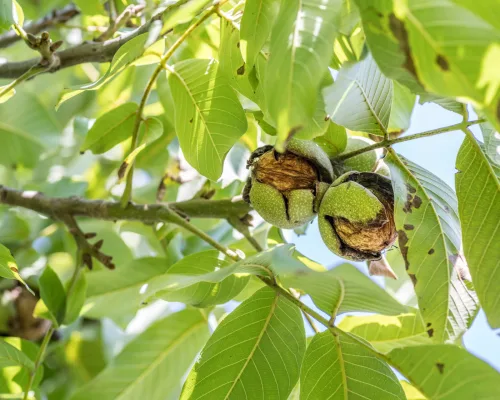
Never prune a walnut tree in spring
English walnut is a magnificent, long-lived tree, but timing matters—spring pruning can cause heavy sap bleeding and slow healing. Learn the right site, spacing, feeding, harvesting, and pruning window for a healthy crop.
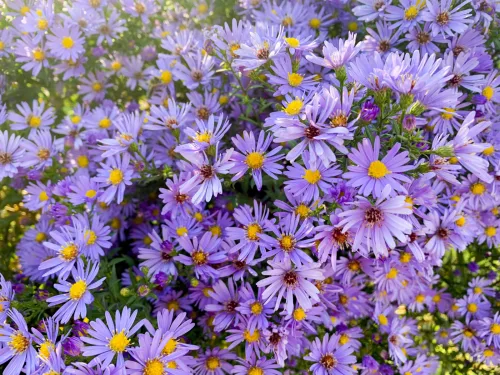
Autumn asters turn the garden into a haven for pollinators
Autumn asters light up borders in September and October with clouds of colour while offering vital nectar and pollen when many other plants have finished. Chosen well, they’ll keep feeding pollinators right up to the first proper frosts.
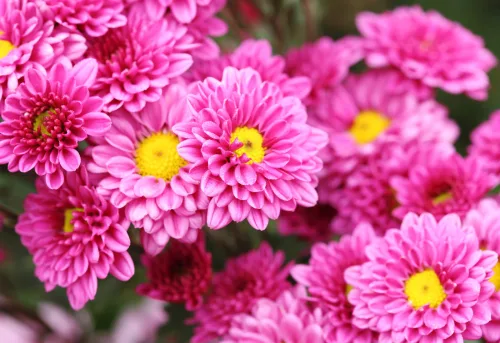
Autumn perennials bloom when everything else is winding down and keep the garden glowing until frost
When summer crops and bedding flowers are fading, the garden doesn’t have to look tired. Choose the right autumn-blooming perennials and you can enjoy rich colour right up to the first frosts.
Comments (0)
Be the first to comment.