
 English
 Polski
 Deutsch
 Nederlands
 Svenska
 Norsk
 Dansk
 Français
 Italiano
 Español
 Português
 Slovenčina
 Suomi
 Gaeilge
Drought tolerant fruit trees for Czech gardens that handle heat and winter frosts
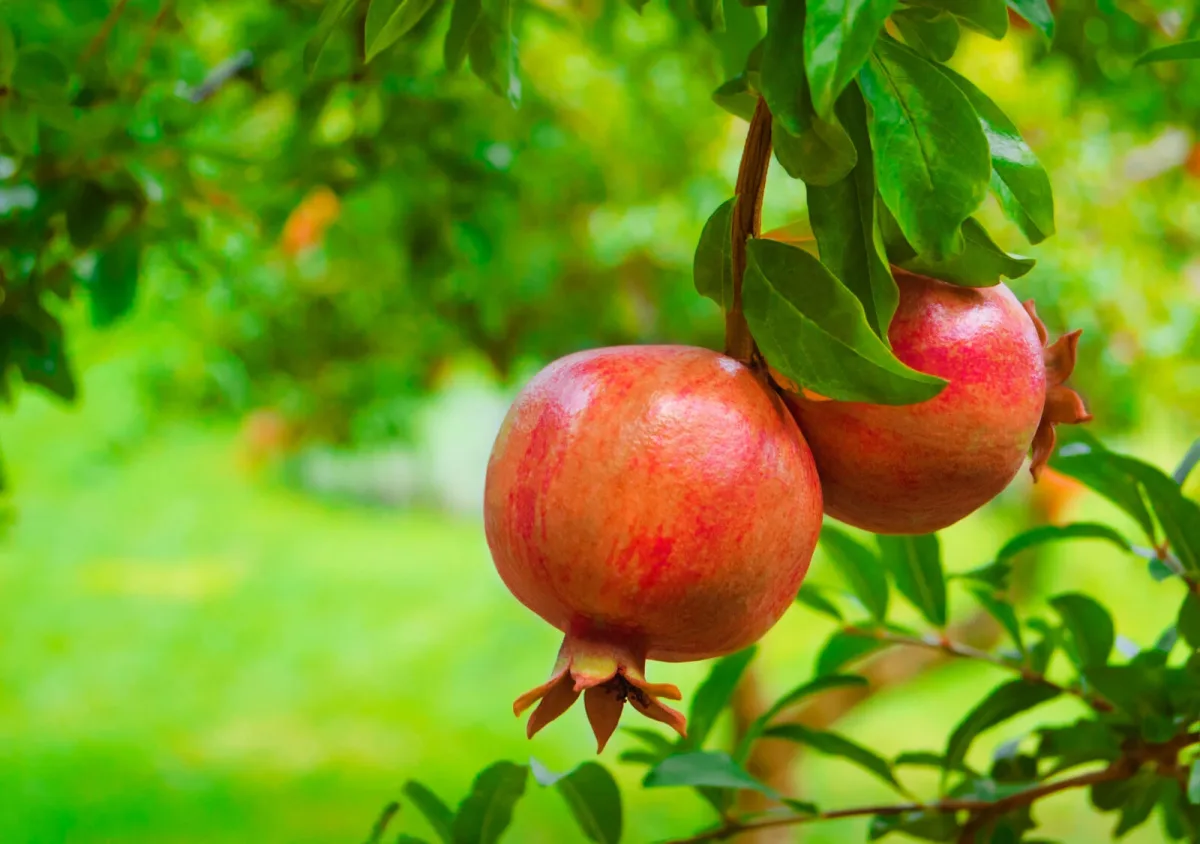
What just a few years ago was seen as a curiosity better suited to Mediterranean climates is gradually becoming a real option for Czech gardens too. Warmer weather, longer dry periods and, in some areas, milder winters are favouring species that thrive in sun and don’t demand constant watering. That’s exactly why pomegranates, olives and figs are being talked about more and more.
These trees are attractive not only for their looks, but also for their ability to cope with summer heat better than many common fruit trees. That doesn’t mean they’ll work everywhere, though. They have the best chance of success in warmer, sheltered locations, especially in the south of the country or in urban gardens with a favourable microclimate.
Drought is changing which trees we choose for the garden
Recent years have shown that water is becoming ever more precious in many places. Gardeners are therefore looking for species that can make it through summer scorch without regular irrigation. Alongside traditionally tough woody plants such as hazel, almond, service tree, cornelian cherry and sweet chestnut, less usual fruit trees are now coming to the fore as well.
The key to success is the right cultivar and the right site. Heat-loving species mainly need full sun, shelter from wind, and soil that doesn’t stay waterlogged for long periods. Given good conditions, they can repay you not only with an interesting look, but also with their own harvest.
Olive trees for the garden and for pots
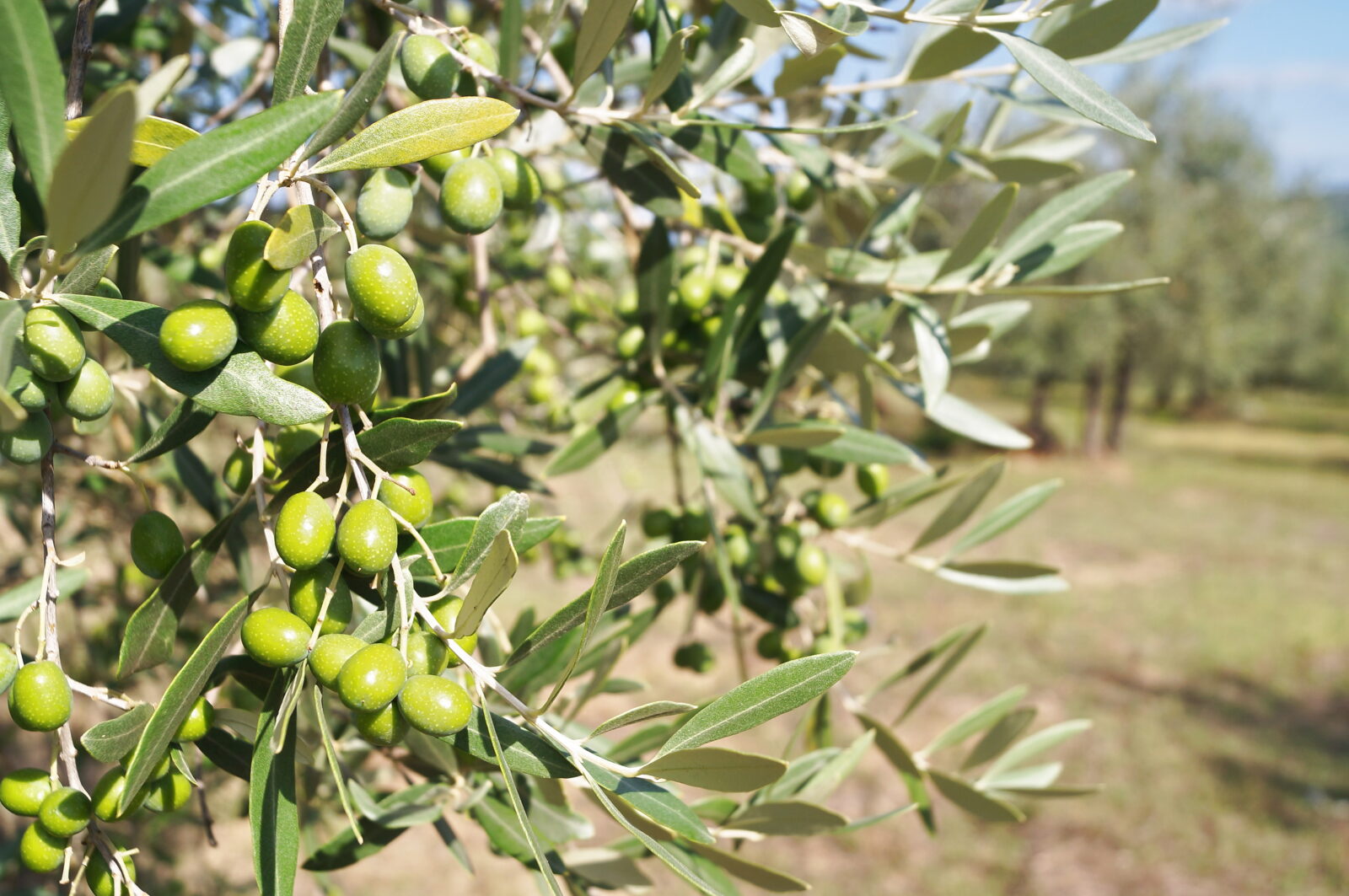
The olive is a symbol of the south, yet some cultivars can cope with Czech conditions too. Planting makes sense above all where prolonged, severe frosts aren’t a risk. They often grow to around 3 m and can also be grown as portable plants in large containers.
Cultivar Megaron
This option is valued for its larger brown fruits and fairly good adaptability. In our conditions it can do well reliably, but in very hard frosts it’s sensible to provide protection. A big advantage is that it can be grown in a pot, which can be moved for winter into a cool but frost-free space.
Cultivar Chalkidiki
This cultivar is also considered more resilient and can tolerate temperatures dropping to about −15 °C. It produces green olives and, like Megaron, is suitable both for planting in the ground and for large pots. In stronger frosts it’s wise to cover the plant or move it into a polytunnel, conservatory or unheated greenhouse.
Pomegranate surprises with hardiness and flavour
Pomegranate is usually associated with warm regions, but here too there are cultivars that can surprise with high frost tolerance. It needs plenty of light and does best in a fully sunny spot. When the wood ripens well, it can handle winter far better than many would expect.
Nikitskij černyj
Nikitskij černyj is described as exceptionally hardy and can survive even very severe frosts. Its fruits have an unusually dark colour, almost black. They’re great in fruit salads, for juice and in various drinks. That blend of ornamental appeal and usefulness makes it a particularly interesting tree.
Hermione
The Hermione cultivar produces larger, sweeter fruits. Frost tolerance usually falls between −15 and −20 °C, though it always depends on the exact site. If it grows in a sheltered, sunny position, it has much better conditions for safe overwintering and for ripening fruit well.
Fig trees need restraint and winter protection
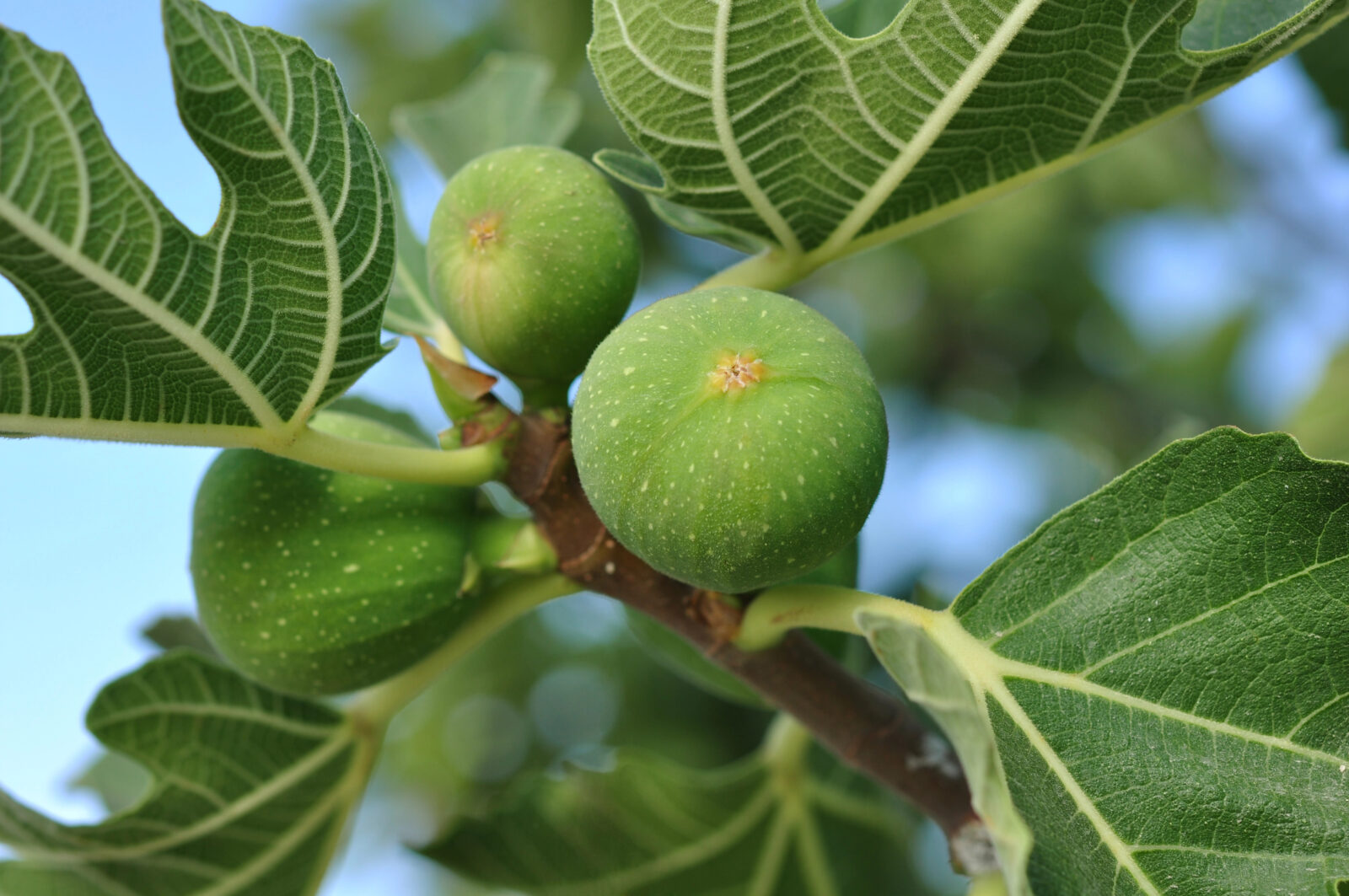
The common fig is another woody plant that gets along well with dry conditions. It isn’t overly demanding about soil, but it appreciates a non-acidic, rather heavier site, which is worth improving before planting with a quality substrate. After planting, it’s important to water sensibly. Too much water leads to lush growth that then ripens poorly, making the tree more sensitive to frost.
With a fig tree, less is often more. When it isn’t overwatered, it produces firmer, better-ripened wood that stands a better chance of getting through winter cold. Planting by a wall or in another sheltered corner of the garden is a big advantage.
After harvest, it’s a good idea to prune the tree so it can be protected easily for winter. On older specimens, branches are shortened to roughly a height of around 2.5 m. Young, flexible shoots can be bent to the ground and covered with straw, conifer boughs or a layer of leaves. Finally, everything can be wrapped in horticultural fleece, which must allow air through so mould doesn’t form underneath.
A well-prepared fig tree, with suitable protection, can survive even frosts around −25 °C.
Alongside the well-known cultivar English Brown Turkey, Black Royal, Black Mission and White Royal also perform well. So if you’re looking for a fruit tree that can cope with a drier summer while giving the garden an unusual look, these exotic species may be a pleasant surprise.
Source: Zahrádkářská poradna, Gardening Know How, Pestrá zahrada, Pestrazahrada.cz

A lover of nature, gardens, and everything that moves, blooms, or grows. He literally grows everything, from herbs to rare species, and he enjoys caring for animals just as much. In his work, he connects modern technology with tried-and-tested grandmotherly methods and is happy when both paths lead to the same goal.
Related articles
Thuja hedges are on the way out gardeners are choosing a shrub that shrugs off frost and drought and never looks dull
Thuja may be a long-standing classic, but today’s hedges are increasingly built from more varied shrubs that look better through the seasons. One standout choice is ninebark, prized for its toughness, colour and easy care.
Autumn planted grapevines bud earlier the most common mistake happens before they even go in the ground
Planting grapevines in November can give them a head start in spring, as roots can still establish in warm soil. Success depends mainly on proper planting depth and reliable winter protection.
Ten Crops to Sow Before Winter for an Earlier Spring Harvest
Autumn sowing lets hardy vegetables and herbs root in before frosts, so they spring into growth as soon as temperatures rise. With the right timing and bed preparation, you can harvest noticeably earlier in the new season.
Comments (0)
Be the first to comment.