
 English
  Polski
  Deutsch
  Nederlands
  Svenska
  Norsk
Norsk  Dansk
Dansk  Français
  Italiano
  Español
  Português
  Slovenčina
  Suomi
Suomi  Gaeilge
 September jobs in the garden from weeding and lawn care to spring bulbs
When September brings regular rain, gardening feels much easier. The soil is pliable, plants recover faster after transplanting, and weeds pull far more readily than they do from baked, dry ground. That’s why early autumn is perfect for dividing and replanting perennials, planting shrubs and trees, repairing the lawn, and making moves that will reduce weeds next year. Even when the weather isn’t perfect, some tasks are worth doing promptly, because the time until the first frosts can disappear quickly.
September is also an excellent time to walk the garden with fresh eyes, take notes, and be a little critical. What worked, where are the weak spots, and what opportunities are there? You’ll often spot that you’re missing late-flowering perennials, that some older plantings look tired, or that groundcovers that once seemed practical have turned into uncontrolled bed invaders.
Planning a garden for 365 days a year
Even as summer tips into autumn, it pays to think long-term. The goal might be a garden that’s interesting from early spring, holds colour until hard frosts, and doesn’t look empty in winter thanks to the strong structure of shrubs, ornamental grasses, and bold dried seedheads. A September stocktake helps you decide what to add, what to simplify, and where to make space for, for example, bulbs that come into focus in the weeks ahead.
If you want to support pollinators, include more native species, establish a wildflower meadow, or make the garden more bird-friendly, now is the right time to plan specific steps. Good preparation prevents impulse purchases and helps you work with the rhythm of the seasons.
Harvesting and storing your crop without stress
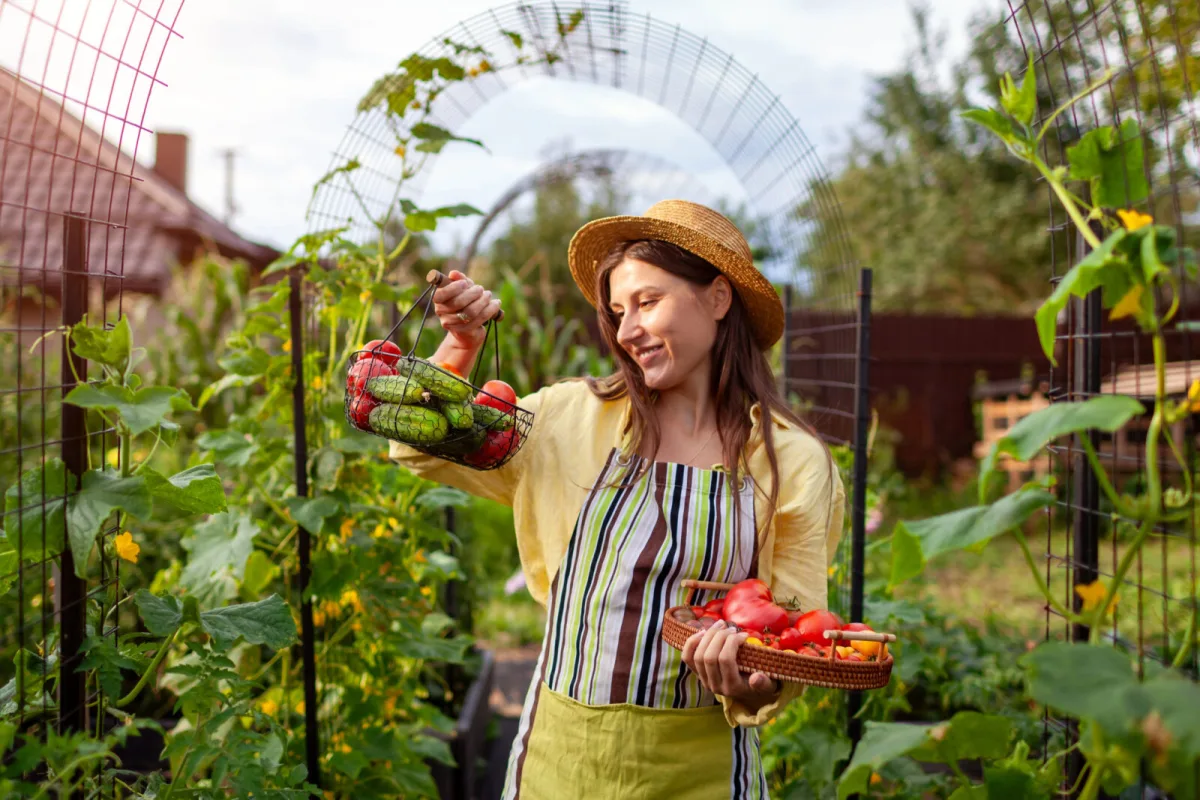
September is often peak harvest for tomatoes, courgettes, sweetcorn and beans. It’s worth choosing storage methods that are simple and genuinely doable even on busy days. With tomatoes, roasting and then freezing works brilliantly, giving you a ready base for sauces and soups without hours of simmering. It’s also practical to freeze whole tomatoes in bags for later use in stews and braises.
Green beans can be stored in less obvious ways too, for example frozen already in a tomato sauce, which speeds up cooking in winter and brings back a taste of summer. September is also a great time for quick fridge pickles or classic preserved gherkins. And don’t forget herbs: many can be frozen directly, or turned into pesto that keeps its colour and aroma in the freezer.
Weeds and pests: act now and you’ll save work in spring
Late summer and autumn largely determine how much of a weed problem you’ll have next season. Once weeds set seed, you multiply the pressure on your beds for several years ahead. Moist soil also makes it easier to lift perennial weeds with their roots, so the work is often more effective than in dry conditions. The key is not to let unwanted plants ripen seed, and to keep removing fresh growth as it appears.
Autumn tidying also matters with pests in mind. Plant debris, overlong grass, fallen fruit left on the ground, or thick mulch piled right up against trunks can provide shelter for rodents and other unwelcome visitors. If you know you get, for example, slugs, caterpillars on brassicas, squash bugs on cucurbits, or young plantings suffer from chewing damage, focus on prevention and bed hygiene. Being thorough in autumn often means lower pest pressure in spring.
Lawn: repairs, overseeding and the right mowing
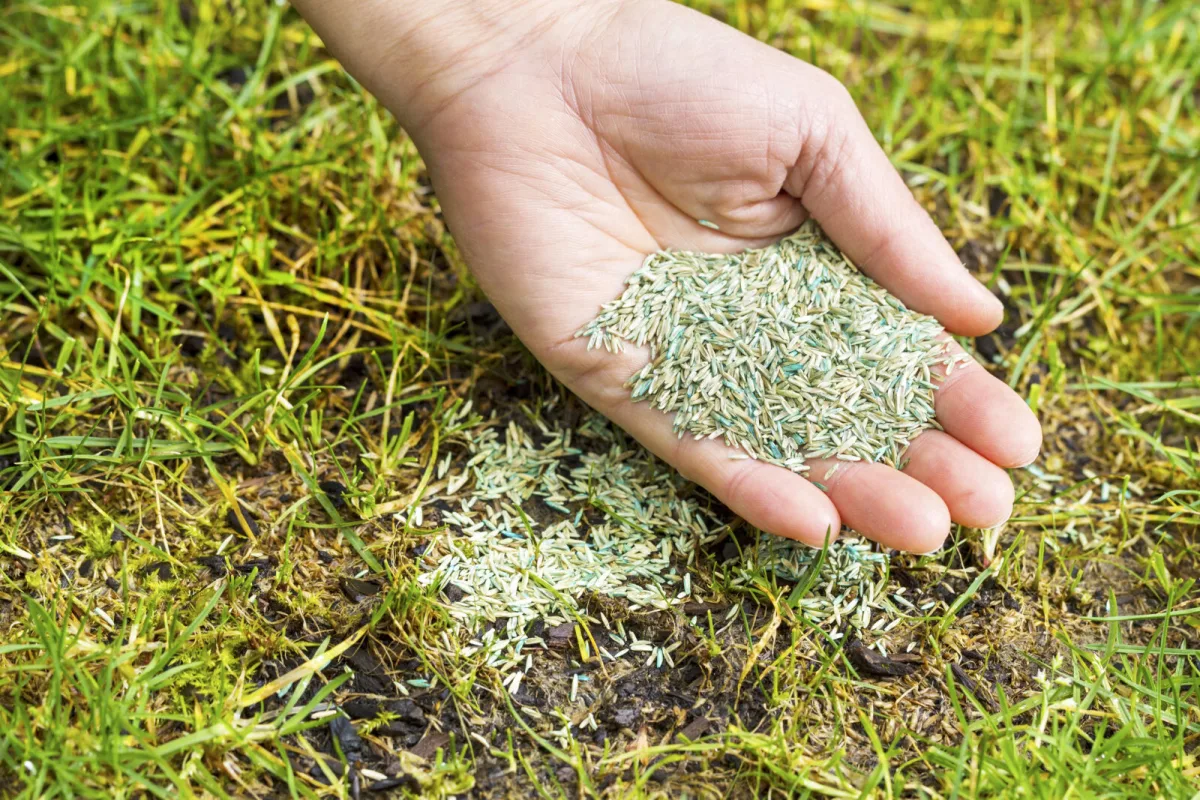
September is one of the best months for lawn care. The soil is still warm but the worst heat has eased, so grass seed germinates quickly and the turf recovers better. It’s a good time to address compaction, bare patches, overseeding, and weed reduction where weeds take advantage of weakened areas. How you mow and how you handle fallen leaves matters just as much, because late-summer and autumn routines strongly influence how many unwanted grasses and weeds show up next year.
Vegetable garden: ripening, seeds and soil
If you still have green tomatoes on the plants, you can encourage ripening by limiting new growth and improving light access to the fruit. Some of the crop can be picked earlier and finished indoors in safety, which also helps where nibbling pests are a risk or temperatures are dropping. September also opens the door to a longer season, because some crops for autumn harvest are only just being sown or planted out.
Now is also the right time to save seed, especially from fleshy-fruited crops like tomatoes, peppers, cucumbers, squash and melons. With dry-seeded crops, such as beans, peas or lettuces, the process is usually even simpler. If certain beds consistently underperform, consider a soil test, because without knowing the pH and nutrient levels you’re often just guessing.
As beds empty after harvest, it makes sense to think about improving the soil with cover crops. Green manures help with soil structure, erosion reduction and adding organic matter. Just avoid sowing areas where you plan to plant garlic or make very early spring sowings. Let harvested garlic dry thoroughly in an airy place, and if you want to plant your own or bought cloves, make sure you source them in good time for October planting.
Ornamental garden: bulbs, perennials and smart maintenance
September is ideal for using spring bulbs thoughtfully. When you combine them with perennials that later hide the dying bulb foliage, the result looks natural and well kept. Order bulbs early and plant them gradually as they arrive; for some types it’s best not to delay. You can also play with the idea of planting bulbs beyond classic borders, for example into the lawn or into containers, if space allows.
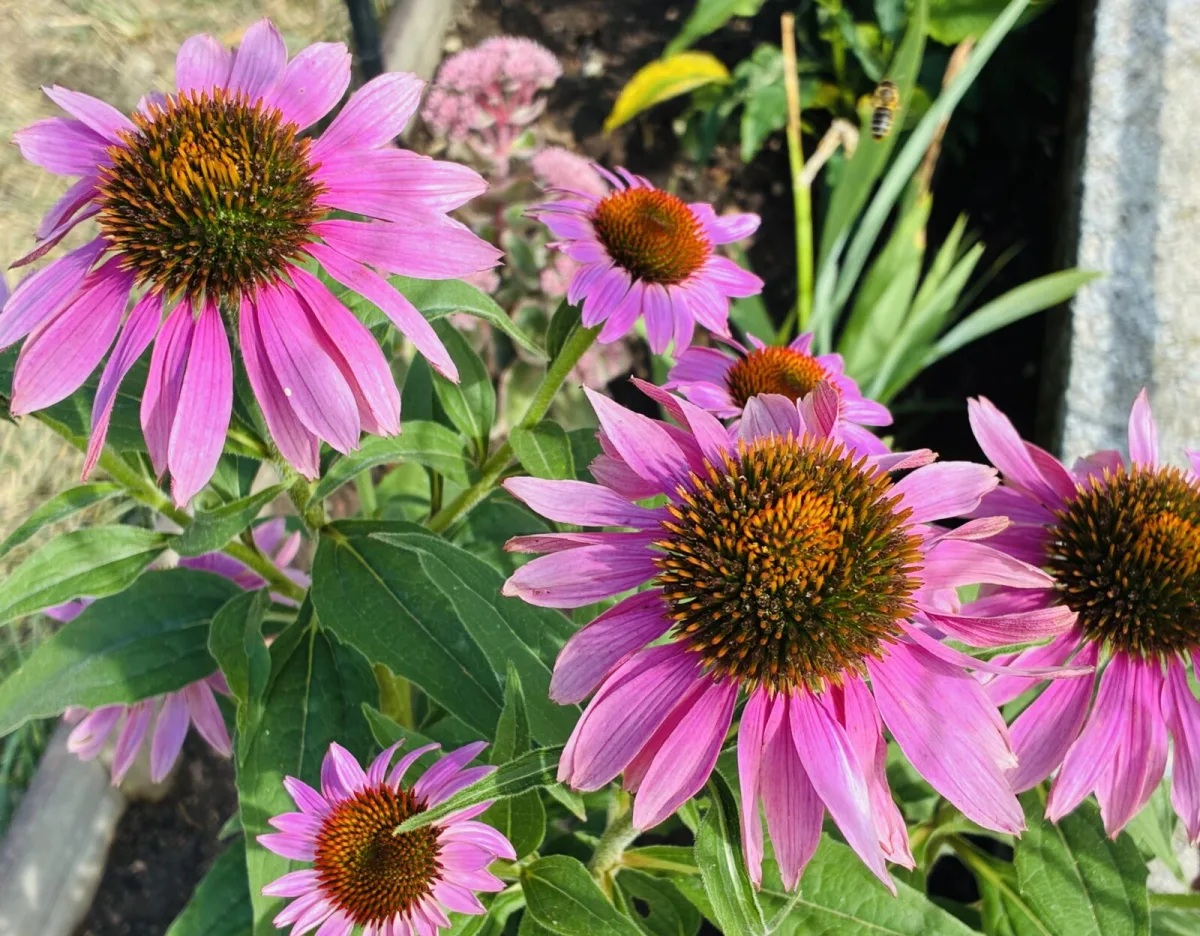
With spent perennials, annuals and biennials, decide whether you want to collect seed or encourage self-seeding. Some plants also have beautiful dried seedheads that are ornamental and useful for birds, so there’s no need to cut everything back immediately. Many perennials can be divided and moved in autumn too, for example daylilies, and for peonies the turn of August and September is considered the best time. With peonies, it’s important not to plant the buds too deep, otherwise flowering can be poor.
If you’d like to keep certain favourite annuals for next year, it’s often more practical to take cuttings and overwinter young, compact plants than to try to rescue leggy, overgrown specimens. With tuberous begonias and similar plants, watch for when they begin to lose vigour and allow them a gradual rest. In rainy spells, moving containers under cover helps prevent the tubers from suffering in waterlogged compost.
New beds: edges and renovating older plantings
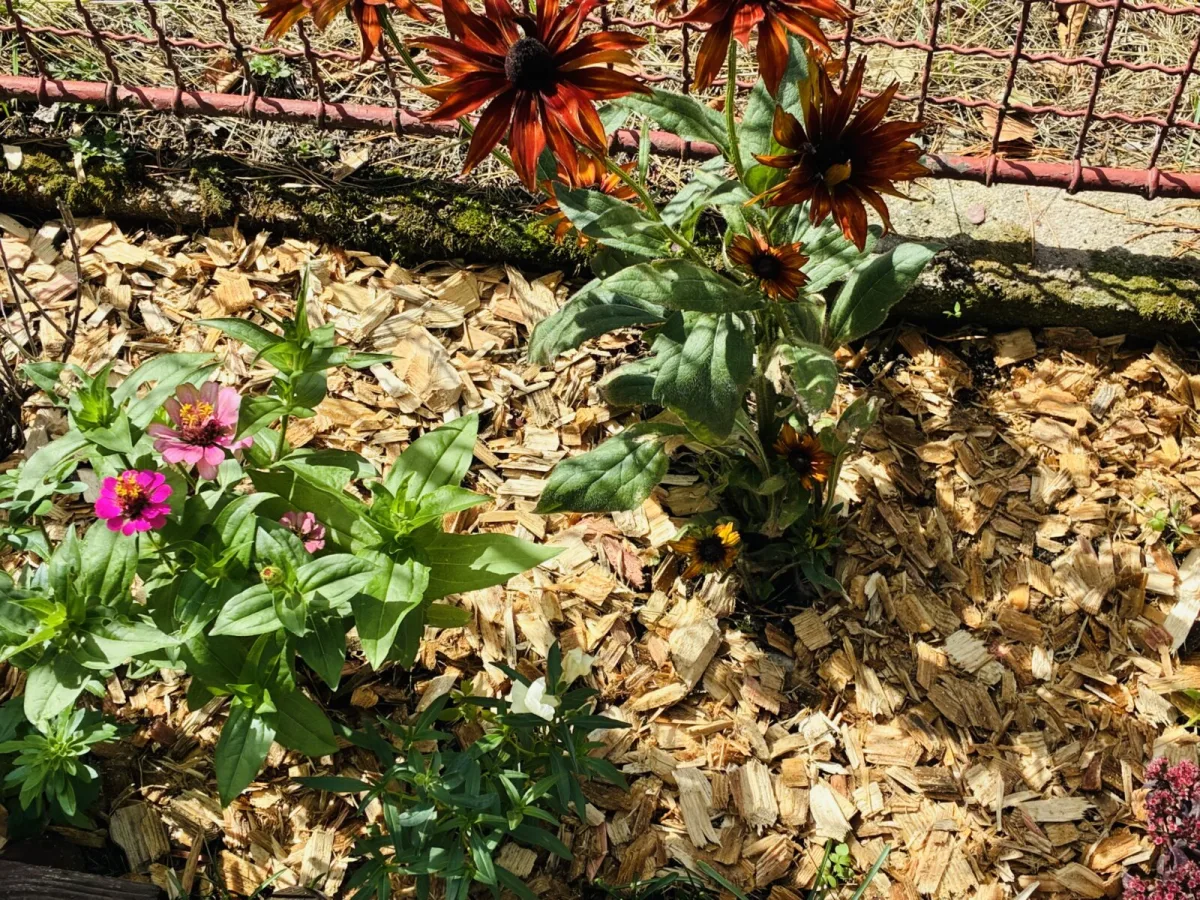
If you’re creating new beds for autumn planting, you can suppress turf and perennial weeds by covering with cardboard or a thick layer of paper and then mulching on top. In existing areas, simply restoring bed edges can have a big impact. A crisp line looks tidy and also helps stop grass and aggressive plants from gradually pushing into your planting.
Trees and shrubs: watering, checks and gentle pruning
In dry years, older trees may start dropping leaves as early as summer from stress and exhaustion. For that reason, deep watering of trees and shrubs can still be worthwhile well into autumn, up until harder frosts arrive, so they go into winter well supplied with moisture. Evergreens are particularly prone to winter desiccation, so autumn care is especially important for them.
If you notice yellowing or browning of older inner needles on conifers, it’s often natural ageing and shedding rather than a disaster. Do keep removing dead, damaged or diseased branches, as well as suckers and water shoots. It’s too late for major shaping cuts and fertilising, because they can trigger new growth that won’t harden off before winter.
Houseplants: autumn prep for moving indoors
Before bringing plants indoors, it’s practical to do any repotting first, because there’s less mess outside and potting mix is easier to handle. Choose only a slightly larger pot, as too much compost holds excess moisture. With amaryllis, late September usually marks the start of a rest period, when the bulb needs dryness and darkness for several weeks so it can set up well for flowering later.
Compost and mulch: the foundation for next season
Compost shouldn’t dry out completely, otherwise decomposition slows dramatically. Turning the heap occasionally helps by adding air, though even without it the material will break down in time. Autumn is a good time to empty finished compost, sieve it and work it into beds, which also frees up space for fresh material from the clear-up. Top up mulch gradually as you tidy beds, and if you can, consider buying mulch loose by the load, which is often more economical and avoids unnecessary packaging waste.
How to adjust timing to your local area
Exact timing varies with climate and your first frosts. While the methods are similar across regions, planting windows, dividing and some other tasks need shifting to match local conditions. Follow the forecast, watch soil temperatures, and tune into the rhythm of your own garden. September jobs can be the start of a calmer autumn if you break them into smaller steps and make the most of every spell of good weather.
Source: A Way to Garden, Rhs , Pestrazahrada.cz
Related articles
Drought tolerant fruit trees for Czech gardens that handle heat and winter frosts
Warmer summers and longer dry spells are changing what can be grown in Czech gardens. With the right variety and a sunny, sheltered spot, olives, pomegranates and figs can cope with heat, drought and even winter cold.
Thuja hedges are on the way out gardeners are choosing a shrub that shrugs off frost and drought and never looks dull
Thuja may be a long-standing classic, but today’s hedges are increasingly built from more varied shrubs that look better through the seasons. One standout choice is ninebark, prized for its toughness, colour and easy care.
Autumn planted grapevines bud earlier the most common mistake happens before they even go in the ground
Planting grapevines in November can give them a head start in spring, as roots can still establish in warm soil. Success depends mainly on proper planting depth and reliable winter protection.
Comments (0)
Be the first to comment.