
 English
  Polski
  Deutsch
  Nederlands
  Svenska
  Norsk
Norsk  Dansk
Dansk  Français
  Italiano
  Español
  Português
  Slovenčina
  Suomi
Suomi  Gaeilge
 Harvest This Year Which Fast Vegetables to Sow in an Autumn Garden
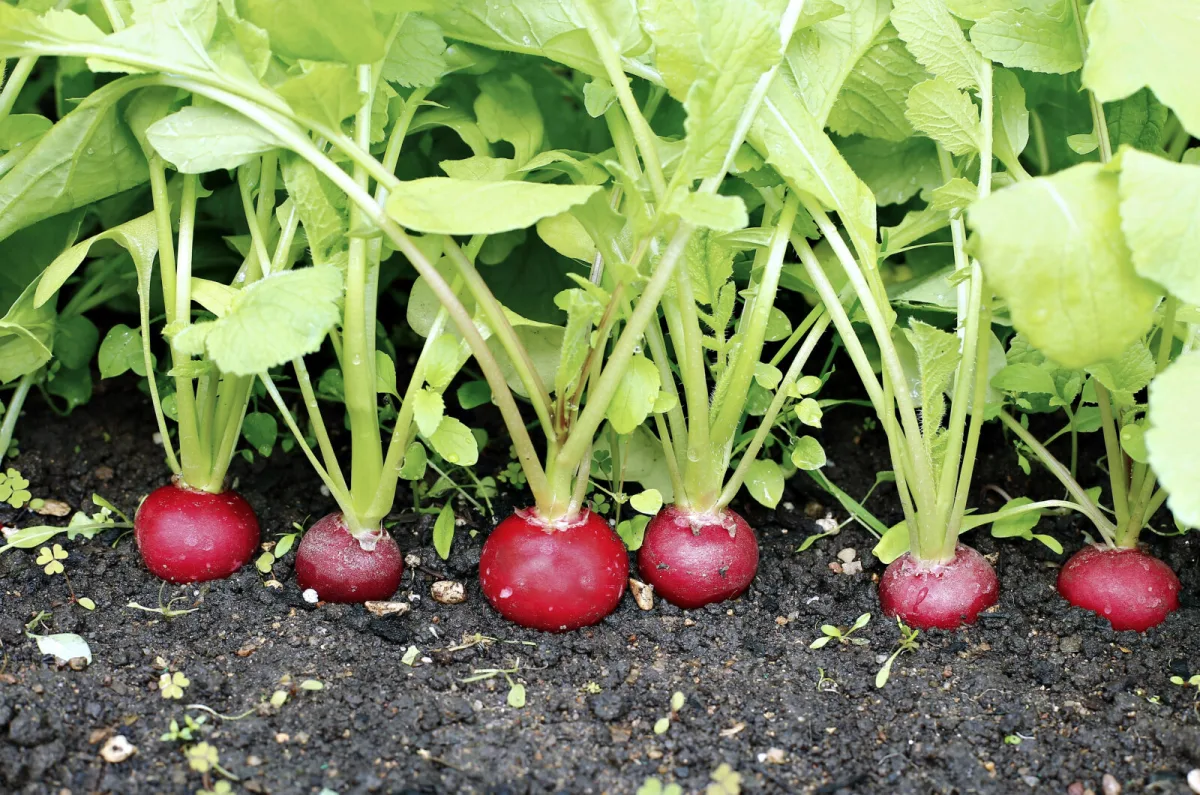
The end of summer doesn’t mean you have to shut down the garden or balcony for months. Autumn can be surprisingly generous if you choose vegetables with a short growing period. They can germinate, grow on, and give you a fresh harvest within a few weeks, before more serious frosts arrive. You can use traditional beds, raised planters, and even simple containers on a windowsill.
Another advantage of autumn growing is less heat stress and often more pleasant time outdoors. With quick-growing crops you don’t need complicated methods, special equipment, or years of experience. What matters is not underestimating light levels, keeping watering consistent, and using a suitable soil that isn’t too heavy or compacted.
Radishes as the quickest route to your own harvest
If you want to see results as soon as possible, radishes are a dependable autumn choice. Many varieties mature very quickly; with the earliest you can start picking the first roots in around two weeks, and typically within a month of sowing. They’re also ideal for pots and window boxes, so even people without a garden can grow them.
Radishes like a sunny spot, lighter soil, and steady moisture. If the compost dries out too much, the roots can turn woody or become hot and pungent. It’s practical to repeat sowing at shorter intervals, say every week or two, so you don’t harvest everything at once. Not only the roots are useful, but also the leaves, which work well in salads or as a base for more robust green mixes.
Leafy greens you harvest little by little
Autumn also suits leafy crops because you don’t have to wait for a full head to form and you can pick as needed. Popular choices include rocket, various loose-leaf lettuces, Swiss chard, or young spinach grown as so-called baby leaves. With rocket, the first cut is often in four to six weeks, and if you snip it gently it will regrow.
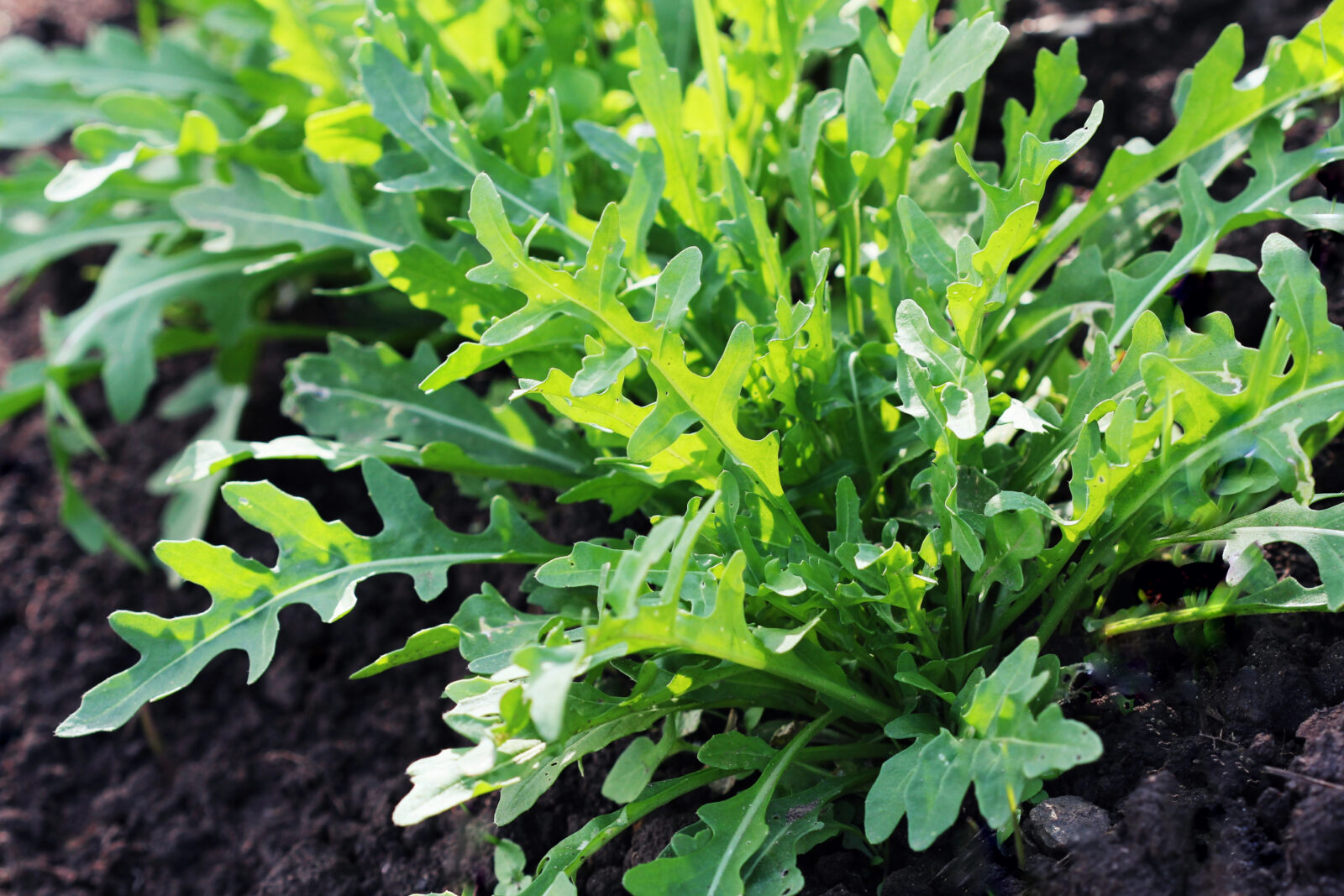
Spinach is very rewarding in containers, because it doesn’t need anything complicated, just even watering and a reasonably fertile compost. It often does well even on cooler days, which makes it ideal for the tail end of the season. With varieties bred for young leaves, you can happily repeat sowing several times to keep a steady supply of fresh greens.
Unusual but fast Japanese salad greens
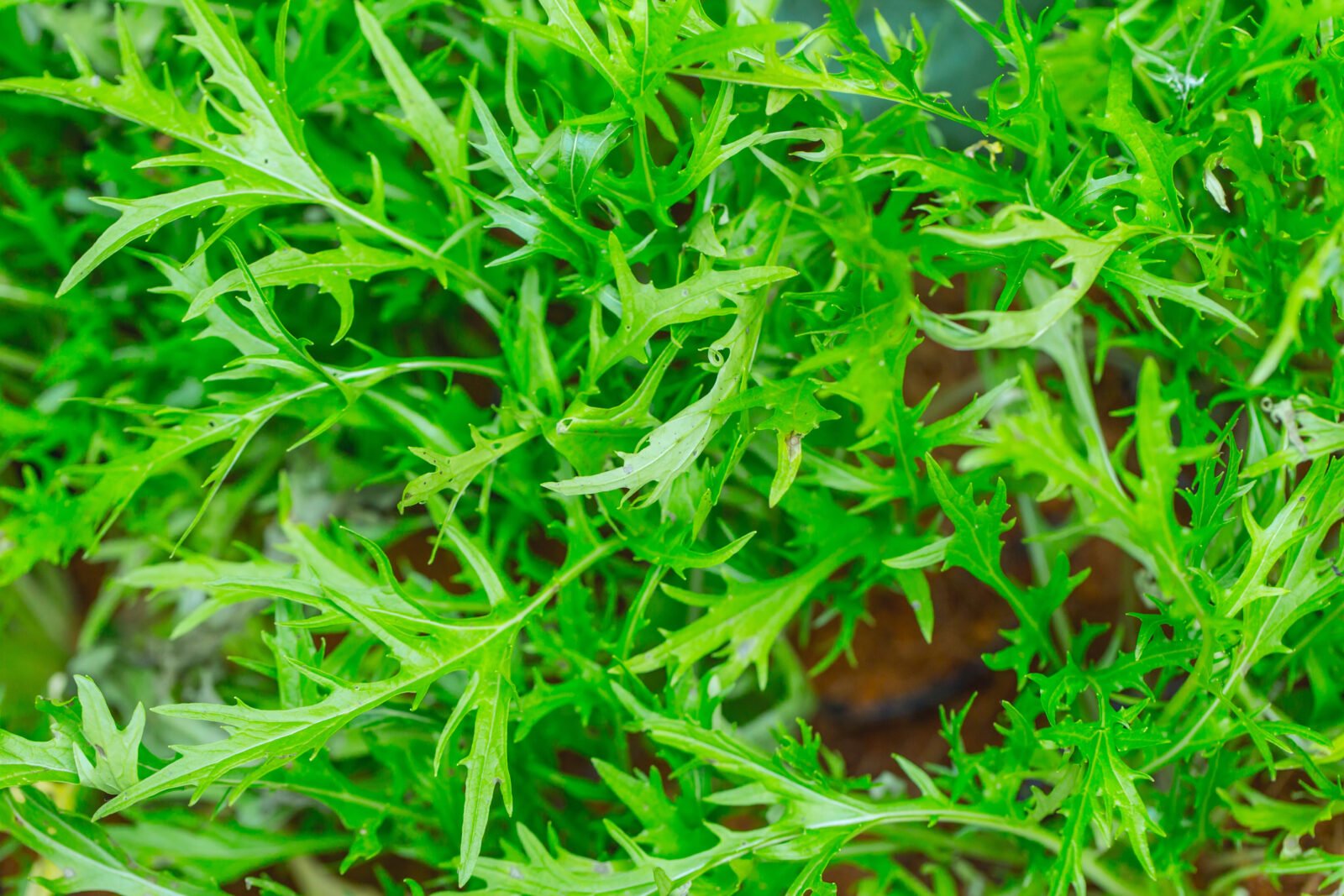
If you want to add variety to an autumn bed, try Japanese leafy greens. Mizuna, mibuna, or pak choi grow quickly and bring a welcome change in flavour from standard lettuce. Mibuna tends to be milder and can be ready to harvest in about four weeks; mizuna usually has a lightly peppery taste, and pak choi is reminiscent of a mix of spinach and crisp stem vegetables.
Another advantage is that they generally cope well with falling temperatures and don’t need much space. That makes them suitable even for smaller containers, where you can harvest leaves gradually and let the plants continue to grow on.
How to get the most from autumn even without much experience
Autumn sowing of quick vegetables is an easy way to avoid leaving beds empty while building a vitamin-rich supply. Many crops can also handle light frosts, so you’ll often extend the season longer than you’d expect. Where you won’t manage a full harvest this year, late sowing can still help by preparing the soil and giving you a head start for early spring.
All you need is good-quality seed, a bit of light, and regular watering, and even at the end of the season you can still harvest something of your own.
The biggest motivation is the first harvest, which arrives quickly. Whether you grow outdoors in the garden or just in a planter on the balcony, home-grown leaves and crisp radishes have a flavour that’s hard to find in the shops. An autumn finale in the garden can be not only practical, but also pleasantly calming.
Source: NKZ, Pestrá zahrada, RHS, Pestrazahrada.cz

A lover of nature, gardens, and everything that moves, blooms, or grows. He literally grows everything, from herbs to rare species, and he enjoys caring for animals just as much. In his work, he connects modern technology with tried-and-tested grandmotherly methods and is happy when both paths lead to the same goal.
Related articles
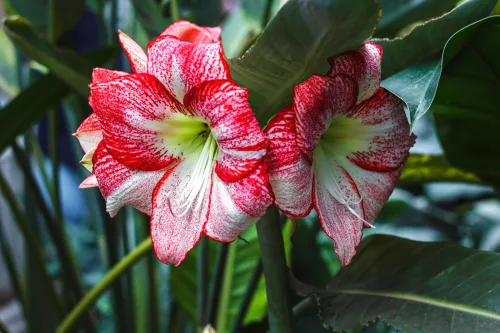
The Christmas Amaryllis That Can Bloom for Years but Most People Throw It Away After Flowering
Hippeastrum is a spectacular winter-blooming bulb that, with the right care, will flower again year after year. Learn how to plant it correctly, look after it after flowering, and bring it into dormancy so it reliably reblooms.
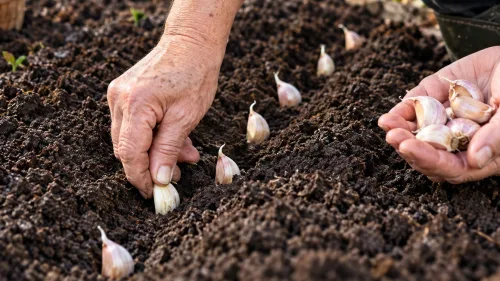
How to Grow Winter Garlic for a Much Bigger Harvest
Autumn planting is the key to strong, healthy winter garlic, but the details make all the difference. With the right timing, bed choice, seed-clove treatment and a simple bicarbonate trick, you can noticeably boost yield.
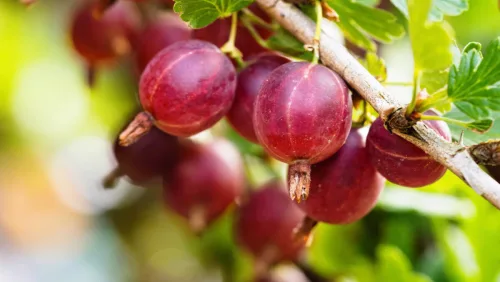
A tree or shrub planted properly in autumn can outpace spring stock and improve fruiting
Many fruit trees and soft-fruit shrubs establish better when planted in autumn, because roots keep growing while the top is dormant. Done well, this head start means stronger spring growth, less watering, and a healthier first year.
Comments (0)
Be the first to comment.