
 English
 Polski
 Deutsch
 Nederlands
 Svenska
 Norsk
 Dansk
 Français
 Italiano
 Español
 Português
 Slovenčina
 Suomi
 Gaeilge
Planting Garlic Has One Rule Most Gardeners Break Right at the Start
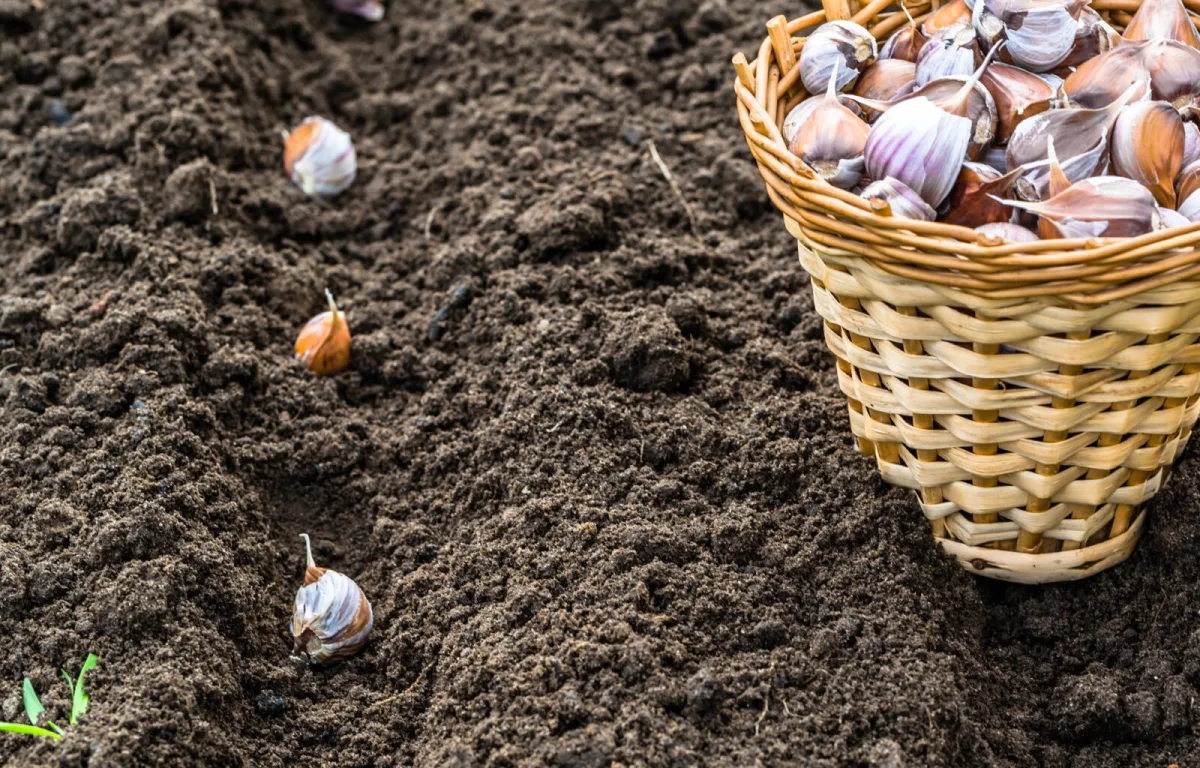
Autumn in the garden doesn’t just mean the end of the season, but also the start of preparations for the year ahead. Even though cucumbers, tomatoes, or strawberries have already disappeared and the beds look calmer than in summer, some crops actually prefer the cool season. A classic example is garlic, which is planted in autumn. If you choose the right timing and follow a few basic rules, you can look forward to vigorous plants in spring and a very respectable harvest.
Soil and air temperature are what matter most
With garlic, the calendar isn’t the main factor, the weather is. It should be planted when temperatures consistently drop below 9 °C. In different parts of the country this can happen at different times, so it’s better to follow real conditions than a date in your diary. Cooler conditions suit garlic and significantly reduce the risk of problems that tend to come with a warm, wet autumn.
Why lower temperature is so important
The main reason is protection from disease. At higher temperatures and in damp conditions, soil fungi develop more easily, including Fusarium. This disease can damage roots during the growing season, weaken the plant, and cause leaves to yellow and the whole plant to wilt. But once it cools below that threshold, the risk of infection drops sharply. That’s exactly why it doesn’t pay to rush planting.
Preparing the bed is the foundation of success
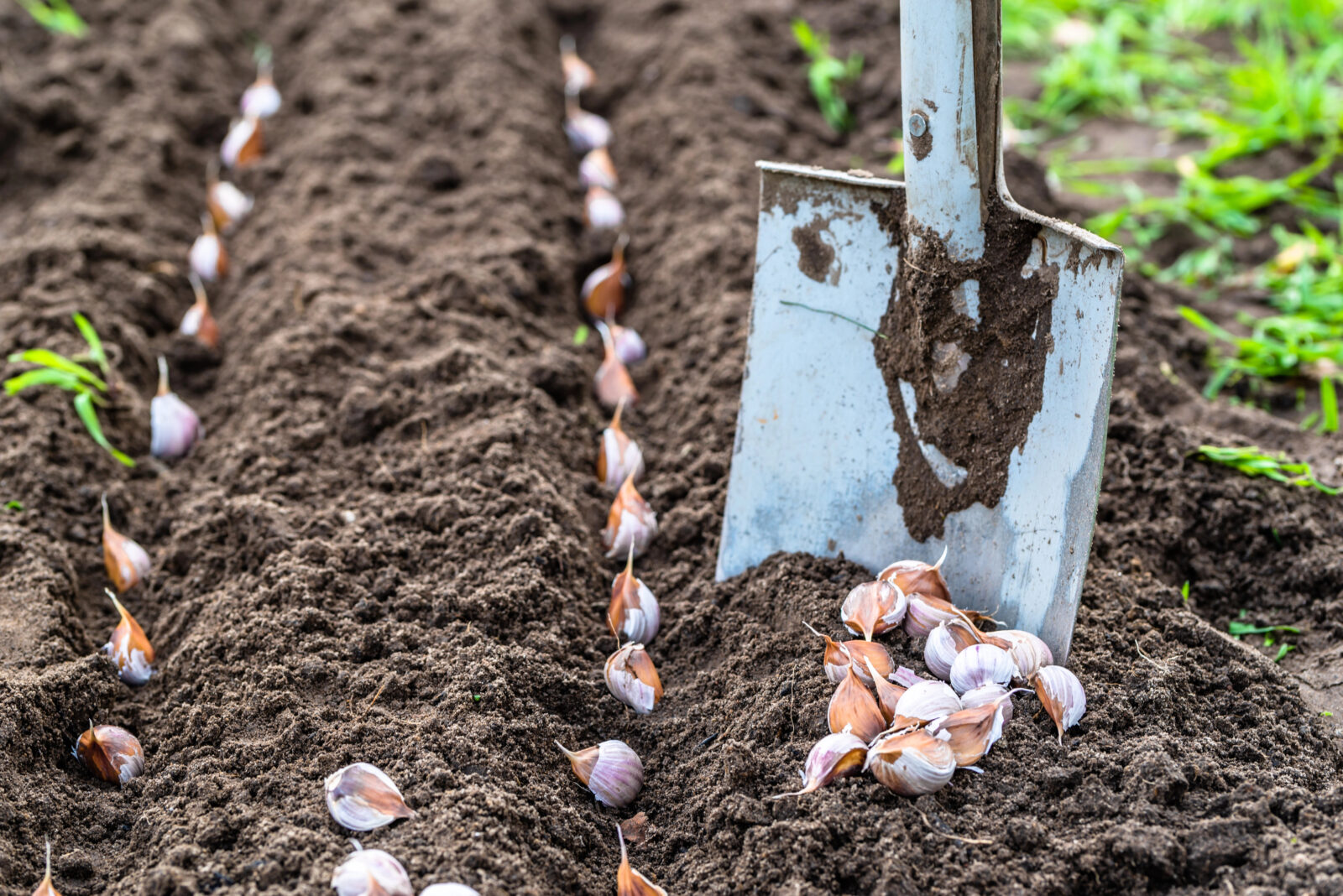
Garlic needs lighter, free-draining soil with plenty of nutrients. Before you start planting, it’s worth preparing the bed thoroughly. Dig the soil to at least 20 cm deep so it’s loose and the roots have enough room. At the same time, work in compost or other good-quality organic matter to improve soil structure and build up nutrients for future growth.
Pay close attention to keeping the bed clean as well. Weeds would unnecessarily steal moisture and nutrients, and young plants would have to compete from the very beginning. A well-prepared, weed-free spot is therefore one of the most important steps in the whole planting process.
How to choose the right cloves
For planting, use only healthy, firm, and as large as possible cloves. They typically produce the strongest plants. After you split the bulb, discard any damaged, soft, or suspicious pieces. The quality of your planting stock has a major impact on the final harvest, so it’s not worth planting just anything simply to fill the bed.
The healthier and larger the cloves you plant, the greater the chance of strong plants and good bulbs at harvest.
Correct planting step by step
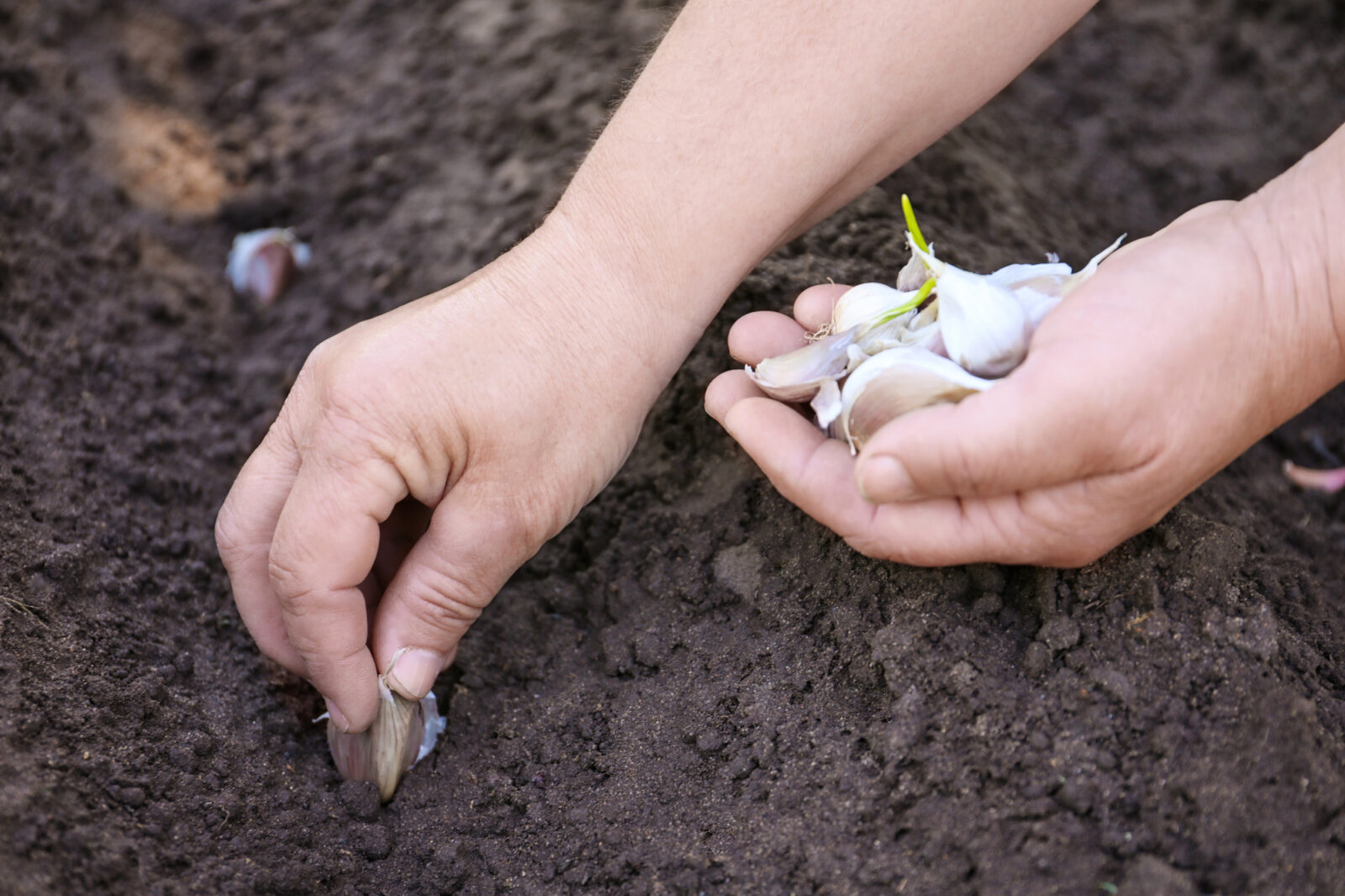
Plant individual cloves with the pointed end facing up. Planting depth should be about 6 cm. Spacing matters too, because garlic planted too tightly develops poorly and is more prone to problems. Leave at least 10 cm between cloves and a minimum of 25 cm between rows. After planting, cover the cloves with soil and lightly level the surface.
What to do after planting
Once planted, garlic doesn’t need complicated care. Through autumn, it’s helpful to lightly loosen the soil from time to time and keep an eye out for weeds returning. Watering is rarely needed, only during a prolonged dry spell. Overwatering, on the other hand, can do more harm than good. Cooler weather also naturally helps limit certain diseases, so autumn care is often easier than at other times of year.
The reward is a strong start in spring
If you plant garlic at the right time, into properly prepared soil and with enough space, it will have an excellent foundation for further growth. In spring it usually gets going quickly, forms strong leaves and roots, and has the potential for a generous harvest. Autumn planting is therefore a simple step that really pays off in the following season.
Source: Garden Betty, Seed to Fork, Pestrazahrada.cz

A lover of nature, gardens, and everything that moves, blooms, or grows. He literally grows everything, from herbs to rare species, and he enjoys caring for animals just as much. In his work, he connects modern technology with tried-and-tested grandmotherly methods and is happy when both paths lead to the same goal.
Related articles
Drought tolerant fruit trees for Czech gardens that handle heat and winter frosts
Warmer summers and longer dry spells are changing what can be grown in Czech gardens. With the right variety and a sunny, sheltered spot, olives, pomegranates and figs can cope with heat, drought and even winter cold.
Thuja hedges are on the way out gardeners are choosing a shrub that shrugs off frost and drought and never looks dull
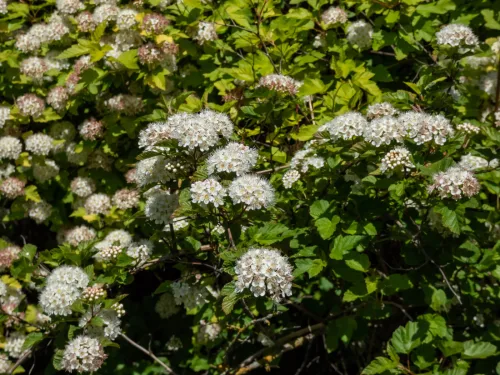
Thuja may be a long-standing classic, but today’s hedges are increasingly built from more varied shrubs that look better through the seasons. One standout choice is ninebark, prized for its toughness, colour and easy care.
Autumn planted grapevines bud earlier the most common mistake happens before they even go in the ground
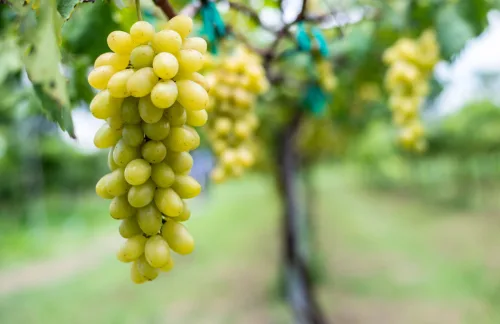
Planting grapevines in November can give them a head start in spring, as roots can still establish in warm soil. Success depends mainly on proper planting depth and reliable winter protection.
Comments (0)
Be the first to comment.