
 English
 Polski
 Deutsch
 Nederlands
 Svenska
 Norsk
 Dansk
 Français
 Italiano
 Español
 Português
 Slovenčina
 Suomi
 Gaeilge
Forget Thuja, This Autumn-Bright Shrub Turns Your Fence into an Orchard and Is Easier to Grow Than Blueberries

If you want more privacy around the house, it’s common to automatically reach for thuja. But there is a far more interesting option that combines ornamental value with a practical harvest. Serviceberry is a shrub that suits a fence line as well as looser plantings, and it offers several advantages through the year. In spring it flowers with delicate white blooms, in early summer it produces sweet fruit, and in autumn it stands out with striking red foliage.
A shrub that’s easy to grow
Serviceberry is still one of the lesser-known fruiting shrubs, yet it’s gradually becoming more popular in our gardens. The reason is simple. It doesn’t need complicated care, copes well with typical conditions, and thrives in a sunny spot in ordinary garden soil. Unlike classic blueberries, it isn’t fussy about special soil composition, so growing it is significantly easier.
Depending on the variety, it can grow as a larger shrub and reach a height of several metres. It works well as a specimen plant, but it also makes an excellent hedge. If you want a heavier crop, it’s better to plant at least two plants.
Ornamental value all year round
What makes serviceberry so valuable is that it doesn’t look good for just one brief period. In early spring it becomes covered in white flowers that feel fresh and elegant. In June, dark berries ripen that resemble blueberries in both shape and flavour, which is why it’s sometimes called the Alaskan blueberry. Then in autumn the leaves turn shades of red, so the shrub draws attention again.
It’s a deciduous, long-lived woody plant that can last for decades in good conditions. What’s more, it can handle even very hard frosts without much trouble, so it’s suitable for colder areas too.
How to plant serviceberry along a fence
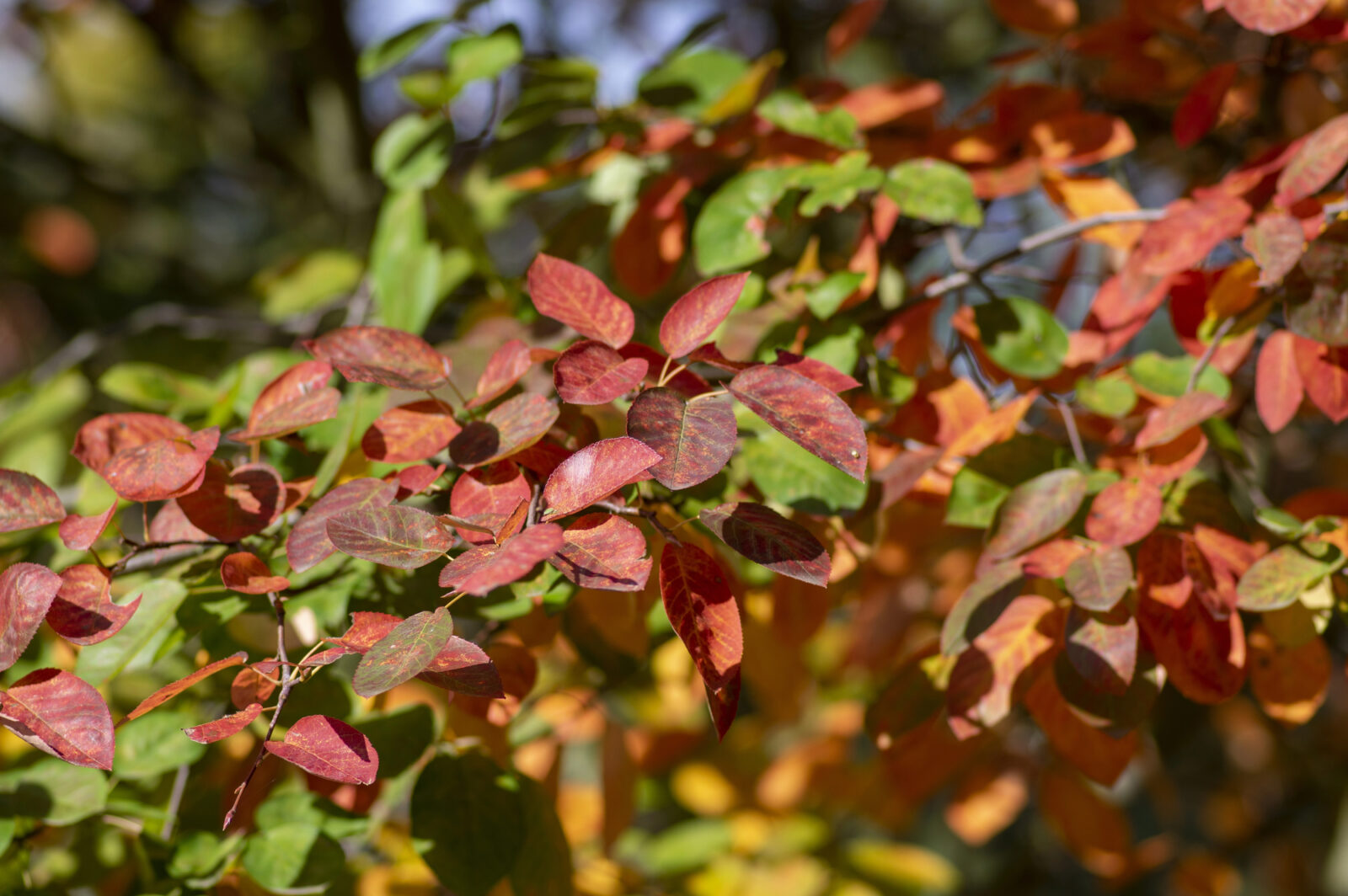
The best time to plant is spring or autumn. It pays to choose a sunny position and to allow for the fact that the shrub also needs plenty of space sideways. If you want to grow it as a hedge, it’s recommended to plant individual shrubs about 70 cm apart.
The planting hole should be large enough, and the plant should go in at roughly the same depth as it was growing in the pot. If the soil is dry, it’s a good idea to pour water into the hole beforehand, and a layer of compost at the bottom can also help. After backfilling, gently firm the soil and water regularly for the first few weeks. Keeping the area weed-free is also important, as is removing any damaged parts of the plant if needed.
Pruning helps create a dense hedge
Serviceberry responds well to pruning, which is a big advantage for hedging. After planting, it’s recommended to cut the young plant back hard to encourage branching. Once the new shoots have grown on, shorten them again, and it’s worth repeating this step one more time. Only after that should you start shaping the plant as required.
Regular pruning at the start of cultivation is exactly what helps create a dense, healthy and compact hedge that will look good and crop well.
Sweet fruit and plenty of uses
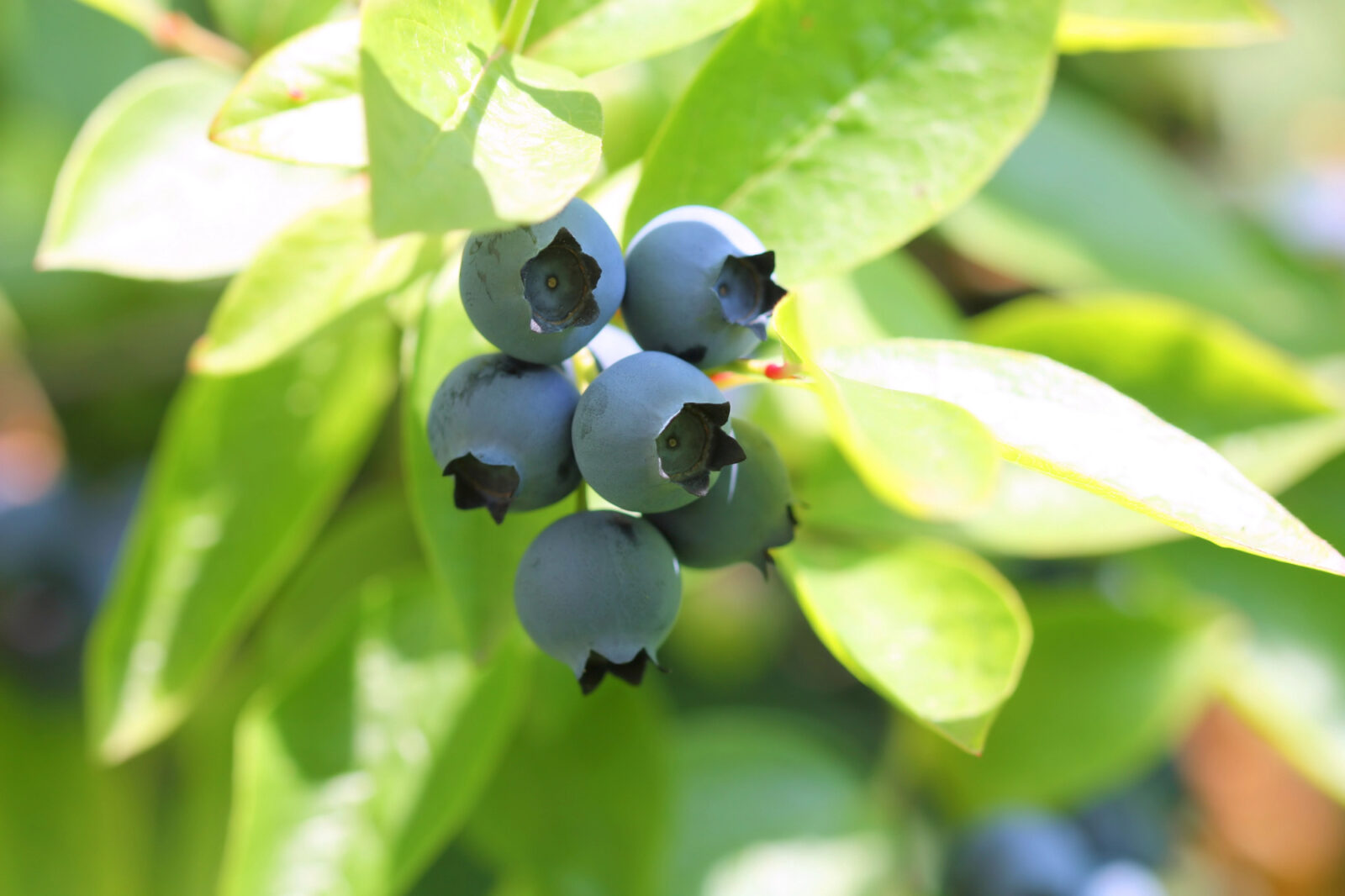
From a single shrub, you can harvest several kilograms of fruit in good conditions. The berries are sweet, tasty and contain vitamins A, B and C. They can be eaten fresh, but they’re also suitable for freezing, drying or preserving. They’re excellent for homemade jams and syrups as well.
So if you’re looking for a hedge that won’t be just a green wall, but will also become an ornament and a source of fruit, serviceberry is a very successful choice. It offers beauty, toughness and usefulness in one plant.
Source: Gardeners World, To je nápad, The Spruce, Pestrazahrada.cz

A lover of nature, gardens, and everything that moves, blooms, or grows. He literally grows everything, from herbs to rare species, and he enjoys caring for animals just as much. In his work, he connects modern technology with tried-and-tested grandmotherly methods and is happy when both paths lead to the same goal.
Related articles
Chrysanthemums die in winter because of a mistake most people make, pruning and a frost-free spot will save them
Chrysanthemums aren’t just for cut flowers: in borders and pots they provide standout colour late in the season. The key to getting them through winter is avoiding cold, wet conditions and giving them the right protection.
Why Experienced Growers Plant Onions in Autumn and Add Wood Ash to the Bed
Planting onions in autumn helps them root well before winter, leading to stronger plants and a heavier crop. Wood ash can also improve soil pH, structure, and overall bed health.
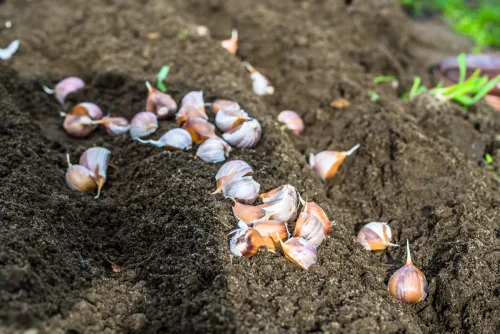
Don’t Plant Garlic in Freshly Dug Soil
For big, firm, strongly flavoured bulbs, garlic needs settled soil, the right planting window, and careful handling of the cloves. A few simple steps from bed prep to drying make the difference between a weak crop and a long-storing harvest.
Comments (0)
Be the first to comment.