
 English
  Polski
  Deutsch
  Nederlands
  Svenska
  Norsk
Norsk  Dansk
Dansk  Français
  Italiano
  Español
  Português
  Slovenčina
  Suomi
Suomi  Gaeilge
 Autumn perennials bloom when everything else is winding down and keep the garden glowing until frost
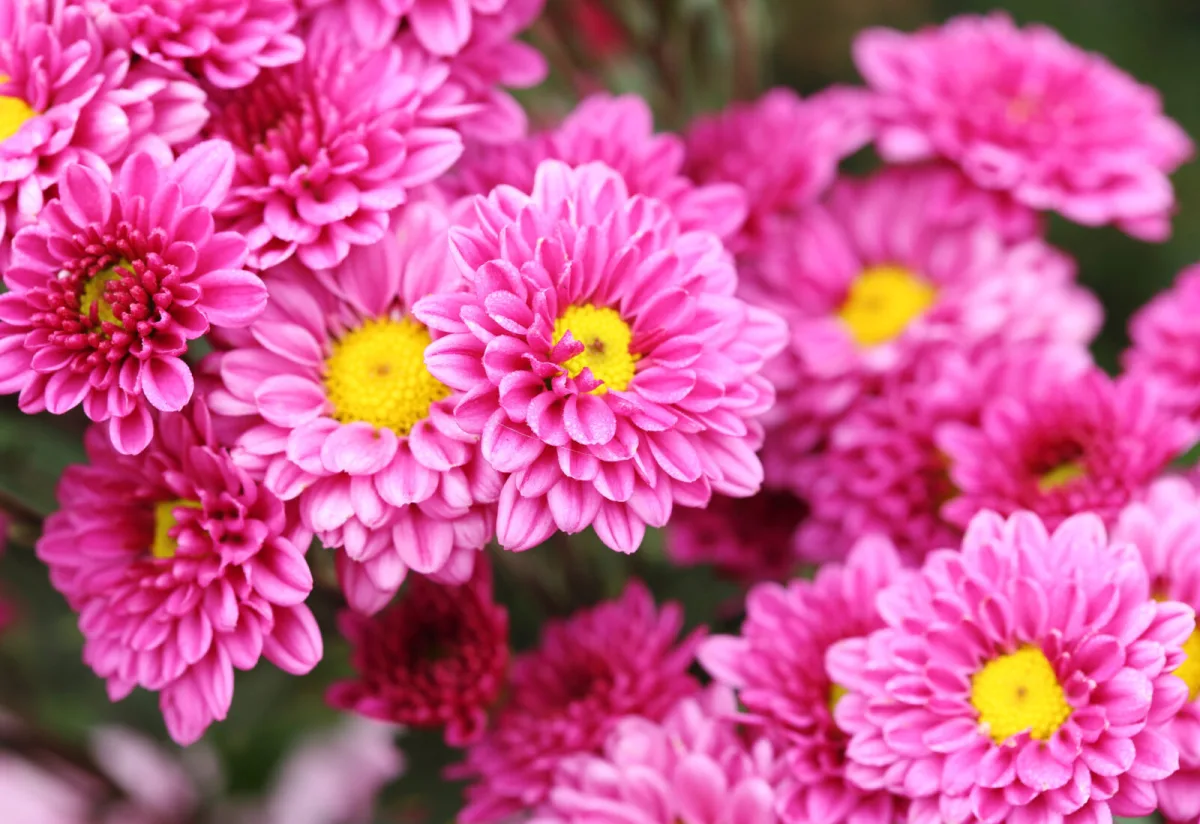
With the arrival of autumn, the garden often loses its summer buzz. Tomatoes, cucumbers and courgettes have finished cropping, and many bedding flowers gradually retreat into winter rest. That doesn’t mean the outdoor space has to feel dull and lifeless. Quite the opposite. There are perennials that come into their own just as other plants are settling down, and they can brighten the garden with surprisingly intense shades right up until frost.
Among the most rewarding autumn beauties are chrysanthemums, dahlias, coneflowers and the delicate Japanese anemone. Each has slightly different needs, but together they can create a vibrant picture that’s a pleasure even on cooler days.
Chrysanthemums as the symbol of autumn flowering
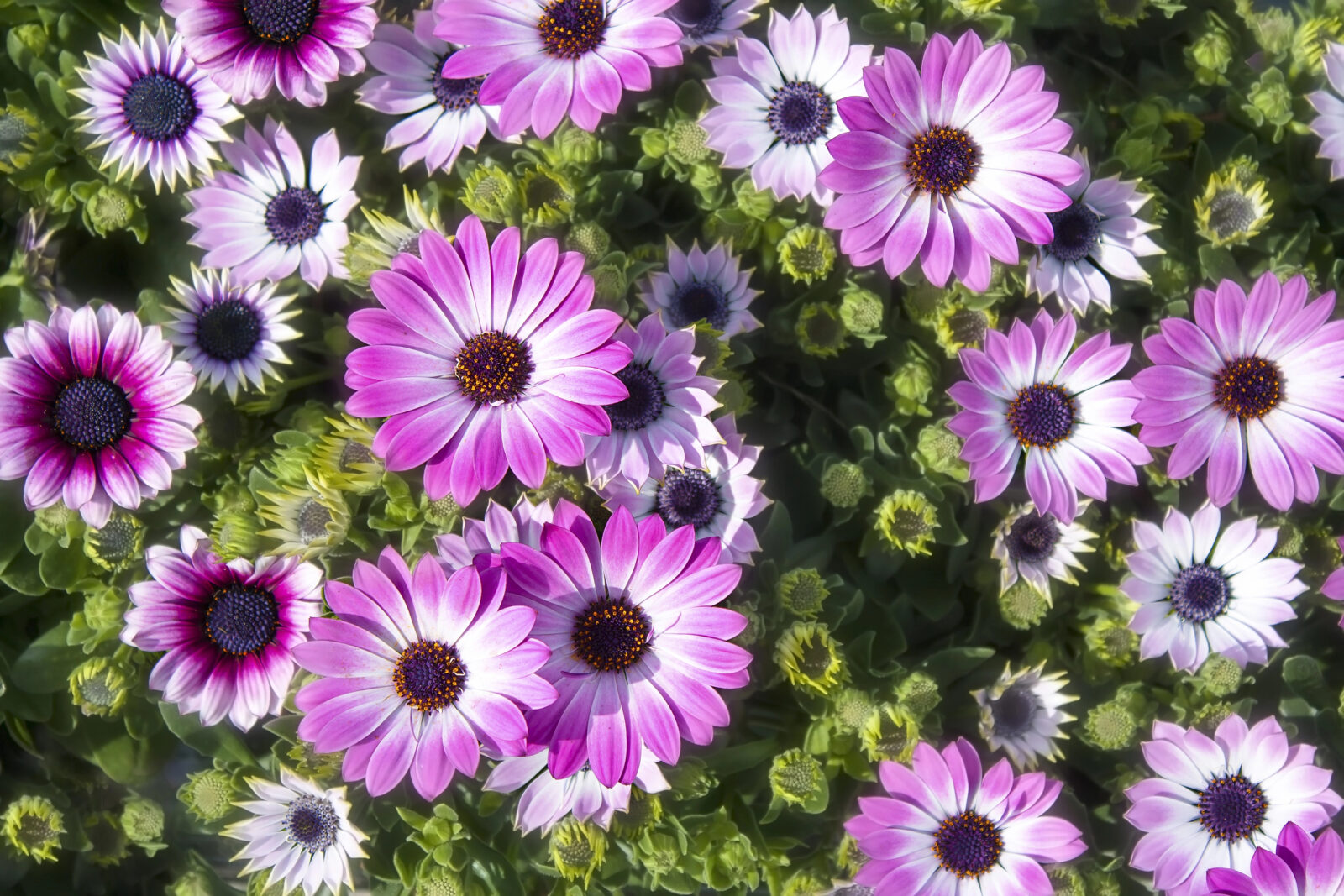
Few plants are as closely linked with autumn as the chrysanthemum. As daylight fades and the morning air turns crisp, it opens masses of blooms in a wide range of colours. From soft, subtle tones to bold yellows, deep wine reds or purples, there’s a choice for every taste.
Chrysanthemums look equally good in borders and in pots, and they bring an instant lift to any space. Their greatest advantage is their flowering time, because they decorate the garden just when colour is in shorter supply. If you want to keep them for another season, give them a bright spot over winter that’s protected from frost. That’s where they can safely ride out the coldest part of the year.
Dahlias shine in the sun until the first frosts
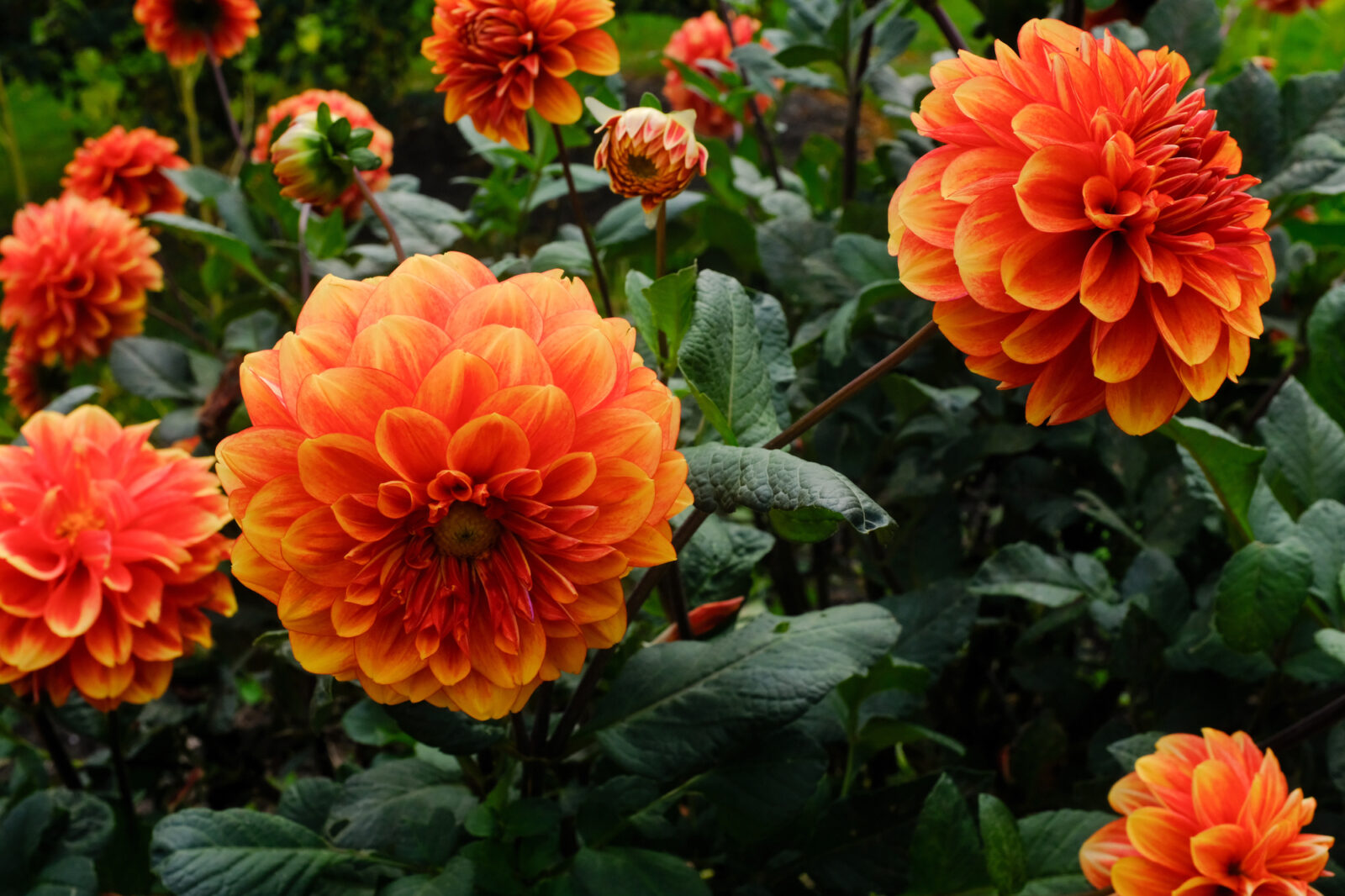
Another standout autumn feature is the dahlia. These plants impress not only with their wide colour range, but also with the variety of flower shapes. They perform best in a sunny position, where the blooms practically glow and look wonderfully festive. On grey autumn days, they’re a valuable source of colour and good spirits.
It’s worth remembering, though, that dahlias can’t tolerate frost. As soon as the first real cold snap arrives, it’s time to think about the tubers. After frost, lift them, remove excess soil and allow them to dry. Then store them in breathable containers in a dry, darker place, where they’ll come through winter without damage.
Coneflowers bring warm tones and food for birds
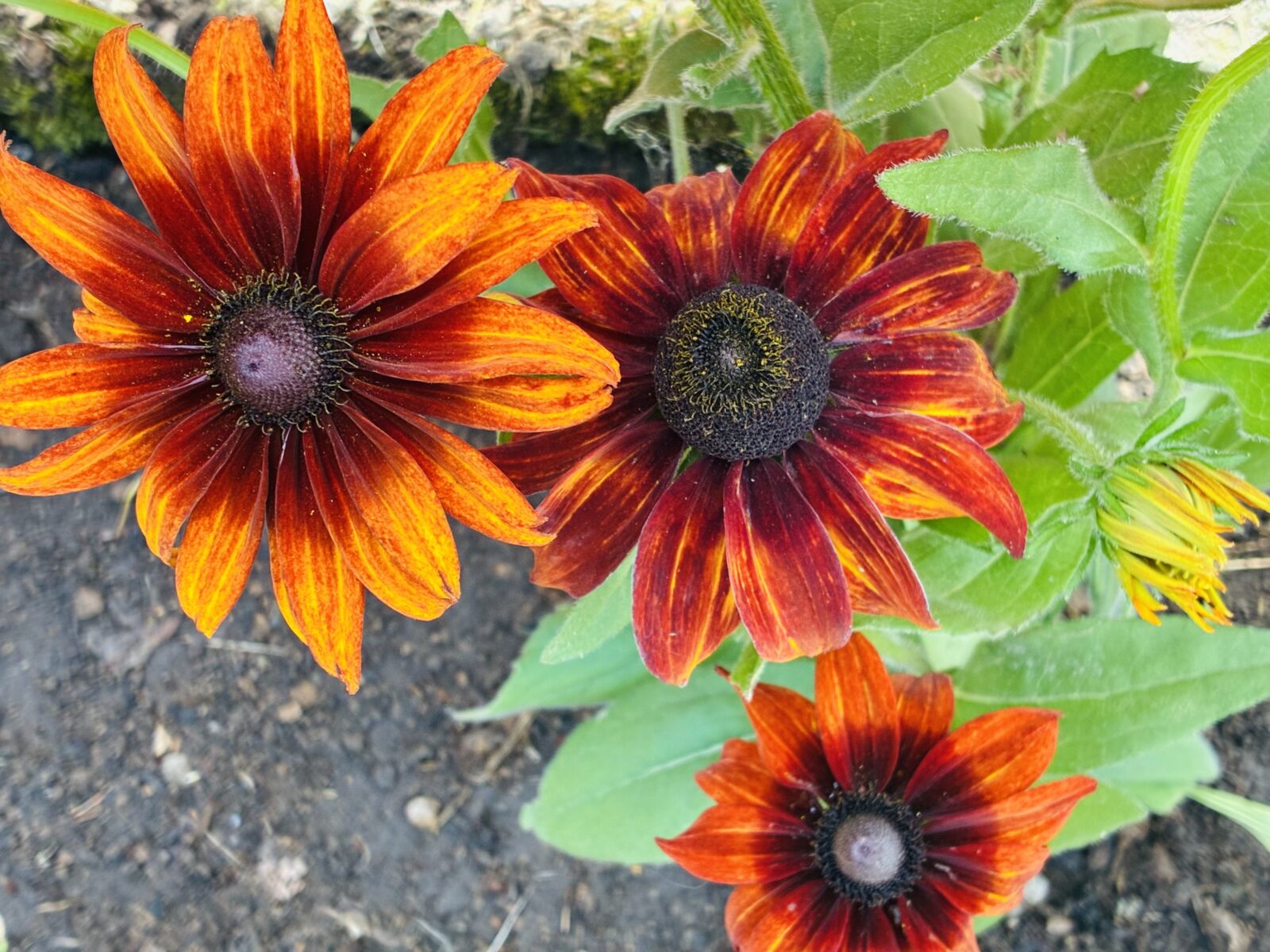
If you’d like your autumn border to feel sunnier, coneflowers are an excellent choice. Their yellow and orange blooms look warm and cheerful, and they contrast beautifully with the cooler atmosphere at the end of the season. What’s more, they can flower right through to the end of October, so they keep the garden lively for a long time.
Before winter, they benefit from a light layer of protection such as leaves or evergreen boughs. Another interesting point is that you don’t always need to deadhead them. If you leave the spent flowers to dry on the plant, they form dark centres filled with seed. Those seeds then become a welcome food source for small birds. Your garden stays useful not only for you, but for local wildlife too.
Japanese anemone brings a softer touch to the border
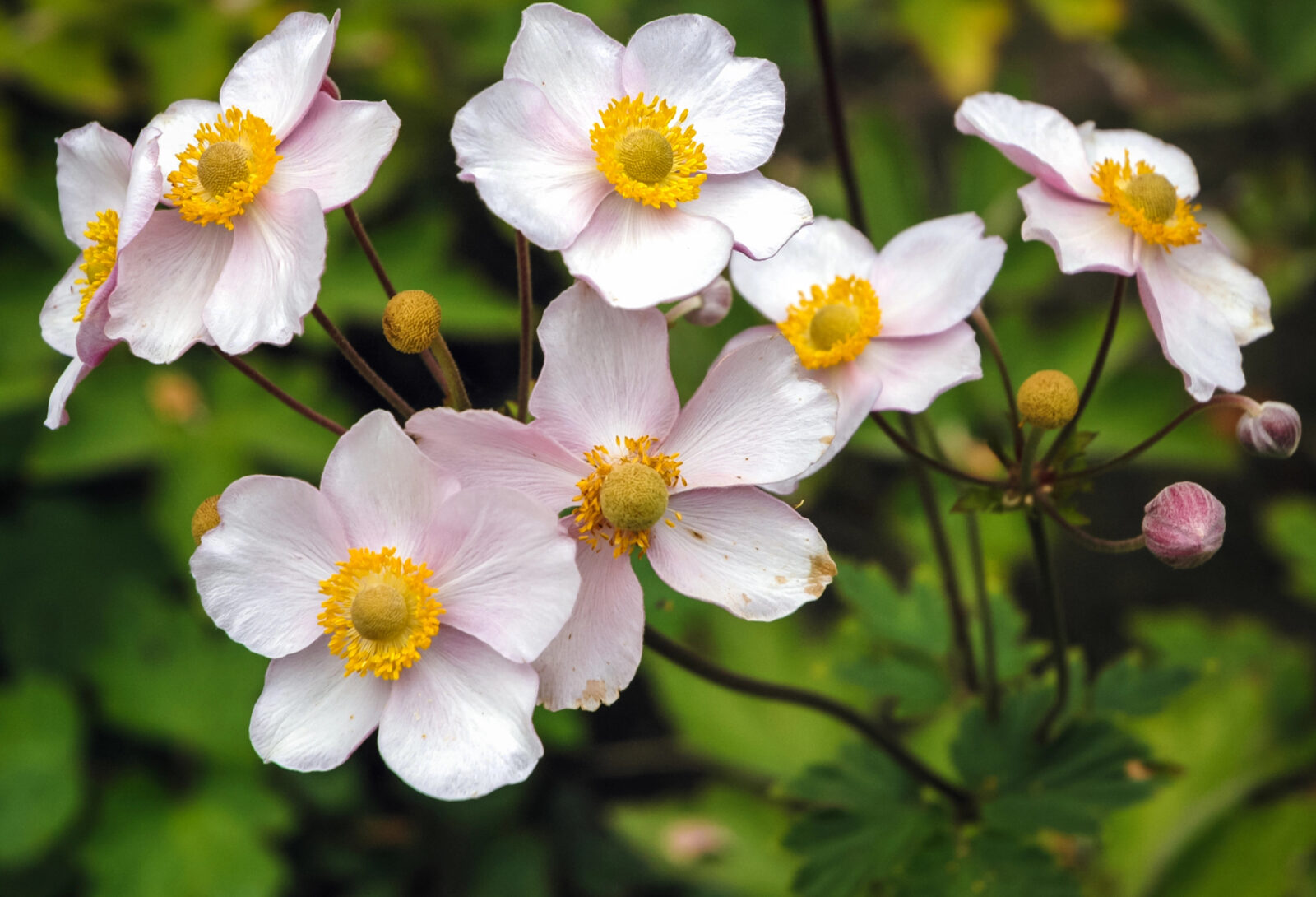
Alongside rich, showy flowers, autumn also has room for something more delicate. Japanese anemone brings a light blush-pink tone and looks beautifully elegant. It’s ideal wherever you want a calmer, softer feel.
Unlike many other flowering perennials, it doesn’t need full sun. It thrives best in partial shade or shade, which makes it especially valuable for spots where other autumn flowers don’t perform as well. It blooms right up to the first hard frosts. To help it cope with winter, cut it back in autumn and cover the surrounding area with a layer of mulch.
How to keep the garden beautiful at the end of the season
An autumn border doesn’t have to look like the leftovers of summer. If you choose the right perennials, you’ll get a second wave of flowering that can be just as striking as the summer display. Bold chrysanthemums and dahlias are complemented by warm-toned coneflowers, with Japanese anemone softening the whole picture. The result is a garden that doesn’t lose its charm even in September and October.
Autumn is often seen as a time of slowdown, but well-chosen perennials prove the garden can stay full of colour right up to the first frosts.
All it takes is basic care, some thought for winter protection, and making the most of their strengths. Then the end of summer won’t mean the end of a beautiful garden, but simply the start of a new, calmer, yet still wonderfully colourful chapter.
Source: Garden Design, Hobby Farms, Pestrazahrada.cz

A lover of nature, gardens, and everything that moves, blooms, or grows. He literally grows everything, from herbs to rare species, and he enjoys caring for animals just as much. In his work, he connects modern technology with tried-and-tested grandmotherly methods and is happy when both paths lead to the same goal.
Related articles
Homegrown Physalis Tastes Better Than Store Bought But Green Fruit Can Be Toxic
Cape gooseberry (Physalis peruviana) rewards you with aromatic, sweet-tart fruit when grown in a sunny, sheltered spot. Learn how to raise plants from seed, care for them, and why unripe green fruit should never be eaten.
Never prune a walnut tree in spring
English walnut is a magnificent, long-lived tree, but timing matters—spring pruning can cause heavy sap bleeding and slow healing. Learn the right site, spacing, feeding, harvesting, and pruning window for a healthy crop.
Autumn asters turn the garden into a haven for pollinators
Autumn asters light up borders in September and October with clouds of colour while offering vital nectar and pollen when many other plants have finished. Chosen well, they’ll keep feeding pollinators right up to the first proper frosts.
Comments (0)
Be the first to comment.