
 English
  Polski
  Deutsch
  Nederlands
  Svenska
  Norsk
Norsk  Dansk
Dansk  Français
  Italiano
  Español
  Português
  Slovenčina
  Suomi
Suomi  Gaeilge
 A tree or shrub planted properly in autumn can outpace spring stock and improve fruiting
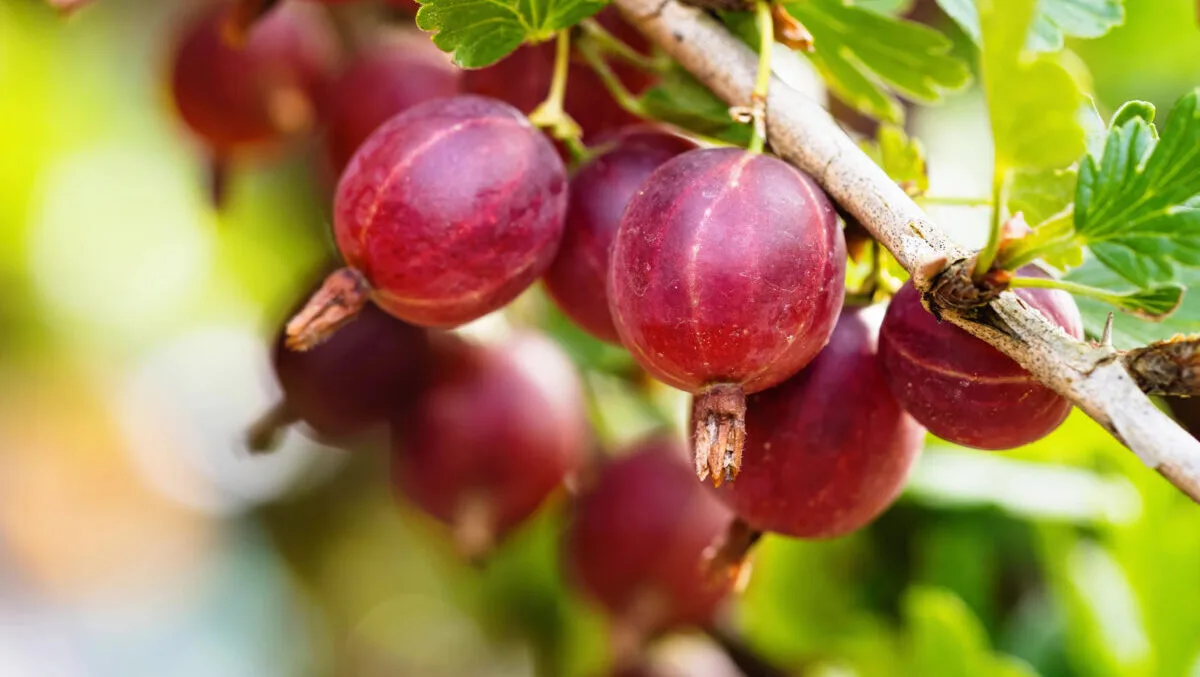
Many people put off planting fruit trees until spring, even though autumn is the better option for a number of species. A young tree planted in October or November gains valuable extra time that spring stock is still trying to catch up on. While the above-ground part of the plant rests after leaf fall, important work continues below the surface. Roots keep growing, anchoring into the soil and preparing the tree for a fast start next season.
In autumn, the soil holds its warmth longer than the air. Until it freezes hard, fine feeder roots can continue developing and gradually create good conditions for taking up water and nutrients. That is the main reason autumn-planted trees tend to be in better shape in spring and usually suffer less during the first dry weeks.
Roots keep working even during dormancy
Deciduous woody plants enter a resting phase after dropping their leaves, but the root system does not follow the same timetable as branches and buds. The ground beneath the tree cools slowly, and conditions within it remain favourable for a long time. If the surface is covered with mulch or later with snow, the root zone holds onto warmth even longer.
This means a tree planted in autumn can, before winter, make contact with the surrounding soil, start managing moisture more effectively, and form a network of fine roots. In spring it doesn’t enter the season weakened by transplant shock, but ready to grow. By contrast, spring-planted stock must first establish roots and only then cope with bud break and higher water demand.
Which fruit species benefit most from autumn planting
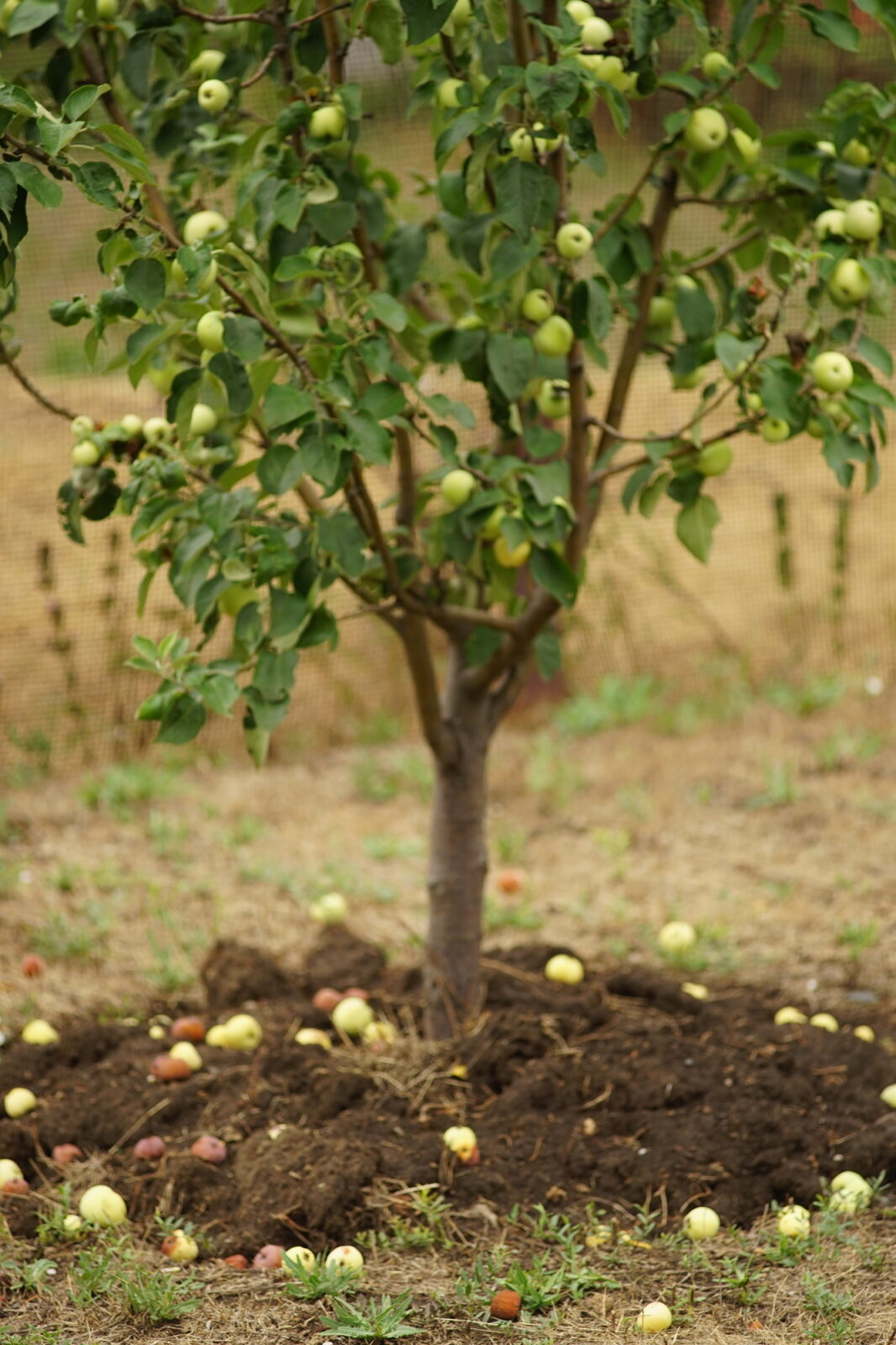
The best results from autumn planting are mainly seen with pome fruits and with the more resilient stone fruits. Apples and pears establish very well this way and are among the most reliable choices for planting from mid-October to the end of November. Plums, damsons, sweet cherries and sour cherries can also respond well, provided they are planted early enough and in a suitable spot.
The same principle applies to many soft-fruit shrubs. Currants, gooseberries, jostaberries and raspberries are commonly sold bare-root in autumn and, when planted correctly, root in well. As a result, they get into growth faster in spring and the grower usually spends less time watering.
When it’s better to wait until spring
Not every species tolerates autumn planting equally well. More sensitive, warmth-loving trees such as peaches and nectarines are often more at risk from winter damage than hardier fruit trees. In colder areas they may suffer frost injury badly enough that it is safer to plant them in spring. Caution is also often advised for apricots and almonds, especially at higher elevations.
Autumn planting is not a universal rule for every woody plant. With cold-sensitive species, it is always wise to take local conditions into account, including elevation and the hardiness of the specific cultivar.
A cheaper option can also be highly effective
Another reason people buy trees in autumn is price. Bare-root plants are often noticeably cheaper than container-grown ones. If you are buying several, the difference can quickly add up; with a larger planting it becomes a significant saving. With good handling, their establishment does not have to be any worse.
So the advantage is not only a biological head start, but also savings at the point of purchase. This is especially appealing for anyone starting an orchard, renovating an older garden, or planting several species at once.
How to plant a young tree correctly before winter
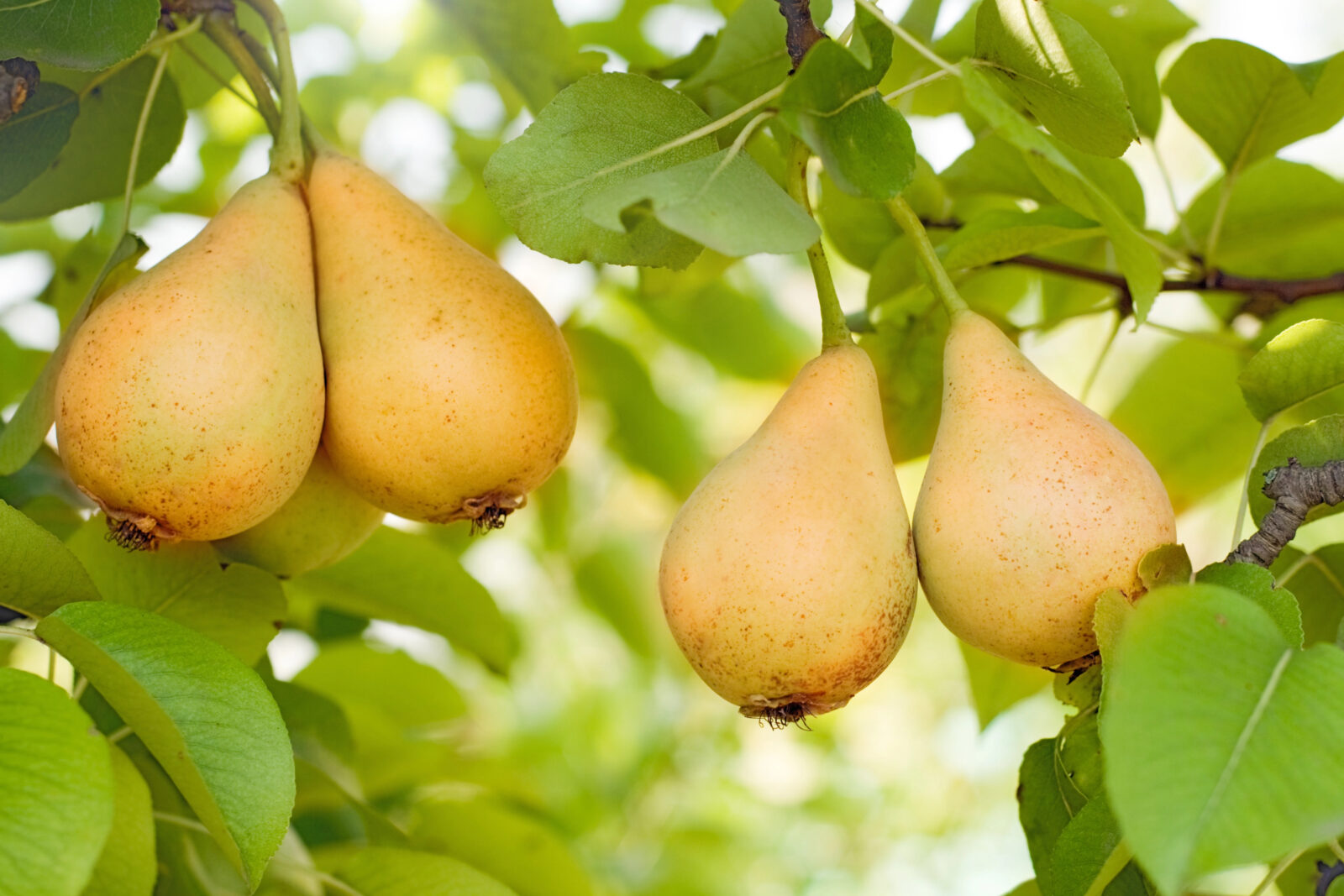
Successful autumn planting depends on a few key principles. Roots must not dry out after purchase, so it is best to soak them in water as soon as possible and protect them from wind and sun. The planting hole needs to be large enough that the roots are not bent or cramped. Loosen the soil well and mix in mature compost.
Before placing the tree in the hole, it is sensible to put in a support stake. This helps prevent root damage. Correct planting depth is also crucial. The graft union should remain above ground level; otherwise you risk poor establishment and problems with later growth.
After backfilling, firm the soil and water thoroughly. A layer of mulch around the trunk helps retain moisture and slows soil freezing. If autumn is dry, it pays to water again before hard frosts arrive. For young trees with thin bark, trunk protection can also help against the repeated cycle of winter sun and frost.
At higher elevations, timing is everything
In areas where prolonged frosts arrive early, you need to act promptly after leaf fall. The planting window is shorter there, and each extra week can decide whether the tree has time to root before winter. In such places, a thicker mulch layer and closer attention to soil moisture are especially helpful.
Autumn planting, then, is not just a traditional gardening habit, but a considered step that can give a young tree a better start, reduce reliance on watering, and increase the chance of healthy growth in the first year after planting.
Source: Groown, Garden Betty, Home Crux, Pestrazahrada.cz

A lover of nature, gardens, and everything that moves, blooms, or grows. He literally grows everything, from herbs to rare species, and he enjoys caring for animals just as much. In his work, he connects modern technology with tried-and-tested grandmotherly methods and is happy when both paths lead to the same goal.
Related articles
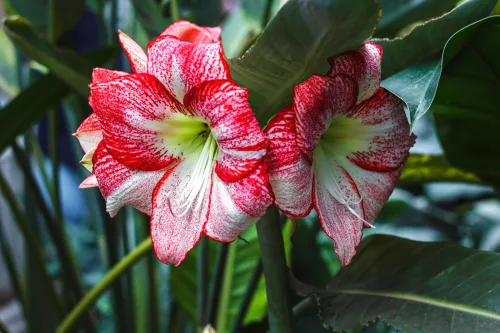
The Christmas Amaryllis That Can Bloom for Years but Most People Throw It Away After Flowering
Hippeastrum is a spectacular winter-blooming bulb that, with the right care, will flower again year after year. Learn how to plant it correctly, look after it after flowering, and bring it into dormancy so it reliably reblooms.
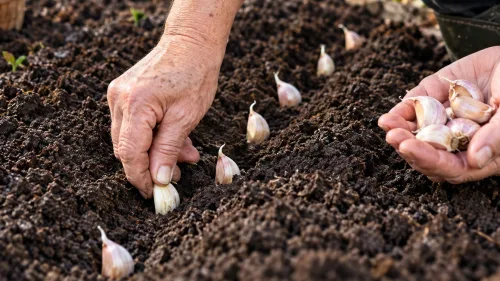
How to Grow Winter Garlic for a Much Bigger Harvest
Autumn planting is the key to strong, healthy winter garlic, but the details make all the difference. With the right timing, bed choice, seed-clove treatment and a simple bicarbonate trick, you can noticeably boost yield.
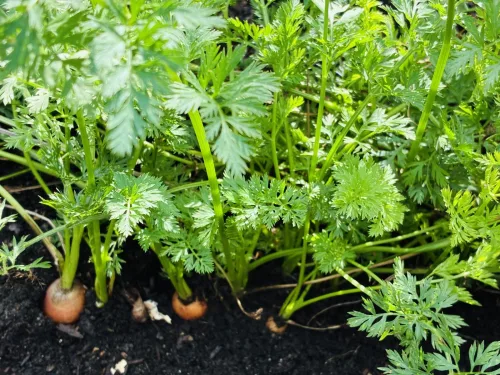
Three Steps That Decide Whether Your Carrots Will Be Straight and Sweet
Carrots are easy to grow, but a few key decisions make all the difference to straight, sweet roots. Choose the right variety, prepare the soil properly, and sow thinly for a steady, trouble-free harvest.
Comments (0)
Be the first to comment.