
 English
 Polski
 Deutsch
 Nederlands
 Svenska
 Norsk
 Dansk
 Français
 Italiano
 Español
 Português
 Slovenčina
 Suomi
 Gaeilge
Seven plants that turn tired window boxes into an autumn display and shrug off frost
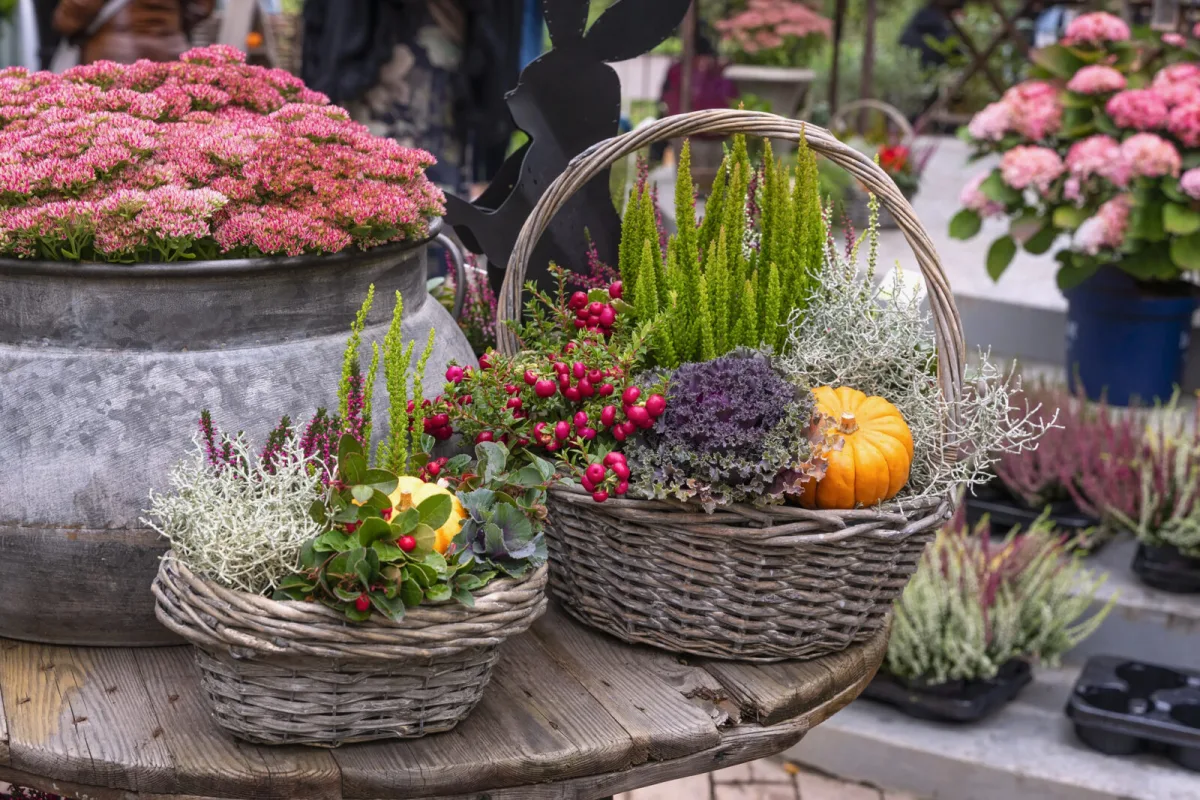
With shorter days and cooler mornings, it’s the perfect moment to turn summer window boxes into an autumn-ready display. Plantings that looked lush and generous in summer often start to seem tired, overgrown or uneven. That’s exactly why it pays to refresh your boxes, either completely or by topping them up with plants that naturally suit autumn in colour, texture and toughness.
Autumn offers an exceptionally rich palette of shades. Deep wine, gold, orange, brown, dark green and purple tones really come into their own. Beyond the plants themselves, you can enhance the look of the window box with natural extras from the garden, such as conifer sprigs, berry stems, dried seed pods, pine cones or small pumpkins. The result can be a striking arrangement that stays attractive even after the first light frosts.
Basic rules for autumn window boxes
When planting up a window box, it’s worth sticking to the tried-and-tested formula: a tall feature plant, a filler, and a trailer. The tallest plant provides the main focal point and is placed in the centre or towards the back. Around it, plant lower, denser varieties to fill the space and tie the planting together. Along the edges, trailing or softly cascading plants help soften the whole arrangement.
In autumn, it makes a lot of sense to choose plants that tolerate lower temperatures and don’t collapse at the first chill. Both perennials and seasonal plants work well, especially those valued for foliage or late flowers. If you live in a milder winter area, your options are even wider and you can also use succulents or other more warmth-loving plants.
Plants in an autumn window box can be positioned fairly close together. By late season they usually won’t put on much more growth, so tighter planting is fine and actually looks fuller. You can plant straight into fresh compost, or leave some plants in their nursery pots if you mainly want a quick decorative effect.
Autumn care is easier than summer
Autumn window boxes generally don’t need as much attention as summer containers. With cooler temperatures and less evaporation, daily watering usually isn’t necessary unless you’re having unusually warm weather. More frequent checks are only needed for plants left in small nursery pots, as their root balls dry out faster.
Feeding is usually unnecessary at the end of the season. More important is removing spent flowers and damaged leaves to keep the box looking tidy. Perennials you use temporarily in containers can be planted out in the garden after the season, where they have a chance to establish and carry on next year.
Seven plants that transform an autumn window box
Asters
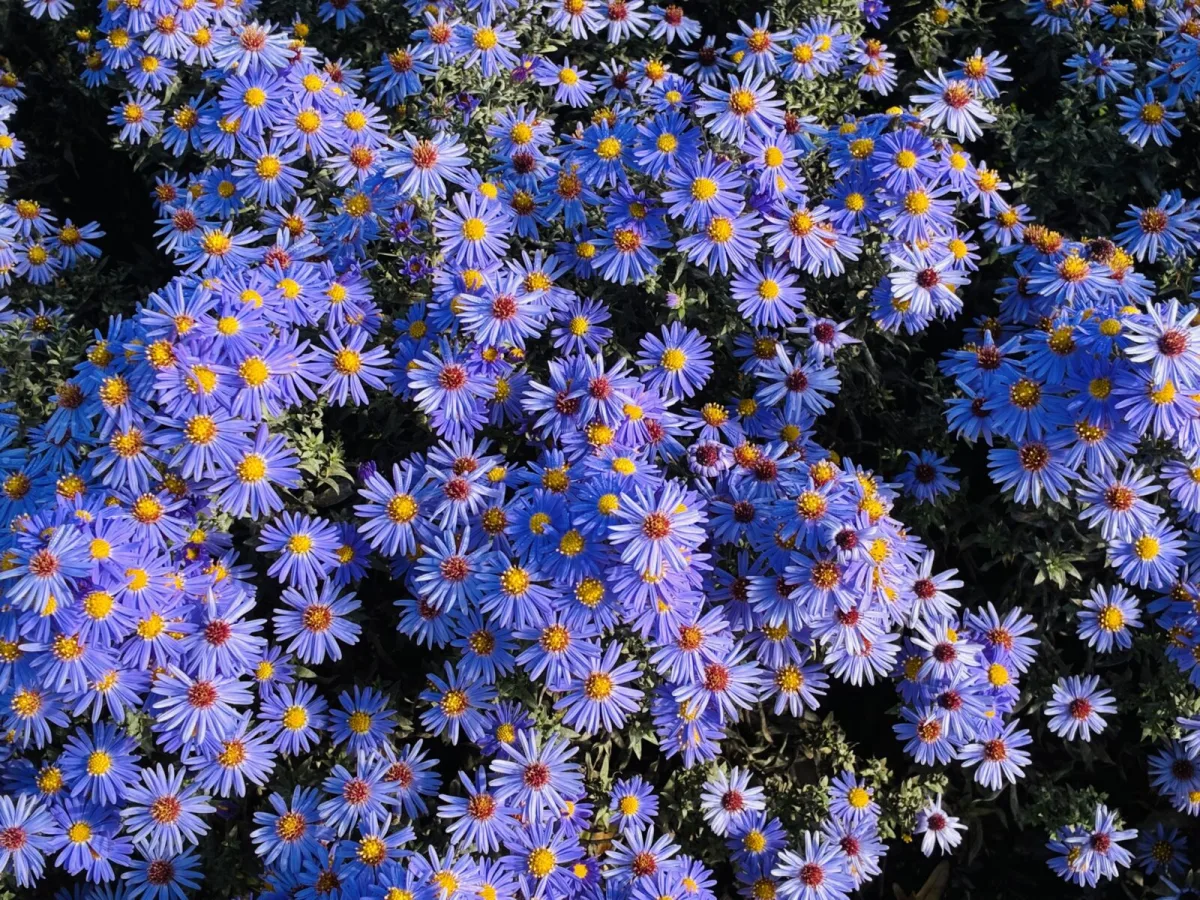
Asters are among the most rewarding autumn plants because they bring strong colour at a time when many others are winding down. Their flowers resemble small daisies and come in shades of purple, pink, white and blue. They bloom from late summer right up to frost, keeping a window box lively for a very long time.
Taller varieties work well as the main feature plant, while compact types neatly fill gaps between other plants. They perform best in sun or light partial shade and appreciate even moisture. In addition to their ornamental value, they’re also useful for pollinators, which makes them a practical as well as a beautiful choice.
Chrysanthemums
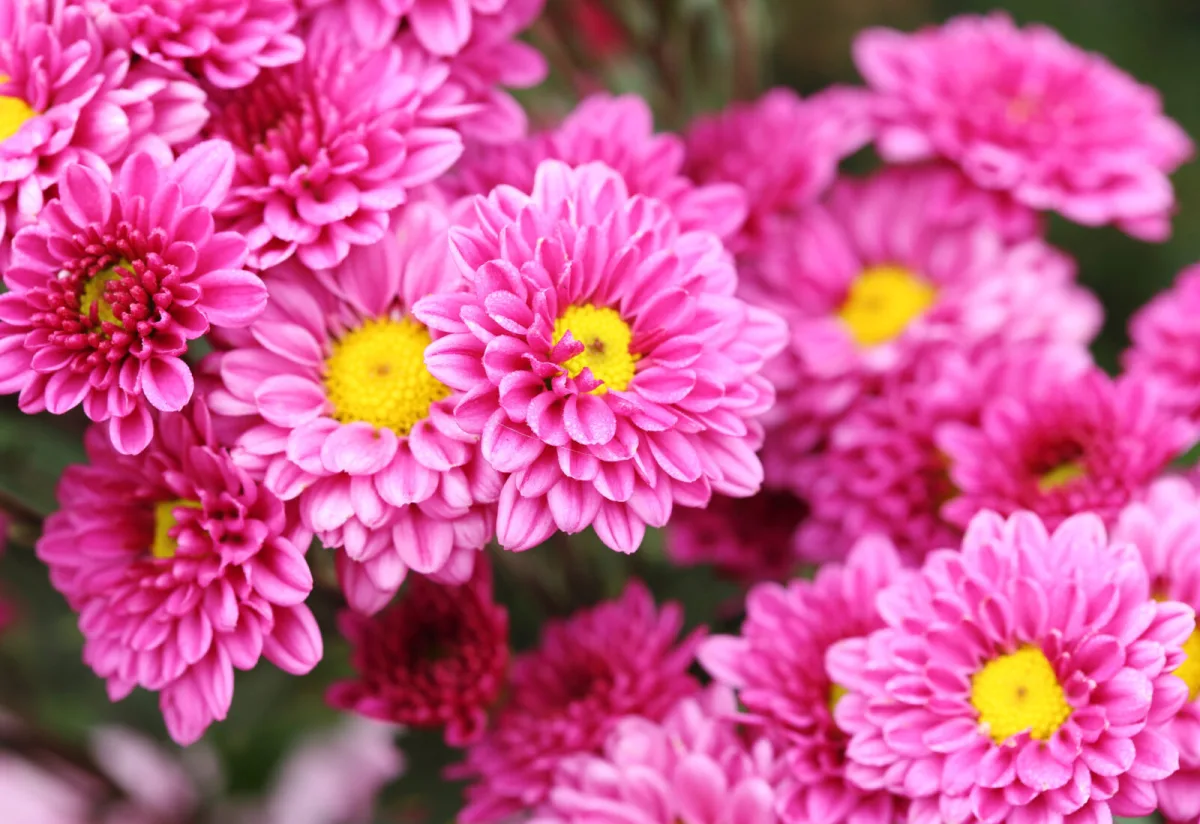
Chrysanthemums are probably the plants most closely associated with autumn. They offer a wide range of colours, from rich yellow through orange and deep wine-red to pink, white and purple. In window boxes they look wonderfully festive and quickly create a full, abundant effect without complicated combinations.
When buying, it’s best to choose plants with most of the buds still closed. They’ll flower longer and keep their fresh look for longer. Water at the base and avoid wetting the flowers and foliage unnecessarily. Regularly removing spent blooms will also extend their attractiveness.
Blanket flower
Blanket flower stands out with bold, two-tone blooms in red and yellow, bringing warmth and energy to autumn window boxes. Some cultivars also offer deeper wine shades or pure golden colouring. That makes it easy to pair with grasses, ornamental cabbages and chrysanthemums.
Depending on height, you can use it as a feature plant or as a supporting accent. It does best in full sun and free-draining compost. It’s a plant that looks lively and cheerful without demanding much maintenance.

Heuchera
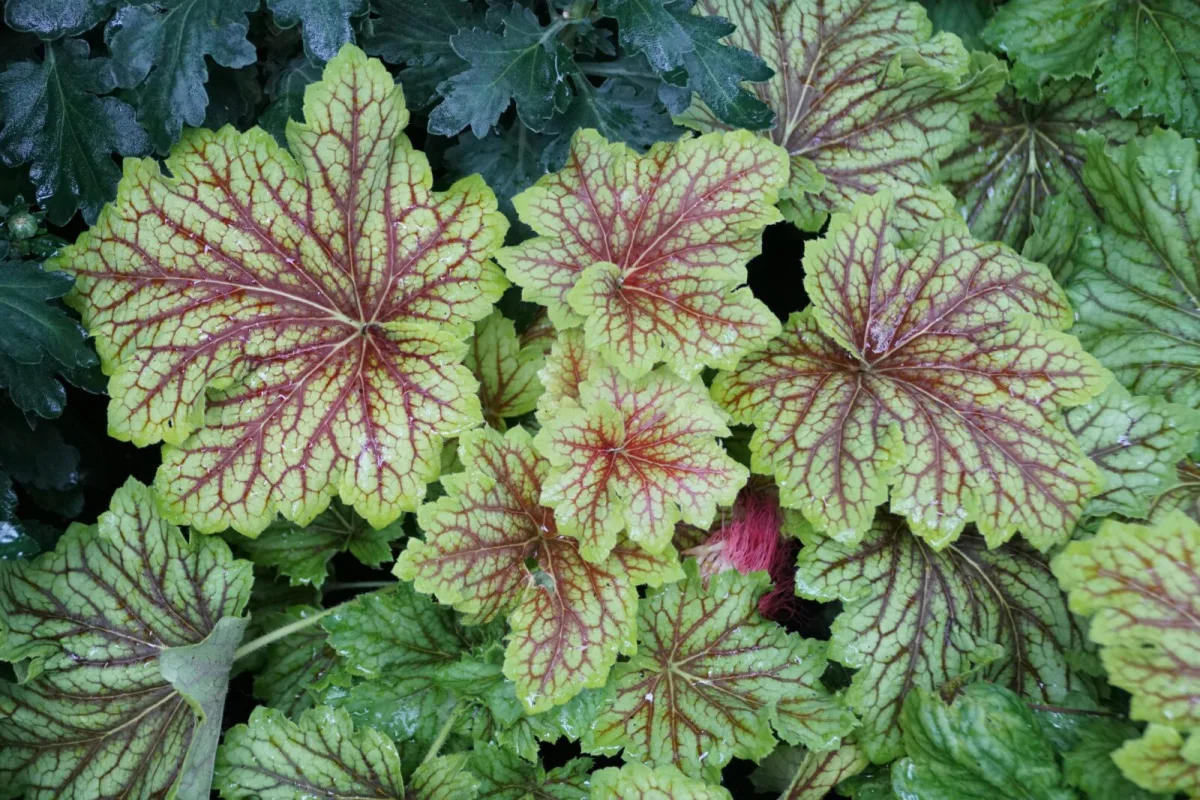
If you want your window box to look interesting even without masses of flowers, heuchera is an excellent choice. Its main appeal is the foliage, available in a huge range of colours. You can choose from wine-red, orange, red, lime, silvery tones and even near-black.
Heuchera works as a filler plant that bridges more brightly flowering species and adds depth to the whole arrangement. It performs best in partial shade and in moist but well-drained soil. In an autumn window box it’s valuable precisely because it stays decorative throughout thanks to its leaves.
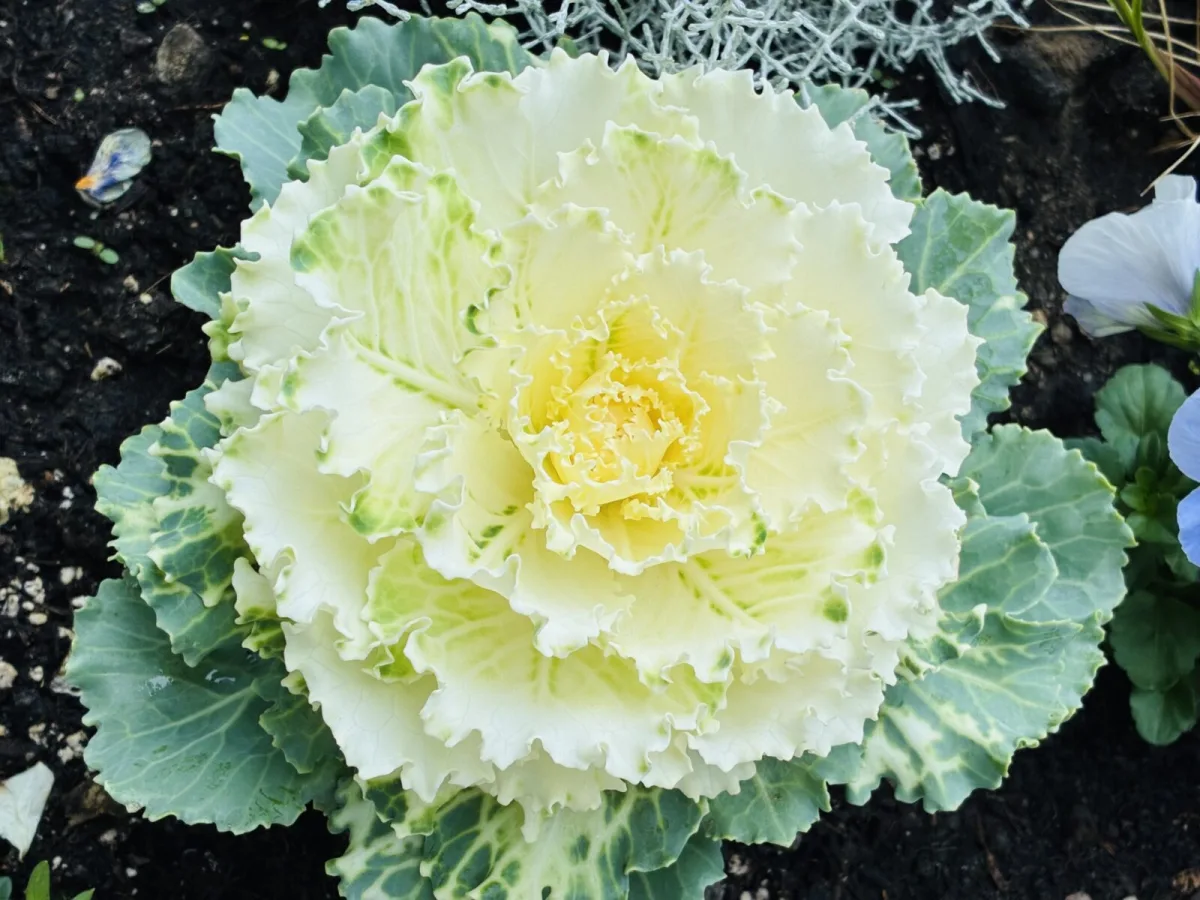
Ornamental kale and cabbage
These plants flood garden centres in autumn, and it’s easy to see why. They cope very well with cold, and as temperatures drop their colouring often intensifies. They come in pink, white, green, red and purple shades and immediately draw the eye.
Ornamental kale tends to have more deeply cut, frilly leaves, while ornamental cabbage looks smoother and flatter. Both, however, combine beautifully in a window box with flowering plants as well as natural autumn decorations. They’re ideal where you want the display to hold up through the first frosts.
Evergreen ferns
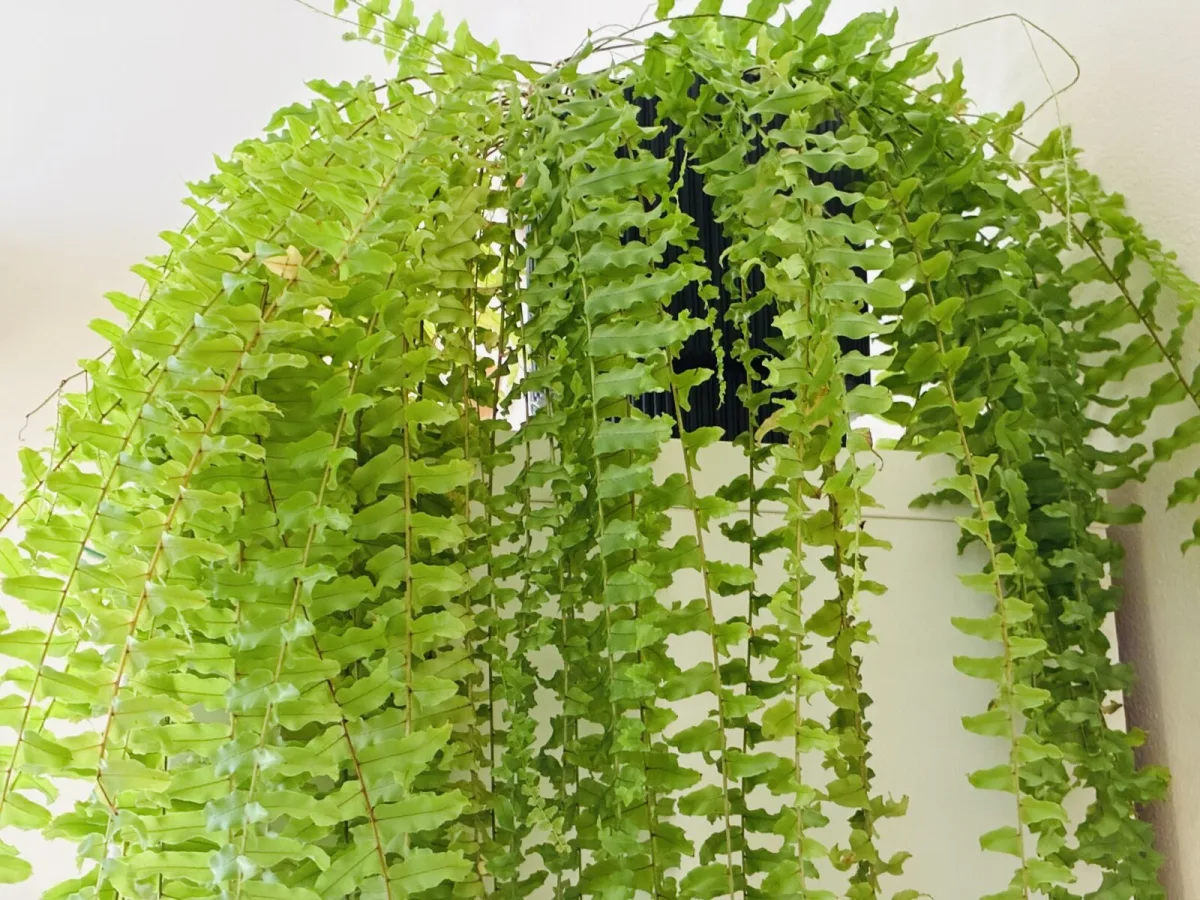
Ferns are an excellent solution, especially for shadier windows. They give the planting height, fine texture and a steady green tone. Some species produce young fronds with coppery tints, while others stay glossy green all year, so the box doesn’t look empty even in colder weather.
You can use them as the taller framework of the planting or as a green linking element between more colourful plants. Combined with heucheras, ivy or ornamental kale, they create a very elegant autumn arrangement.
Fountain grass and other ornamental grasses
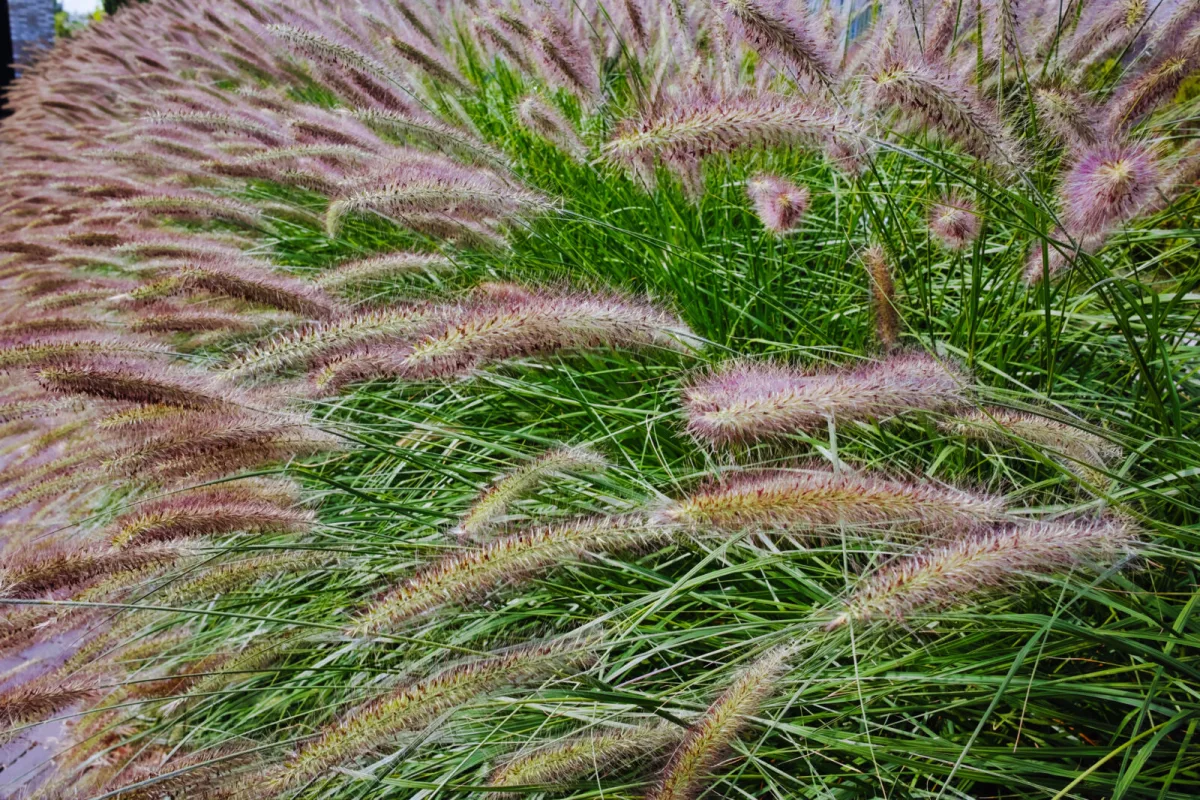
Ornamental grasses add lightness and movement to a window box. Fountain grass and similar types stand out for their arching habit, fine texture and often showy plumes in shades of white, pink, copper or purple. Placed towards the back of the box, they create a natural backdrop for lower plants.
It’s often grasses that decide whether an autumn window box looks ordinary, or exceptionally elegant. They look great on their own or combined with chrysanthemums, asters and ornamental brassicas. Most need a sunny position, but specific hardiness depends on the variety you choose.
An autumn window box is a simple change with a big impact
Even a small tweak to your planting can dramatically change the look of your home in autumn. Simply combine a few plants with strong colour, add contrasting foliage, and finish the arrangement with seasonal natural elements. A well-designed window box then feels not just like decoration, but like a full part of the autumn atmosphere around the house.
If you choose hardy plants and coordinate them by height, colour and texture, you’ll get a composition that looks full, tidy and stays beautiful even when summer flowers begin to fade.
Source: Gardening Know How, The Spruce, Pestrazahrada.cz
Related articles
Drought tolerant fruit trees for Czech gardens that handle heat and winter frosts
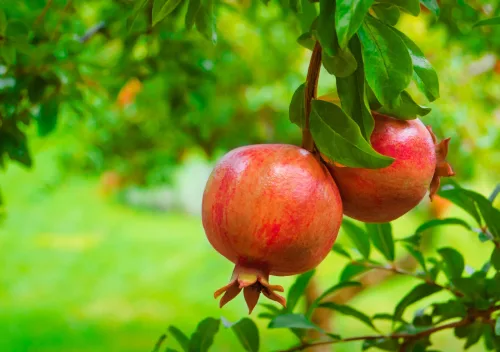
Warmer summers and longer dry spells are changing what can be grown in Czech gardens. With the right variety and a sunny, sheltered spot, olives, pomegranates and figs can cope with heat, drought and even winter cold.
Thuja hedges are on the way out gardeners are choosing a shrub that shrugs off frost and drought and never looks dull
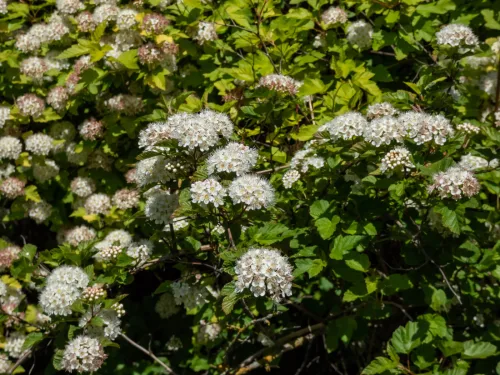
Thuja may be a long-standing classic, but today’s hedges are increasingly built from more varied shrubs that look better through the seasons. One standout choice is ninebark, prized for its toughness, colour and easy care.
Autumn planted grapevines bud earlier the most common mistake happens before they even go in the ground
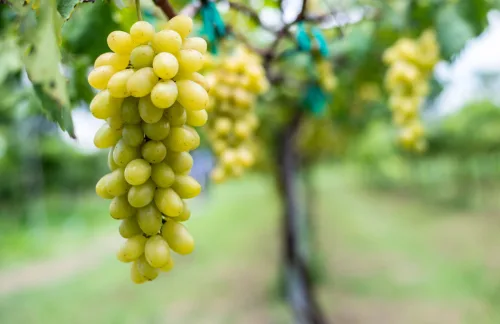
Planting grapevines in November can give them a head start in spring, as roots can still establish in warm soil. Success depends mainly on proper planting depth and reliable winter protection.
Comments (0)
Be the first to comment.