
 English
 Polski
 Deutsch
 Nederlands
 Svenska
 Norsk
 Dansk
 Français
 Italiano
 Español
 Português
 Slovenčina
 Suomi
 Gaeilge
Chrysanthemums die in winter because of a mistake most people make, pruning and a frost-free spot will save them
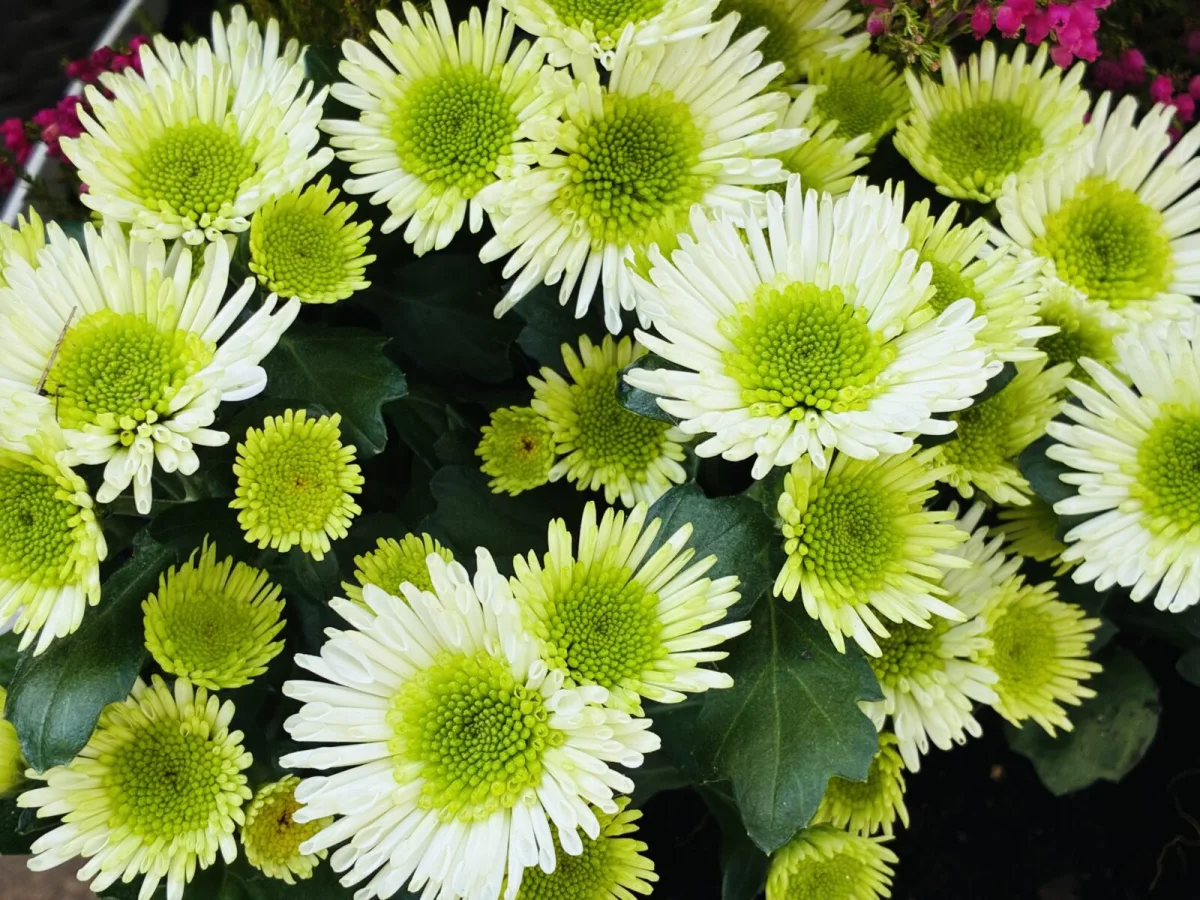
Many people associate chrysanthemums mainly with cut flowers, but they work brilliantly in the garden too. They’re valued above all because they brighten up beds and containers at the end of summer and through autumn, at a time when many other plants are already losing vigour and appeal. In garden planting they make a real statement, flower generously, and fit both traditional and modern schemes.
For outdoor growing, early-flowering or so-called hardier garden chrysanthemums are the best choice. These perennials die back for winter and reshoot in spring. Although they’re often labelled as hardy, in colder areas it’s sensible to give them winter protection, because a harder frost can damage them.
What they look like and where they fit best
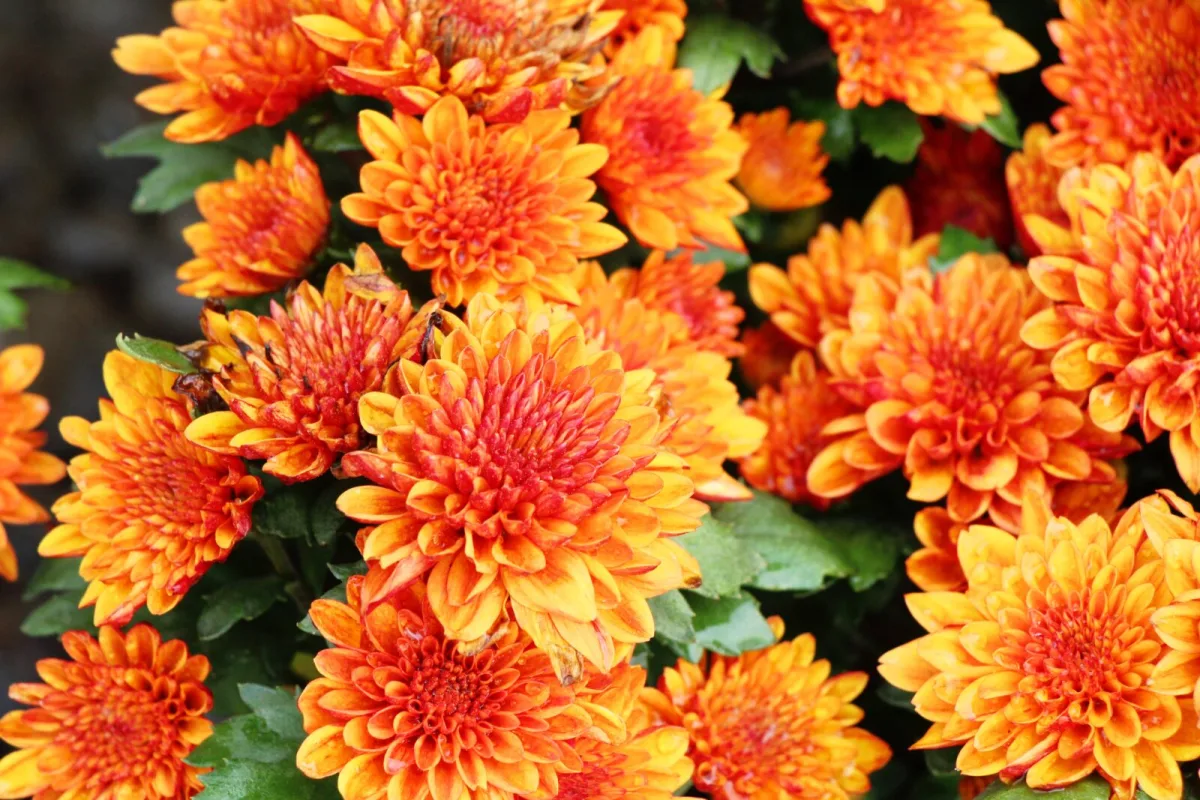
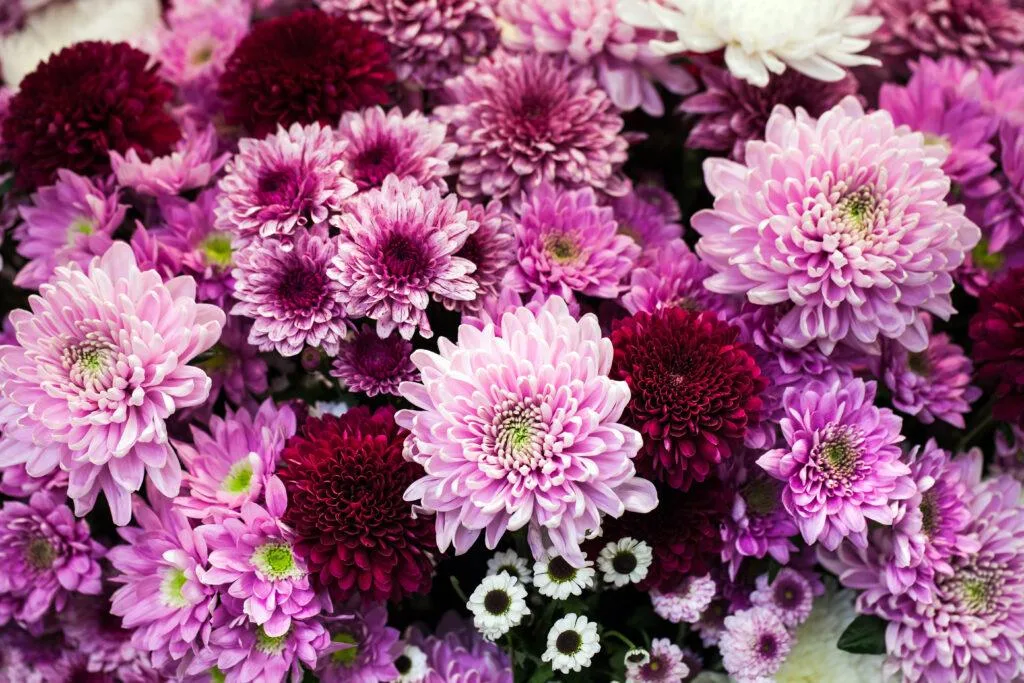
Chrysanthemum flowers vary in shape, size and colour. There are singles and doubles reminiscent of daisies, with shades ranging from hot, vivid colours to soft pastels. Particularly striking are the so-called spray types, which carry lots of flowers in dense clusters and give a strong autumn display.
These plants can be used in classic mixed borders, in containers on a terrace, or in a dedicated cutting bed. Bright, vivid cultivars sit well in exotically themed planting, softer shades suit cottage gardens, and warm autumn colours look superb alongside ornamental grasses.
Choosing plants and the best time to buy
Chrysanthemums are sold at several stages of growth. In spring you can buy freshly rooted cuttings or small young plants. These need growing on for a while indoors in a bright, cooler frost-free place until they’re strong enough. In summer, you’ll usually find well-grown plants that can be planted straight into the border or a container. From late summer into autumn, plants are also sold in full flower, giving an instant decorative effect.
When choosing, it helps to take local climate, eventual size and how you want to use them into account. Some varieties are better suited to pots, others shine in borders or as cutting flowers.
Site and planting
Chrysanthemums prefer a sunny, warm, sheltered spot. They do best in fertile, free-draining soil. Plant into open ground once the risk of the last frosts has passed, usually from mid-May to early June. Plants raised under cover should be hardened off gradually first, so they adjust to outdoor conditions.
Summer purchases can be planted straight away. Leave spacing of about 30 to 45 cm between plants. Taller varieties are best given support so the stems don’t snap under the weight of the flowers. For container growing, choose a larger pot at least 30 cm in diameter and a high-quality, airy compost with good drainage.
Watering, feeding and mulching
After planting, chrysanthemums need regular watering throughout the growing season. The compost shouldn’t dry out completely, but it mustn’t stay waterlogged for long periods either. Persistently wet conditions are a common cause of health problems and weakened plants.
Container-grown plants benefit from regular feeding. During active growth you can use an organic liquid feed; as buds form and through flowering, switch to a feed with a higher potassium content, similar to tomato feed. In borders, a dressing of well-rotted compost or mature organic matter is often enough.
A layer of mulch after planting helps retain moisture in the soil and suppresses weeds. In autumn, a thicker mulch can also protect the roots from winter cold.
Pinching and bud thinning for more flowers
When young plants reach about 20 cm tall, it pays to pinch out the main growing tip in early summer. This encourages branching and gives a more compact shape. You can also keep shortening the tips of side shoots as the plant grows, roughly until mid-summer. The result is typically a bushier plant and more flowers.
With some chrysanthemums, selective bud removal is also used. On freely branching types, you can remove the main central bud to produce a more even display of similarly sized blooms. By contrast, on large-flowered forms you can leave just the main bud and remove the rest, so the plant puts its energy into one standout flower.
Care during flowering and encouraging repeat bud formation
Regularly removing faded blooms keeps the plant tidy and extends the flowering period. The chrysanthemum wastes less energy on seed production and can continue forming more buds. This simple task is especially important for plants in containers, which are usually under greater stress.
Single flowers also provide valuable nectar for late-flying bees and butterflies, so they benefit garden wildlife too.
Overwintering and frost protection
Many garden chrysanthemums can cope with temperatures dropping to around -5 °C, but in colder areas this may not be enough. A safer approach is to cut plants back to about 20 cm after flowering, lift them, and store them in a bright, frost-free place. Gently clean the roots, remove any green parts, and place the plants in a shallow container with slightly moist growing medium. Over winter, keep it only just barely moist.
In milder regions, some chrysanthemums can be left outside if they’re growing in a sheltered position in free-draining soil. Even then, it’s wise to cover the root zone with a thicker layer of mulch and protect plants from winter wet. Specimens in pots are more vulnerable to cold, so it’s better to move them to a cool, frost-free space after flowering.
Propagation for new plants
The simplest way to propagate is by taking cuttings in spring. Take young, strong shoots about 5 to 7.5 cm long, ideally from the outside of the clump. Remove the lower leaves and insert the cuttings into a mix of seed compost or multi-purpose compost and horticultural sand or grit. In warmth and with even moisture, they usually root in about three weeks.
Older plants can also be divided in spring as soon as they start into growth again. Some cultivars can be grown from seed too. Sow in spring at around 15 °C, and young plants may flower in the same year.
Most common growing problems
Chrysanthemums can be attacked by various pests. Young plants are often threatened by slugs and snails; aphids, leaf miners, thrips, spider mites, and pests that damage buds and leaves can also appear. Regular checks help you act in time and prevent serious damage.
Of diseases, white rust is the most feared, as it’s difficult to control and can seriously damage plants. In dry conditions, powdery mildew can appear; during prolonged damp weather, grey mould and other fungal rots are more common. Unsuitable conditions can also encourage viral diseases, shown by weak growth and spotting or deformation of leaves.
Why chrysanthemums deserve a place in your garden
Given enough sun, nutrients and sensible watering, chrysanthemums reward you with exceptionally generous autumn flowering. They’re versatile, can be grown in borders and containers, and with correct overwintering will last for many years in the garden. For anyone who wants to extend garden colour well into the cooler months, they’re a very reliable and impressive choice.
Source: RHS, Gardeners World , Pestrazahrada.cz
Related articles

Forget Thuja, This Autumn-Bright Shrub Turns Your Fence into an Orchard and Is Easier to Grow Than Blueberries
Instead of planting a wall of thuja for privacy, consider serviceberry: a hardy, low-maintenance shrub with spring blossom, summer berries and fiery autumn colour. It thrives in ordinary garden soil and works beautifully as a fruiting hedge.
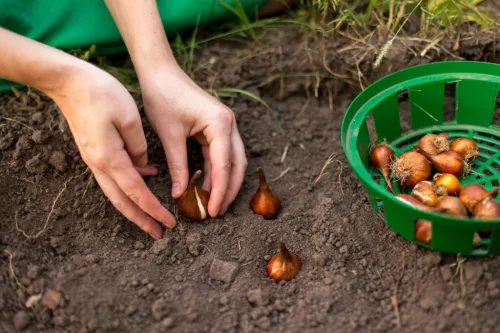
Why Experienced Growers Plant Onions in Autumn and Add Wood Ash to the Bed
Planting onions in autumn helps them root well before winter, leading to stronger plants and a heavier crop. Wood ash can also improve soil pH, structure, and overall bed health.
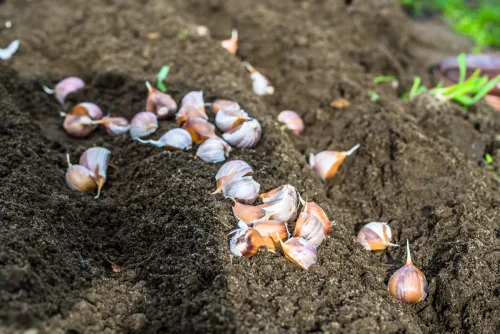
Don’t Plant Garlic in Freshly Dug Soil
For big, firm, strongly flavoured bulbs, garlic needs settled soil, the right planting window, and careful handling of the cloves. A few simple steps from bed prep to drying make the difference between a weak crop and a long-storing harvest.
Comments (0)
Be the first to comment.