
 English
 Polski
 Deutsch
 Nederlands
 Svenska
 Norsk
 Dansk
 Français
 Italiano
 Español
 Português
 Slovenčina
 Suomi
 Gaeilge
When Other Flowers Fade Asters Are Just Getting Started
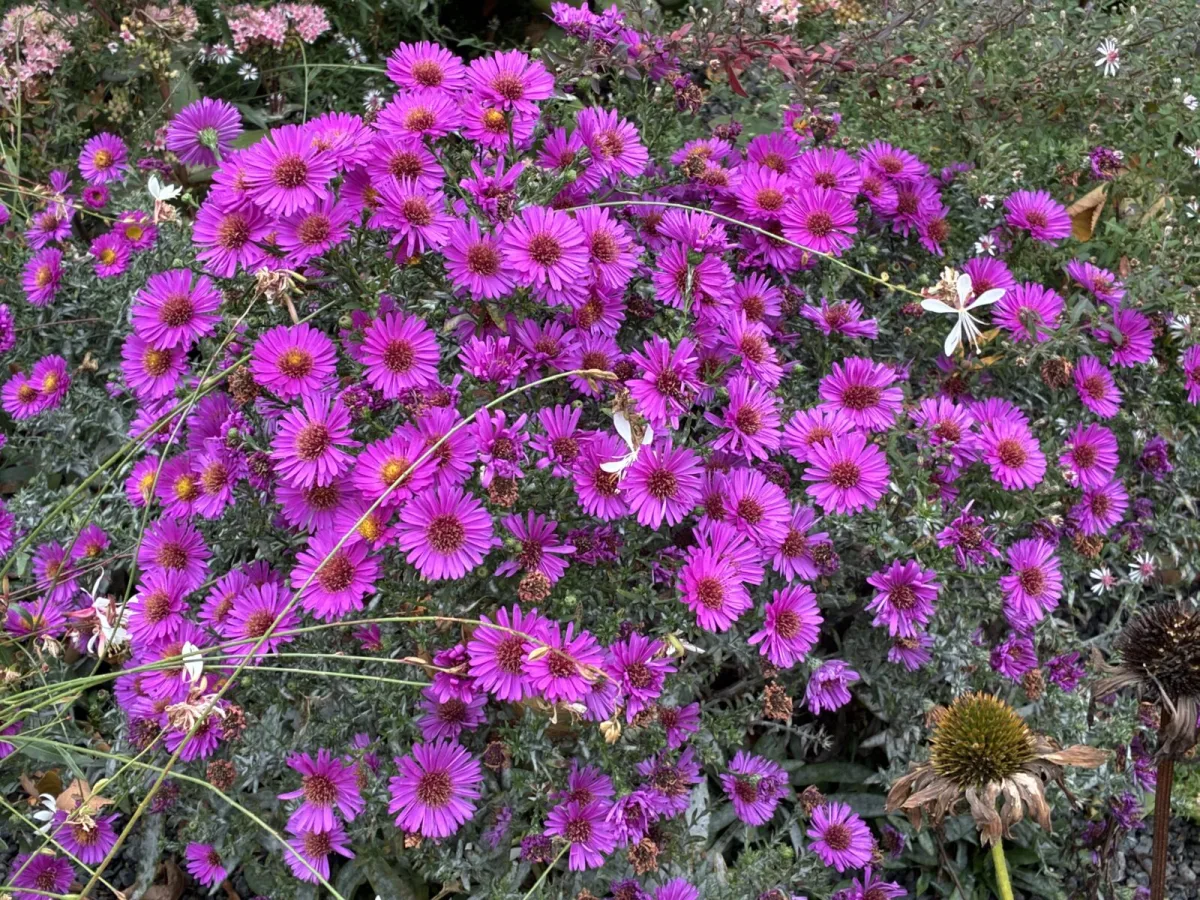
Asters are among the perennials that come into their own just as summer flowering in the garden begins to slow. That’s when their daisy-like blooms become a bold source of colour and life. They flower in shades of white, pink, blue, violet and deep purple, and depending on the variety can range from low, compact clumps to tall plants that reach above knee height and higher.
Asters’ biggest strength isn’t only their looks. They are exceptionally attractive to bees, butterflies and other pollinators that, in late summer and autumn, are searching for the last rich sources of nectar. After flowering, they also produce seed that small birds actively seek out. Thanks to this, asters have both ornamental and ecological value in the garden.
Where to plant asters
These plants do best in full sun or light partial shade. In cooler areas they cope very well with full sun; in warmer spots they can benefit from protection from harsh midday heat. They grow best in soil that holds an even level of moisture but still drains surplus water well.
A loamy, fertile soil enriched with compost is ideal. Heavy, waterlogged ground can lead to root rot, while very sandy, drought-prone soil leaves plants stressed and quick to wilt. Before planting, it’s worth working a few centimetres of well-rotted compost into the bed to improve structure and the soil’s ability to manage water.
Asters fit into classic herbaceous borders, cottage gardens, naturalistic plantings, rock gardens and containers. Lower-growing types suit the front of the border, while taller cultivars belong towards the back.
When and how to plant
The best time to plant young plants is from mid to late spring, once the risk of frost has passed. You can also plant container-grown asters in late summer or early autumn, when garden centres often stock them in full flower and it’s easy to choose the right colour.
Spacing depends on the eventual size. Smaller types can be planted closer together; more vigorous asters need up to about 1 m of space. After planting, water thoroughly and add a layer of mulch to keep the soil cooler, suppress weeds and help stabilise moisture.
Asters can also be grown from seed, though germination isn’t always even. For some types, a period of cold helps by mimicking winter dormancy and encouraging growth to start.
Care during the growing season
Watering
Asters need regular but moderate watering. They don’t like prolonged drought, and they also dislike constantly wet compost. In dry summer weather, it’s better to water less often but more deeply, so the moisture reaches the roots. Plants grown in containers dry out faster and need checking more frequently.
Feeding and mulching
In ordinary garden soil, most asters do fine with a spring top-dressing of compost. In lighter, poorer soils you can add a balanced fertiliser as well. A mulch of compost or well-rotted organic matter helps keep soil in good condition and supports strong growth and plentiful flowering.
Pinching and cutting back shoots
If you want a more compact shape and more flowers, you can cut the plants back once or twice in early summer by roughly a third. This encourages branching and often reduces excessive flopping in taller varieties. With the tallest types, it’s still sensible to allow for support, especially in windy positions.
Asters aren’t beautiful only to look at. At the end of the season they act as an important food source for pollinators, and after flowering they offer food and shelter for other wildlife.
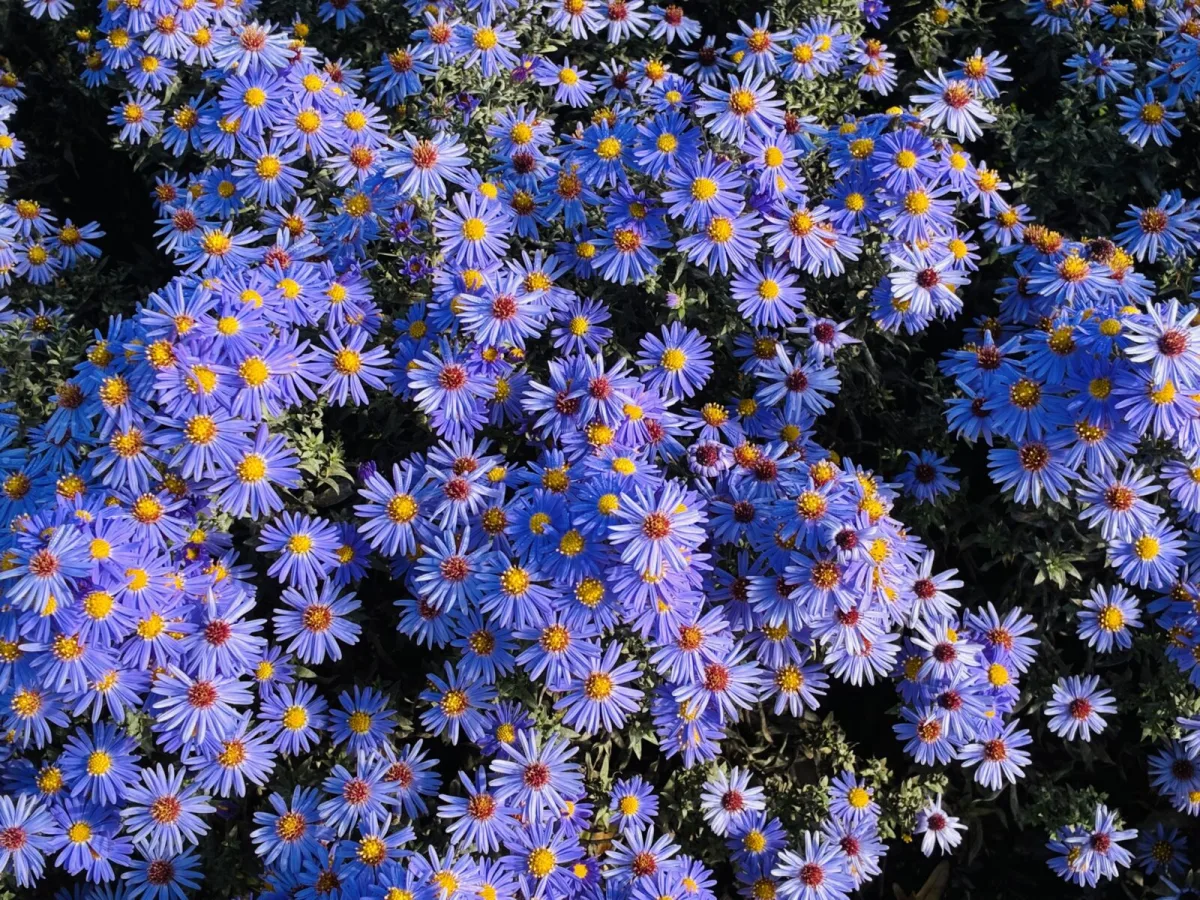
Care after flowering and in winter
Spent flowers can be removed as you go if you want to extend the display and keep plants looking tidy. It isn’t always necessary, though. Many gardeners leave the dry stems and seed heads standing over winter because they look interesting, prevent the garden from feeling empty, and provide food for birds.
Once the plants have died back, clumps can be cut right down to the ground. For asters, winter wet is often more of a problem than frost itself, so they need soil where water doesn’t sit. For long-term vigour, it’s recommended to lift and divide the clumps every two to five years in spring. This rejuvenates the plant and helps maintain good flowering.
Propagation and self-seeding
The simplest way to propagate is by dividing older clumps in spring. That way you get new plants identical to the original cultivar. Seed is different: plants grown from your own seed may vary from the parent in both colour and habit. That’s worth bearing in mind, especially if you want to preserve the exact look of a favourite variety.
Possible diseases and pests
Although asters are usually reliable and undemanding, they can be troubled by fungal diseases. Powdery mildew, leaf spots, different types of wilting, or rots can occur. Susceptibility increases with the wrong site, waterlogging, or excessive drought. Pests may include aphids, slugs and snails, or tiny mites.
Good prevention mainly comes down to choosing the right location, allowing enough space between plants, watering sensibly, and selecting resistant varieties. A strong, well-rooted plant copes with problems far better than a weakened one in unsuitable soil.
Popular types and what to expect from them
There are hundreds of aster species worldwide, but among the best known are North American New England asters and New York asters. Both groups are valued for their abundant autumn flowering and their strong appeal to pollinators. Beyond these are also fragrant, smooth, heath and woodland types, which vary in height, habit and flower colour.
Some European and Asian species, especially in winter, prefer freer-draining soil, while some North American asters cope better with typical garden conditions with a greater supply of moisture. When choosing, it’s therefore wise to consider not only flower colour but also the character of your site.
Why give asters a place in the garden
Asters are among the most rewarding autumn perennials. They offer a long, showy display, work in many garden styles, and support both insects and birds. If you give them a sunny spot, fertile but not waterlogged soil, and occasional division to rejuvenate clumps, they’ll repay you with dependable performance at a time when many other plants are starting to fade.
Source: RHS, Almanac , Pestrazahrada.cz
Related articles
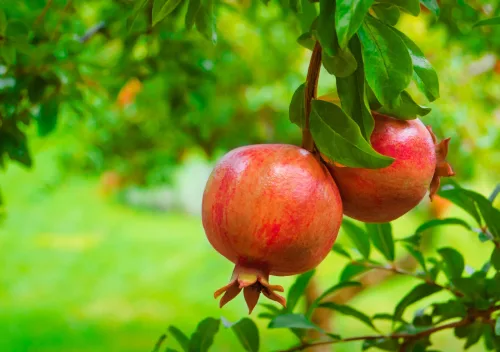
Drought tolerant fruit trees for Czech gardens that handle heat and winter frosts
Warmer summers and longer dry spells are changing what can be grown in Czech gardens. With the right variety and a sunny, sheltered spot, olives, pomegranates and figs can cope with heat, drought and even winter cold.
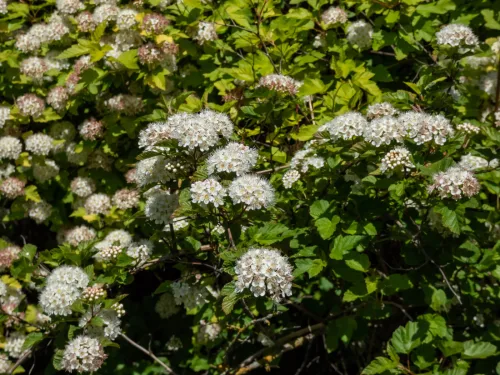
Thuja hedges are on the way out gardeners are choosing a shrub that shrugs off frost and drought and never looks dull
Thuja may be a long-standing classic, but today’s hedges are increasingly built from more varied shrubs that look better through the seasons. One standout choice is ninebark, prized for its toughness, colour and easy care.
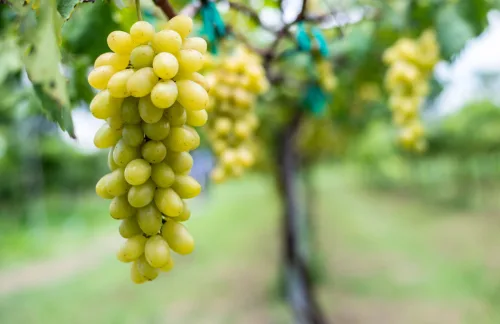
Autumn planted grapevines bud earlier the most common mistake happens before they even go in the ground
Planting grapevines in November can give them a head start in spring, as roots can still establish in warm soil. Success depends mainly on proper planting depth and reliable winter protection.
Comments (0)
Be the first to comment.