
 English
  Polski
  Deutsch
  Nederlands
  Svenska
  Norsk
Norsk  Dansk
Dansk  Français
  Italiano
  Español
  Português
  Slovenčina
  Suomi
Suomi  Gaeilge
 Peonies can be transplanted and September is the ideal time, but one mistake will cost you flowers
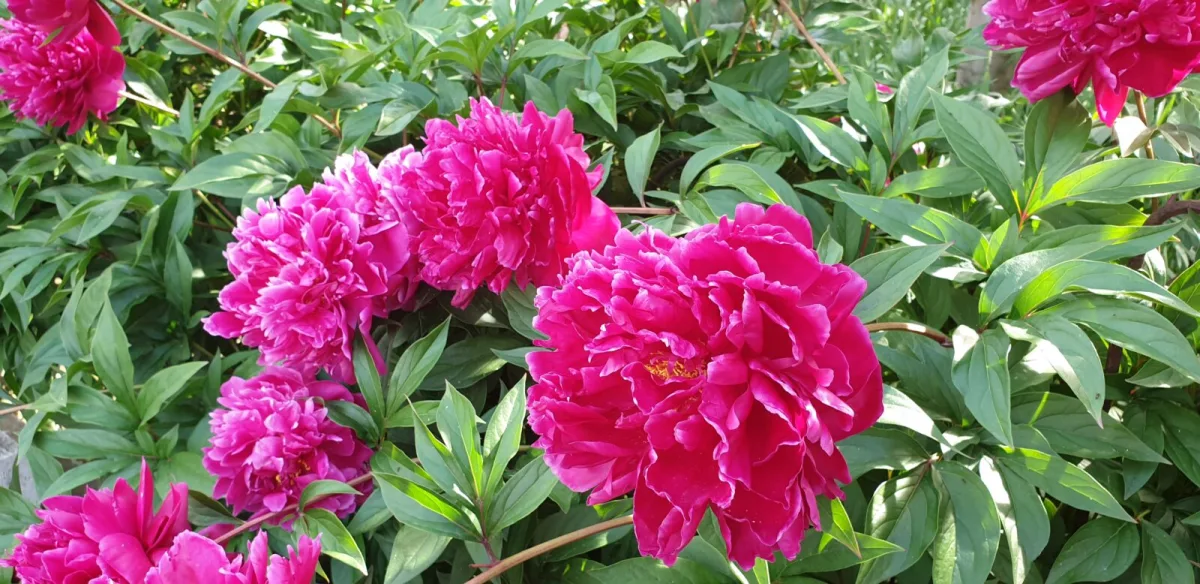
Among gardeners, the belief has long persisted that peonies can’t be transplanted. In reality, it’s more of an oversimplified rule of thumb that over time has taken on the form of an almost unbreakable law. The main reason is that peonies can thrive in one spot for an exceptionally long time, often for decades. But that doesn’t mean any move automatically spells trouble.
Reputable horticultural sources describe dividing and transplanting peonies as a routine practice. Done at the right time and in the right way, the plant can handle the move. Autumn, especially September, is widely considered the most favourable time.
Why September is ideal
Towards the end of summer, peonies gradually shift into a quieter phase. The top growth is less active and the plant stores energy in its thick roots. The soil is usually still warm, while the air is cooling. This combination helps reduce transplant shock and also gives new roots a chance to keep growing.
The root system continues developing long after the main season ends, until the soil cools significantly. In Czech conditions, that typically means several weeks for re-rooting before frost arrives. In warmer areas the window is longer; at higher elevations it’s sensible to get on with the job and aim to finish by mid-September.
Planting depth determines flowering
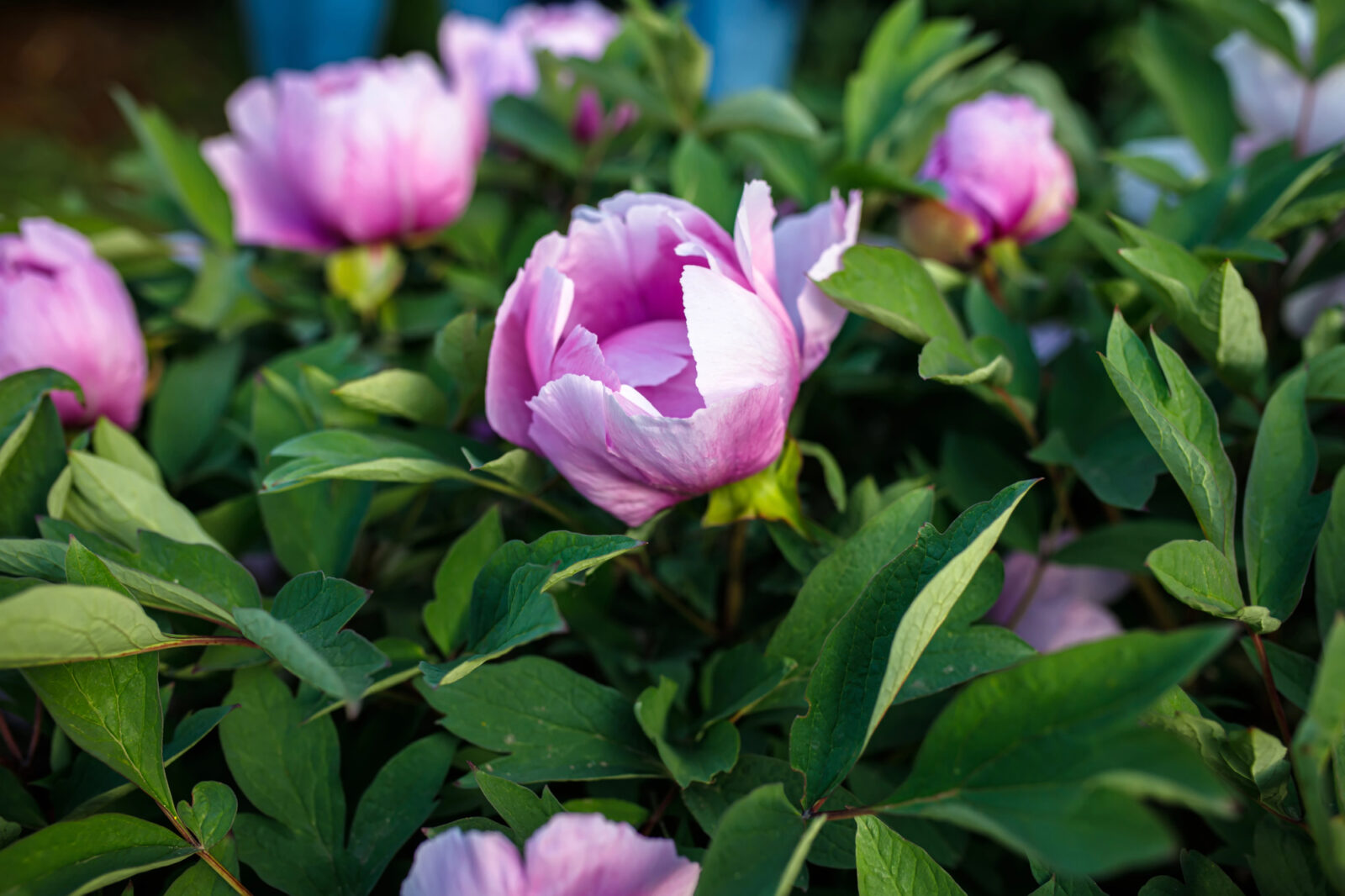
The most important mistake made when transplanting is planting at the wrong depth. With herbaceous peonies and Itoh peonies alike, you need to watch the buds, often called “eyes”. These are what produce new shoots and flowers in spring. The eyes should sit only shallowly below the surface, about 2.5 to 3 cm.
If the plant is set too deep, it may make plenty of leaves, but flowers can be absent or very weak. Itoh peonies behave the same way as classic herbaceous types in this respect, so the same rule applies. Moving them into a container is generally not ideal either, because they need enough space to root deeply.
How to handle herbaceous and Itoh peonies
Lift the clump carefully, ideally with a digging fork, to avoid damaging the thick storage roots as much as possible. After shaking or washing off soil, it’s best to divide the plant into smaller pieces. Each division should ideally have 3 to 5 eyes and a corresponding amount of root. Very small divisions can take, but you’ll usually wait longer for generous flowering.
After planting into the new hole, keep a close eye on the exact bud depth. In the first winter after transplanting, light protection helps, such as a layer of straw or pine needles. In spring, however, the cover must be pulled back from the growth point so the buds aren’t smothered or left buried.
Tree peonies have different requirements
With grafted tree peonies, the principle is the opposite of herbaceous types. The graft union should be set much deeper, roughly 15 cm below the soil surface. This encourages the named variety to form its own roots over time rather than relying only on the rootstock.
Mixing up these two rules is a major mistake. Plant a herbaceous peony too deep and you’ll lose flowers. Plant a grafted tree peony too shallow and you’ll limit proper rooting and long-term development.
The difference between an old clump and a container-grown plant
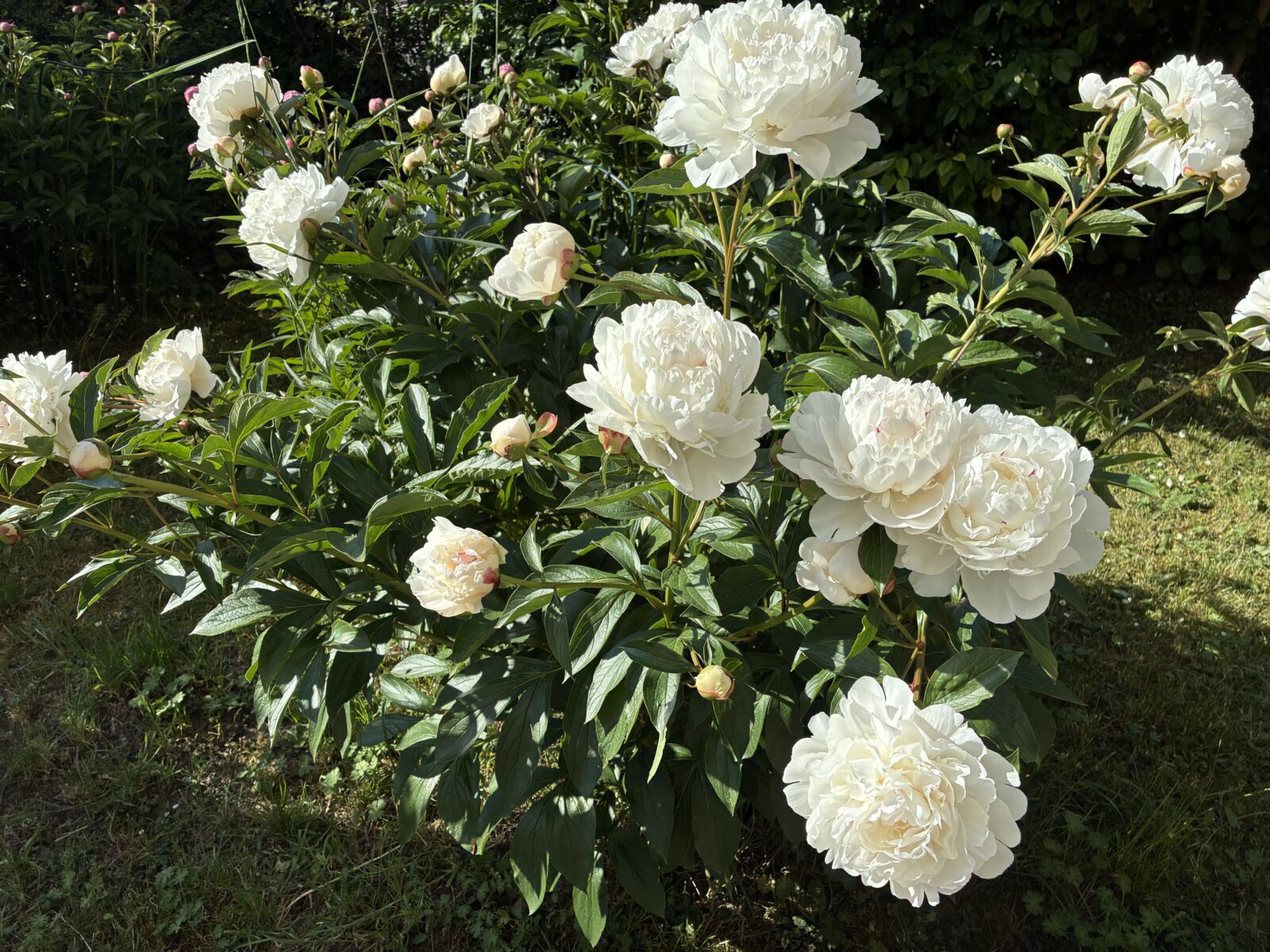
The most demanding move is relocating an old, overgrown clump that has grown in one spot for many years. Such a plant has thick, long roots that almost always get shortened during digging. If you simply move a large clump intact without dividing it, it can struggle and weaken for a long time after transplanting. Dividing into smaller pieces is therefore often the wiser choice.
By contrast, a container-grown plant from a shop is usually lower risk. It’s typically already growing at the correct depth, and the root ball can be moved into the border with minimal disturbance. Likewise, handle a fresh division from another grower with care. It pays to check the roots, remove damaged parts, and avoid letting the crown gradually get buried under compost or mulch.
When the flowers will return
After an autumn transplant, it’s not unusual for a peony to flower only weakly the following season, or not at all. The plant first puts energy into rebuilding its root system. A fuller return to flowering often comes after two to three years, and later still for small divisions.
If a peony still doesn’t bloom after a longer time, the most common causes are planting too deep, a site that’s too shady, excess nitrogen, or removing foliage too early during summer. Any correction is best done again in autumn. That’s when peonies have the best chance of coping with transplanting without unnecessary weakening.
So peonies don’t forbid transplanting. They simply require the right timing, a gentle approach, and above all, precise planting depth.
Source: Peonita, Martha Stewart, Pestrazahrada.cz

A lover of nature, gardens, and everything that moves, blooms, or grows. He literally grows everything, from herbs to rare species, and he enjoys caring for animals just as much. In his work, he connects modern technology with tried-and-tested grandmotherly methods and is happy when both paths lead to the same goal.
Related articles
Don’t Cover Strawberry Plants Too Early Experienced Growers Wait for a Signal from the Leaves
Strawberries need a period of winter chill, but their crowns must be protected from deep freezing, thawing cycles and drought. Time your clean-up, feeding and mulching correctly so plants come through winter strong and crop well in spring.
Geraniums Bloom Even in December With the Right Spot Indoors and a Small Additive in the Water
Wondering what to do with geraniums once the season ends? With a bright, warm windowsill and a simple trick in the watering can, they can keep flowering well into December and overwinter successfully for next year.
Christmas Cactus Can Bloom All Winter and Set New Buds with a Simple Grower Trick
A Christmas cactus can flower for weeks and keep forming fresh buds through winter when it gets the right care and a gentle boost of nutrition. These simple homemade feeds can help encourage blooming without expensive products.
Comments (0)
Be the first to comment.