
 English
  Polski
  Deutsch
  Nederlands
  Svenska
  Norsk
Norsk  Dansk
Dansk  Français
  Italiano
  Español
  Português
  Slovenčina
  Suomi
Suomi  Gaeilge
 How to Choose Firewood That Heats Your Home the Longest
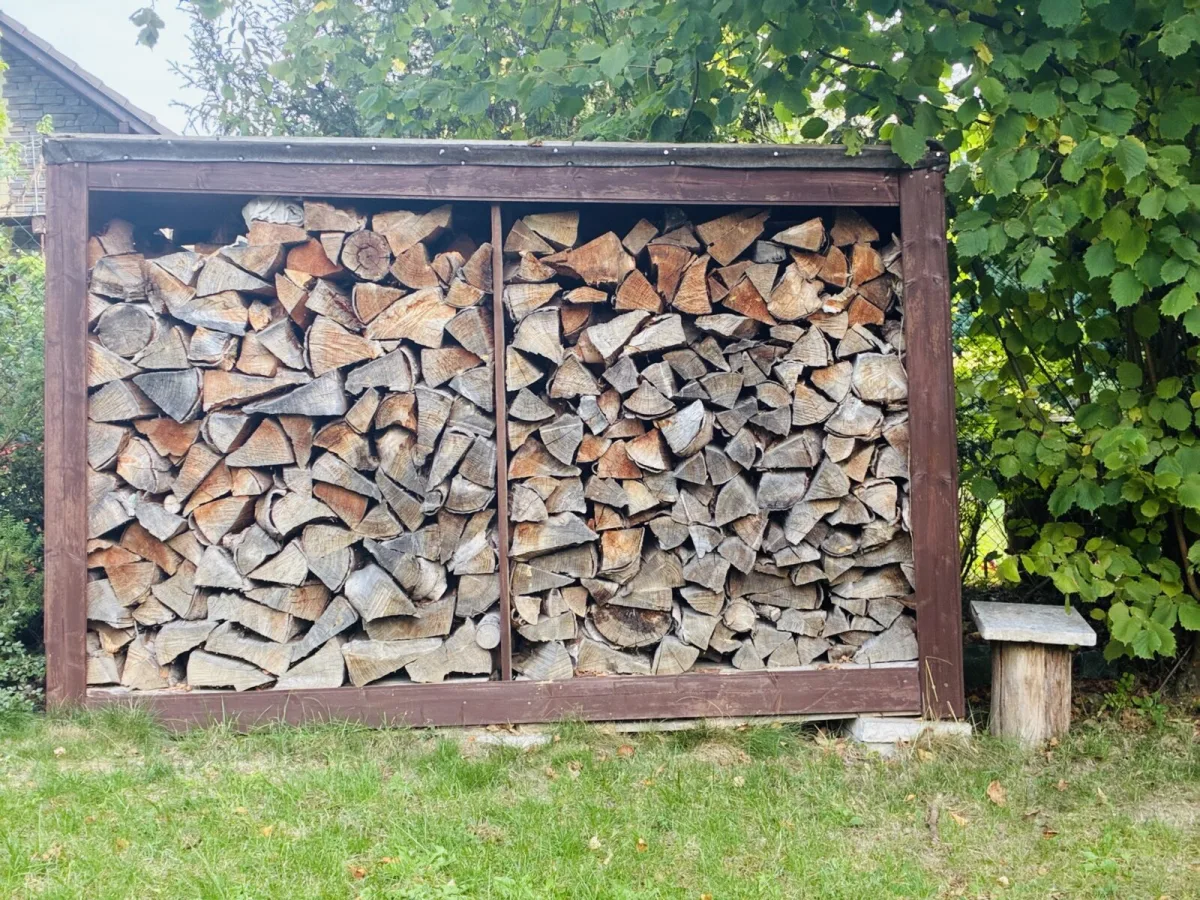
If you heat your home with wood, the type you choose really matters. Not every wood species burns equally well, and not every log delivers the same amount of heat. Firewood quality is decided mainly by two things: density and water content. The denser and drier the wood, the better it burns and the more heat it can release in a stove, fireplace, or wood boiler.
As a general rule, hardwood is usually better for heating than softwood. That comes down to higher density and also a lower proportion of resin or pitch. That doesn’t mean softwood is useless, though. It’s great for getting a fire going quickly or for a shorter burn, you just need to allow for the fact that it burns faster.
Hardwood and softwood for heating
Wood types by heat output
Big differences aren’t only between hardwood and softwood, but also between individual species. Heat output describes how much heat wood releases as it burns. You’ll also see comparisons to heating oil, which makes it easier to gauge real-world performance.
High heat-output woods
Among the highest heat-output woods in Czech conditions are hornbeam, black locust, beech, oak, ash, and wood from fruit trees such as apple or pear. These hard, dense woods burn slowly, deliver strong heat, and produce long-lasting embers. They’re therefore the best choice for regular, intensive home heating in winter, provided they’re properly seasoned and their moisture content does not exceed about 20%.
Medium heat-output woods
In Czech conditions, the mid-range category includes, for example, birch, larch, maple, elm, cherry, or Douglas fir. These species offer a balanced mix of heat output, burn time, and availability. They’re a good choice for everyday home heating, especially when higher heat-output woods like hornbeam, beech, oak, or black locust aren’t readily available.
Lower heat-output woods
What heat output actually means
Heat output is a figure that tells you how much heat wood produces when burned. So it’s not only about how long it burns, but how effectively it warms the space. For home heating, it’s one of the most important parameters. Dense hardwood with low moisture is usually the most reliable in this regard and often gives a better balance between the volume of wood you store and the real heat you get back.
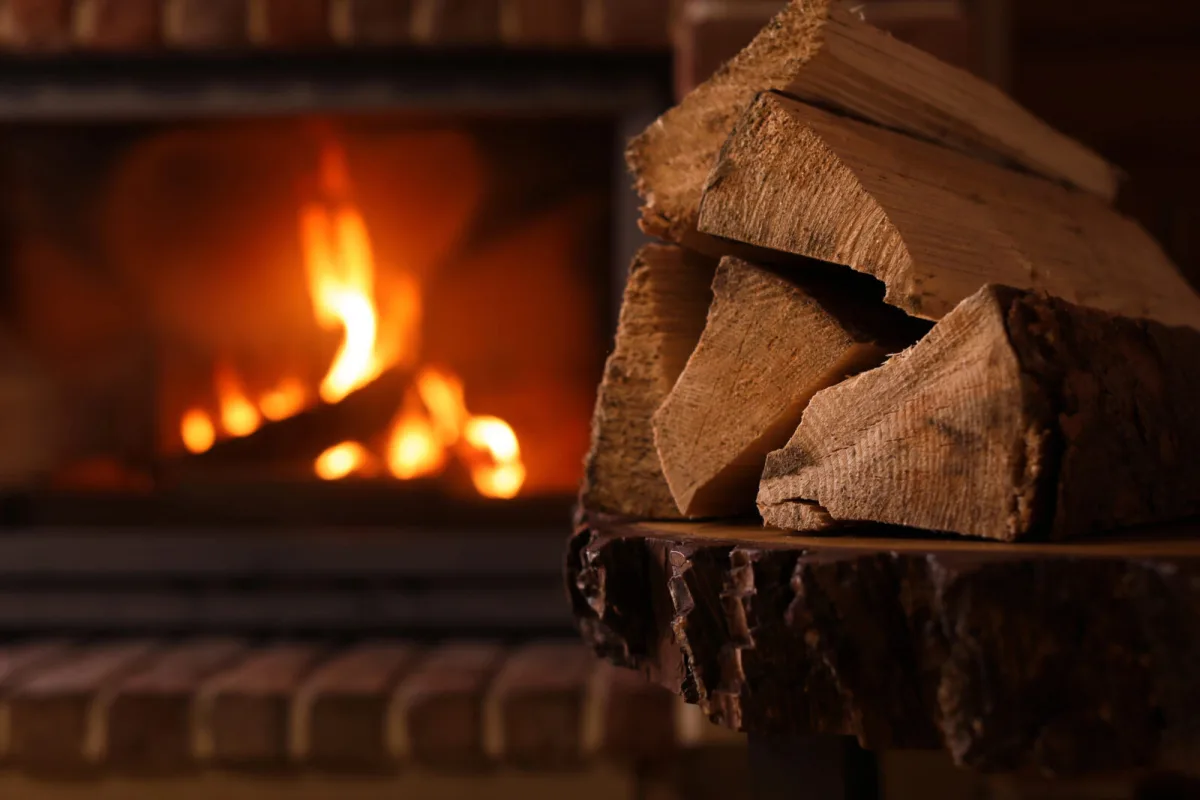
Firewood measurements
Freshly felled wood often contains up to half its weight in water. That kind of wood isn’t suitable for burning. Before use, it should dry down to a moisture content of about 20 to 25 percent. If it’s above 25 percent, it’s still too wet and doesn’t belong in a stove or fireplace.
It’s best to split logs as soon as possible after felling, because wet wood splits more easily than fully dry wood. After splitting, the wood needs to be stacked in an airy place sheltered from rain and left to season for at least six months. For some species, a longer drying period may be better, even up to one year.
How to tell when wood is properly seasoned
Properly seasoned firewood has several typical signs. The ends of the logs are usually darker and often show visible cracks. Dry wood is also lighter than you’d expect. When you knock two pieces together, it doesn’t sound dull, but gives a sharper clack that almost rings.
If steam escapes from the log ends while burning or the wood hisses, it still isn’t dry enough. In that case, it’s better to let it dry further. Wet wood heats less efficiently, smokes more, and contributes to build-up in the flue.
Practical tips for safe, sensible wood burning
Softwood can be used in a stove, but it’s better for kindling or short-term heating. Hardwoods such as oak, beech, hornbeam, maple, or hickory are a better fit where you want a long burn and steady heat. Wood ash doesn’t necessarily have to be waste either, because it can find other uses around the home or in the garden.
It’s also important to buy wood from local sources. Moving firewood over longer distances can spread tree pests and diseases. In some areas, such transport may even be restricted or prohibited. Buying locally is therefore the smarter choice for protecting nature and often for price and availability as well.
Which woods rank among the best
In the Czech Republic, the top tier of firewood is usually considered to be hard broadleaf species, especially hornbeam, beech, oak, ash, or black locust. They have high heat output, burn for a long time, and produce steady embers, making them ideal for heating during the colder months. However, other readily available wood can also perform very well if it’s dry enough. In practice, it’s not only the species that matters, but also how it’s processed, how long it’s dried, and how it’s stored.
That’s why the best firewood isn’t necessarily just the hardest, but above all wood that’s properly split, well seasoned, and ready for safe burning. Ideally its moisture content should not exceed 20%. It’s precisely the combination of the right wood and proper preparation that delivers efficient, economical, and comfortable heating at home.
Source: Almanac, Mortimers Fuels, Pestrazahrada.cz
Related articles
Insects Hate the Smell and Skin Glows Afterward Walnut Leaves Have Surprisingly Many Uses
Walnut leaves aren’t just autumn litter. Used sensibly, they can support digestion, soothe skin and hair, freshen the home naturally, and even earn a place in the compost heap.
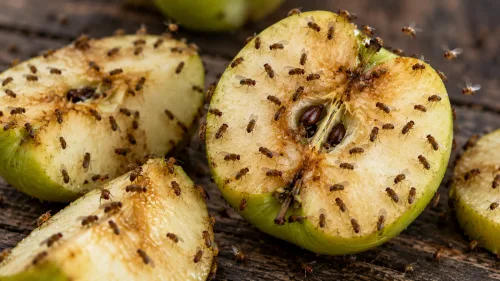
Get Rid of Fruit Flies in Your Flat for Good
Fruit flies can seem to appear out of nowhere, but they’re always drawn in by fermenting food and moisture. With the right trap plus thorough cleaning and prevention, you can eliminate them and stop them coming back.

Bay Leaves Can Help Deter Mice If You Use Them Correctly
Bay leaves aren’t just for soups and sauces. Used properly, their strong scent can discourage mice from using certain routes indoors, but only as a supporting measure alongside proofing and good hygiene.
Comments (0)
Be the first to comment.