
 English
  Polski
  Deutsch
  Nederlands
  Svenska
  Norsk
Norsk  Dansk
Dansk  Français
  Italiano
  Español
  Português
  Slovenčina
  Suomi
Suomi  Gaeilge
 Bay Leaves Can Help Deter Mice If You Use Them Correctly
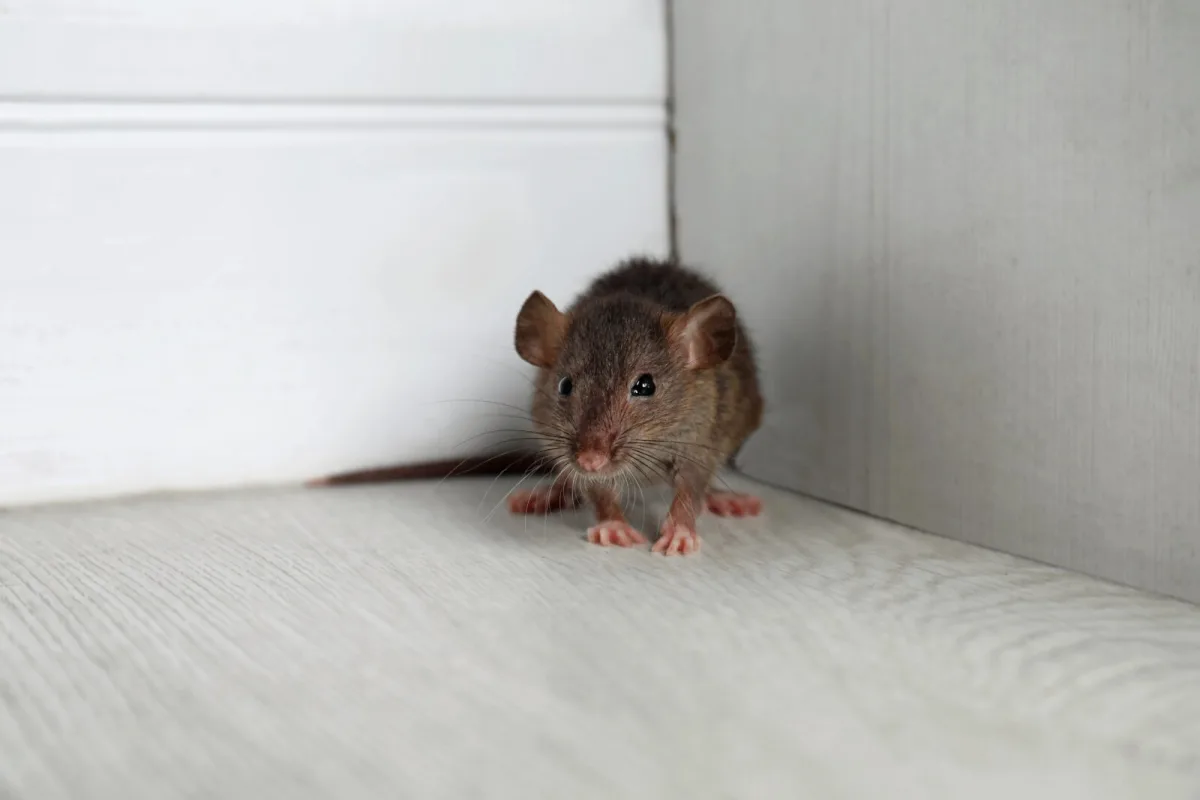
Most people know bay leaves mainly as a seasoning for soups and sauces, but they can be useful in other ways too. Their distinctive scent can deter mice from using certain routes in a flat or house. It isn’t a miracle fix that replaces professional pest control or sealing up entry holes. It makes sense primarily as a low-cost add-on that’s easy to find and doesn’t rely on harsh chemicals.
Success depends on exactly how you use bay leaves. If you put them in the wrong place or leave them out too long without replacing them, the effect quickly fades. That’s the most common reason people say they don’t work.
Why a strong aroma can put mice off
Bay leaves contain aromatic compounds that the human nose usually finds pleasant, but mice may experience as uncomfortably intense. Rodents have a very sensitive sense of smell and use scent cues to navigate when searching for food and safe routes. What seems like an everyday cooking aroma to us can register as a strong disruptive signal to them.
The key components are found in the leaves’ essential oil, especially eucalyptol and eugenol. These create a spicy, penetrating scent trail that can unsettle mice as they travel along walls and through tight gaps. Mice typically prefer familiar, undisturbed routes, so a noticeable scent barrier can be enough to make them avoid certain areas.
Where to place bay leaves so they actually make sense
Placement matters most. Mice don’t move around indoors at random; they tend to keep close to walls, behind appliances, behind furniture, and in corners. They usually avoid the open centre of a room. That’s why it’s pointless to scatter leaves in the middle of the kitchen or living room “just in case”. They typically won’t have any effect there.
They’re most useful where mice are genuinely likely to show up. Typical spots include behind the fridge, under the sink, in kitchen plinth voids, in the pantry, around pipe penetrations, around cables, near ventilation openings, or at entry points from a cellar or loft. Good targets are also places where you’ve noticed droppings, gnawed packaging, or other signs of rodent activity.
In more enclosed spaces, you can use whole leaves. Where a stronger scent is needed, crush the leaves and put them into a small breathable bag. Another option is a decoction or a simple spray for surfaces and along routes where the scent needs refreshing more often. The aim isn’t decoration, but a continuous scent layer in the places mice actually travel.
One common mistake ruins the effect within a few days
The biggest issue is how quickly the scent fades. Aromatic oils only release from the leaves for a limited time, and after a few days they may no longer be strong enough. If you don’t replace the leaves, mice can easily acclimatise to the environment or the scent simply disappears.
The practical rule is simple: check and refresh bay leaves roughly every five to seven days. This applies even more in the kitchen, pantry, and in places where there’s ventilation, cleaning, or air movement. In open areas, whole leaves can also shift position easily, get blown away, or slip into places where they no longer do their job.
If you want this method to have any real chance of working, you need to treat it as regular upkeep. Placing leaves once and leaving them for several weeks usually isn’t enough.
Household safety is just as important as how you use them

Even though bay leaves are far gentler than rodent poisons, that doesn’t mean they’re risk-free. In households with dogs, cats, or small children, caution is important. If swallowed, they can cause digestive upset, and whole leaves can also pose a mechanical risk.
For that reason, it’s better to place leaves where pets and children can’t reach them. In such homes, it may be safer to use a scented spray on selected surfaces rather than leaving loose leaves or sachets of crushed spice out in the open.
Treat bay leaves as a supplement, not a final solution
Bay leaves alone won’t solve a mouse problem if rodents have easy access to food, water, and entry points. More lasting protection mainly comes from sealing gaps around pipes, cables, vents, and other openings they can use to get inside. It’s also important not to leave food accessible, and to add mechanical traps if needed.
Bay leaves can therefore serve as an extra scent barrier that makes it less pleasant for mice to travel along their usual routes. They’re most likely to work when placed in the right spots, replaced regularly, and not relied on as the only line of defence. Used this way, it’s a cheap, low-effort step that’s worth trying.
Source: Fantastic Pest Control, House Digest, Pestrazahrada.cz

A lover of nature, gardens, and everything that moves, blooms, or grows. He literally grows everything, from herbs to rare species, and he enjoys caring for animals just as much. In his work, he connects modern technology with tried-and-tested grandmotherly methods and is happy when both paths lead to the same goal.
Related articles

Insects Hate the Smell and Skin Glows Afterward Walnut Leaves Have Surprisingly Many Uses
Walnut leaves aren’t just autumn litter. Used sensibly, they can support digestion, soothe skin and hair, freshen the home naturally, and even earn a place in the compost heap.

How to Choose Firewood That Heats Your Home the Longest
Not all firewood burns the same. Learn how wood density and moisture content determine burn time and heat output, and how to spot properly seasoned logs.

Get Rid of Fruit Flies in Your Flat for Good
Fruit flies can seem to appear out of nowhere, but they’re always drawn in by fermenting food and moisture. With the right trap plus thorough cleaning and prevention, you can eliminate them and stop them coming back.
Comments (0)
Be the first to comment.